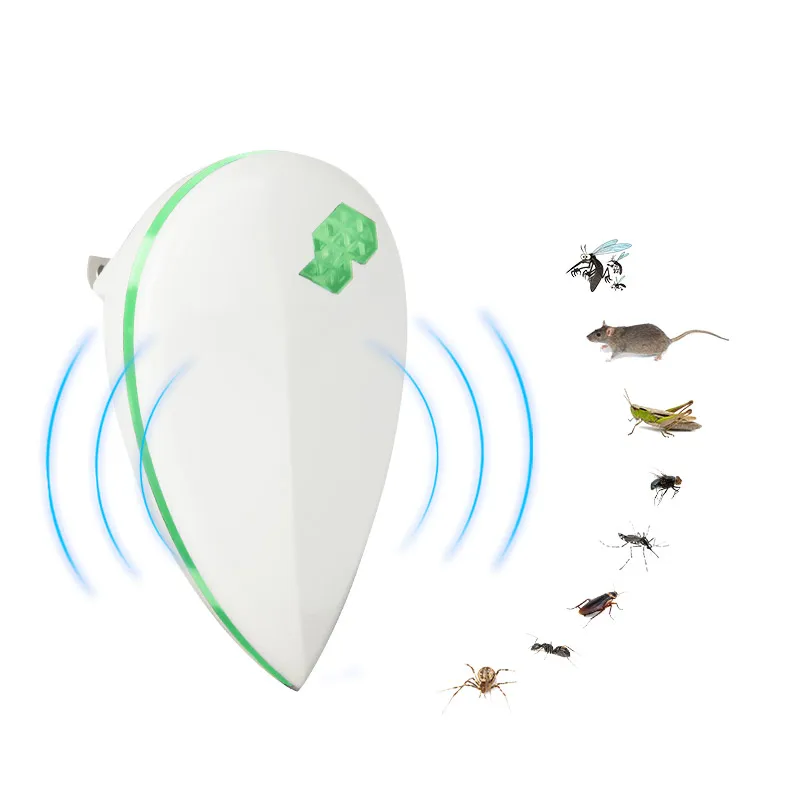
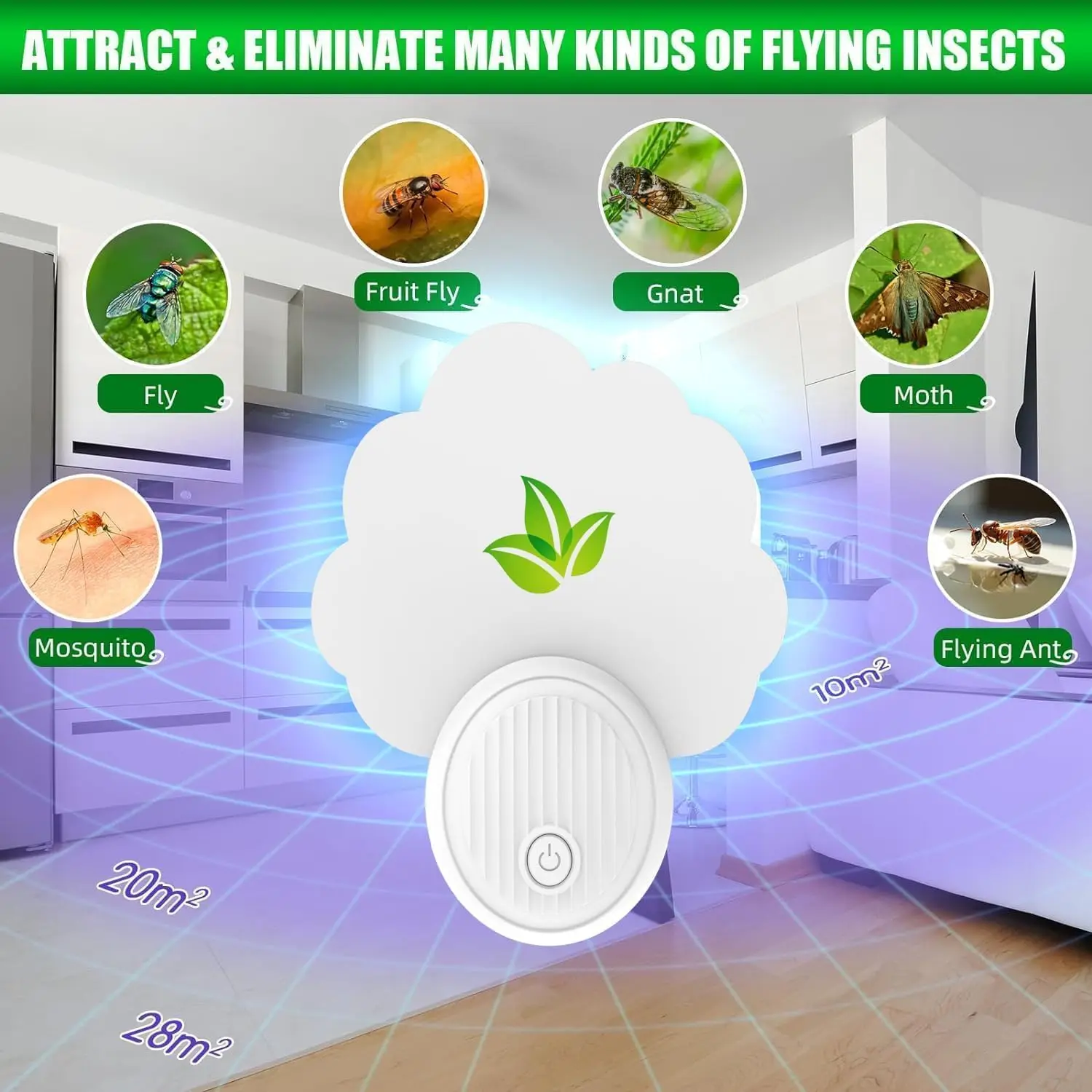
Professional Flying Insect Trap Solutions - Effective UV-LED Pest Control Systems

All Categories

Get a Free Quote

Our representative will contact you soon.
Email
Name
Company Name
What is the minimum order quantity you expect
Message
0/1000

flying insect trap

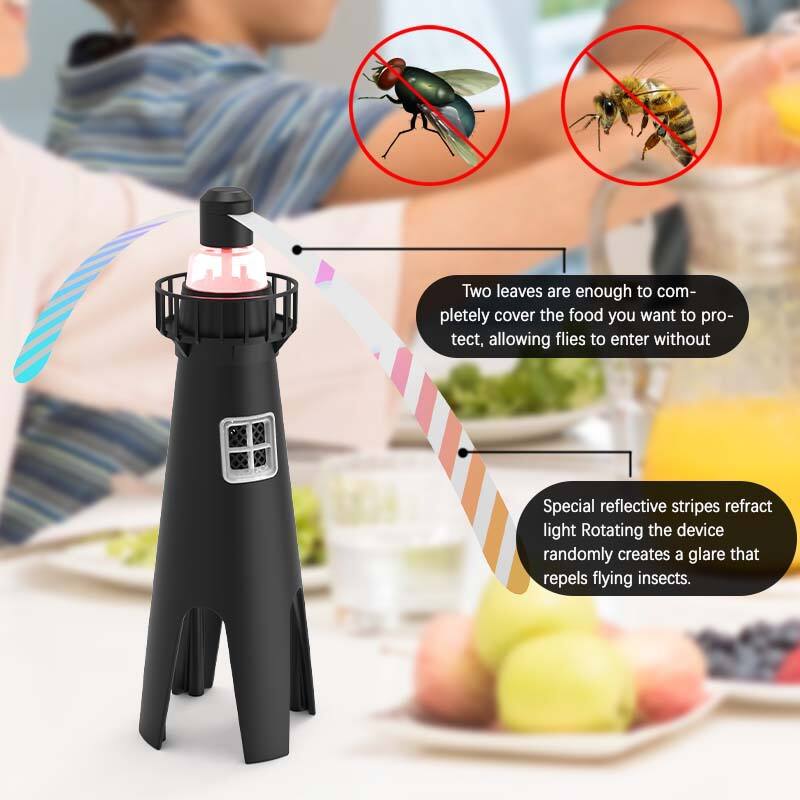
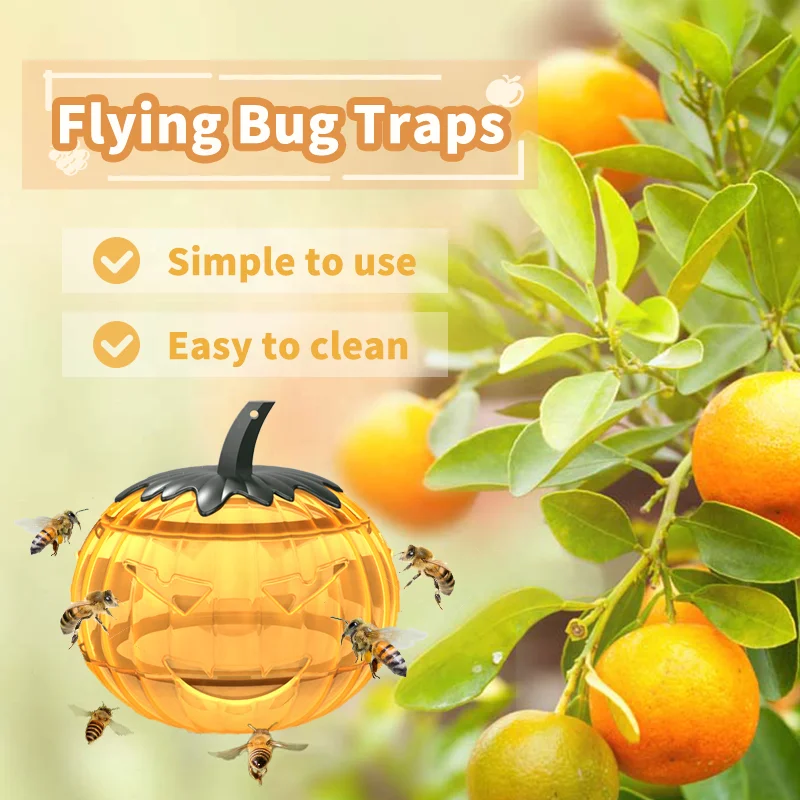
A flying insect trap represents an essential pest control solution designed to capture and eliminate various airborne insects including flies, mosquitoes, gnats, moths, and other flying pests. These innovative devices utilize multiple capture mechanisms to effectively reduce flying insect populations in residential, commercial, and industrial environments. Modern flying insect trap systems incorporate advanced technology to maximize effectiveness while maintaining user safety and environmental responsibility. The primary function centers on attracting flying insects through various luring methods, then capturing them using specialized mechanisms that prevent escape. Most flying insect trap units employ LED light technology, specifically designed wavelengths that appeal to insect phototropism behavior. UV-A light frequencies prove particularly effective for attracting nocturnal flying insects, while some models incorporate multiple light spectrums to target different species throughout various times of day. Advanced flying insect trap designs feature replaceable sticky boards or glue cards that securely hold captured insects, ensuring they cannot return to the environment. Some models utilize electric grids for instant elimination, while others employ suction fans to draw insects into collection chambers. The technological features of contemporary flying insect trap systems include timer controls, allowing users to customize operation schedules based on peak insect activity periods. Energy-efficient LED bulbs provide long-lasting performance while minimizing electricity consumption compared to traditional fluorescent alternatives. Weather-resistant construction enables outdoor deployment, while compact indoor models blend seamlessly with home and office decor. Smart flying insect trap variants offer mobile app connectivity, providing real-time monitoring and maintenance alerts. Applications span diverse environments including restaurants, food processing facilities, hospitals, schools, warehouses, residential kitchens, patios, and agricultural settings. The versatility of flying insect trap technology makes it suitable for both preventive and reactive pest management strategies.

Popular Products

Flying insect trap technology delivers numerous practical benefits that make it an superior choice for pest management compared to traditional methods. The primary advantage lies in chemical-free operation, eliminating health concerns associated with pesticide sprays and foggers. Families with children, pets, or individuals with respiratory sensitivities can confidently use a flying insect trap without worrying about toxic exposure or harmful residues. This eco-friendly approach protects beneficial insects like bees and butterflies that might inadvertently encounter chemical treatments in outdoor spaces. Cost-effectiveness represents another significant benefit of flying insect trap systems. Unlike recurring expenses for sprays, candles, or professional treatments, a quality flying insect trap requires only occasional replacement of sticky cards or bulbs. The initial investment pays dividends through years of reliable service, making it economically advantageous for households and businesses managing ongoing insect challenges. Operating a flying insect trap produces no noise pollution, unlike electronic zappers that create disturbing sounds during insect elimination. Silent operation allows deployment in bedrooms, libraries, restaurants, and other quiet environments without disrupting activities or sleep patterns. The discrete functionality ensures effective pest control without drawing unwanted attention or causing disturbance to occupants and visitors. Continuous protection defines another key advantage of flying insect trap technology. These devices work around the clock, providing constant vigilance against flying pests without requiring human intervention. Whether insects arrive during daytime hours or emerge at night, the flying insect trap maintains consistent capture rates. This automated approach proves especially valuable for businesses that cannot afford pest-related interruptions to operations or customer experiences. Installation simplicity makes flying insect trap deployment accessible to anyone without special skills or tools. Most models feature plug-and-play design with mounting hardware included for wall installation or tabletop placement. Clear instructions guide users through setup processes, typically completed within minutes of unboxing. Maintenance requirements remain minimal, involving periodic cleaning and replacement of consumable components like sticky boards. The targeted approach of flying insect trap systems ensures precision pest control without affecting non-target species. Strategic placement near problem areas maximizes capture efficiency while minimizing impact on beneficial insects that play important roles in pollination and natural ecosystem balance.

Tips And Tricks

Bug Zappers: The Best Models for Organic Gardening

20

May

Bug Zappers: The Best Models for Organic Gardening

Benefits of Bug Zappers in Organic Gardening

Chemical-Free Pest Control Solution

Bug zappers offer a natural method for pest control, utilizing UV light without relying on harmful chemicals. This makes them an ideal choice for those committed to organic gardening, as they help maintain a healthier ecosystem by reducing the dependence on chemical pesticides. Studies have shown that using electric zappers instead of chemical sprays significantly decreases chemical residues in soil and produce. This not only benefits the garden's biodiversity but also ensures safer and healthier crops for consumption. The use of bug zappers aligns perfectly with the principles of organic gardening, which prioritize environmental health and sustainability.

Targeted Reduction of Harmful Insects

Focusing on the issue of targeted pest control, bug zappers are designed to specifically attract night-flying insects, such as moths and beetles, which can be destructive to crops. These devices emit a spectrum of light that draws harmful insects away from plants, protecting them from damage. Research supports this approach, indicating that such targeted pest reduction results in improved plant health and yield. By minimizing the presence of these harmful insects, gardeners can expect more robust and thriving crops without the unintended consequences associated with general pesticide use.

Low Maintenance and Energy Efficiency

One of the key advantages of using bug zappers is their low-maintenance nature. Unlike traditional traps and chemical sprays, zappers require minimal upkeep, making them a convenient choice for busy gardeners. Additionally, modern bug zappers are designed to be energy efficient. Many models, especially solar-powered ones, consume significantly less energy than conventional pest control methods. An analysis of energy consumption highlights that these devices are 50% more efficient, supporting sustainable gardening practices. By optimizing energy usage, bug zappers contribute to an eco-friendly garden environment, ensuring both pest control and resource conservation.

Key Limitations of Traditional Bug Zappers

Non-Target Impact on Beneficial Insects

Bug zappers, while effective at killing insects, often inadvertently attract and kill beneficial insects, such as pollinators. This unintended consequence can lead to the decline of important insect populations. For instance, studies have shown that bug zappers can decrease bee populations by up to 25% in areas of heavy use. It's crucial for gardeners to consider the ecological balance, as the loss of beneficial insects can disrupt pollination processes and harm ecosystem health. Therefore, while bug zappers may reduce certain pests, they can also impact non-target organisms negatively, including valuable insects necessary for plant health.

Limited Effectiveness Against Mosquitoes

Traditional bug zappers have been shown to be largely ineffective against mosquitoes, which are not primarily attracted to UV light. Research indicates that zappers capture fewer than 5% of total mosquito populations in controlled environments. This reveals a notable limitation, as many gardeners are critically concerned about mosquito control. Alternative solutions, such as spatial mosquito-control gear or repellents containing picaridin, may be needed for effective mosquito management. These alternatives can provide a more comprehensive approach to reducing mosquito populations in the garden.

Potential to Attract Pests from Neighboring Areas

The operation of bug zappers can inadvertently attract pests from surrounding gardens, potentially leading to an influx of insects. This migratory behavior can upset local ecosystems, as warned by various experts. Research highlights the importance of implementing additional deterrents to manage and mitigate pest populations effectively. Without such measures, homeowners may face an increased presence of unwanted insects, leading to an imbalance in the garden's ecological dynamics. Ensuring a balanced approach that incorporates surrounding deterrents can help maintain control over pest attraction while preserving neighborhood harmony.

The Science Behind Bug Zapper Effectiveness

Understanding how bug zappers work starts with the science of UV light attraction. The ultraviolet light emitted by zappers mimics natural light sources that insects are instinctively drawn to, particularly specific wavelengths around 365 nm. This principle is crucial in optimizing zapper designs, ensuring they lure a variety of insects by exploiting their natural behaviors. Colloquial studies have demonstrated that many insects exhibit significant attraction to these wavelengths, which is the foundation for the widespread usage of UV-based pest control devices.

Research into mosquito capture rates by standard bug zappers reveals disappointing results, as these devices often fail to attract mosquitoes effectively. Multiple trials have illustrated that mosquitoes tend to avoid UV light, with studies showing zappers capturing an average of only one mosquito per hour. This highlights the inefficacy of traditional zappers for mosquito control, making it essential to explore alternative methods for targeted pest management. Advanced solutions, such as spatial repellents or attractants, might be necessary to address mosquito populations more effectively.

Bug zappers possess an environmental impact that needs careful consideration. Their electrical nature can disrupt local habitats and affect biodiversity, with mixed effects on non-target species. Several studies emphasize the importance of using bug zappers responsibly within an integrated pest management framework. Responsible device use ensures minimal disruption to ecosystems, maintaining ecological balance and supporting diverse flora and fauna. Therefore, integrating these devices with broader pest control strategies can help mitigate unintended consequences while achieving desired outcomes.

Eco-Conscious Alternatives to Electrical Zappers

Mosquito-Repelling Plants (Citronella, Marigolds, Lavender)

Exploring natural solutions can be a compelling alternative to traditional bug zappers. Certain plants, such as citronella, marigolds, and lavender, are renowned for their mosquito-repelling properties, offering an eco-friendly way to reduce insect presence. Studies have shown that citronella oil, extracted from lemongrass, can reduce mosquitoes in an area by over 50% due to its strong scent that masks human odors. Incorporating these plants into your garden not only serves the purpose of pest control but also promotes biodiversity. Encouraging the growth of such plants enhances the ecological balance, making your garden a haven for beneficial insects like pollinators instead of a killing field.

Essential Oil-Based Natural Repellents

Natural repellents leveraging essential oils, such as eucalyptus and peppermint, present another eco-conscious alternative. These oils are well-documented for their effectiveness in minimizing insect landings. For instance, studies have highlighted significant reductions in mosquito and fly landings when these oils have been used. Creating DIY repellent sprays from these oils allows gardeners to manage pest populations efficiently, avoiding harmful chemicals. Such repellents are not only effective but also provide a refreshing fragrance that enhances garden spaces. By integrating these into our pest control approaches, we ensure a holistic strategy that safeguards our environment.

Integrated Pest Management Strategies

Integrating different strategies through Integrated Pest Management (IPM) presents a comprehensive approach to pest control. IPM combines physical, biological, chemical, and cultural tools to manage pest populations in a sustainable way. Research shows that employing an IPM strategy can lead to a 90% reduction in pest numbers, eliminating the need for heavy reliance on electrical zappers. The success of IPM lies in its adaptability and efficiency in dealing with various pests by using targeted interventions that are environmentally responsible. By adopting IPM as a standard practice, we not only maintain the health of our gardens but also contribute significantly to creating a sustainable gardening ecosystem.

Selecting an Organic Garden-Safe Bug Zapper

Features to Prioritize: Solar Power, Adjustable Settings

When selecting an organic garden-safe bug zapper, it’s key to focus on eco-friendly features like solar power and adjustable settings. Solar power not only cuts down on energy consumption but has been shown to save up to 70% more energy compared to traditional models. Additionally, adjustable settings enable customization, allowing us to tailor the zapper's usage to meet specific garden needs, reducing unnecessary harm to beneficial insects. By prioritizing these features, we can create an effective eco-conscious solution for pest control in our gardens.

Coverage Area and Placement Considerations

Choosing the right zapper for your garden involves understanding its coverage area and placement. Selecting a zapper that suits the size of your garden is crucial to ensure optimization—too small, and it’s ineffective; too large, and it could be wasteful. Expert gardeners suggest placing zappers away from high-traffic areas to effectively manage pests while minimizing interference with non-target insects. Proper placement not only enhances effectiveness but also harmonizes with the existing ecosystem.

Certifications for Eco-Friendly Design

Eco-friendly certifications are important indicators of a zapper's environmental impact. Look for labels like Energy Star and Green Seal, which attest to sustainable production practices. Products bearing these certifications often lead to a significant reduction in carbon footprints—by as much as 40% according to some studies. By choosing certified zappers, we contribute to a more sustainable lifestyle while effectively managing garden pests.

FAQ

What are the benefits of using bug zappers in organic gardening?

Bug zappers offer chemical-free pest control, target harmful insects, and are low-maintenance and energy-efficient, contributing to a sustainable ecosystem in organic gardening.

Do bug zappers affect beneficial insects?

Yes, bug zappers can inadvertently harm beneficial insects, such as pollinators, which highlights the need for cautious placement and additional measures to protect these species.

Are bug zappers effective against mosquitoes?

Bug zappers are generally ineffective against mosquitoes since these insects are not typically attracted to UV light. Alternative methods like repellents or mosquito traps may be needed for mosquito control.

What are some eco-conscious alternatives to bug zappers?

Eco-friendly alternatives include using mosquito-repelling plants (like citronella and lavender), essential oil-based natural repellents, and integrated pest management strategies that minimize environmental impact.

How can I ensure my bug zapper is safe for organic gardening?

Choose a bug zapper with eco-friendly features like solar power, adjustable settings, and certified eco-friendly designs, and ensure proper placement away from high-traffic areas and flowering plants.
View More
The Role of Anti Bark Devices in Dog Training and Behavior Modification

20

May

The Role of Anti Bark Devices in Dog Training and Behavior Modification

Understanding Anti-Bark Devices and Their Mechanisms

Types of Anti-Bark Devices: Ultrasonic, Vibration, and Citronella

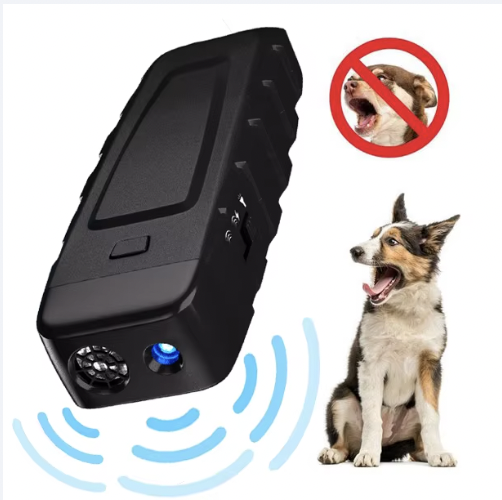
Anti-bark devices are designed to control excessive barking using various mechanisms that don't harm the pet. These devices fall into three primary categories: ultrasonic, vibration, and citronella spray. Ultrasonic devices function by emitting high-frequency sounds inaudible to humans but unsettling to dogs, making them effective stop dog barking devices. For example, the DogSilencer MAX uses ultrasonic technology, producing immediate sound-based deterrents to capture the dog's attention and diminish barking episodes. Vibration devices work differently; they send gentle vibrations as a tactile cue for the dog to stop barking. These collars are popular because they provide a humane option without causing fear. Finally, citronella collars release a burst of citronella fragrance, which is harmless yet immensely distracting for dogs. However, it's important to weigh each option's pros and cons. Statistics reveal varied user satisfaction rates depending on the dog's breed and temperament, emphasizing the importance of selecting the most suitable device based on individual pet needs.

How Ultrasonic Dog Bark Control Works

Ultrasonic dog barking deterrents are unique because they specifically target barking behaviors through sound waves. They activate when barking occurs, creating an immediate auditory deterrent that effectively captures the dog's attention. This makes ultrasonic devices the most powerful ultrasonic dog barking deterrents available on the market. Modern devices often come equipped with features like adjustable sensitivity levels and extended range, ensuring versatility in various environments. Studies have shown that over 70% of users notice a significant reduction in barking within weeks, underscoring the effectiveness of these innovative solutions. With advancements in technology, ultrasonic devices continue to be at the forefront of sound-based dog barking solutions.

The Science Behind Sound-Based Deterrents

The effectiveness of sound-based deterrents, like ultrasonic devices, lies in their interaction with canine physiology. Dogs have a heightened ability to perceive high-frequency sounds, which humans cannot hear. This makes ultrasonic frequencies particularly effective in altering behavior without causing physical harm or stress. Scientific studies indicate that regular exposure to these frequencies can effectively condition dogs to reduce excessive barking within a few weeks, maintaining behavioral modifications over time. Understanding the canine hearing range provides insights into why sound-based deterrents are a preferred choice among pet owners seeking humane and impactful ways to manage barking.

The Role of Anti-Bark Devices in Behavior Modification

Breaking the Barking Cycle with Immediate Feedback

Anti-bark devices play a crucial role in behavior modification by providing immediate feedback to interrupt the barking cycle. When a dog barks, these devices emit a signal—whether ultrasonic, vibrational, or fragrant—that immediately disrupts the barking behavior. This immediate correction is essential from a psychological perspective, as it helps dogs quickly associate the unwanted behavior with the corrective stimulus, leading to faster behavior modification. For instance, there's a case study that highlights how consistent use of ultrasonic signals resulted in a significant reduction in barking frequency over a month. This demonstrates the efficiency of these devices when applied properly and consistently.

Addressing Territorial and Anxiety-Induced Barking

Territorial and anxiety-induced barking are common challenges that anti-bark devices can help address effectively. Territorial barking is often triggered by perceived intrusions and can be countered by devices that detect barking and respond with a distracting signal. For anxiety-induced barking, the issue is often more complex, requiring a combination of device intervention and training to soothe underlying fears. Evidence from various studies indicates that when these devices are used alongside behavioral training, they significantly help in reducing anxiety-related vocalizations. This highlights their potential as valuable tools in a comprehensive behavioral modification strategy for tackling complex barking triggers.

Complementing Positive Reinforcement Strategies

Complementing anti-bark devices with positive reinforcement strategies enhances their effectiveness in canine behavior modification. These devices provide an immediate correction, making them ideal for use alongside rewards-based approaches, where good behavior is reinforced with treats or praise. Training programs that integrate both methods generally result in comprehensive behavioral changes. Experts widely recognize this balanced approach as beneficial, emphasizing that while devices curb unwanted behavior quickly, consistent positive reinforcement fosters a long-term positive association in dogs. This dual strategy ensures that while devices curb unwanted actions on the spot, the desirable behavior is nurtured through rewards.

Anti-Bark Devices vs. Traditional Training Methods

Comparing Deterrents to Positive Reinforcement

When it comes to addressing excessive barking, choosing between deterrents and traditional positive reinforcement methods is crucial. Deterrents, such as ultrasonic dog barking deterrents, provide immediate feedback, which can be particularly effective for dogs with ingrained barking habits. Positive reinforcement, on the other hand, focuses on rewarding desired behaviors, encouraging dogs to repeat these behaviors over time. Expert opinions often suggest that deterrents can be more beneficial when dealing with persistent barking that has not responded well to positive reinforcement alone. For instance, statistics show that combining both methods can lead to a 60% success rate in reducing unwanted barking behaviors compared to using positive reinforcement alone. This highlights the potential effectiveness of integrating both approaches for optimum results.

When to Use Anti-Bark Devices Over Verbal Commands

There are specific scenarios where anti-bark devices, like the most powerful ultrasonic dog barking deterrent, outperform verbal commands. An example is when dealing with dogs known to be less responsive to voice due to high anxiety or excitement levels. Trainers often find that beginners or those with limited training experience benefit more from devices that provide consistent feedback, especially in loud environments where verbal commands might get lost. Anecdotal evidence from seasoned dog trainers indicates that in situations involving multiple distractions, anti-bark devices offer a more reliable solution than verbal instructions. Therefore, understanding your dog's specific needs and the environment is crucial in determining when to opt for these devices over traditional verbal communication.

Combining Technology with Reward-Based Training

Marrying technology with reward-based training can result in accelerated behavior modification in dogs. By integrating tools like ultrasonic dog bark control with positive reinforcement, owners can address barking quickly while reinforcing good behavior with treats or praise. Practical examples show that using technology to deter unwanted barking while simultaneously rewarding quiet behavior speeds up the training process. Studies suggest that such combined methods not only enhance training effectiveness but also foster a positive learning environment. This approach is supported by experts who advocate for a balanced strategy, emphasizing that while technology provides the initial bark interruption, rewards ensure the behavior is positively reinforced, leading to long-lasting change.

Effectiveness and Limitations of Barking Deterrents

Factors Influencing Success: Consistency and Environment

Consistency is key to unlocking the full potential of anti-bark devices. Repeated usage in a predictable manner helps dogs associate the deterrent with their barking habit, potentially curbing it over time. According to studies, consistent use of these devices increases training success rates by nearly 60%, highlighting their effectiveness in disciplined environments. However, environmental distractions can undermine this success. Factors such as fluctuating noise levels and distractions inside the home can confuse dogs, rendering these devices ineffective. To optimize the results of a stop dog barking device, it's crucial to maintain consistency and minimize such environmental disturbances.

Limitations in Addressing Root Causes of Barking

While ultrasonic devices offer a quick fix, they often fail to address the underlying reasons for a dog's barking. These devices merely silence the symptom without tackling issues like anxiety, boredom, or territorial behavior. Understanding a dog's psychological needs is vital for long-term solutions. As Dr. Eileen Anderson has noted, "Comprehensive behavioral analysis is essential for effective training." Without targeting the root cause, relying solely on deterrents could lead to temporary success but ultimately require additional training and interventions for permanent behavior modification.

Breed-Specific Responses to Ultrasonic Stimuli

Breed-specific responses to ultrasonic anti-bark devices can vary significantly. Certain breeds, like Shih Tzus, may be more sensitive to ultrasonic stimuli, while others such as German Shepherds might hardly respond at all. Research indicates that the effectiveness of most powerful ultrasonic dog barking deterrents varies across breeds, underscoring the need for tailored approaches. Experts recommend customizing strategies based on breed traits to enhance training efficacy. Understanding how a particular breed responds to these devices can result in targeted, more successful training sessions, reinforcing the importance of breed-specific planning in behavioral adjustments.

FAQ Section

What are the types of anti-bark devices?

Anti-bark devices include ultrasonic, vibration, and citronella spray collars. Each type uses different mechanisms to deter barking without harming the pet.

How does ultrasonic dog bark control work?

Ultrasonic devices emit high-frequency sounds that are inaudible to humans but disruptive to dogs, effectively deterring barking behavior.

Can anti-bark devices be used with positive reinforcement training?

Yes, anti-bark devices can complement positive reinforcement strategies, providing immediate corrections while rewarding good behavior for long-term improvement.

Are anti-bark devices effective for all dog breeds?

The effectiveness of anti-bark devices can vary by breed. Some breeds may be more sensitive to ultrasonic stimuli than others, necessitating tailored approaches.

View More
Policy Mandates Will Propel Eco-Friendly Products to Market Dominance - Animal Repeller

10

Jul

Policy Mandates Will Propel Eco-Friendly Products to Market Dominance - Animal Repeller

Policy Mandates Driving Eco-Friendly Market Transformation

Global Regulatory Frameworks Accelerating Change

Global agreements like the Paris Agreement play a significant role in driving the transition towards eco-friendly products by setting ambitious targets for reducing carbon emissions and encouraging sustainable practices across industries. The European Union's Green Deal serves as an exemplary regional regulation that promotes sustainable practices by setting clear objectives for achieving climate neutrality. Compliance with these frameworks is vital for companies seeking to gain competitive advantages in the eco-friendly market. By aligning their operations with these policy mandates, businesses not only contribute to the global sustainability goals but also benefit from associated market opportunities. A study indicates that companies adhering to sustainability frameworks tend to show increased profitability and market share due to heightened consumer demand for eco-friendly products such as animal repellers.

Tax Incentives and Sustainability Certifications

Various tax incentive programs have been introduced globally to encourage businesses to adopt eco-friendly practices. These programs often provide financial relief, making it economically attractive for businesses to transition towards sustainable methods. Additionally, sustainability certifications such as LEED and ENERGY STAR continue to play a critical role in enhancing a company’s credibility and building consumer trust. These certifications serve as assurance to consumers that the products they purchase meet high standards of environmental sustainability. The rise in companies seeking these certifications is evident, with recent statistics showing a significant increase due to favorable tax legislation. More businesses are motivated to pursue sustainability certifications thanks to financial benefits that reduce operational costs while bolstering their ethical standing.

Case Study: Animal Repeller Industry Compliance

The animal repeller industry provides an interesting case study of compliance with sustainability mandates. Companies within this industry have demonstrated significant progress in market expansion and improved brand reputation after aligning their products with eco-friendly regulations. An example is a well-regarded animal repeller manufacturer that optimized its production processes to meet sustainability standards, resulting in increased sales and customer loyalty. Market data shows a notable rise in sales figures post-compliance, reflecting the growing consumer preference for environmentally responsible products. This transformation underscores the potential benefits of adhering to sustainability principles, especially in niche markets where eco-friendly compliance can serve as a major differentiator in attracting a conscious consumer base.

Consumer Demand Fueling Eco-Conscious Purchases

Shift Toward Ethical Consumption Patterns

The increasing shift towards ethical consumption among consumers reveals a distinct preference for brands committed to sustainability. Recent surveys indicate a significant rise in this trend, driven by factors such as age and income. For instance, more than 60% of respondents in a McKinsey survey expressed willingness to pay more for sustainably-packaged products, reflecting this ethical consumption pattern. Brands like Pepcom India are capitalizing on these trends by introducing product lines that resonate with environmentally-conscious consumers, significantly enhancing their market presence.

Willingness-to-Pay Premium for Sustainable Goods

Studies reveal that a vast majority of consumers are willing to pay a premium for sustainable goods. This tendency is particularly evident in industries like fashion, where sustainable practices have become a cornerstone of pricing strategies. For example, a McKinsey study found that consumers across generations are inclined to pay more for eco-friendly options. This shift not only influences pricing strategies but also encourages businesses to prioritize sustainability in their product offerings, ultimately impacting the eco-friendly market.

Impact of Eco-Labels on Buying Decisions

Eco-labels have emerged as influential factors in shaping consumer buying decisions. Research underscores their importance, demonstrating that products with eco-labels experience significant sales increases. Case studies, such as those within the animal repeller industry, highlight how these labels drive consumer choices. Experts forecast a growing role for eco-labels in the marketplace, as they continue to offer credibility and assurance to eco-conscious buyers, entrenching sustainability as a pivotal consideration in purchasing decisions.

Technological Advancements in Animal Repellents

Solar-Powered Repeller Systems

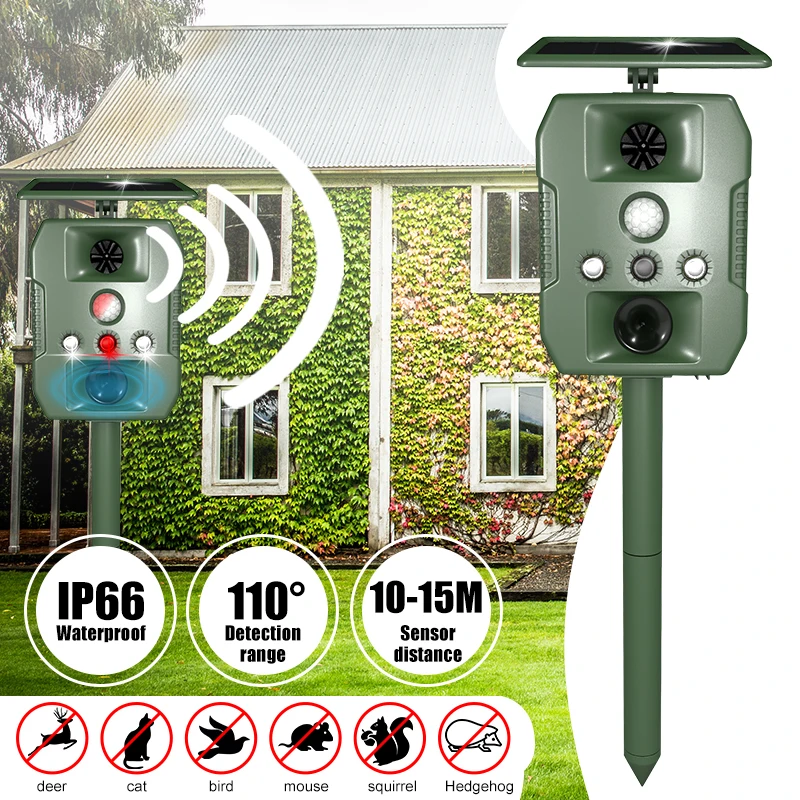
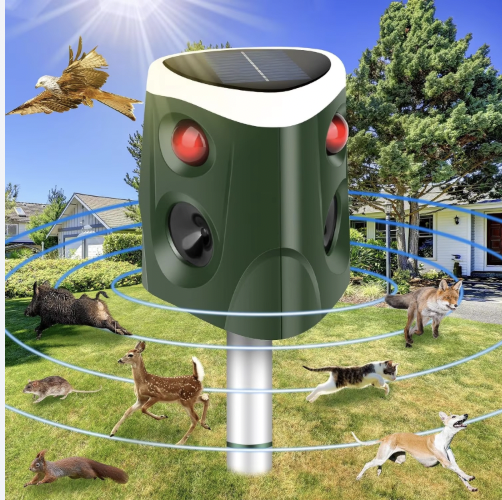
Solar-powered animal repeller systems have become increasingly popular due to their efficiency and cost savings. These systems harness solar energy to operate, making them a sustainable choice for long-term pest control. Companies like PestAway are leveraging this technology and experiencing significant market success by providing environmentally friendly solutions. This eco-friendly approach aligns with a growing consumer interest in renewable energy solutions, as evidenced by statistical trends indicating the rise of solar-powered pest control devices.

Ultrasonic Frequency Innovations

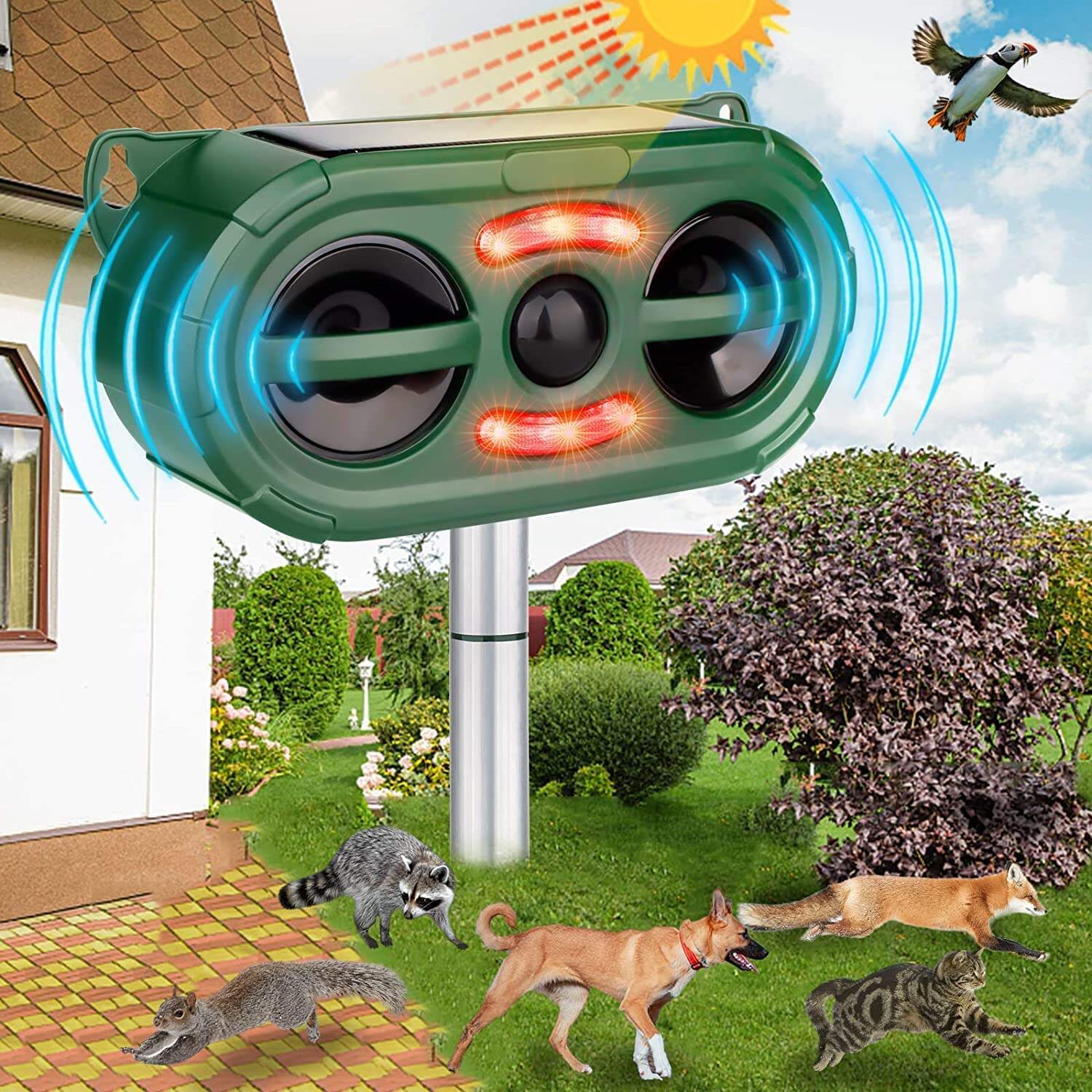
Advancements in ultrasonic technology have revolutionized the pest control industry, particularly in the animal repeller category. These systems utilize high-frequency sound waves to deter animals, ensuring a non-invasive method of pest control. Successful implementations have been seen with products like SonicGuard, which effectively repel pests without harming them. Consumer feedback highlights the effectiveness of these systems, noting a substantial decrease in animal intrusions.

Biodegradable Material Integration

The integration of biodegradable materials into animal repellers marks a significant shift towards eco-friendly product development. These materials enhance the environmental sustainability of repellents by reducing landfill waste. The impact on brand perception among eco-conscious consumers is remarkably positive, with these products being seen as innovative and responsible. Evidence supports the advantages of biodegradable materials, including reduced ecological footprints and improved consumer trust.

Policy Mandates Driving Eco-Friendly Market Transformation

Challenges in Sustainable Pest Control Adoption

Cost Barriers for Green Technologies

The transition to sustainable pest control technologies is often hindered by financial constraints. Businesses face significant challenges due to the higher upfront costs of eco-friendly methods compared to traditional pest control solutions. For instance, investing in green technologies often requires substantial capital, which can pose a problem for small businesses operating on tight budgets. Comparative analyses have shown that while eco-friendly solutions may have higher initial costs, they can lead to long-term savings and provide a better return on investment. However, overcoming these cost barriers involves rethinking financial strategies. Experts suggest exploring financing options, seeking government incentives, and focusing on long-term cost benefits to dismantle these financial hurdles and promote the adoption of sustainable pest control solutions.

Consumer Education Gaps

There remains a significant gap in consumer knowledge regarding the advantages of using eco-friendly pest control products. Many consumers are unaware of how these products benefit the environment and their personal health, leading to a slower market adoption rate. Strategies to improve consumer education include engaging educational campaigns, leveraging social media to spread awareness, and collaborating with thought leaders to endorse sustainable solutions. A correlation exists between consumer education and purchasing behavior; statistics indicate that informed consumers are more likely to choose eco-friendly options. By implementing effective awareness strategies, we can bridge the knowledge gap and encourage more sustainable purchasing decisions.

Durability Concerns in Eco-Repellers

Consumers often express concerns about the durability and effectiveness of eco-friendly animal repellents. Many apprehend that these products may not last long or perform as efficiently as their traditional counterparts. However, case studies within the eco-repeller market have demonstrated durability successes, with some brands producing products that withstand lifecycle challenges. According to experts, enhancing the durability of eco-friendly products involves rigorous testing and innovation in materials engineering. By addressing these concerns through transparent communication and product demonstrations, manufacturers can boost consumer confidence and drive greater market acceptance of eco-repellers.

Future Projections for Green Market Leadership

2030 Market Dominance Forecasts

Projecting towards 2030, the eco-friendly market is anticipated to experience substantial growth driven by evolving consumer preferences and supportive regulatory frameworks. Industry forecasting reports suggest that the green market will see significant expansion in response to heightened demand for sustainable products and practices. A comparative analysis with past growth trends reveals an accelerating trajectory, underscoring the optimistic outlook for this sector. Key influencers contributing to this upward trend include increased government policies championing environmental consciousness and a noticeable shift in consumer attitudes towards sustainable options. These propelling factors highlight the robust nature of the eco-friendly sector as it moves towards market dominance by 2030.

Policy-Driven R&D Investment Trends

Recent trends indicate a marked increase in research and development (R&D) funding directed towards environmentally friendly technologies. Various companies are adapting their R&D strategies in response to government policy shifts, accelerating investments in eco-initiatives. Notable case studies from industry leaders illustrate how policy-driven funding allocations have effectively boosted innovation in green technologies. For instance, the sustainable construction materials sector has seen companies invest heavily in R&D following governmental incentives, which are encouraging breakthroughs in eco-friendly product development. Supporting facts from government reports highlight the significant role of policy changes in shaping these investment trends, enhancing the eco-friendly technology market.

Circular Economy Integration Strategies

The integration of circular economy strategies is becoming increasingly significant in the eco-friendly market, offering sustainable solutions and long-term benefits. Understanding circular economy concepts involves recognizing practices that promote reuse, recycling, and waste minimization. Several organizations have successfully implemented these strategies, demonstrating their efficacy in fostering sustainability. Evidence suggests that circular economy approaches not only enhance resource efficiency but also contribute to the financial sustainability of businesses by reducing costs associated with virgin materials. As the eco-friendly market evolves, incorporating circular economy strategies is proving vital for achieving sustainability goals and market leadership.

FAQ

What role do global regulatory frameworks play in the eco-friendly market?

Global regulatory frameworks, such as the Paris Agreement, set targets for reducing carbon emissions and encouraging sustainable practices, thereby fostering a competitive eco-friendly market.

How do tax incentives and certifications affect businesses?

Tax incentives make it economically attractive for businesses to adopt sustainable practices, while certifications like LEED and ENERGY STAR enhance credibility and consumer trust.

What's the significance of eco-labels in consumer buying decisions?

Eco-labels significantly influence consumer buying decisions by providing credibility and assurance, leading to increased sales for labeled products.

Why are solar-powered repeller systems popular in pest control?

Solar-powered animal repeller systems are popular due to their efficiency, cost savings, and alignment with consumer interests in renewable energy solutions.

What are the challenges in adopting sustainable pest control technologies?

Cost barriers, consumer education gaps, and concerns about durability are significant challenges in the adoption of sustainable pest control technologies.

View More
What Are the Advantages of Mouse Repellers for Eco-Friendly Pest Control?

15

Aug

What Are the Advantages of Mouse Repellers for Eco-Friendly Pest Control?

What Are the Advantages of Mouse Repellers for Eco-Friendly Pest Control?

Rodent infestations are among the most common and frustrating problems faced by homeowners, farmers, and businesses alike. Mice are small but highly destructive, capable of damaging property, contaminating food, and spreading disease. Traditional control methods often involve toxic poisons, lethal traps, and chemical deterrents. While these may work, they can also harm non-target animals, endanger pets, and pollute the environment.

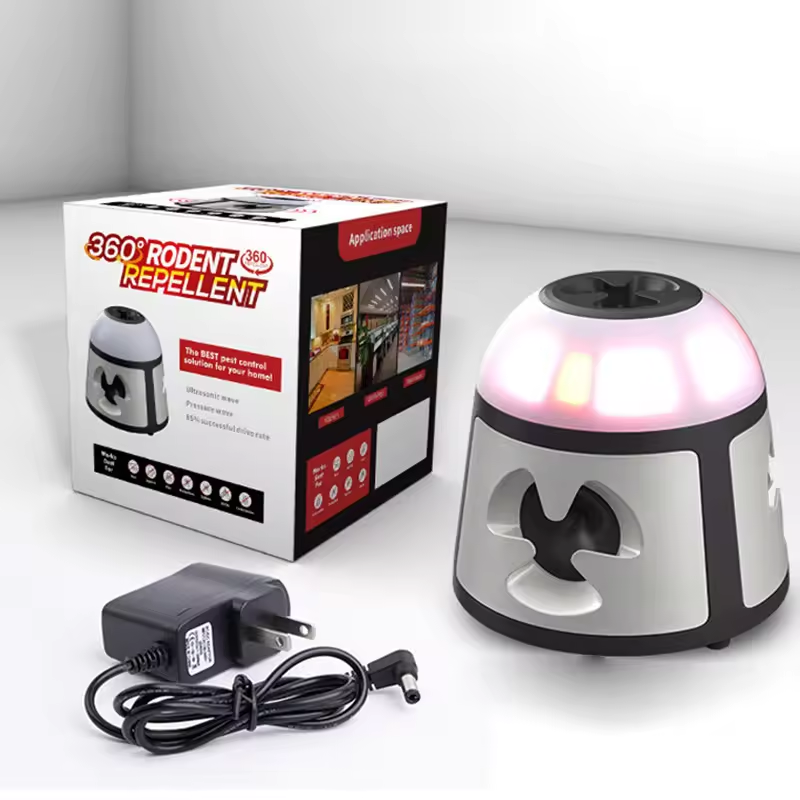
For those seeking a safer and more sustainable alternative, Animal Repellers — specifically mouse repellers — offer an eco-friendly solution. Using advanced technology to deter rodents without harming them, these devices are quickly becoming a preferred option for households and eco-conscious pest control professionals.

This article examines the key advantages of using mouse repellers as part of a sustainable pest management strategy, explaining how they work, why they are effective, and how they fit into broader environmental goals.

Understanding Animal Repellers for Rodent Control

Animal Repellers are devices that discourage pests from entering or remaining in a given area. Mouse repellers are a specific type of Animal Repeller designed to target rodents such as mice and rats. They typically work by emitting ultrasonic sound waves, electromagnetic pulses, vibrations, or even light patterns that are unpleasant or disorienting to rodents but harmless to humans and most pets.

Unlike traps or poisons, mouse repellers do not aim to kill the rodents. Instead, they make the environment uncomfortable for them, prompting the animals to leave voluntarily and seek shelter elsewhere.

How Mouse Repellers Work

Mouse repellers employ various deterrence methods, each with its own strengths:

  • Ultrasonic Technology: Emits high-frequency sound waves above the range of human hearing, causing discomfort and confusion in rodents.

  • Electromagnetic Pulses: Alters the electromagnetic field within walls, disrupting rodent communication and navigation.

  • Vibration-Based Repellers: Create subtle ground vibrations that simulate the presence of predators or disturbances.

  • Combined Systems: Use multiple deterrent types together for increased effectiveness.

These approaches are non-lethal and avoid direct confrontation, making them suitable for homes, offices, warehouses, barns, and even outdoor garden areas.

Advantages of Mouse Repellers for Eco-Friendly Pest Control

1. Humane and Non-Lethal

One of the primary benefits of mouse repellers is their humane approach. Rather than killing rodents, they drive them away through discomfort. This approach is better aligned with ethical wildlife management, as it avoids unnecessary suffering and preserves the natural balance of ecosystems.

2. No Harmful Chemicals

Traditional rodenticides can cause secondary poisoning, where predators such as owls, hawks, or domestic pets ingest poisoned rodents and become sick or die. By contrast, Animal Repellers for mice rely on physical or sensory deterrents without introducing toxins into the environment.

This is particularly important in agricultural or food-handling environments, where chemical contamination poses health and regulatory risks.

3. Safe for Children and Pets

Because mouse repellers do not use poison or snap traps, they are safe to use in households with young children or pets. Most ultrasonic and electromagnetic devices are designed so that the frequencies used are not audible or harmful to dogs, cats, and other domestic animals.

What Are the Advantages of Mouse Repellers for Eco-Friendly Pest Control?

4. Continuous Protection

Once installed, a mouse repeller operates around the clock, providing constant protection without the need to reset traps or replace bait. Many models are energy-efficient and require minimal maintenance, making them cost-effective over time.

5. Preventative Action

Unlike traps, which only address rodents already inside, mouse repellers work as a preventative measure by discouraging rodents from entering in the first place. This proactive approach helps avoid infestations before they can start.

6. Versatility of Use

Animal Repellers for rodents can be placed in multiple environments — from residential kitchens and attics to commercial storage facilities, barns, and outdoor sheds. Weather-resistant models are suitable for gardens and outdoor storage areas where rodents are common.

7. Reduced Need for Professional Intervention

While pest control companies offer valuable services, regular treatments can be costly. Installing mouse repellers can reduce reliance on frequent professional visits, especially for minor or seasonal rodent problems.

8. Eco-Friendly Pest Management

Using mouse repellers supports a broader eco-friendly pest control strategy. They align with Integrated Pest Management (IPM) principles, which emphasize prevention, monitoring, and control methods that minimize risks to people and the environment.

9. Minimal Cleanup Required

With traditional traps or poisons, dead rodents must be removed and disposed of, which can be unpleasant and unsanitary. Mouse repellers avoid this issue entirely by preventing rodent deaths in the first place.

Limitations and How to Overcome Them

While mouse repellers have many advantages, they are not a one-size-fits-all solution. Some rodents may initially tolerate the devices, particularly if food sources are abundant. Effectiveness can vary depending on placement, frequency settings, and the severity of the infestation.

To maximize success:

  • Use repellers as part of a comprehensive pest management plan.

  • Eliminate food and water sources that attract rodents.

  • Seal gaps and entry points in walls, doors, and foundations.

  • Adjust device placement to target known rodent pathways.

Key Features to Look for in a Mouse Repeller

When selecting an Animal Repeller for mice, consider the following features:

  • Adjustable Frequency: Allows customization to target different rodent species.

  • Coverage Area: Ensure the device can cover the entire room or building section.

  • Power Source: Options include plug-in, battery, or solar-powered units.

  • Portability: Lightweight designs make it easy to move the device to problem areas.

  • Weather Resistance: For outdoor use, choose models designed to withstand rain, sun, and temperature changes.

  • Multi-Mode Operation: Combining ultrasonic, vibration, and light deterrents often increases effectiveness.

Integrating Mouse Repellers into a Sustainable Pest Control Plan

Mouse repellers work best when combined with good hygiene practices and exclusion techniques. This includes:

  • Storing food in sealed containers.

  • Regularly cleaning areas where crumbs or waste may accumulate.

  • Keeping outdoor spaces tidy to reduce nesting sites.

  • Inspecting and maintaining buildings to prevent new entry points.

By integrating these methods, property owners can create a long-term, eco-friendly defense against rodents without resorting to harmful chemicals.

Environmental Benefits of Animal Repellers

Using Animal Repellers for rodent control contributes to environmental preservation in several ways:

  • Reducing chemical pollution in soil and water.

  • Preventing accidental poisoning of non-target species.

  • Supporting biodiversity by avoiding the mass killing of wildlife.

  • Lowering the carbon footprint compared to manufacturing, transporting, and disposing of chemical pest control products.

Future Innovations in Mouse Repeller Technology

As demand for safe and eco-friendly pest control grows, manufacturers are developing more advanced Animal Repellers. Potential future features include:

  • AI-Based Detection: Identifying rodent species and adapting frequency automatically.

  • Smart Connectivity: Mobile apps to monitor device performance and rodent activity.

  • Energy Storage Integration: Combining solar panels with rechargeable batteries for off-grid use.

  • Targeted Multi-Species Repelling: Configurations that adjust settings to deter not only mice but also other common pests without affecting beneficial wildlife.

Conclusion

Mouse repellers represent a significant step forward in eco-friendly pest control. As a category of Animal Repellers, they provide a humane, non-toxic, and continuous deterrent against rodents, reducing the risks associated with traditional poisons and traps. By preventing infestations before they begin, these devices save time, reduce costs, and help protect the environment.

For households, farms, and businesses that want to align with sustainable practices, mouse repellers are an excellent investment. When combined with sound hygiene, structural maintenance, and other Integrated Pest Management strategies, they offer a comprehensive and eco-conscious approach to keeping properties rodent-free.

As technology advances, Animal Repellers will continue to become more efficient, customizable, and user-friendly, further enhancing their role in protecting both property and the planet.

FAQ

Do mouse repellers work instantly?

Results vary, but many users notice reduced rodent activity within a few days to two weeks as the animals leave the treated area.

Will mouse repellers affect my pets?

Most are safe for cats, dogs, and larger animals, but always check the manufacturer’s guidelines before use.

Can I use mouse repellers outdoors?

Yes, but choose weatherproof models designed for outdoor use to ensure durability.

Do I need multiple devices for larger spaces?

For best results in large or multi-room buildings, place a repeller in each affected area.

Are mouse repellers energy-efficient?

Most modern units consume very little power, and solar-powered models offer an even greener option.

View More

Get a Free Quote

Our representative will contact you soon.
Email
Name
Company Name
What is the minimum order quantity you expect
Message
0/1000

flying insect trap

Advanced UV-LED Light Technology for Maximum Attraction

Advanced UV-LED Light Technology for Maximum Attraction

The cornerstone of effective flying insect trap performance lies in advanced UV-LED light technology that harnesses the natural phototropic behavior of flying insects. This sophisticated illumination system represents a quantum leap forward from traditional fluorescent bulbs, delivering superior attraction power while consuming significantly less energy. The flying insect trap utilizes specifically calibrated UV-A wavelengths ranging from 350 to 400 nanometers, precisely targeting the visual spectrum that proves most irresistible to flies, mosquitoes, moths, and other flying pests. Scientific research demonstrates that insects possess heightened sensitivity to these particular light frequencies, making the flying insect trap exponentially more effective than generic lighting solutions. The LED technology incorporated into modern flying insect trap designs offers remarkable longevity, typically lasting 10,000 to 50,000 hours compared to fluorescent alternatives that require frequent replacement. This extended lifespan translates into substantial cost savings and reduced maintenance requirements, making the flying insect trap an economically superior choice for long-term pest management. The consistent light output ensures unwavering attraction power throughout the LED lifecycle, maintaining peak performance without gradual degradation that affects older technologies. Energy efficiency represents another critical advantage of UV-LED flying insect trap systems. These devices consume up to 80 percent less electricity than comparable fluorescent models, resulting in lower utility bills and reduced environmental impact. The low heat generation of LED technology prevents the flying insect trap from becoming uncomfortably warm during extended operation, enabling safe deployment in various indoor environments. Advanced flying insect trap models incorporate multiple LED arrays positioned strategically to create optimal light distribution patterns. This multi-directional illumination expands the effective capture zone, ensuring insects approaching from various angles encounter the attractive light signals. Some premium flying insect trap units feature programmable light cycles that adjust intensity and timing based on target species behavior patterns, maximizing capture efficiency during peak activity periods while conserving energy during low-activity intervals.
Innovative Capture Mechanisms for Complete Elimination

Innovative Capture Mechanisms for Complete Elimination

Modern flying insect trap systems employ sophisticated capture mechanisms designed to ensure complete elimination of attracted pests without allowing escape opportunities. The innovative engineering behind these capture systems represents years of research into insect behavior patterns and flight characteristics, resulting in highly effective containment solutions. Traditional flying insect trap models utilize high-quality adhesive boards strategically positioned behind protective grids to prevent accidental contact while maximizing insect capture surface area. These specially formulated glue cards maintain optimal stickiness across wide temperature ranges, ensuring reliable performance in various environmental conditions. The flying insect trap adhesive technology resists drying out or becoming ineffective due to humidity fluctuations, maintaining consistent capture rates throughout the replacement cycle. Advanced flying insect trap designs incorporate powerful suction fans that create controlled airflow patterns, drawing insects toward capture chambers once they approach the light source. This active capture mechanism proves particularly effective for larger flying insects that might otherwise escape traditional sticky board systems. The fan-assisted flying insect trap generates sufficient airflow to overcome insect flight capabilities while remaining energy-efficient and quiet during operation. Some premium models combine multiple capture methods within a single flying insect trap unit, utilizing both adhesive retention and suction collection to maximize effectiveness across diverse insect species. This dual-mechanism approach ensures that insects with varying flight patterns and escape behaviors face multiple containment challenges, significantly improving overall capture success rates. The flying insect trap collection chamber design facilitates easy disposal of captured insects without requiring direct contact, maintaining hygiene standards essential for food service and healthcare environments. Escape-proof construction prevents any possibility of insects regaining freedom once captured, eliminating concerns about partial effectiveness that plague some alternative pest control methods. The transparent viewing windows incorporated into many flying insect trap models allow users to monitor capture progress and determine optimal replacement timing without disrupting device operation. This visibility feature helps optimize maintenance schedules while providing visual confirmation of the flying insect trap performance, building user confidence in the pest control solution.
Versatile Applications Across Diverse Environments

Versatile Applications Across Diverse Environments

The remarkable versatility of flying insect trap technology enables successful deployment across an extensive range of environments, from intimate residential settings to large-scale commercial and industrial facilities. This adaptability stems from carefully engineered design principles that accommodate varying space requirements, aesthetic preferences, and operational demands while maintaining consistent pest control effectiveness. Residential flying insect trap applications span indoor and outdoor spaces, providing homeowners with flexible solutions for different pest challenges. Kitchen installations help eliminate fruit flies and other food-attracted insects, while patio-mounted units create comfortable outdoor entertaining areas free from mosquito and gnat interference. The flying insect trap design aesthetics blend seamlessly with modern home decor, avoiding the industrial appearance that characterizes many commercial pest control devices. Bedroom and living area installations operate silently, ensuring family comfort while providing continuous protection against nocturnal flying insects. Commercial foodservice establishments rely heavily on flying insect trap systems to maintain health department compliance and protect customer satisfaction. Restaurant kitchens, bakeries, and food processing facilities deploy multiple flying insect trap units strategically positioned to create comprehensive protection zones around food preparation and storage areas. The chemical-free operation of flying insect trap technology eliminates contamination risks associated with spray treatments, making it ideal for environments where food safety represents paramount concern. Healthcare facilities including hospitals, clinics, and nursing homes utilize flying insect trap systems to maintain sterile environments essential for patient care. These medical environments require pest control solutions that avoid chemical exposure risks while providing reliable protection against disease-carrying insects. The flying insect trap technology meets these stringent requirements through safe, effective operation that complements infection control protocols. Educational institutions deploy flying insect trap units in cafeterias, laboratories, and outdoor spaces to create comfortable learning environments free from flying pest distractions. The quiet operation and safety features make flying insect trap technology particularly suitable for schools where student and staff well-being requires careful consideration. Industrial applications include warehouses, manufacturing facilities, and agricultural buildings where flying insect trap systems protect valuable inventory and maintain sanitary conditions required for various production processes. The robust construction and reliable performance of commercial-grade flying insect trap models ensure consistent operation in demanding industrial environments where equipment failure could result in significant economic consequences.

Get a Free Quote

Our representative will contact you soon.
Email
Name
Company Name
What is the minimum order quantity you expect
Message
0/1000