Ultimate Mole Repeller Guide: Solar-Powered Pest Control Solutions for Your Property

All Categories

Get a Free Quote

Our representative will contact you soon.
Email
Name
Company Name
What is the minimum order quantity you expect
Message
0/1000

mole repeller

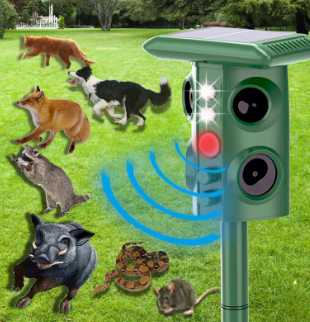
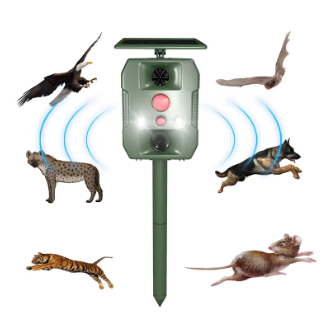
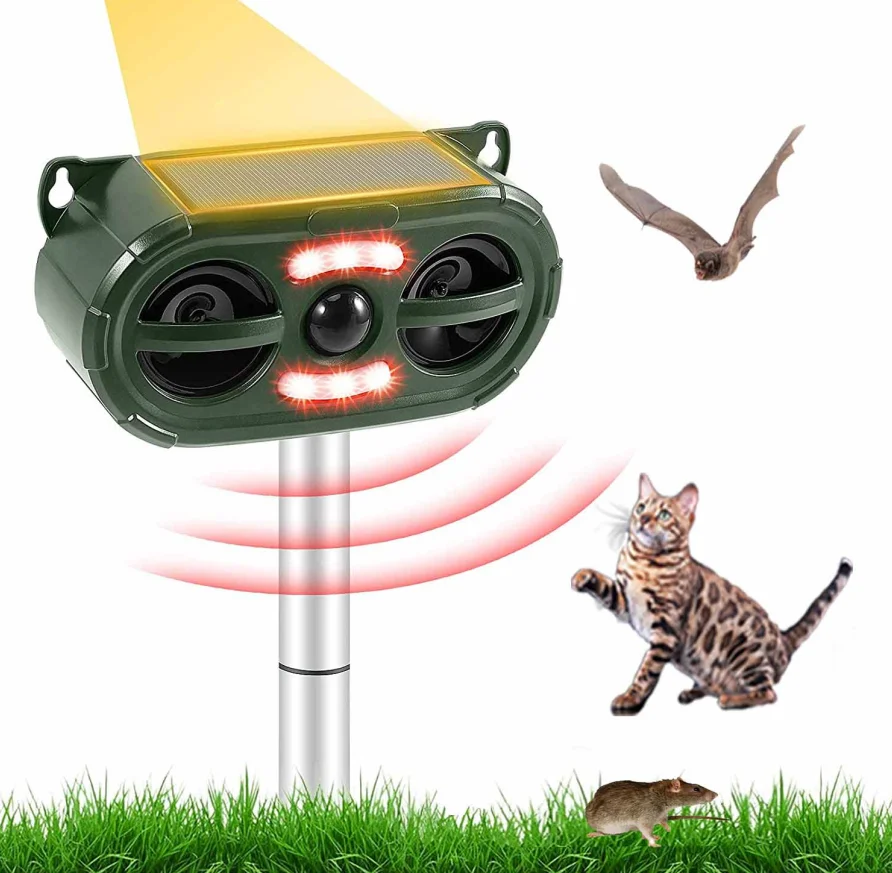
The mole repeller represents a cutting-edge solution designed to address persistent underground pest problems through advanced sonic and vibration technology. This innovative device operates by emitting specific frequency patterns that create an inhospitable environment for moles, voles, gophers, and other burrowing rodents without causing harm to pets, humans, or beneficial garden wildlife. The primary function of a mole repeller centers on generating low-frequency sound waves and ground vibrations that penetrate deep into soil layers, effectively disrupting the natural behavior patterns of underground pests. Modern mole repeller units incorporate sophisticated microprocessor technology that automatically varies frequency emissions, preventing pests from adapting to consistent sound patterns. The technological framework includes weather-resistant housing constructed from durable ABS plastic materials, ensuring reliable performance across diverse environmental conditions. Solar-powered models feature high-efficiency photovoltaic panels coupled with rechargeable battery systems, providing continuous operation without external power sources. Advanced mole repeller designs integrate multiple emission modes, combining ultrasonic frequencies, subsonic vibrations, and electromagnetic pulse technology for comprehensive pest deterrence. The application scope extends across residential lawns, commercial landscapes, agricultural fields, golf courses, parks, and recreational areas where underground pest activity creates significant damage. Professional-grade mole repeller systems offer expanded coverage areas, typically protecting zones ranging from 4,000 to 15,000 square feet depending on soil composition and environmental factors. Installation procedures remain straightforward, requiring minimal technical expertise while delivering maximum effectiveness through strategic placement protocols. The operational mechanism relies on creating stress responses in target pests, encouraging natural migration away from treated areas rather than elimination methods that might affect ecosystem balance.

New Product Releases

The mole repeller delivers exceptional value through its environmentally conscious approach to pest management, eliminating the need for toxic chemicals, dangerous traps, or harmful baits that pose risks to children, pets, and beneficial wildlife. This humane method works by encouraging natural pest relocation rather than causing injury or death, making it an ethical choice for conscientious property owners who prioritize environmental stewardship. Cost-effectiveness represents another significant advantage, as a single mole repeller unit provides years of reliable service without ongoing expenses associated with traditional pest control methods like replacement traps, chemical treatments, or professional extermination services. The solar-powered functionality ensures continuous operation without increasing electricity bills, while durable construction materials guarantee long-term performance even under harsh weather conditions. Installation simplicity allows homeowners to begin protection immediately without requiring professional assistance, specialized tools, or complex setup procedures that often accompany alternative pest control systems. The mole repeller operates silently from human perspective, producing no disturbing noise pollution while effectively communicating with underground pests through targeted frequency ranges specifically designed to influence their behavior patterns. Safety advantages include complete elimination of accidental poisoning risks, trap-related injuries, or exposure to harmful chemicals that traditional methods often introduce to residential environments. The device provides 24-hour protection automatically, requiring no daily monitoring, bait replacement, or maintenance activities that demand time and attention from busy property owners. Weather resistance ensures consistent performance throughout seasonal changes, from freezing winter temperatures to intense summer heat, maintaining protective coverage when pest activity typically increases. Coverage efficiency allows single units to protect substantial areas, reducing the number of devices needed compared to trap-based systems that require multiple units for equivalent protection zones. The technology prevents property damage caused by tunneling activities, preserving lawn aesthetics, garden health, and landscape investments while maintaining natural soil structure and drainage patterns essential for healthy plant growth.

Tips And Tricks

The Best Bug Zappers for Your Home and Garden

17

Sep

The Best Bug Zappers for Your Home and Garden

Effective Solutions for a Bug-Free Home and Garden

Bug zappers have become essential tools for maintaining a comfortable and pest-free environment in homes and gardens. These devices use ultraviolet light to attract flying insects and eliminate them quickly, ensuring that your outdoor spaces remain enjoyable throughout the year. The increasing popularity of bug zappers reflects their efficiency, safety, and convenience, allowing families to spend more time outdoors without worrying about bites or buzzing insects.

Bug zappers are not only useful for backyards but also ideal for patios, decks, gardens, and even indoor spaces where flying insects can become a nuisance. Their innovative design ensures that insects are effectively attracted and neutralized without harmful chemicals, making them a safe choice for households with children and pets. The combination of durability, performance, and ease of use makes bug zappers a highly recommended addition to any home or garden setup.

Understanding the Technology Behind Bug Zappers

How Bug Zappers Work

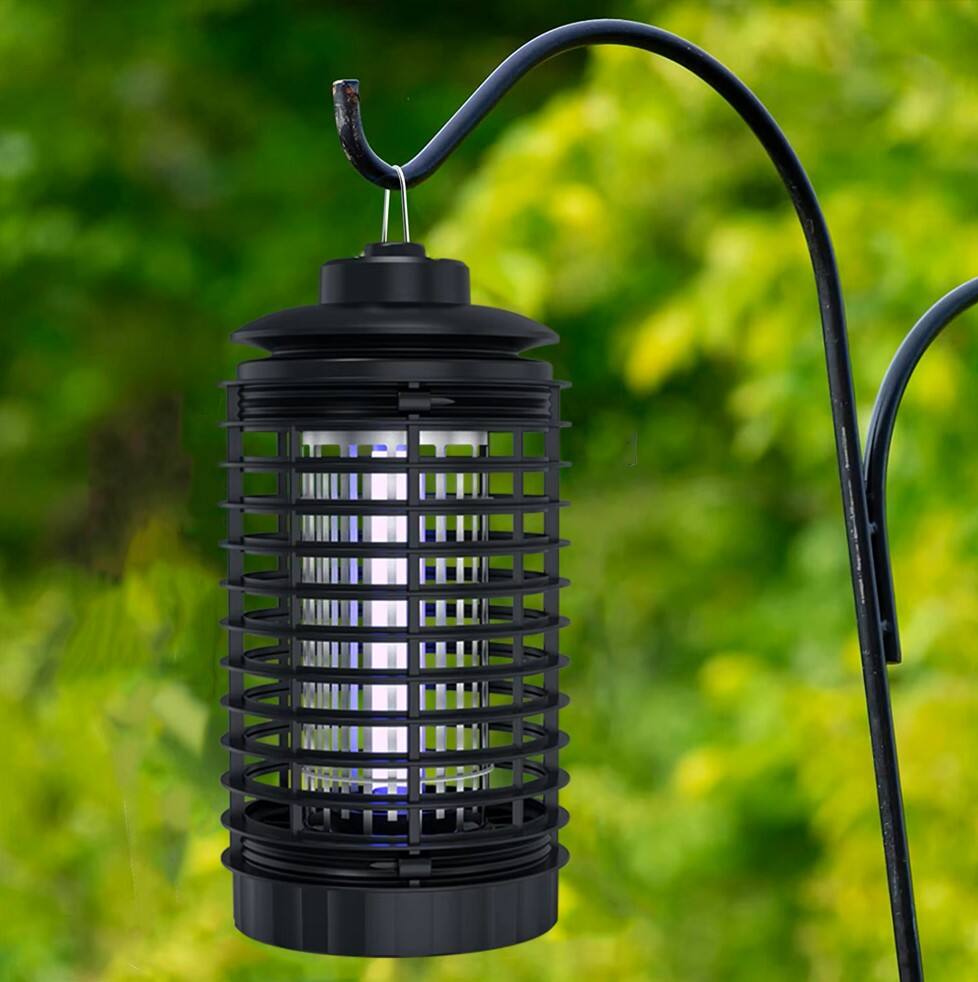
Bug zappers operate using ultraviolet light to lure insects toward the device. Once the insects approach, they come into contact with an electrified grid that eliminates them instantly. This method is chemical-free, reducing the risk of harmful residues in your home or garden. The effectiveness of bug zappers relies on their design, wattage, and the placement of the device, which can significantly influence how many insects are captured.

Key Features to Look For

When selecting bug zappers, consider factors such as coverage area, durability, energy efficiency, and safety features. Many modern bug zappers offer weatherproof designs suitable for outdoor use, while others are compact and ideal for indoor spaces. Additional features, such as detachable trays for easy cleaning and adjustable light intensity, enhance the convenience of using these devices.

Benefits of Using Bug Zappers in Outdoor Spaces

Protection Against Bites and Irritation

One of the primary advantages of bug zappers is the prevention of insect bites, which can cause irritation, allergic reactions, and even transmit certain diseases. By strategically placing bug zappers in your backyard or garden, you can create a safe environment for children, pets, and adults to enjoy outdoor activities without constant interruptions from insects.

Maintaining Clean Outdoor Areas

Bug zappers also contribute to a cleaner outdoor environment by reducing the number of flying insects in your garden or patio. Fewer insects mean less mess from bugs landing on food, furniture, or other surfaces. This makes hosting outdoor gatherings and family activities much more pleasant and hygienic, ensuring everyone can relax without concerns about pests.

Choosing the Right Bug Zapper for Your Home

Evaluating Coverage and Capacity

Bug zappers vary in size, light intensity, and effective coverage areas. It is important to choose a device that matches the size of your outdoor space. For larger gardens, multiple units or higher-wattage models may be necessary to maximize insect elimination. Smaller patios or balconies may only require a compact model with moderate coverage.

Considering Durability and Weather Resistance

Outdoor bug zappers must withstand various weather conditions, including rain, wind, and temperature fluctuations. Choosing a durable, weather-resistant device ensures long-term performance and reduces the need for frequent replacements. Materials such as high-quality plastics and corrosion-resistant metals are ideal for outdoor bug zappers.

Installation Tips for Maximum Efficiency

Optimal Placement

The effectiveness of bug zappers depends largely on their placement. Positioning the device away from high-traffic areas but close to zones where insects gather increases efficiency. For outdoor spaces, hanging bug zappers at a height of 5–7 feet is generally recommended to attract the maximum number of flying insects.

Maintenance Practices

Regular maintenance is essential for ensuring bug zappers perform at their best. Emptying the collection tray, cleaning the electrified grid, and inspecting the light bulbs for proper operation are key steps. Proper maintenance not only prolongs the device’s lifespan but also ensures continuous protection against flying insects in your home and garden.

Safety and Eco-Friendly Advantages

Chemical-Free Insect Control

Bug zappers provide an environmentally friendly alternative to chemical insecticides, which can be harmful to both humans and pets. The use of ultraviolet light to eliminate insects eliminates the need for toxic sprays or repellents, making bug zappers a safer choice for everyday use.

Safe for Families and Pets

Most bug zappers are designed with protective casings that prevent accidental contact with the electrified grid. This ensures that children and pets can enjoy outdoor activities without risk, combining effective insect control with peace of mind for homeowners.

Advanced Features in Modern Bug Zappers

Adjustable Lighting Options

Many modern bug zappers offer adjustable lighting options to increase attraction rates for specific types of insects. By tailoring the light spectrum, users can target mosquitoes, flies, and other common pests more efficiently. Adjustable lighting also allows for energy-saving modes, reducing electricity consumption while maintaining effective insect control.

Integration with Outdoor Decor

Contemporary bug zappers often feature aesthetically pleasing designs that blend seamlessly with outdoor furniture and garden decor. This ensures that your insect control solution does not compromise the visual appeal of your home or garden while providing high performance.

Enhancing Outdoor Enjoyment with Bug Zappers

Ideal for Outdoor Gatherings

Bug zappers are particularly useful during outdoor events, such as family barbecues, garden parties, or evening gatherings on patios and decks. By minimizing the presence of flying insects, these devices create a comfortable environment where guests can relax, dine, and socialize without the annoyance of buzzing pests.

Complementing Other Pest Control Methods

While bug zappers are highly effective, they can also be combined with other eco-friendly pest control methods, such as citronella candles or natural repellents. This multi-layered approach ensures comprehensive protection and enhances the overall comfort of your outdoor spaces.

FAQ

What areas are best suited for bug zappers

Can bug zappers be used indoors

Yes, certain models of bug zappers are designed for indoor use. Compact indoor versions are effective in kitchens, living rooms, or other spaces where flying insects are present.

How often should bug zappers be cleaned

Regular cleaning is recommended, typically once a week for heavily used devices. Emptying collection trays and wiping down the grid ensures optimal performance and hygiene.

Are bug zappers safe for children and pets

Yes, most modern bug zappers include protective casing and safety features to prevent accidental contact with the electrified grid, making them safe for use around children and pets.

Do bug zappers work on all types of flying insects

Bug zappers are most effective against flying insects attracted to ultraviolet light, such as mosquitoes, flies, and gnats. While they reduce the presence of other insects, some species may be less responsive to UV attraction.
View More
Solar Animal Repellents: The Ideal Solution for Organic Farms

13

Jun

Solar Animal Repellents: The Ideal Solution for Organic Farms

Understanding Solar Animal Repellents for Organic Farms

The Growing Need for Eco-Friendly Pest Control

Sustainable farming practices have become essential due to environmental concerns and changing consumer preferences. The organic agriculture sector, as reported by the Organic Trade Association, has witnessed significant growth over the past decade, driven by a demand for cleaner products. To maintain such practices, minimizing chemical usage is crucial. Traditional synthetic pesticides can harm beneficial insects, soil health, and local wildlife. This situation underscores the interest in eco-friendly alternatives like solar animal repellents, which provide a non-toxic solution for pest control, aiding organic farmers in aligning with eco-friendly goals.

Core Principles of Solar-Powered Animal Repellents

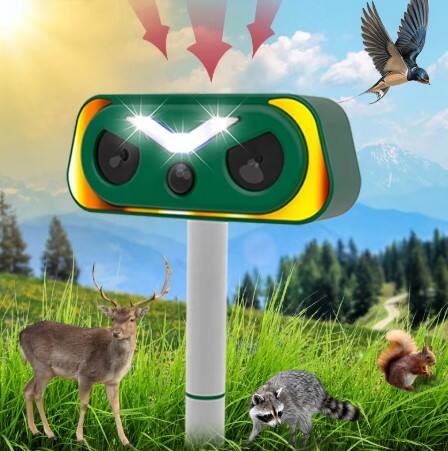
Solar-powered animal repellents provide an innovative solution leveraging renewable energy sources. These devices operate independently of external electricity, ensuring long-term cost efficiency and consistently addressing pest issues without interruption. Their mechanism involves using the natural behaviors of animals, alongside ultrasonic technology, to effectively deter pests from infringing on farm areas. This technology does not cause harm, making it particularly appealing to organic farmers focused on ethical and sustainable practices.

Why Traditional Methods Fall Short for Organic Farming

Traditional pest control methods often fail to align with the principles of organic farming. Chemical pesticides, while effective initially, do not adhere to organic certifications and can lead to severe consequences, including pests developing resistance. According to various studies, continuous use increases application rates, which in turn harms non-target species and depletes soil health. Organic farms face the challenge of balancing pest control with ecological safety, making solar repellents more suitable than traditional pesticides for long-term sustainability and efficiency in pest management.

How Solar-Powered Animal Repellents Work

Harnessing solar energy for continuous operation

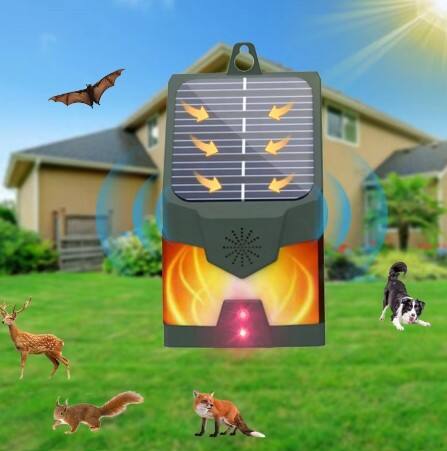
Solar panels are a crucial component of solar-powered animal repellents, providing a consistent and renewable energy source in remote areas lacking access to traditional power systems. This continuous operation ensures that the repellents are effective day and night, making them highly suitable for agricultural settings where pests may strike at any time. Besides their efficiency and reliability, the use of solar energy in these devices offers significant economic advantages by reducing the operational costs associated with electricity. Moreover, opting for solar-powered systems aligns with sustainable farming practices, contributing positively to environmental conservation by minimizing carbon footprints.

Motion sensor technology: Detecting intruders intelligently

Motion sensor technology enhances solar animal repellents by intelligently detecting the presence of animals and triggering deterrent mechanisms only when necessary. These sensors prevent unnecessary emissions, conserving energy and extending the lifespan of the devices. By focusing solely on detected intrusions, the systems offer targeted deterrence which minimizes disruptions to ecosystems and protects non-target wildlife from interference. This approach not only supports organic farming principles but is also economically beneficial as it reduces the need for constant human supervision and intervention.

Ultrasonic frequencies: Nature-friendly deterrent system

Utilizing ultrasonic frequencies, solar animal repellents offer a nature-friendly deterrent system that effectively causes discomfort to invading animals without causing harm. These frequencies are inaudible to humans, ensuring that their usage doesn't disturb residents or workers in close proximity. According to research, ultrasonic technology aligns with humane solutions, reinforcing the principles of organic farming by deterring pests without inflicting physical harm. As farms aim to preserve a balance in the local ecosystem, solar-powered repellents serve as eco-friendly and efficient alternatives that maintain harmony between agriculture and wildlife.

Critical Features for Effective Solar Repellents

Adjustable Frequency Ranges for Different Pests

One critical feature in effective solar repellents is their adjustable frequency settings. This capability is essential because it allows the device to be tailored to address a variety of pests, ranging from rodents to deer and birds. Different species respond uniquely to specific frequencies; thus, a one-size-fits-all approach is often ineffective. By adjusting frequencies, users can enhance the efficiency of the repellents, targeting the particular pests that are prevalent in their area. This adaptability ensures a higher success rate in deterring unwanted animals and minimizes the need for additional pest control measures.

Self-Charging Capabilities and Battery Backup

Solar repellents' self-charging capabilities represent a significant advancement in pest control technology. These devices use solar panels to harness energy from sunlight, leading to a reliable and consistent operation even in regions with unpredictable weather. This is crucial for maintaining functionality at all hours, as solar panels alone may not suffice during cloudy days or nighttime. Therefore, the integration of a battery backup system ensures that the repellent remains active, providing uninterrupted protection against pest intrusions. This not only enhances their performance but also contributes to their longevity and dependability in diverse environmental conditions.

Multi-Sensory Deterrent Combinations (Light/Sound/Vibration)

The use of multi-sensory deterrent combinations, including light, sound, and vibration, is another effective strategy for repelling animals. This method creates a comprehensive approach to pest deterrence by simultaneously targeting multiple senses of invading animals. The combined effects of these stimuli are more likely to repel pests compared to single-sensory triggers. In fact, numerous studies have shown that integrating various sensory cues can significantly improve the success rate of these systems. By producing overwhelming and unsettling experiences, these multi-sensory deterrents provide an efficient solution to preventing animal intrusion in farming environments.

Real-World Success Stories in Organic Agriculture

Case Study: Reducing Crop Loss in Citrus Orchards

One notable case study comes from a citrus orchard that implemented solar animal repellents, yielding impressive results. This farm reported a measurable reduction in pest-related crop loss over time, which was directly attributed to the strategic placement of these repellents throughout the orchard. The solar-powered devices effectively deterred pests such as birds and rodents, which are known to cause significant damage to citrus crops. As a result, the farm not only experienced increased yields but also saw a reduction in pest management costs, demonstrating the economic advantages of using these advanced repellents.

Protecting Grain Stores from Rodent Invasions

An inspiring example of using solar-powered animal repellents comes from a grain farmer who successfully protected his stores from rodent invasions. By forming a protective boundary using these eco-friendly devices, the farmer witnessed a significant decrease in rodent activity. Statistics from this initiative revealed improved functionality of grain storage, along with decreased instances of pest-related damage. This proactive approach not only preserved grain quality but also reduced financial losses associated with rodent infestations, showcasing the practical benefits of solar repellents in safeguarding valuable produce.

Safeguarding Vegetable Patches from Deer and Rabbits

Another compelling story is that of an organic vegetable farmer who faced frequent incursions from deer and rabbits, threatening their crop production. By installing solar repellers, the farmer successfully deterred these animals and protected the vegetable patches. A quantitative analysis of the farm's output before and after the system's installation revealed notable improvements in crop survival rates. The investment in solar repellents proved to be highly effective, serving as a robust solution for managing wildlife without resorting to harmful chemical repellents. These real-world success stories highlight the potential of solar animal repellents in significantly enhancing organic agricultural practices.

2(200da69f7a).jpg

Installation and Optimization Strategies

Ideal placement for maximum coverage

To maximize the effectiveness of solar repellents on your farm, strategic placement is crucial. You need to consider factors such as terrain and pest movement patterns when deciding where to install your solar repellents. For instance, placing these devices near entry points or areas where wildlife typically congregate can significantly enhance coverage.

  • Consider the terrain: Whether your farm is flat or hilly, understanding how pests move across the landscape helps in positioning the units effectively.
  • Entry points: Identify areas where animals typically enter the farm and install units closely.

By arranging multiple units to form a comprehensive perimeter, you can create a formidable barrier against uninvited visitors.

Combining units for large-scale farmland protection

Large-scale farms face diverse pest threats that require a more robust protection strategy. Combining multiple solar animal repellent units is an effective solution for safeguarding extensive farmland. Implementing an interconnected system increases their protection capabilities.

  • Strategic grouping: Create clusters of units at crucial points to ensure no area is left vulnerable to pests.
  • Case examples: Farms using a network of devices have reported notable reductions in crop damage.

This approach provides reinforced coverage, proving particularly beneficial in areas prone to multiple pest invasions.

Seasonal maintenance and performance checks

Routine checks and regular maintenance are vital to ensure your solar repellents remain effective throughout the year, especially with changing seasons. Neglecting these tasks can lead to decreased performance and increased pest activity.

  • Check functionality: Regularly verify that the solar panels and sensors are clean and in good working order.
  • Recommendations: Expert tips from agricultural extension services emphasize seasonal maintenance before major weather shifts to ensure uninterrupted performance.

Following these guidelines will ensure that your solar animal repellents continue to protect your farm reliably, safeguarding your crops from pests year-round.

FAQ

What are solar animal repellents? Solar animal repellents are devices that use solar energy to power mechanisms that deter animals from farm areas using ultrasonic sound or other methods.

Why are solar-powered repellents preferred for organic farming? They offer a non-toxic, sustainable solution to pest control that aligns with the principles of organic farming by minimizing environmental impact.

How do solar panels help in pest control? They provide a renewable energy source for devices that deter pests both day and night, making them cost-effective and environmentally friendly.

Can solar repellents deter different types of pests? Yes, many solar repellents offer adjustable frequency settings to target a variety of pests, including rodents, birds, and larger wildlife like deer.

What maintenance is required for solar animal repellents? Regular checks to ensure solar panels and sensors are functioning properly, alongside cleaning and occasional system updates, are vital for optimal performance.

View More
How Can Animal Repellers Protect Gardens and Lawns Without Harming Wildlife?

15

Aug

How Can Animal Repellers Protect Gardens and Lawns Without Harming Wildlife?

How Can Animal Repellers Protect Gardens and Lawns Without Harming Wildlife?

Gardens and lawns are often seen as peaceful sanctuaries — places to relax, grow plants, and enjoy nature. However, these green spaces are also highly attractive to various animals. Deer, rabbits, raccoons, birds, and even stray cats or dogs can cause significant damage to flowers, vegetables, turf, and ornamental plants.

While these animals play essential roles in the local ecosystem, they can quickly turn a thriving garden or lawn into a damaged and unappealing area. For years, gardeners have relied on fences, traps, and chemical repellents to address these problems, but these methods often harm wildlife, disrupt ecosystems, or require constant maintenance.

A better solution lies in the use of Animal Repellers — devices that deter animals using non-lethal, non-toxic, and environmentally conscious methods. These repellers can protect gardens and lawns while ensuring that local wildlife remains safe and unharmed.

Understanding How Animal Repellers Work

Animal Repellers are devices that create an environment that animals find unpleasant or unsafe, prompting them to move elsewhere. Importantly, they do this without causing injury or long-term harm. Common deterrent methods include:

  • Ultrasonic sound waves that are irritating to certain animals but inaudible to humans.

  • Flashing lights or strobe effects to startle nocturnal animals.

  • Motion-triggered water sprays that surprise and discourage animals from entering.

  • Scent-based repellents that mimic predator smells or other deterrent odors.

The main advantage of these methods is that they change animal behavior through aversion rather than force, ensuring both garden protection and wildlife preservation.

Why Animal Repellers Are Safer Than Traditional Methods

Traditional methods of animal control — such as lethal traps, poisons, or physical barriers — can harm animals directly or indirectly. For example:

  • Poisons can cause secondary poisoning in predators like owls and hawks.

  • Traps can injure non-target species, including pets.

  • Fencing can fragment habitats and block natural movement patterns.

Animal Repellers, on the other hand, create a deterrent environment while allowing animals to continue their natural roles in the ecosystem. This approach aligns with humane pest management principles and supports biodiversity.

image(99b9a8437f).png

Benefits of Using Animal Repellers in Gardens and Lawns

1. Humane Wildlife Deterrence

Animal Repellers do not injure or kill animals. Instead, they make specific areas less attractive or comfortable, prompting wildlife to move to safer feeding grounds without harm.

2. Reduced Chemical Usage

By relying on physical or sensory deterrents, Animal Repellers eliminate the need for chemical pesticides or deterrent sprays that can contaminate soil and water.

3. Continuous, Automated Protection

Many Animal Repellers are motion-activated and operate 24/7. This means they protect gardens and lawns even when the homeowner is away.

4. Customizable Deterrent Settings

Some Animal Repellers allow users to adjust sensitivity, frequency, or coverage area to target specific animals without affecting others.

5. Eco-Friendly Garden Management

By avoiding harmful substances and supporting non-lethal methods, Animal Repellers fit into sustainable gardening practices that preserve biodiversity.

Types of Animal Repellers and Their Applications

Ultrasonic Animal Repellers

Ultrasonic devices emit high-frequency sounds that are uncomfortable to animals but generally inaudible to humans. They are effective for deterring deer, rodents, and some birds.

Best for: Areas where quiet operation is preferred, such as residential gardens or lawns close to living spaces.

Motion-Activated Water Sprayers

These devices detect movement and release a sudden burst of water to startle the approaching animal.

Best for: Vegetable gardens, flower beds, and lawns where deer, rabbits, or cats are common intruders.

Light-Based Repellers

Flashing or strobe lights can deter nocturnal animals such as raccoons, skunks, and possums.

Best for: Nighttime protection in lawns and gardens.

Scent-Based Repellers

These use natural or synthetic odors that animals associate with predators or danger.

Best for: Areas where chemical-free, passive deterrence is needed, such as near edible plants or organic gardens.

Strategic Placement for Maximum Effectiveness

For Animal Repellers to work efficiently, placement is critical:

  • Near Entry Points: Install devices where animals typically enter, such as gaps in hedges or open lawn edges.

  • Close to Vulnerable Plants: Protect high-value crops or flower beds with direct coverage.

  • Multiple Units for Large Areas: Use more than one repeller for bigger gardens or lawns to ensure full coverage.

How Animal Repellers Maintain Ecological Balance

Gardens and lawns are often part of larger ecosystems, and removing animals entirely can have negative consequences. For example, predators help control insect populations, and seed-eating birds contribute to plant diversity.

By using Animal Repellers, homeowners can:

  • Keep destructive animals away from specific areas while allowing them to thrive elsewhere.

  • Reduce the risk of overpopulation or food scarcity for certain species.

  • Maintain predator-prey relationships in surrounding habitats.

Seasonal Considerations for Animal Repellers

Animal behavior changes with the seasons, so adjusting repeller use is important:

  • Spring: Increase coverage to protect young plants from hungry herbivores.

  • Summer: Maintain deterrence during peak growing season.

  • Autumn: Guard ripening fruits and vegetables.

  • Winter: Deter animals seeking food or shelter in gardens.

Integrating Animal Repellers with Other Humane Measures

For best results, Animal Repellers should be part of an integrated approach:

  • Secure food sources by storing compost and pet food in sealed containers.

  • Use natural barriers such as thorny shrubs around garden edges.

  • Rotate deterrents to prevent animals from becoming accustomed to one method.

Long-Term Benefits for Gardens and Lawns

When used consistently, Animal Repellers:

  • Protect plants from being eaten or trampled.

  • Maintain the visual appeal of lawns and flower beds.

  • Reduce repair and replanting costs.

  • Promote healthy plant growth by reducing stress from animal damage.

Choosing the Right Animal Repellers

Factors to consider when selecting a device include:

  • Target Species: Make sure the device is designed for the animals you want to deter.

  • Coverage Area: Match the device’s range to your garden or lawn size.

  • Power Source: Options include solar, battery, or mains power.

  • Weather Resistance: Outdoor devices should be waterproof and UV-resistant.

  • Adjustability: Look for models that allow fine-tuning of deterrent strength.

Future Innovations in Animal Repellers

Emerging technologies promise even more effective and eco-friendly solutions:

  • AI Recognition: Identifying specific animals to adjust deterrence methods automatically.

  • Smart Controls: App-based control for adjusting settings remotely.

  • Hybrid Deterrents: Combining sound, light, and scent for a multi-sensory effect.

  • Energy Storage Systems: Improved solar panels and batteries for continuous operation.

Conclusion

Animal Repellers are an effective and humane solution for protecting gardens and lawns from wildlife damage without harming the animals themselves. By creating an environment that discourages entry through sound, light, water, or scent, these devices allow people to enjoy beautiful outdoor spaces while respecting the natural role of wildlife.

Unlike traditional methods, Animal Repellers avoid lethal force, chemical contamination, and habitat destruction. They align with eco-friendly principles, making them ideal for sustainable gardening. Whether for a small home lawn or a large landscaped garden, these devices provide continuous, automated, and targeted protection.

As technology advances, Animal Repellers will become even more sophisticated, customizable, and environmentally beneficial. For those looking to maintain harmony between human spaces and nature, they represent one of the most practical and ethical options available.

FAQ

Do Animal Repellers work for all types of animals?

No, most are designed for specific animals. Choosing the right model for your target species is key.

Can Animal Repellers be used in all weather conditions?

Yes, as long as they are designed to be weatherproof and rated for outdoor use.

Will Animal Repellers bother pets?

Some models may affect certain pets, so choose devices with adjustable settings to avoid disturbing them.

How soon will I see results?

Many users notice changes within days, but it may take weeks for animals to change their habits fully.

Are Animal Repellers safe for the environment?

Yes, they use non-toxic, non-lethal deterrents, making them one of the most eco-friendly pest control options available.

View More
What Are the Eco-Friendly Benefits of Using Animal Repellers in Farmland?

15

Aug

What Are the Eco-Friendly Benefits of Using Animal Repellers in Farmland?

What Are the Eco-Friendly Benefits of Using Animal Repellers in Farmland?

Farming has always been a delicate balance between cultivating crops and protecting them from pests, including wildlife. While animals play an important role in maintaining a healthy ecosystem, certain species can cause significant damage to crops, stored food, and farm infrastructure. Traditionally, farmers have relied on chemical deterrents, lethal traps, and fencing to reduce damage from animals. However, as the demand for sustainable agriculture grows, there is increasing interest in humane, non-toxic methods that preserve biodiversity while protecting farmland productivity.

One of the most promising solutions is the use of Animal Repellers. These devices deter wildlife from entering specific areas by using sensory-based deterrents such as sound, light, water sprays, or scent. Unlike traditional control methods that harm or kill animals, Animal Repellers encourage them to move away naturally, reducing conflict between farming and wildlife conservation.

This article explores the eco-friendly benefits of using Animal Repellers in farmland and how they support sustainable agriculture.

Understanding Animal Repellers for Farmland

Animal Repellers are devices designed to prevent animals from entering a protected area without causing them harm. They work by making the environment uncomfortable or unfamiliar to the animal, prompting it to leave voluntarily. Different models may use ultrasonic sound waves, flashing lights, motion-triggered water sprays, vibrations, or scent-based repellents.

On farmland, Animal Repellers can be used to keep deer, wild boar, birds, rabbits, and other pests away from crops. They can also protect stored produce, livestock feed areas, and farm buildings from animal intrusion.

Key Eco-Friendly Benefits of Animal Repellers

1. Humane Wildlife Management

One of the most significant eco-friendly benefits of Animal Repellers is their humane approach. Instead of injuring or killing animals, these devices simply encourage them to avoid specific areas. This approach respects wildlife and maintains their role in the ecosystem while reducing crop damage.

For example, deer may feed on fruit trees, but killing them disrupts the local food chain and can lead to overpopulation of other species. Animal Repellers create a safe deterrence method that avoids this ecological imbalance.

How Can Animal Repellers Protect Gardens and Lawns Without Harming Wildlife?

2. Reduced Chemical Use in Agriculture

Chemical deterrents and pesticides not only harm target animals but also have side effects on soil, water, and non-target species. Over time, these chemicals can degrade soil health, pollute waterways, and reduce biodiversity.

Animal Repellers eliminate the need for chemical repellents in many cases. By using physical or sensory deterrents, farmers can protect crops without adding toxic substances to the environment. This aligns with organic farming principles and reduces the ecological footprint of agriculture.

3. Protection of Pollinators and Beneficial Species

One of the unintended consequences of chemical-based pest control is that it can harm beneficial insects and animals such as bees, butterflies, and birds. These species are essential for pollination, pest control, and soil health.

Animal Repellers target specific problem animals without harming other species. For example, an ultrasonic device set to deter deer will not impact bees or earthworms. This selective approach supports biodiversity and preserves the natural allies of farming.

4. Minimizing Habitat Destruction

When wild animals repeatedly damage farmland, some farmers resort to removing them permanently or altering the landscape to make it less appealing. These measures often involve clearing vegetation or installing large physical barriers, which can destroy habitats for multiple species.

Animal Repellers allow farmers to maintain open farmland while deterring problem animals. This means less need for invasive habitat changes, which helps preserve the surrounding natural environment.

5. Lower Carbon Footprint Compared to Traditional Methods

Chemical production, trap manufacturing, and frequent repair or replacement of physical barriers all contribute to the farm’s carbon footprint. Many Animal Repellers are powered by solar energy, have long service lives, and require minimal maintenance.

By switching to solar-powered or energy-efficient Animal Repellers, farmers can cut down on fuel consumption for patrols, reduce manufacturing emissions from disposable deterrents, and operate in a more climate-friendly way.

6. Non-Disruptive to Soil and Water Systems

Chemical repellents often leach into the soil or run off into nearby streams and rivers, altering pH levels and contaminating water sources. This can harm aquatic life and reduce the quality of water available for irrigation.

Animal Repellers work without introducing foreign substances to the environment. This preserves soil fertility, maintains water quality, and supports the long-term sustainability of the farmland.

7. Long-Term Cost Savings with Eco Benefits

While there is an initial investment in buying Animal Repellers, their durability and low operating costs often lead to long-term savings. Farmers save money by reducing crop losses, lowering chemical expenses, and avoiding fines or penalties associated with environmental violations.

From an eco perspective, the extended lifespan of these devices means fewer resources are consumed in manufacturing and disposal, further reducing environmental impact.

8. Versatility Across Different Farmland Needs

Animal Repellers can be adapted to target specific species without affecting others. For example:

  • Motion-activated sprinklers for deer and rabbits in vegetable gardens.

  • Ultrasonic devices for rodents around grain storage.

  • Bird repellers using light or sound to protect orchards.

This flexibility allows farmers to tailor solutions to their environmental needs without using broad-spectrum harmful controls.

9. Encouraging Coexistence Between Farming and Wildlife

The idea of “living alongside nature” is central to sustainable agriculture. Animal Repellers make it possible to protect crops while allowing wildlife to exist nearby. Instead of viewing animals as enemies, farmers can redirect them to less harmful feeding areas, fostering a balance between production and conservation.

10. Support for Certification in Sustainable Farming

Many eco-certification programs require farmers to minimize chemical use, protect biodiversity, and practice humane wildlife management. Using Animal Repellers helps meet these criteria, improving the farm’s eligibility for organic or sustainable certifications, which can also increase market value.

Choosing the Right Animal Repellers for Farmland

Not all Animal Repellers are suitable for all farming scenarios. Farmers should consider:

  • Target Species: Different animals respond to different deterrents.

  • Coverage Area: Large fields may require multiple devices for full protection.

  • Power Source: Solar-powered units are ideal for remote locations without easy access to electricity.

  • Durability: Weather-resistant models are necessary for year-round outdoor use.

  • Adjustability: Devices with adjustable sensitivity and deterrent settings offer greater flexibility.

Integrating Animal Repellers into Sustainable Farm Management

Animal Repellers are most effective when used alongside other eco-friendly practices:

  • Crop rotation to naturally deter pests.

  • Companion planting to repel certain animals through scent.

  • Maintaining natural predator populations such as owls or hawks.

  • Building hedgerows to provide wildlife corridors away from crops.

This integrated approach ensures that the farm remains productive while minimizing environmental harm.

Future Innovations in Eco-Friendly Animal Repellers

As demand for sustainable solutions grows, manufacturers are developing advanced features for Animal Repellers:

  • AI detection systems that identify specific animal species and adjust deterrent methods automatically.

  • Smart farm integration for real-time monitoring and control from mobile devices.

  • Hybrid deterrents combining sound, light, and scent for multi-species protection.

  • Energy storage systems to ensure continuous operation during low sunlight periods.

These advancements promise even greater precision, efficiency, and environmental compatibility.

Conclusion

Animal Repellers offer a powerful, eco-friendly alternative to traditional pest control methods in farmland. By using humane deterrence, reducing chemical dependency, preserving pollinators, protecting habitats, and lowering carbon emissions, these devices align perfectly with the principles of sustainable agriculture.

Their ability to target specific animals without harming non-target species makes them a smart choice for farmers who want to protect crops while respecting biodiversity. As technology improves, Animal Repellers will become even more efficient, adaptable, and environmentally beneficial, helping agriculture and wildlife coexist in harmony.

For farmers aiming to balance productivity with environmental stewardship, Animal Repellers are not just a tool — they are a long-term investment in a greener future for farming.

FAQ

Do Animal Repellers harm wildlife?

No, they deter animals through discomfort without causing physical harm.

Can Animal Repellers replace all chemical pest controls?

They can significantly reduce chemical use but work best when combined with other sustainable practices.

Are solar-powered Animal Repellers effective in cloudy weather?

Yes, most store energy in rechargeable batteries for continuous operation during low-sunlight days.

Will Animal Repellers affect livestock?

Most can be adjusted to target wild species without disturbing farm animals.

How long do Animal Repellers last?

High-quality models can last for years with proper maintenance, especially weather-resistant designs built for farmland conditions.

View More

Get a Free Quote

Our representative will contact you soon.
Email
Name
Company Name
What is the minimum order quantity you expect
Message
0/1000

mole repeller

Advanced Multi-Frequency Technology

Advanced Multi-Frequency Technology

The sophisticated multi-frequency technology integrated into modern mole repeller systems represents a revolutionary advancement in humane pest control methodology. This innovative approach utilizes precision-engineered sound generation capabilities that produce varying frequency patterns specifically calibrated to disrupt the sensory mechanisms that underground pests rely upon for navigation, communication, and territory establishment. The technological foundation incorporates microprocessor-controlled frequency modulation that prevents pest adaptation by continuously altering emission patterns across ultrasonic, sonic, and subsonic ranges. This dynamic frequency variation proves crucial because static sound patterns eventually become ineffective as intelligent creatures like moles and voles adapt to consistent environmental stimuli. The mole repeller employs sophisticated algorithms that create randomized frequency sequences, ensuring that target pests cannot develop tolerance or immunity to the deterrent effects. Advanced models feature multiple frequency generators working simultaneously, creating complex sound environments that overwhelm pest sensory systems while remaining completely imperceptible to human hearing. The frequency ranges typically span from 400 to 1000 Hz for ground vibrations and extend up to 65,000 Hz for ultrasonic emissions, covering the complete auditory spectrum relevant to common burrowing pests. Scientific research demonstrates that these carefully selected frequencies correspond to natural predator warning signals and territorial dispute communications within mole communities, triggering instinctive avoidance responses that encourage immediate relocation to alternative territories. The multi-frequency approach also addresses the varying sensitivities of different pest species, ensuring comprehensive protection against moles, voles, gophers, shrews, and other tunneling rodents that might infest treated areas. Quality mole repeller units incorporate frequency overlap zones that eliminate dead spots where pests might find refuge, creating uniform deterrent fields throughout the protected coverage area. The technology automatically adjusts intensity levels based on soil conditions, moisture content, and environmental factors that influence sound transmission efficiency through underground mediums.
Solar-Powered Sustainability

Solar-Powered Sustainability

The integration of advanced solar technology into mole repeller design exemplifies the perfect marriage between environmental responsibility and practical functionality, delivering continuous pest protection while maintaining complete energy independence from traditional power sources. This sustainable approach utilizes high-efficiency monocrystalline solar panels that capture and convert sunlight into electrical energy with remarkable effectiveness, even under partially cloudy conditions or during shorter winter daylight periods. The solar charging system incorporates intelligent power management circuits that optimize energy collection throughout varying weather conditions while protecting internal battery systems from overcharging damage that could compromise long-term performance reliability. Modern mole repeller units feature weather-sealed solar panels constructed with tempered glass surfaces and corrosion-resistant aluminum frames designed to withstand decades of outdoor exposure without degradation in energy conversion efficiency. The internal battery configuration typically employs rechargeable lithium-ion or nickel-metal hydride cells that store sufficient energy reserves for continuous operation during extended periods of limited sunlight exposure, including consecutive cloudy days or seasonal variations in solar availability. Advanced power management systems automatically regulate energy consumption by adjusting emission intensity based on available battery charge levels, ensuring consistent pest deterrence while maximizing operational longevity. The solar-powered mole repeller eliminates installation complications associated with electrical wiring, underground cables, or proximity requirements to power outlets, allowing strategic placement in optimal locations for maximum pest control effectiveness rather than limiting positioning based on electrical infrastructure constraints. Environmental benefits extend beyond energy independence to include reduced carbon footprint compared to electrically powered alternatives, supporting sustainable landscaping practices that minimize ecological impact while maintaining effective pest management protocols. The self-sufficient operation eliminates ongoing electricity costs that traditional plug-in devices accumulate over years of continuous use, delivering significant long-term financial savings while providing reliable protection without dependency on external power grid stability or potential utility service interruptions.
Comprehensive Coverage Protection

Comprehensive Coverage Protection

The expansive coverage capabilities of professional-grade mole repeller systems deliver comprehensive protection across substantial property areas through scientifically optimized sound wave propagation and strategic emission point placement that ensures uniform deterrent effectiveness throughout treated zones. Advanced mole repeller units provide protection coverage ranging from 4,000 to 15,000 square feet depending on soil composition, moisture levels, and environmental factors that influence underground sound transmission characteristics. The comprehensive protection approach utilizes omnidirectional emission patterns that radiate deterrent frequencies equally in all directions from the central unit, creating circular protection zones that overlap when multiple devices are strategically positioned across larger properties requiring expanded coverage areas. Soil penetration depth reaches impressive levels, with quality mole repeller units effectively transmitting vibrations and sound waves up to 6 feet below surface level, addressing the complete vertical range where most burrowing pest activity occurs throughout seasonal cycles. The coverage effectiveness accounts for varying soil densities, from loose sandy compositions that enhance sound transmission to dense clay soils that require higher emission intensities for optimal penetration and deterrent impact. Advanced models incorporate coverage indicators and field testing capabilities that allow property owners to verify protection boundaries and identify potential gaps where additional units might be necessary for complete area coverage. The comprehensive approach addresses seasonal pest behavior variations, maintaining effective deterrence during spring breeding seasons when underground activity intensifies, through summer feeding periods, and during fall preparation activities when pests establish winter territories. Strategic placement protocols maximize coverage efficiency by positioning mole repeller units at calculated intervals that account for natural sound wave attenuation through soil mediums while maintaining sufficient overlap to prevent pest infiltration through unprotected corridors. The protection extends beyond immediate deterrence to include long-term area conditioning that discourages reestablishment of pest colonies even after devices are temporarily removed for maintenance or relocation purposes, creating lasting territorial associations that reinforce the deterrent effects.

Get a Free Quote

Our representative will contact you soon.
Email
Name
Company Name
What is the minimum order quantity you expect
Message
0/1000