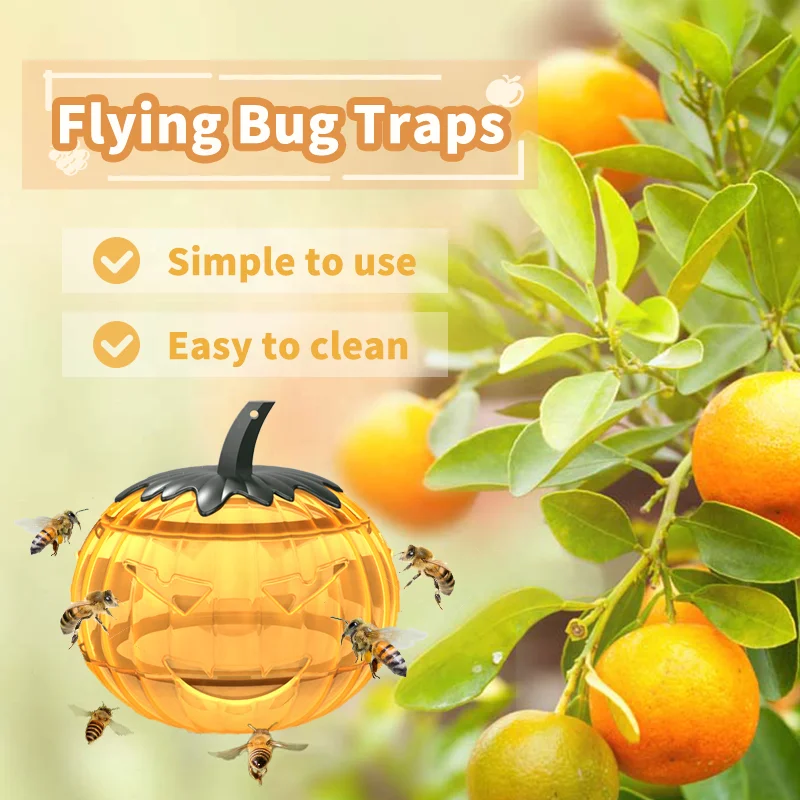
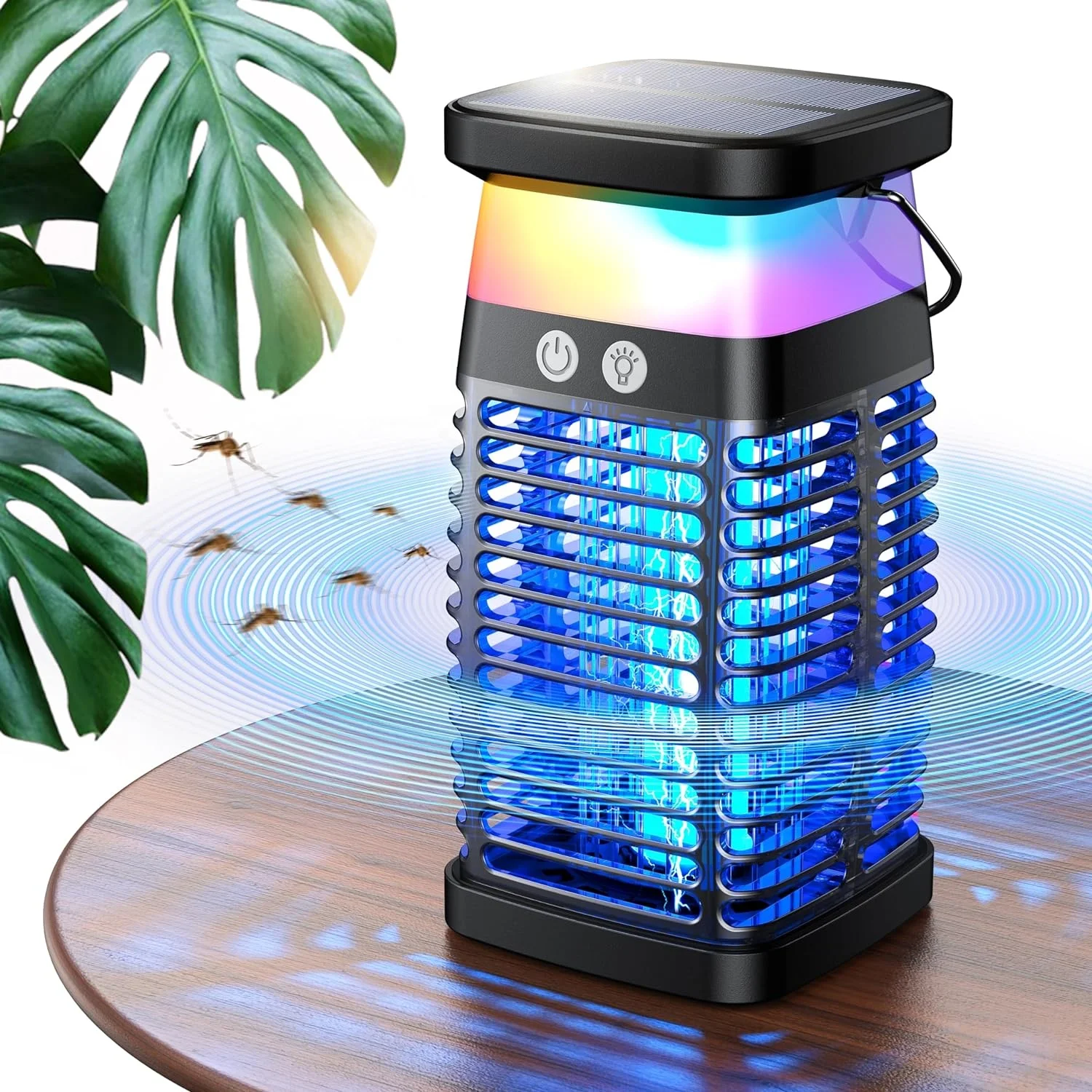
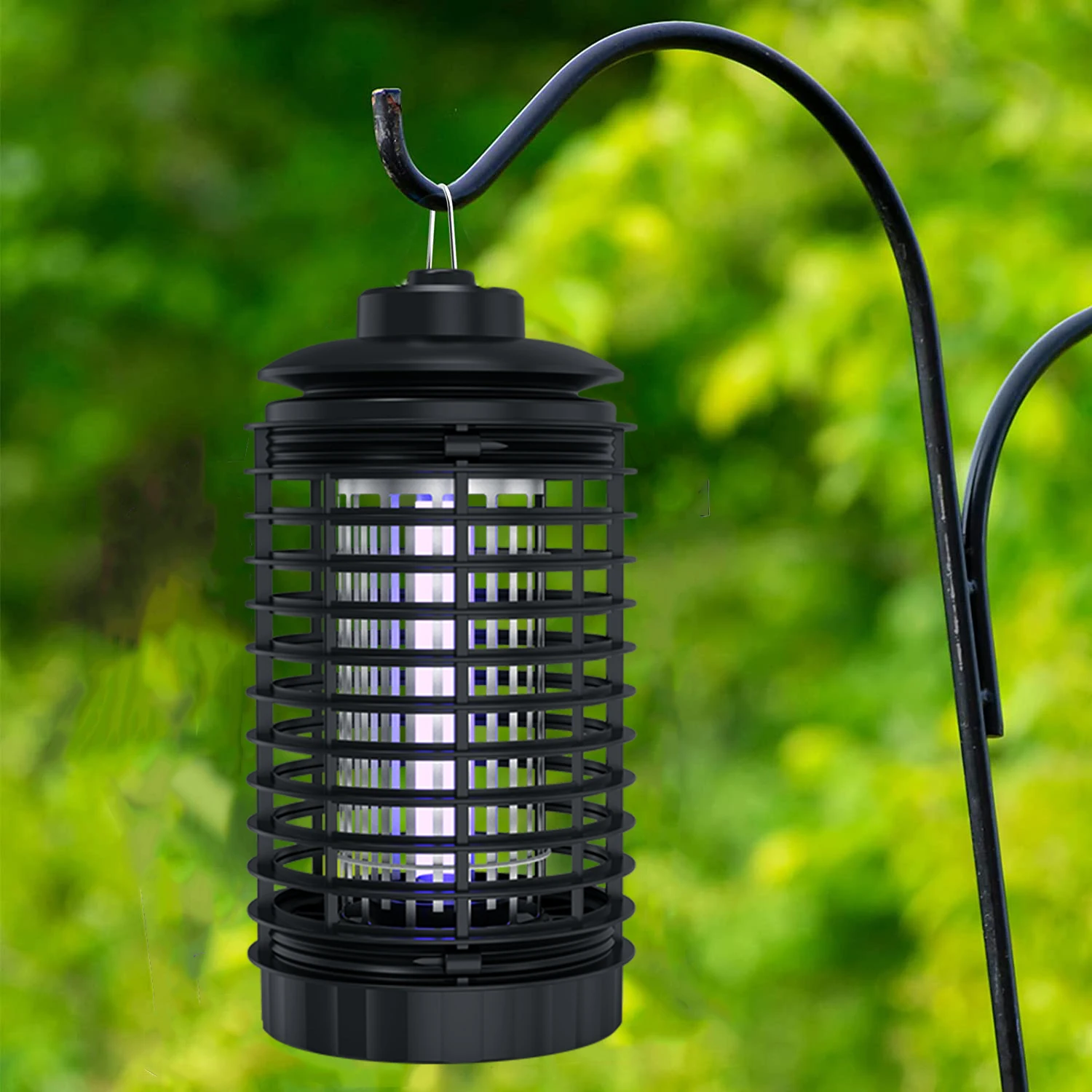
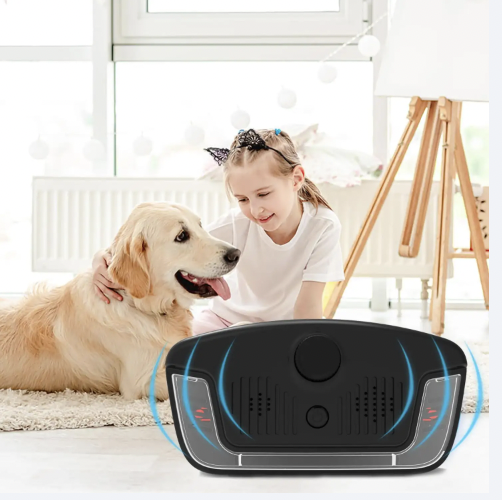
Premium Outdoor Bug Zapper - Solar Powered UV LED Insect Control Solution

All Categories

Get a Free Quote

Our representative will contact you soon.
Email
Name
Company Name
What is the minimum order quantity you expect
Message
0/1000

outdoor bug zapper

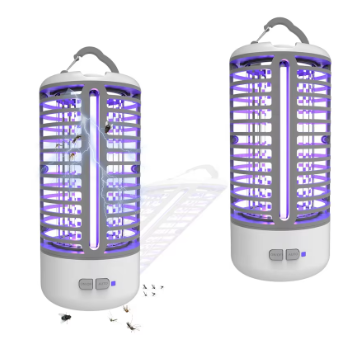
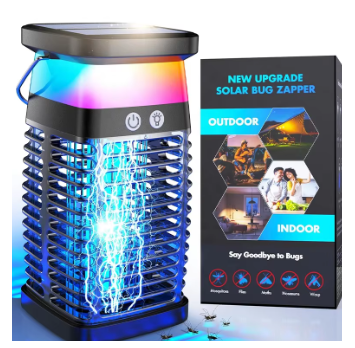
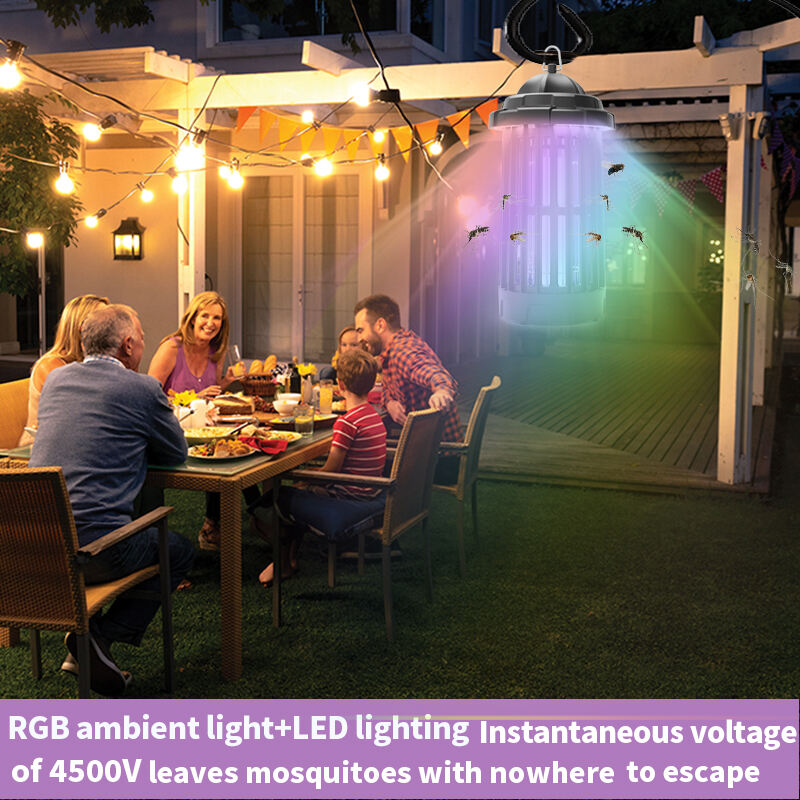
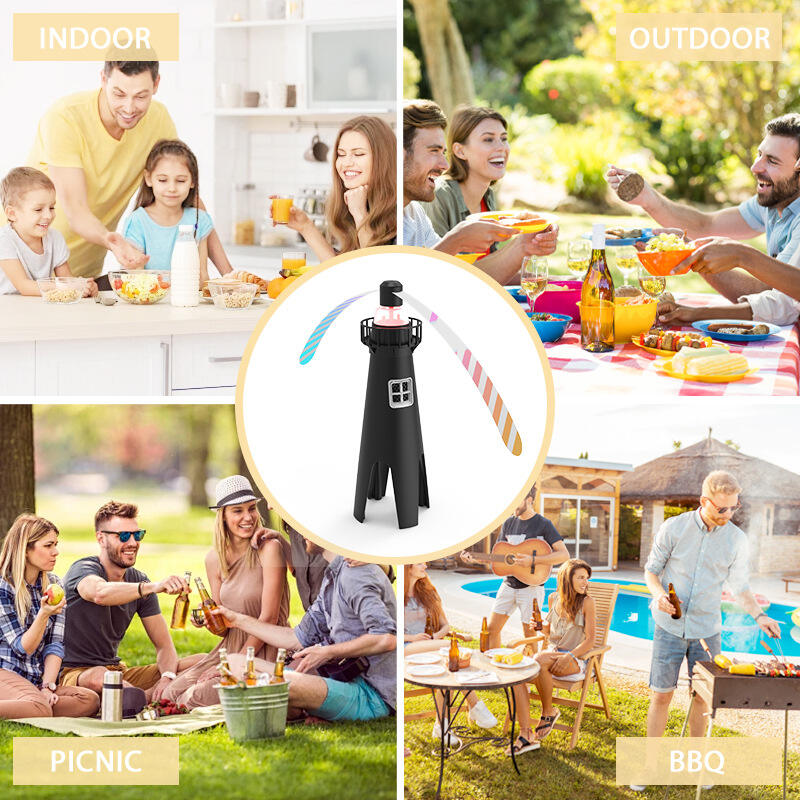
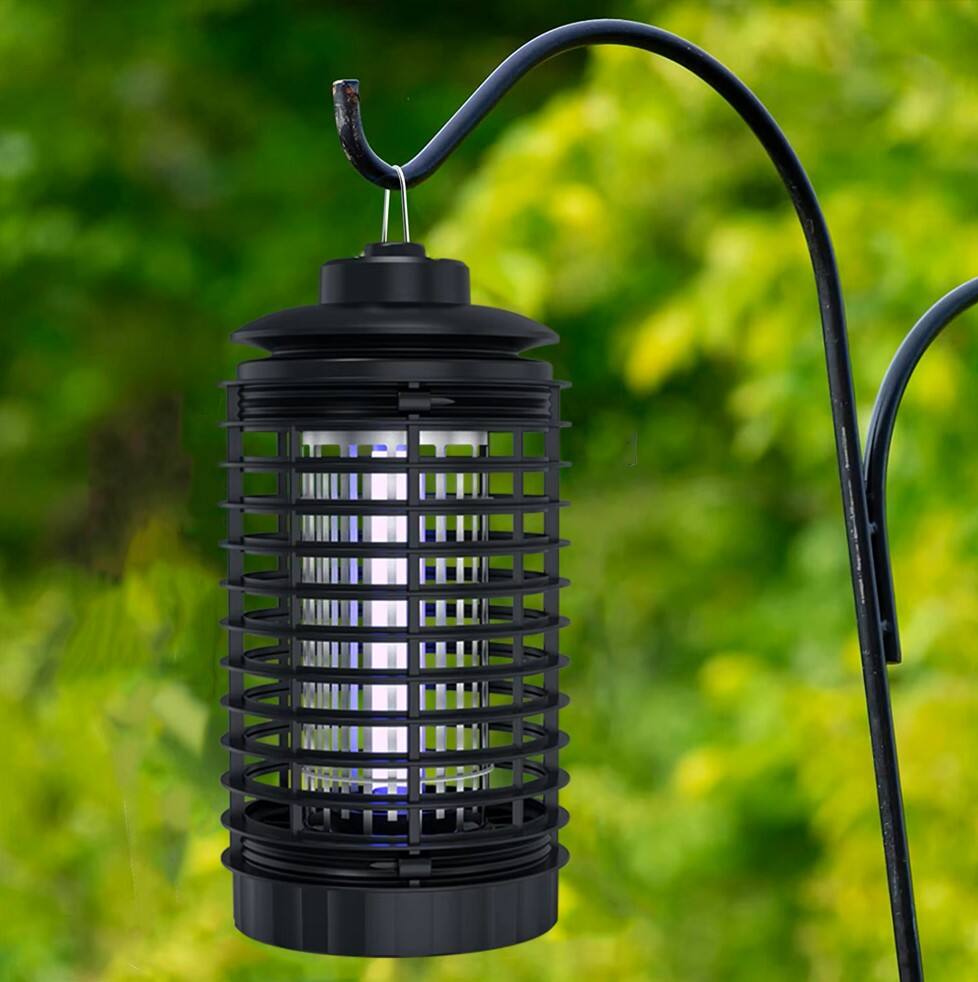
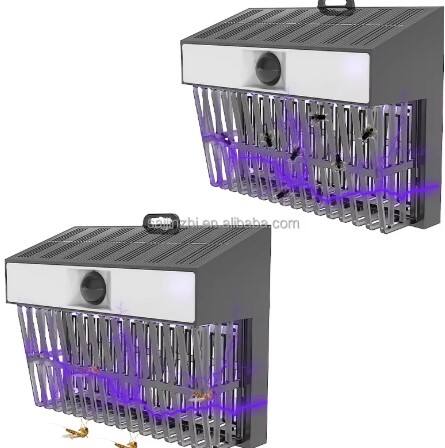
An outdoor bug zapper represents a revolutionary approach to pest control, combining advanced technology with practical design to create effective insect elimination systems for exterior spaces. This innovative device utilizes high-voltage electrical grids powered by ultraviolet LED attraction systems to target flying insects naturally drawn to specific light wavelengths. Modern outdoor bug zappers incorporate weather-resistant construction materials, ensuring reliable performance across diverse climate conditions while maintaining safety standards for residential and commercial applications. The primary function centers on attracting nocturnal insects through specialized UV-A light emissions that mimic natural attraction patterns, subsequently eliminating pests through instantaneous electrical discharge upon contact with internal grid systems. Contemporary models feature enhanced technological capabilities including solar power integration, automatic operational sensors, and programmable timing functions that optimize energy consumption while maximizing pest control effectiveness. These devices effectively target mosquitoes, flies, moths, gnats, and various other flying insects that commonly disrupt outdoor activities and pose health risks through potential disease transmission. Installation flexibility allows placement on patios, decks, gardens, camping sites, and commercial outdoor spaces without requiring complex electrical connections in solar-powered variants. The outdoor bug zapper construction typically incorporates corrosion-resistant materials such as aluminum housing and galvanized protective grilles designed to withstand prolonged exposure to moisture, temperature fluctuations, and UV radiation without performance degradation. Advanced models include removable collection trays for simplified maintenance, LED indicator lights for operational status monitoring, and adjustable mounting systems accommodating various installation preferences. Safety features encompass protective outer grilles preventing accidental contact with electrical components while maintaining optimal airflow for insect attraction. Range capabilities vary across models, with coverage areas extending from intimate residential spaces to expansive commercial properties, making the outdoor bug zapper suitable for diverse applications requiring effective pest management solutions.

New Product Recommendations

The outdoor bug zapper delivers exceptional pest control benefits that transform outdoor experiences through reliable, chemical-free insect elimination. Users experience immediate relief from annoying flying pests without applying harmful pesticides or repellents that potentially affect human health, pets, or beneficial garden insects. This environmentally conscious approach eliminates concerns about chemical residues on food preparation surfaces or children's play areas while maintaining effective pest control throughout outdoor seasons. Energy efficiency stands as a significant advantage, particularly in solar-powered outdoor bug zapper models that operate independently without increasing electricity costs or requiring electrical outlet proximity. These devices function continuously during peak insect activity periods, providing round-the-clock protection that automatically adjusts to natural light cycles without manual intervention. Maintenance requirements remain minimal compared to alternative pest control methods, requiring only periodic cleaning of collection trays and occasional grid cleaning to maintain optimal performance levels. The outdoor bug zapper eliminates recurring costs associated with spray pesticides, citronella candles, or professional pest control services, providing long-term economic benefits through durable construction and reliable operation. Installation simplicity allows homeowners to position devices strategically without professional assistance, using included mounting hardware or portable bases for flexible placement options. Coverage area effectiveness surpasses traditional repellent methods, creating pest-free zones extending several feet around device placement while maintaining silent operation that preserves peaceful outdoor ambiance. Weather resistance ensures consistent performance during rain, wind, and temperature extremes, unlike candles or sprays affected by environmental conditions. The outdoor bug zapper attracts insects away from human activity areas, concentrating pest elimination in designated zones while protecting dining areas, seating spaces, and recreational facilities. Safety advantages include elimination of open flames associated with tiki torches or candles, reducing fire hazards while providing superior pest control effectiveness. Versatility allows seasonal storage during winter months and easy relocation for camping trips, outdoor events, or temporary pest control needs. The outdoor bug zapper operates independently of wind conditions that disperse sprays or extinguish candles, ensuring reliable protection regardless of weather patterns. Technology integration in modern models includes smartphone connectivity for remote operation monitoring and scheduling, enhancing user convenience and control flexibility.

Latest News

The Ultimate Test: Real-Life Performance of Anti Bark Devices

20

May

The Ultimate Test: Real-Life Performance of Anti Bark Devices

Introduction to Anti Bark Device Testing

Understanding the Purpose of Anti Bark Devices

Anti bark devices play a pivotal role in curbing excessive barking through innovative methods such as ultrasonic sound and vibration. These devices are tailored to enhance the peace and comfort of dog owners and their communities by reducing noise pollution. By using a dog barking deterrent, pet owners can achieve a more serene home environment and promote better relations with their neighbors. Additionally, these tools can serve as an integral part of a dog's training regimen, reinforcing behavior modification over time. By encouraging a quieter atmosphere, these anti barking dog devices not only address noise issues but also help dogs transition to calmer behavior naturally.

Importance of Real-World Performance Evaluation

Evaluating the real-world performance of anti barking dog devices is essential for understanding their effectiveness in daily environments. Unlike controlled testing, real-world evaluations highlight how user-friendly and adaptable these devices are in diverse scenarios. An effective anti-barking device must function seamlessly across various settings, offering practical solutions for dog behavioral issues. Such assessments are crucial as they provide insights into product strengths and potential areas for improvement. By focusing on real-world efficacy, manufacturers can enhance product reliability, ensuring that these devices are recognized as the best anti dog barking devices for maintaining peace and harmony in different environments.

Methodology for Real-Life Performance Evaluation

Testing Environments: Indoor vs. Outdoor Scenarios

When assessing anti bark devices in real-world settings, the environments play a critical role. Indoor testing allows us to see how these devices respond to barking caused by environmental distractions like visitors or household noises. It focuses on the device's sensitivity and effectiveness in a relatively controlled environment. On the other hand, outdoor testing introduces variables such as background noise and varied distractions, providing a comprehensive view of device functionality in real-world conditions. This dual approach enables a better understanding of situational effectiveness and highlights the potential need for devices to have adjustable sensitivity settings for varied environments.

Data Collection: Noise Reduction Metrics

To understand an anti barking device's effectiveness, it's crucial to collect quantitative data on noise levels and barking frequency before and after using the device. Metrics such as decibel levels and the frequency of barking incidents offer concrete evidence of how well these devices reduce noise. This systematic data collection is invaluable not only for evaluating current technologies but also for guiding manufacturers in improving device design and technology. In essence, noise reduction metrics form the backbone of meaningful product improvement in creating effective dog barking deterrents.

Participant Selection: Diverse Dog Breeds and Sizes

Diverse participant selection is key to truly understanding an anti barking device's effectiveness. Testing across a variety of dog breeds and sizes helps determine how these devices cater to different canine sensitivities and behaviors. Analyzing results from a diverse demographic exposes the product's strengths and limitations, providing insights into how well it meets the needs of a broad user base. By encouraging inclusivity in testing strategies, we can ensure that anti barking solutions are effective for a wider range of dog owners, ultimately benefiting more pets and their owners alike.

Key Factors Affecting Anti Bark Device Effectiveness

Environmental Noise Interference

Environmental noise plays a significant role in the effectiveness of dog barking deterrents. Devices may not perform well in loud surroundings, as background noise can interfere with the deterrent's signals. To address this, conducting tests in various settings allows us to identify which devices excel at minimizing barking amidst distractions. Such insights can help dog owners make practical choices for environments with high noise levels, such as urban areas or busy households. Understanding these interactions also aids manufacturers in refining product design and marketing strategies tailored to noisy environments, thus improving the overall performance of anti-barking devices.

Dog Size and Sensitivity to Ultrasonic Deterrents

The effectiveness of ultrasonic deterrents can vary significantly based on the size and sensitivity of the dog. Smaller dogs might react differently than larger breeds, impacting device efficacy. It's crucial to observe how varying breeds respond to ultrasonic signals to ensure that anti-bark devices serve as effective training tools. Customizing devices to suit different breed sensitivities will not only guide owners in choosing the right product for their pet but also enhance the overall satisfaction with the device. This attention to size and sensitivity ensures that these tools cater to all dogs, ensuring effective and humane deterrence across diverse breeds.

Battery Life and Durability in Harsh Conditions

Assessing the durability and battery life of anti-barking devices under harsh conditions is essential for real-world applicability. Devices exposed to outdoor elements, such as rain or extreme temperatures, must maintain reliable functionality to ensure they are beneficial in everyday dog training. Providing evidence of a device's resilience not only enhances customer trust but also promotes its long-term usability for dog owners. Insights derived from these evaluations will guide future designs, focusing on efficiency and sustainability, thereby offering dog owners more dependable and enduring solutions for managing excessive barking, no matter the weather or environmental conditions.

Real-Life Case Studies: Successes and Challenges

Urban Apartment: Managing Small Breed Barking

In urban apartments, small breed dogs often bark due to confined spaces and close proximity to other tenants. Case studies have shown that using dog barking deterrents in such environments can be effective in curbing excessive barking. Many users report a noticeable reduction in disturbances, as the devices help keep barking at bay in tight quarters. However, challenges arise in ensuring consistent results, as different dogs may react differently depending on their personal behavior and the specific layout of their living environment. To address these challenges, owners must consider tailoring approaches depending on the unique dynamics of their home setup.

Suburban Backyard: Addressing Territorial Behavior

Dog bark deterrents are often tested in suburban backyards where dogs exhibit barking primarily due to territorial instinct. In these open areas, successful use of anti-barking devices hinges on proper placement and settings. Case studies offer valuable insights, with suggestions for optimal positioning of devices to counteract perceived threats, such as neighboring animals or passing strangers. However, challenges include dealing with environmental distractions like passing cars or wildlife that could trigger barking, as well as breed-specific territorial behaviors, making tailored adjustments necessary for effective control.

Multi-Dog Households: Overcoming Desensitization

Multi-dog households introduce a unique challenge of desensitization where dogs might become accustomed to the anti-barking signal, reducing device effectiveness. According to case studies, tackling this issue often involves implementing multiple deterrents simultaneously or combining them with traditional training methods. Effective interventions require careful consideration of interaction between devices and dogs. Real-life examples underscore the importance of varied approaches, shedding light on how combining devices with positive reinforcement techniques can lead to improved behavioral outcomes among multiple dogs, thus offering strategic insights for future users.

FAQs on Anti Bark Device Performance

How Quickly Do Anti Bark Devices Show Results?

The timeline for seeing results from anti-bark devices often varies. This is influenced by factors such as a dog's unique behavior patterns and the specific device type used. Commonly, some users report changes within a few days, while others may observe gradual improvements over weeks. Expert analyses, like those observed by pet behaviorists, suggest that consistent use and adherence to recommended usage guidelines enhance efficacy over time. It's important to remind users that patience is essential, as results might not be instantaneous. Consistent usage, along with other complementary training methods, can significantly aid in achieving desired outcomes.

Are These Devices Safe for Puppies and Senior Dogs?

Most anti-bark devices are generally safe for puppies and senior dogs when used according to instructions. Research indicates that ultrasonic or vibration technologies, which are non-invasive, minimize risks and ensure safety across various ages of dogs. However, never underestimate the importance of consulting a veterinarian to get specialized recommendations tailored to a pet's specific health conditions. This ensures that the chosen device aligns safely with the dog’s developmental and health needs. Veterinarians can provide guidance on the best practices to employ these devices effectively while maintaining pet safety.

Can Anti Bark Devices Work in Noisy Neighborhoods?

Anti-bark devices can be effective in noisy neighborhoods, although their success largely depends on the device's sensitivity and the surrounding noise levels. While ultrasonic dog bark deterrent devices are generally designed to target the frequency range specific to dog barks, excessively noisy environments might occasionally interfere with their efficiency. Expert studies highlight the importance of considering noise thresholds when choosing a suitable device for such settings. Practical advice includes selecting devices with customizable settings that enhance their performance in various environmental conditions, ensuring even noisy neighborhoods don't impede their efficacy fully.
View More
Impact of Pests and Diseases on Humans and Ways to Better Protect Our Homes - Animal Repellent & Bug Zapper

10

Jul

Impact of Pests and Diseases on Humans and Ways to Better Protect Our Homes - Animal Repellent & Bug Zapper

Introduction - How Pests Affect Human Health and Homes

Pests such as rodents and insects are not just annoying; they pose significant health risks and can cause extensive damage to property. These unwanted guests often spread diseases that can affect humans and animals, including severe illnesses such as salmonella and hantavirus through direct contact or contamination of food and surfaces. Their droppings, saliva, and shed skins can also trigger allergic reactions and asthma, making them particularly hazardous in homes with children or the elderly. From termites weakening structural wood to rodents gnawing through electrical wires, the property risks are just as troubling.

Understanding the impact of pests is crucial in both urban and rural settings where these creatures thrive due to the abundance of food and shelter. Urban areas with dense populations provide numerous hiding spots and constant food supply, making pest control a persistent challenge. Likewise, rural settings with farms or gardens offer an uncontrollable breeding ground, leading to potential infestations that threaten both health and agricultural productivity. Therefore, recognizing and addressing these risks is vital for safeguarding health and maintaining property integrity.

For those looking for solutions, products like Animal Repellent & Bug Zapper offer effective means to handle these pest problems. By understanding the magnitude of the threat pests pose, individuals can take proactive steps to mitigate risks, ensuring healthier living environments.

Health Risks - Diseases Spread by Pests

Mosquito-Borne Illnesses: Malaria, Dengue, and Zika

Mosquitoes are notorious vectors for some of the most fatal diseases worldwide. Malaria alone impacts over 200 million individuals annually, as per World Health Organization data. The burden of this disease is particularly heavy in tropical regions where mosquitoes thrive. Furthermore, dengue fever has seen a dramatic surge in cases, with more than 390 million people affected globally each year. This alarming trend underscores the urgent need for innovative prevention and control strategies to combat these mosquito-borne diseases. Zika, another mosquito-transmitted illness, has become a formidable concern, especially due to its association with severe birth defects when contracted during pregnancy. Controlling mosquito populations through novel methods and public health interventions is vital to reducing the prevalence of these illnesses.

Rodent-Transmitted Diseases: Hantavirus and Salmonella

Rodents are vectors for several severe diseases, notably hantavirus, which comes with a mortality rate of around 38%. The hantavirus pulmonary syndrome, quite rare yet deadly, highlights the significant danger posed by unchecked rodent infestations. Moreover, rodents are carriers of salmonella, transmitted through contact with droppings, which leads to thousands of cases of gastrointestinal distress annually. Effective management of rodent populations is critical in mitigating these health risks and safeguarding public health, particularly in urban settings where rodents are more prevalent.

Cockroach Allergens and Asthma Triggers

Cockroach exposure is a significant health issue, especially in urban areas where they are more common. Allergens from cockroaches are a major asthma trigger. Recent studies indicate that about 40% of asthma cases in children are linked to cockroach exposure, a startling statistic demanding action. Eliminating cockroach infestations can markedly reduce asthma symptoms and enhance the quality of life for those affected. Healthy urban living mandates not just control but also the eradication of cockroach presence to protect vulnerable populations, especially children, from such debilitating health triggers.

Overall, the pervasive health threats posed by pests like mosquitoes, rodents, and cockroaches necessitate a concerted effort in pest control management. Enhanced awareness and innovation in pest control strategies are key to mitigating these risks and promoting public health.

Impact on Property - Damage Caused by Pests

Termites and Structural Weakening

Termites are infamous for causing significant damage to properties, especially in the U.S., where they account for over $5 billion in annual repair costs. These tiny pests work silently, weakening structural components without noticeable signs until substantial damage is done. By the time homeowners realize there's a problem, the repair costs can be daunting. To combat this, preventive measures such as frequent inspections and early detection are vital. Regular checks can identify termite activity before it escalates, thereby saving on extensive repair expenses and preserving property integrity.

Rodent-Caused Electrical Hazards

Rodents present a significant threat to property by gnawing through electrical wires, which are a common cause of house fires. Each year, rodents are responsible for millions of dollars in property damage due to electrical failures, with estimates exceeding $20 million. This underscores the importance of safeguarding electrical systems through regular inspections. By routinely checking your property's wiring and implementing protective measures, you can significantly reduce the risk of fire and associated losses, ensuring a safer living environment.

Costly Repairs from Pest Infestations

The financial burden of pest infestations can escalate swiftly, with remediation costs ranging from hundreds to thousands of dollars. This expense often includes not only the immediate removal of pests but also the repair of damages they cause. Investing in preventive pest control measures is generally more cost-effective than managing an infestation after it occurs. Regular pest prevention strategies can minimize the likelihood of infestations, allowing you to maintain the property's condition and avoid unforeseen repair expenses. Prioritizing prevention is an investment in long-term property maintenance and can save homeowners from costly repairs.

4(42760b3117).jpg

Effective Solutions - The Role of Animal Repellents and Bug Zappers

How Ultrasonic Animal Repellents Work

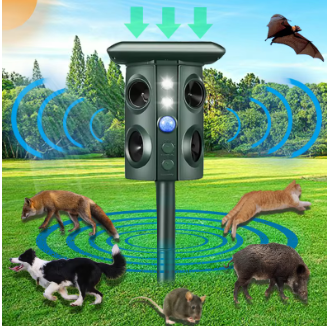
Ultrasonic repellents offer a humane solution to pest problems by emitting high-frequency sounds that deter pests like rodents without harming humans or pets. These devices work by producing sound waves that are above the human hearing range but irritate pests, effectively encouraging them to vacate the area. Studies indicate that ultrasonic repellents can reduce rodent activity by up to 70% in treated zones, making them a popular choice for those seeking non-invasive pest control methods. Their efficacy highlights a modern approach to animal control that prioritizes safety and effectiveness.

Bug Zapper Technology: Targeting Flying Insects

Bug zappers leverage UV light to attract and eliminate flying insects, providing an effective solution for managing mosquito and fly populations in residential areas. These devices work by drawing insects toward the light source, where they make contact with an electrified grid, effectively reducing the number of biting incidents in areas prone to high mosquito activity. By lowering the presence of mosquitoes and flies, bug zappers significantly enhance outdoor safety, allowing families to enjoy their surroundings without the constant nuisance of biting insects. This technology is integral to modern pest management strategies, especially in regions with dense insect populations.

Benefits of Non-Toxic Pest Control Methods

Non-toxic pest control methods are gaining popularity as they present fewer health risks compared to traditional chemical pesticides. Techniques such as traps and natural repellents offer eco-friendly solutions that ensure the safety of humans and pets. Consumers increasingly favor these methods, driving growth in the sector as awareness of environmental and health impacts rise. By choosing non-toxic alternatives, individuals can maintain a healthy living environment while minimizing their ecological footprint, thereby contributing to broader efforts toward sustainable living and pest management.

Future Protection Strategies - What Are the Best Ways to Safeguard Homes?

Integrated Pest Management (IPM) Techniques

IPM techniques stand out as a sustainable method for managing pest populations by integrating biological, cultural, and mechanical practices to minimize hazards. These strategies promote environmental responsibility and efficiently reduce pest invasion by protecting non-target species through innovative interventions. By assessing pest levels, homeowners can make informed decisions to choose targeted treatment options and effectively decrease pest populations. Reliable IPM methods are increasingly adopted due to their proven success in preserving both home safety and environmental health.

Sealing Entry Points and Eliminating Harborage

Blocking pest access through sealing entry points is a crucial step in maintaining a pest-free home environment. By eliminating cracks and crevices, homeowners can significantly prevent pests from invading their spaces. Furthermore, routine removal of debris can help prevent the creation of potential nesting sites. Simple measures like sealing and regular home maintenance can effectively prevent pest infestations from taking hold, drastically reducing the risk to property and enhancing overall health and safety.

Professional Inspections and Preventative Treatments

Regular professional inspections offer preemptive solutions by detecting early signs of infestations, thereby avoiding costly damages and securing home safety. Professional pest control services are designed to identify and address pest issues through preventative treatments, significantly reducing pest recurrence. By ensuring these treatments are applied effectively, homeowners can safeguard their property from long-term threats, providing assurance of enduring protection. Embracing professional inspections and treatments thus proves invaluable in achieving sustained pest management outcomes.

Conclusion - The Importance of Using Animal Repellents and Bug Zappers for Protection

Utilizing animal repellents and bug zappers is crucial for maintaining healthy living environments. These tools offer a defensive barrier against common pests, effectively reducing the likelihood of infestations that can jeopardize our homes and health. By implementing such measures, we foster a safer and more sanitary space, ensuring peace of mind for families.

Preventive measures and timely interventions preserve both health and property value in the long run. Proactive pest management strategies, such as regular maintenance and the use of repellents and zappers, significantly minimize potential damage. This not only protects property investments but also secures a healthier living environment, free from the disease vectors often carried by pests. By taking these steps, we contribute to a safer and more harmonious coexistence with nature, benefiting both human inhabitants and the ecosystems around us.

FAQ

What diseases can pests spread?

Pests can spread a variety of diseases, including salmonella, hantavirus, malaria, dengue, and Zika. These diseases pose significant health risks and highlight the importance of pest control.

How can pests damage properties?

Pests like termites and rodents can cause significant property damage, including structural weakening and electrical hazards. These damages often lead to costly repairs.

What are effective solutions for pest control?

Effective solutions include using ultrasonic Animal Repellents, bug zappers, and non-toxic pest control methods. These approaches focus on preventing infestations and promoting safety.

Why should I consider professional pest inspections?

Professional inspections help identify early signs of infestations and provide preventative treatments, reducing the risk of severe damages and maintaining a pest-free environment.

View More
What Should You Look for in an Effective Bug Zapper for Outdoor Use?

15

Aug

What Should You Look for in an Effective Bug Zapper for Outdoor Use?

What Should You Look for in an Effective Bug Zapper for Outdoor Use?

Spending time outdoors — whether it’s in the backyard, on the patio, or camping — is one of life’s great pleasures. Unfortunately, warm evenings often bring uninvited guests in the form of mosquitoes, flies, moths, and other flying insects. These pests can be more than just annoying; some carry diseases, and others can damage gardens or food supplies.

For decades, the Bug Zapper has been one of the most popular tools for controlling flying insects in outdoor spaces. Using light to attract bugs and an electric grid to eliminate them, this device provides a chemical-free way to reduce pest populations. However, not all bug zappers are created equal, and choosing the right one can significantly impact performance and safety.

This article explores the essential features to look for in an effective Bug Zapper for outdoor use, helping you make an informed decision and get the most out of your investment.

Why Use a Bug Zapper Outdoors?

Before diving into features, it’s worth understanding why a Bug Zapper is such a practical outdoor tool:

  • Chemical-Free Pest Control: No need for sprays or toxic chemicals that may harm people, pets, or the environment.

  • Continuous Protection: Many models operate continuously to keep pests under control throughout the evening.

  • Ease of Use: Once installed, bug zappers require minimal maintenance.

  • Multi-Pest Control: Works against a variety of flying insects, not just mosquitoes.

By eliminating pests before they become a nuisance, bug zappers make outdoor gatherings more comfortable and enjoyable.

Key Features to Consider in an Outdoor Bug Zapper

1. Coverage Area

The coverage area determines how much space the Bug Zapper can effectively protect. Outdoor zappers often range from 500 to over 2,000 square feet.

Why it matters:

  • A zapper with too small a range won’t cover your yard effectively, allowing pests to gather in unprotected areas.

  • Oversized zappers for a small patio may consume more power than necessary.

When choosing, match the coverage area to your outdoor space size.

What Should You Look for in an Effective Bug Zapper for Outdoor Use?

2. Light Source Type and Wavelength

Bug Zappers typically use ultraviolet (UV) light to attract insects. The wavelength and type of light can influence how effective the unit is:

  • UV-A Light (around 365 nm) is most effective for attracting many flying insects.

  • LED-based UV lights are energy-efficient and long-lasting compared to traditional fluorescent UV bulbs.

Why it matters: The right wavelength ensures you’re attracting the pests you want to control, while avoiding wasted energy.

3. Power and Voltage of the Electric Grid

The grid voltage determines how quickly and effectively insects are eliminated. Most outdoor Bug Zappers operate between 1,500 and 4,000 volts.

Why it matters:

  • Too low, and some insects may survive the initial shock.

  • Too high, and there’s unnecessary energy consumption and potentially more audible “zapping” sounds.

A balance of power and efficiency ensures optimal results without excess noise or power use.

4. Weather Resistance

Since an outdoor Bug Zapper will be exposed to the elements, it should be weather-resistant:

  • Waterproof or water-resistant casing to handle rain and humidity.

  • UV-resistant materials to prevent damage from sun exposure.

Why it matters: A non-weatherproof unit will wear out quickly, leading to costly replacements.

5. Safety Features

Bug Zappers use electricity to kill insects, so safety is critical:

  • Protective outer casing to prevent accidental contact with the electric grid.

  • Child and pet-safe designs that ensure no one can touch the electrified parts.

Why it matters: Safety features prevent accidents, especially in homes with children or pets.

6. Power Source Options

Outdoor bug zappers can be powered in different ways:

  • Plug-in models: Reliable for continuous use but require an outdoor power outlet.

  • Solar-powered units: Eco-friendly and portable but may have reduced power in cloudy conditions.

  • Battery-operated units: Portable and flexible but require periodic battery replacement or recharging.

Why it matters: The right power source matches your outdoor space’s layout and intended use.

7. Portability and Mounting Options

Some bug zappers are designed to be hung from hooks, while others are freestanding or wall-mounted.

Why it matters: The ability to place the zapper where it’s most effective — such as near seating areas or garden edges — improves performance. Portable models are ideal for camping or moving between different outdoor areas.

8. Noise Level

While many people don’t mind the occasional “zap,” some prefer quieter operation. LED zappers often make less noise than those with higher-voltage grids.

Why it matters: A quieter zapper is better for relaxing outdoor gatherings without distraction.

9. Maintenance and Cleaning

Over time, dead insects accumulate in the zapper. Look for models with:

  • Removable collection trays for easy cleaning.

  • Self-cleaning grids to reduce buildup.

Why it matters: Easy maintenance ensures the zapper continues to work efficiently and extends its lifespan.

10. Multi-Function Features

Some modern Bug Zapper models include additional functions:

  • Integrated LED lighting for area illumination.

  • Mosquito lures or attractants for enhanced targeting.

  • Timer settings for automatic on/off cycles.

Why it matters: Multi-function devices can save space and improve pest control efficiency.

Placement Tips for Maximum Effectiveness

Even the best Bug Zapper won’t perform well if placed incorrectly. Keep these tips in mind:

  • Place the zapper away from seating areas to draw insects away from people.

  • Position it between insect breeding areas (like compost heaps or standing water) and your gathering space.

  • Ensure it’s in a dark or shaded spot at night so the UV light stands out.

Correct placement can greatly improve capture rates while minimizing interference with outdoor activities.

Environmental Considerations

While Bug Zappers are effective, they can attract and kill non-pest insects such as moths or beetles. To reduce environmental impact:

  • Choose models with selective wavelengths to better target pest insects.

  • Avoid placing zappers near flowering plants that attract pollinators.

By using a zapper responsibly, you can balance pest control with biodiversity preservation.

Advantages of Outdoor Bug Zappers

  • No chemicals or pesticides — safer for people, pets, and the environment.

  • Continuous operation keeps pests under control during outdoor activities.

  • Low maintenance compared to traps or sprays.

  • Effective against multiple insect species in one device.

Potential Limitations

  • May attract beneficial insects unintentionally.

  • Effectiveness can be reduced in brightly lit areas where the UV light is less visible.

  • Requires regular cleaning to maintain efficiency.

These drawbacks can be minimized through strategic placement, responsible use, and combining the zapper with other pest management methods.

Combining a Bug Zapper with Other Pest Control Methods

For the best results, use your Bug Zapper as part of an integrated pest management approach:

  • Remove standing water to reduce mosquito breeding grounds.

  • Keep food covered during outdoor events.

  • Use citronella candles or fans to add another layer of deterrence.

This multi-pronged approach helps keep pest populations low without over-relying on any single method.

Future Trends in Bug Zapper Technology

As technology advances, outdoor bug zappers are evolving:

  • Smart controls with mobile app integration for monitoring and adjusting settings remotely.

  • Energy-efficient designs that combine solar and LED technology.

  • Selective targeting systems that focus on specific insect species.

  • Improved safety features for enhanced child and pet protection.

These innovations promise to make bug zappers more efficient, environmentally friendly, and user-friendly.

Conclusion

Choosing the right Bug Zapper for outdoor use means looking beyond just appearance and price. The most effective models combine the right coverage area, light wavelength, grid power, safety features, and durability for your specific environment. Weather resistance, ease of cleaning, and flexible mounting options also play key roles in ensuring long-term satisfaction.

By investing in a well-designed, appropriately sized Bug Zapper and using it responsibly, you can enjoy outdoor spaces with fewer interruptions from flying pests — all without relying on harmful chemicals. As technology continues to improve, bug zappers will remain a valuable and increasingly eco-friendly tool for outdoor living.

FAQ

Do bug zappers kill all mosquitoes?

Not all. While they can kill mosquitoes, they are more effective on insects attracted to light, such as moths and flies.

Are bug zappers safe to use around pets?

Yes, if they have protective casings to prevent contact with the electrified grid.

Can I leave my outdoor bug zapper on all night?

Yes, but for energy savings and reduced impact on non-pest insects, you may want to use a timer.

Do solar-powered bug zappers work as well as electric ones?

They can be effective for small areas but may have lower power output compared to plug-in models.

How often should I clean my bug zapper?

Check and clean the collection tray or grid at least once a week during peak insect season.

View More
What Are the Advantages of Mouse Repellers for Eco-Friendly Pest Control?

15

Aug

What Are the Advantages of Mouse Repellers for Eco-Friendly Pest Control?

What Are the Advantages of Mouse Repellers for Eco-Friendly Pest Control?

Rodent infestations are among the most common and frustrating problems faced by homeowners, farmers, and businesses alike. Mice are small but highly destructive, capable of damaging property, contaminating food, and spreading disease. Traditional control methods often involve toxic poisons, lethal traps, and chemical deterrents. While these may work, they can also harm non-target animals, endanger pets, and pollute the environment.

For those seeking a safer and more sustainable alternative, Animal Repellers — specifically mouse repellers — offer an eco-friendly solution. Using advanced technology to deter rodents without harming them, these devices are quickly becoming a preferred option for households and eco-conscious pest control professionals.

This article examines the key advantages of using mouse repellers as part of a sustainable pest management strategy, explaining how they work, why they are effective, and how they fit into broader environmental goals.

Understanding Animal Repellers for Rodent Control

Animal Repellers are devices that discourage pests from entering or remaining in a given area. Mouse repellers are a specific type of Animal Repeller designed to target rodents such as mice and rats. They typically work by emitting ultrasonic sound waves, electromagnetic pulses, vibrations, or even light patterns that are unpleasant or disorienting to rodents but harmless to humans and most pets.

Unlike traps or poisons, mouse repellers do not aim to kill the rodents. Instead, they make the environment uncomfortable for them, prompting the animals to leave voluntarily and seek shelter elsewhere.

How Mouse Repellers Work

Mouse repellers employ various deterrence methods, each with its own strengths:

  • Ultrasonic Technology: Emits high-frequency sound waves above the range of human hearing, causing discomfort and confusion in rodents.

  • Electromagnetic Pulses: Alters the electromagnetic field within walls, disrupting rodent communication and navigation.

  • Vibration-Based Repellers: Create subtle ground vibrations that simulate the presence of predators or disturbances.

  • Combined Systems: Use multiple deterrent types together for increased effectiveness.

These approaches are non-lethal and avoid direct confrontation, making them suitable for homes, offices, warehouses, barns, and even outdoor garden areas.

Advantages of Mouse Repellers for Eco-Friendly Pest Control

1. Humane and Non-Lethal

One of the primary benefits of mouse repellers is their humane approach. Rather than killing rodents, they drive them away through discomfort. This approach is better aligned with ethical wildlife management, as it avoids unnecessary suffering and preserves the natural balance of ecosystems.

2. No Harmful Chemicals

Traditional rodenticides can cause secondary poisoning, where predators such as owls, hawks, or domestic pets ingest poisoned rodents and become sick or die. By contrast, Animal Repellers for mice rely on physical or sensory deterrents without introducing toxins into the environment.

This is particularly important in agricultural or food-handling environments, where chemical contamination poses health and regulatory risks.

3. Safe for Children and Pets

Because mouse repellers do not use poison or snap traps, they are safe to use in households with young children or pets. Most ultrasonic and electromagnetic devices are designed so that the frequencies used are not audible or harmful to dogs, cats, and other domestic animals.

What Are the Advantages of Mouse Repellers for Eco-Friendly Pest Control?

4. Continuous Protection

Once installed, a mouse repeller operates around the clock, providing constant protection without the need to reset traps or replace bait. Many models are energy-efficient and require minimal maintenance, making them cost-effective over time.

5. Preventative Action

Unlike traps, which only address rodents already inside, mouse repellers work as a preventative measure by discouraging rodents from entering in the first place. This proactive approach helps avoid infestations before they can start.

6. Versatility of Use

Animal Repellers for rodents can be placed in multiple environments — from residential kitchens and attics to commercial storage facilities, barns, and outdoor sheds. Weather-resistant models are suitable for gardens and outdoor storage areas where rodents are common.

7. Reduced Need for Professional Intervention

While pest control companies offer valuable services, regular treatments can be costly. Installing mouse repellers can reduce reliance on frequent professional visits, especially for minor or seasonal rodent problems.

8. Eco-Friendly Pest Management

Using mouse repellers supports a broader eco-friendly pest control strategy. They align with Integrated Pest Management (IPM) principles, which emphasize prevention, monitoring, and control methods that minimize risks to people and the environment.

9. Minimal Cleanup Required

With traditional traps or poisons, dead rodents must be removed and disposed of, which can be unpleasant and unsanitary. Mouse repellers avoid this issue entirely by preventing rodent deaths in the first place.

Limitations and How to Overcome Them

While mouse repellers have many advantages, they are not a one-size-fits-all solution. Some rodents may initially tolerate the devices, particularly if food sources are abundant. Effectiveness can vary depending on placement, frequency settings, and the severity of the infestation.

To maximize success:

  • Use repellers as part of a comprehensive pest management plan.

  • Eliminate food and water sources that attract rodents.

  • Seal gaps and entry points in walls, doors, and foundations.

  • Adjust device placement to target known rodent pathways.

Key Features to Look for in a Mouse Repeller

When selecting an Animal Repeller for mice, consider the following features:

  • Adjustable Frequency: Allows customization to target different rodent species.

  • Coverage Area: Ensure the device can cover the entire room or building section.

  • Power Source: Options include plug-in, battery, or solar-powered units.

  • Portability: Lightweight designs make it easy to move the device to problem areas.

  • Weather Resistance: For outdoor use, choose models designed to withstand rain, sun, and temperature changes.

  • Multi-Mode Operation: Combining ultrasonic, vibration, and light deterrents often increases effectiveness.

Integrating Mouse Repellers into a Sustainable Pest Control Plan

Mouse repellers work best when combined with good hygiene practices and exclusion techniques. This includes:

  • Storing food in sealed containers.

  • Regularly cleaning areas where crumbs or waste may accumulate.

  • Keeping outdoor spaces tidy to reduce nesting sites.

  • Inspecting and maintaining buildings to prevent new entry points.

By integrating these methods, property owners can create a long-term, eco-friendly defense against rodents without resorting to harmful chemicals.

Environmental Benefits of Animal Repellers

Using Animal Repellers for rodent control contributes to environmental preservation in several ways:

  • Reducing chemical pollution in soil and water.

  • Preventing accidental poisoning of non-target species.

  • Supporting biodiversity by avoiding the mass killing of wildlife.

  • Lowering the carbon footprint compared to manufacturing, transporting, and disposing of chemical pest control products.

Future Innovations in Mouse Repeller Technology

As demand for safe and eco-friendly pest control grows, manufacturers are developing more advanced Animal Repellers. Potential future features include:

  • AI-Based Detection: Identifying rodent species and adapting frequency automatically.

  • Smart Connectivity: Mobile apps to monitor device performance and rodent activity.

  • Energy Storage Integration: Combining solar panels with rechargeable batteries for off-grid use.

  • Targeted Multi-Species Repelling: Configurations that adjust settings to deter not only mice but also other common pests without affecting beneficial wildlife.

Conclusion

Mouse repellers represent a significant step forward in eco-friendly pest control. As a category of Animal Repellers, they provide a humane, non-toxic, and continuous deterrent against rodents, reducing the risks associated with traditional poisons and traps. By preventing infestations before they begin, these devices save time, reduce costs, and help protect the environment.

For households, farms, and businesses that want to align with sustainable practices, mouse repellers are an excellent investment. When combined with sound hygiene, structural maintenance, and other Integrated Pest Management strategies, they offer a comprehensive and eco-conscious approach to keeping properties rodent-free.

As technology advances, Animal Repellers will continue to become more efficient, customizable, and user-friendly, further enhancing their role in protecting both property and the planet.

FAQ

Do mouse repellers work instantly?

Results vary, but many users notice reduced rodent activity within a few days to two weeks as the animals leave the treated area.

Will mouse repellers affect my pets?

Most are safe for cats, dogs, and larger animals, but always check the manufacturer’s guidelines before use.

Can I use mouse repellers outdoors?

Yes, but choose weatherproof models designed for outdoor use to ensure durability.

Do I need multiple devices for larger spaces?

For best results in large or multi-room buildings, place a repeller in each affected area.

Are mouse repellers energy-efficient?

Most modern units consume very little power, and solar-powered models offer an even greener option.

View More

Get a Free Quote

Our representative will contact you soon.
Email
Name
Company Name
What is the minimum order quantity you expect
Message
0/1000

outdoor bug zapper

Advanced UV-LED Attraction Technology

Advanced UV-LED Attraction Technology

The outdoor bug zapper incorporates cutting-edge ultraviolet LED technology specifically engineered to maximize insect attraction while minimizing energy consumption and environmental impact. This sophisticated lighting system emits precise wavelengths between 350-400 nanometers, scientifically proven to attract the broadest spectrum of flying insects including mosquitoes, flies, moths, and gnats that pose health risks and outdoor comfort challenges. Unlike traditional incandescent bulbs that generate excessive heat and consume substantial energy, modern LED arrays in the outdoor bug zapper provide consistent light output throughout extended operational periods while maintaining cool operating temperatures that enhance component longevity. The wavelength precision ensures optimal attraction effectiveness without interfering with beneficial insects like bees and butterflies that operate on different light sensitivity ranges, supporting ecological balance while targeting problematic pest species. Advanced optical design incorporates specialized reflectors and diffusion systems that amplify UV light distribution across wider coverage areas, creating attraction zones extending up to 1.5 acres depending on environmental conditions and device specifications. The outdoor bug zapper LED technology offers remarkable durability with operational lifespans exceeding 50,000 hours, eliminating frequent bulb replacement costs and maintenance interruptions associated with traditional lighting systems. Energy efficiency improvements reach up to 90% compared to conventional bug zapper designs, enabling solar power integration and extended battery operation for completely wireless functionality. Smart control integration allows users to adjust light intensity and operational schedules through mobile applications, optimizing attraction effectiveness for specific insect activity patterns while conserving energy during low-activity periods. The LED array configuration provides uniform light distribution without hot spots or dark zones that compromise attraction effectiveness, ensuring consistent performance across the entire coverage area. Weather-sealed LED housing protects sensitive electronic components from moisture infiltration and temperature extremes, maintaining optimal performance throughout diverse climate conditions while preventing premature component failure that affects traditional lighting systems.
Weatherproof Construction Excellence

Weatherproof Construction Excellence

The outdoor bug zapper features robust weatherproof construction designed to withstand harsh environmental conditions while maintaining peak performance throughout multiple seasons of continuous outdoor exposure. Premium-grade materials including corrosion-resistant aluminum alloy housing and galvanized steel protective grilles ensure structural integrity against rust, corrosion, and weather-related degradation that typically compromises inferior pest control devices. Advanced sealing systems incorporate multiple gasket layers and precision-engineered joints that prevent moisture infiltration into critical electrical components, protecting internal circuitry from humidity, rain, and condensation damage. The outdoor bug zapper construction meets or exceeds IP65 waterproof ratings, enabling safe operation during heavy rainfall, snow, and extreme humidity conditions without performance degradation or safety hazards. Thermal management systems include strategically positioned ventilation channels that facilitate heat dissipation while preventing water entry, maintaining optimal operating temperatures even during intense summer conditions. Impact-resistant materials protect against accidental damage from falling branches, hail, or recreational activities, ensuring reliable operation in active outdoor environments where lesser devices might sustain operational damage. UV-resistant surface treatments prevent color fading and material degradation caused by prolonged sun exposure, maintaining aesthetic appeal and structural integrity throughout extended outdoor deployment. The outdoor bug zapper mounting system incorporates adjustable brackets and stabilization features that secure devices against wind loads up to 75 mph, preventing displacement or damage during severe weather events. Removable components facilitate easy seasonal maintenance and storage, allowing users to protect investment value while extending operational lifespan through proper care protocols. Chemical resistance properties protect against damage from cleaning products, pool chemicals, or fertilizers commonly present in outdoor environments, maintaining surface integrity and electrical safety standards. Quality assurance testing includes accelerated aging protocols that simulate years of environmental exposure, ensuring the outdoor bug zapper maintains reliable performance throughout warranty periods and beyond. Modular design elements allow component replacement without complete device replacement, providing sustainable maintenance options that reduce long-term ownership costs while supporting environmental responsibility through reduced waste generation.
Intelligent Solar Power Integration

Intelligent Solar Power Integration

The outdoor bug zapper utilizes advanced solar power technology that delivers autonomous operation without electrical connections or ongoing energy costs, representing a significant advancement in sustainable pest control solutions. High-efficiency photovoltaic panels convert sunlight into stored energy using premium lithium-ion battery systems capable of powering devices throughout entire nights of continuous operation, even following cloudy days with limited solar charging opportunities. Intelligent charge management systems optimize battery health through regulated charging cycles that prevent overcharging damage while maximizing energy storage capacity for extended operational periods. The outdoor bug zapper solar integration includes automatic light sensors that trigger device activation during dusk conditions and deactivate systems at dawn, ensuring energy conservation while providing protection during peak insect activity periods. Smart power management algorithms monitor battery levels and adjust operational intensity based on available stored energy, extending operational duration while maintaining effective pest control throughout critical evening hours. Weather compensation features automatically adjust charging parameters based on seasonal sunlight variations, ensuring reliable operation during shorter winter days while optimizing performance during extended summer daylight periods. The outdoor bug zapper solar panels incorporate anti-reflective coatings and precision-angled mounting systems that maximize energy capture efficiency across diverse geographical locations and seasonal sun angle variations. Backup power options include standard electrical connections for supplemental charging during extended cloudy periods, providing operational flexibility while maintaining primary solar operation benefits. Energy independence eliminates installation limitations near electrical outlets, enabling strategic placement in optimal pest control locations regardless of power infrastructure availability. Environmental benefits include zero operational carbon footprint and elimination of electrical grid dependency, supporting sustainable living practices while reducing utility costs associated with continuous pest control operations. The outdoor bug zapper solar system includes LED indicators that display charging status and battery levels, enabling users to monitor system performance and plan maintenance activities effectively. Expandable solar configurations allow capacity upgrades for enhanced coverage areas or extended operational periods, providing scalable solutions that adapt to changing pest control requirements. Seasonal adjustment capabilities optimize solar panel positioning for maximum energy capture throughout annual sun angle variations, ensuring consistent performance regardless of geographic location or time of year while maintaining the outdoor bug zapper effectiveness across diverse environmental conditions.

Get a Free Quote

Our representative will contact you soon.
Email
Name
Company Name
What is the minimum order quantity you expect
Message
0/1000