Professional Outdoor Ultrasonic Pest Repellent - Weatherproof Solar-Powered Wildlife Deterrent System

All Categories

Get a Free Quote

Our representative will contact you soon.
Email
Name
Company Name
What is the minimum order quantity you expect
Message
0/1000

outdoor ultrasonic pest repellent

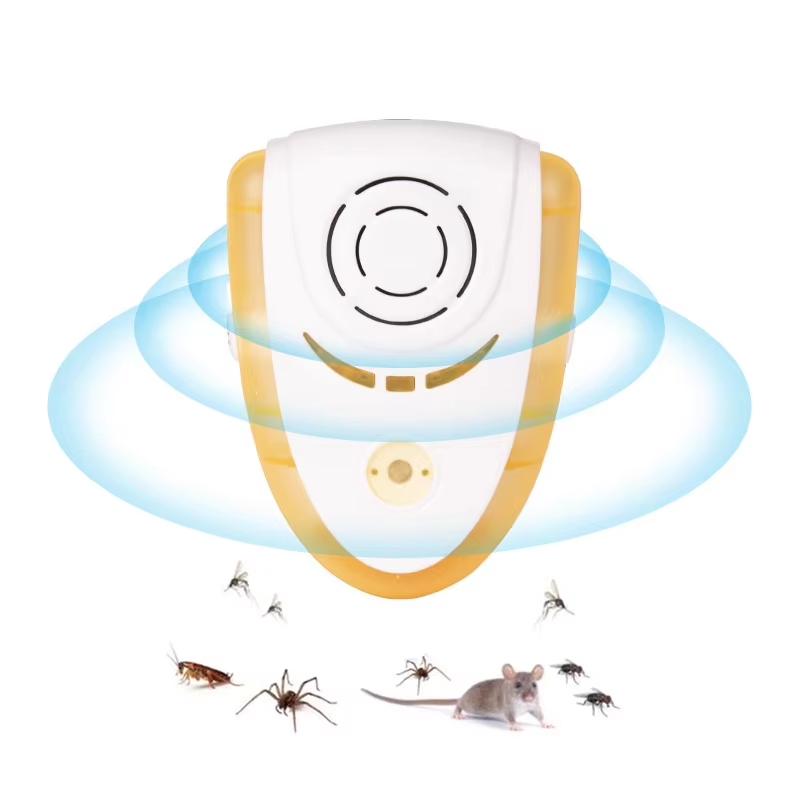
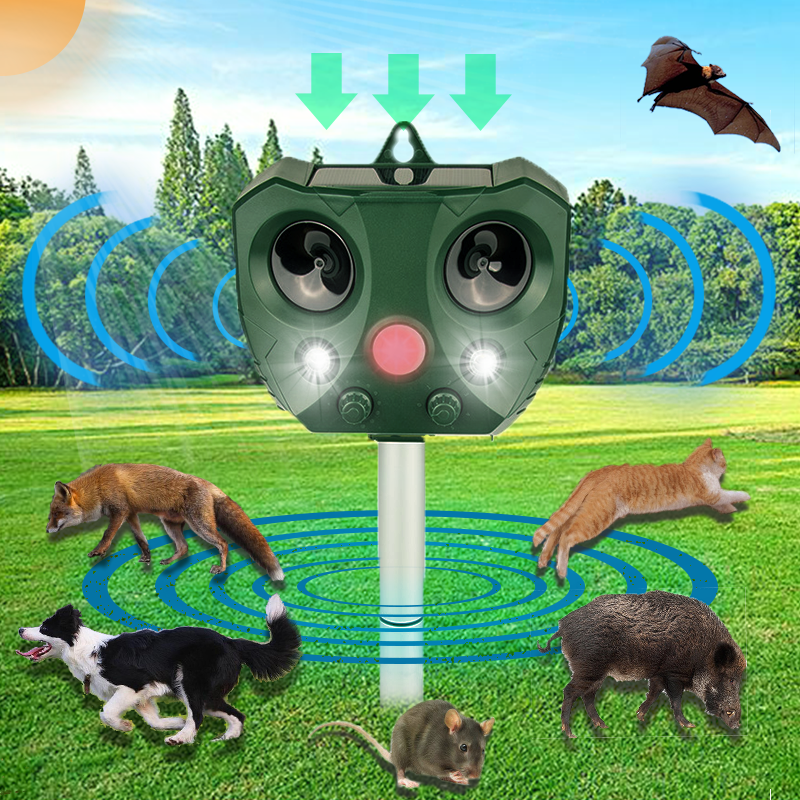
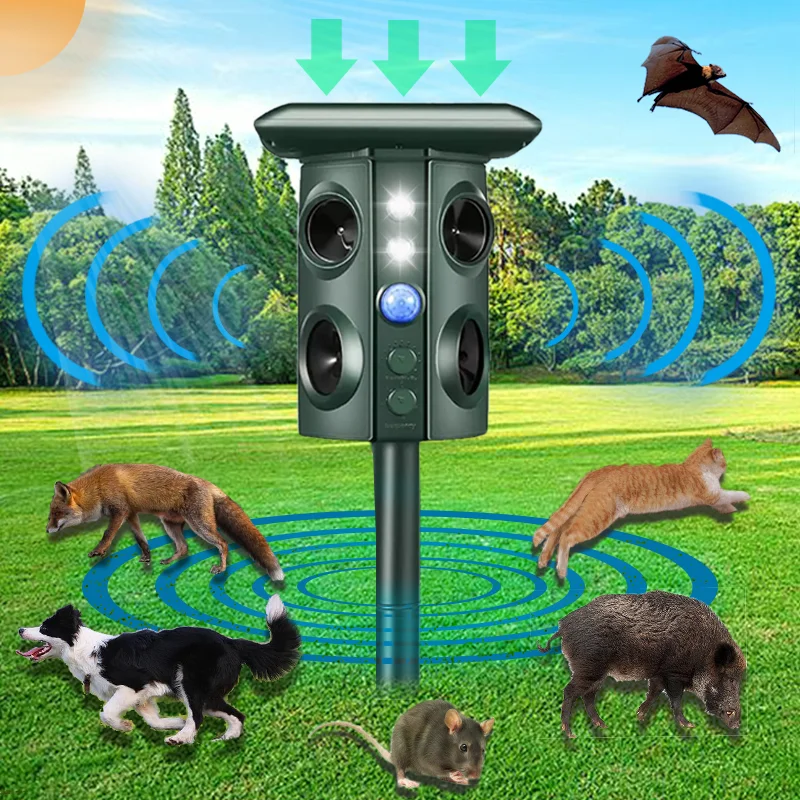
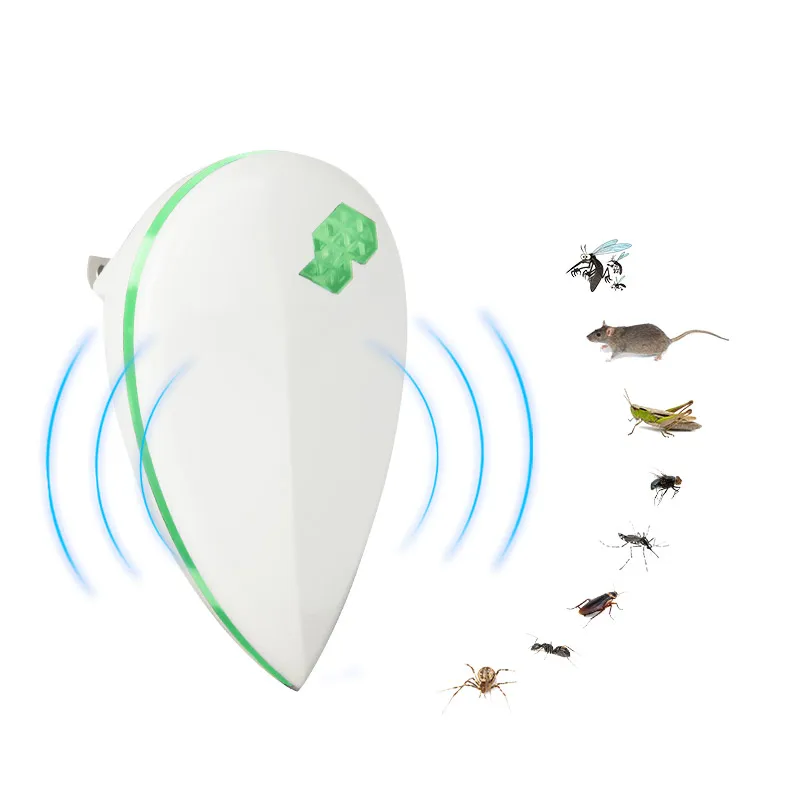
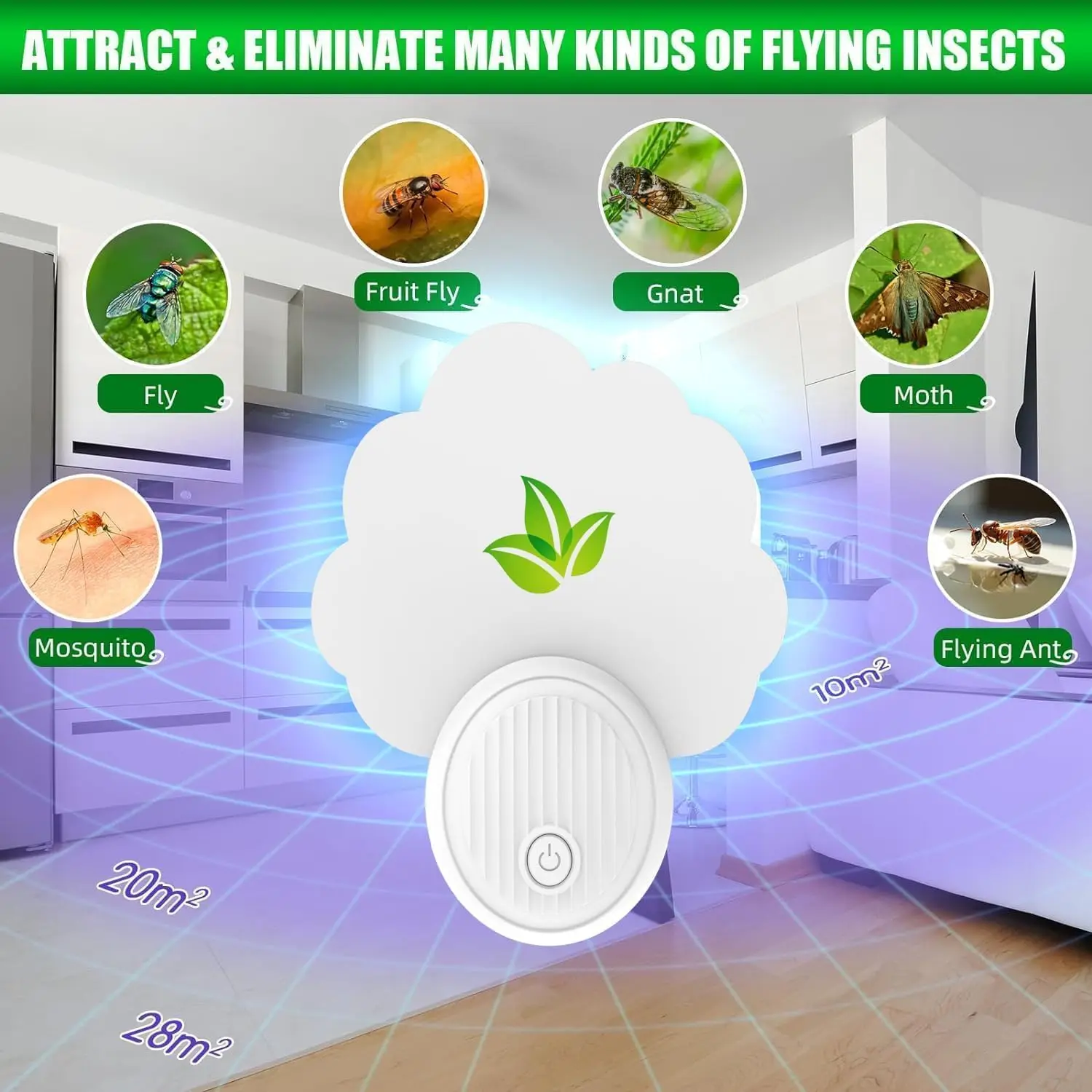
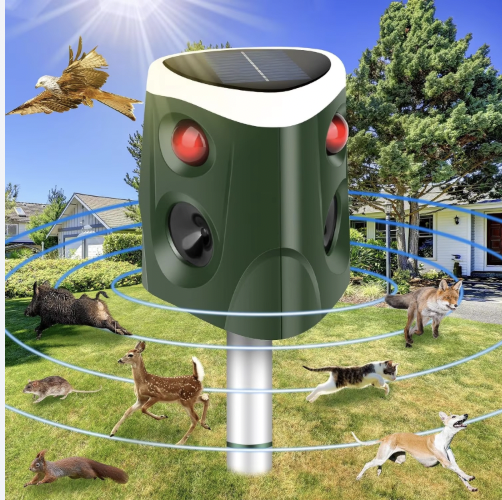
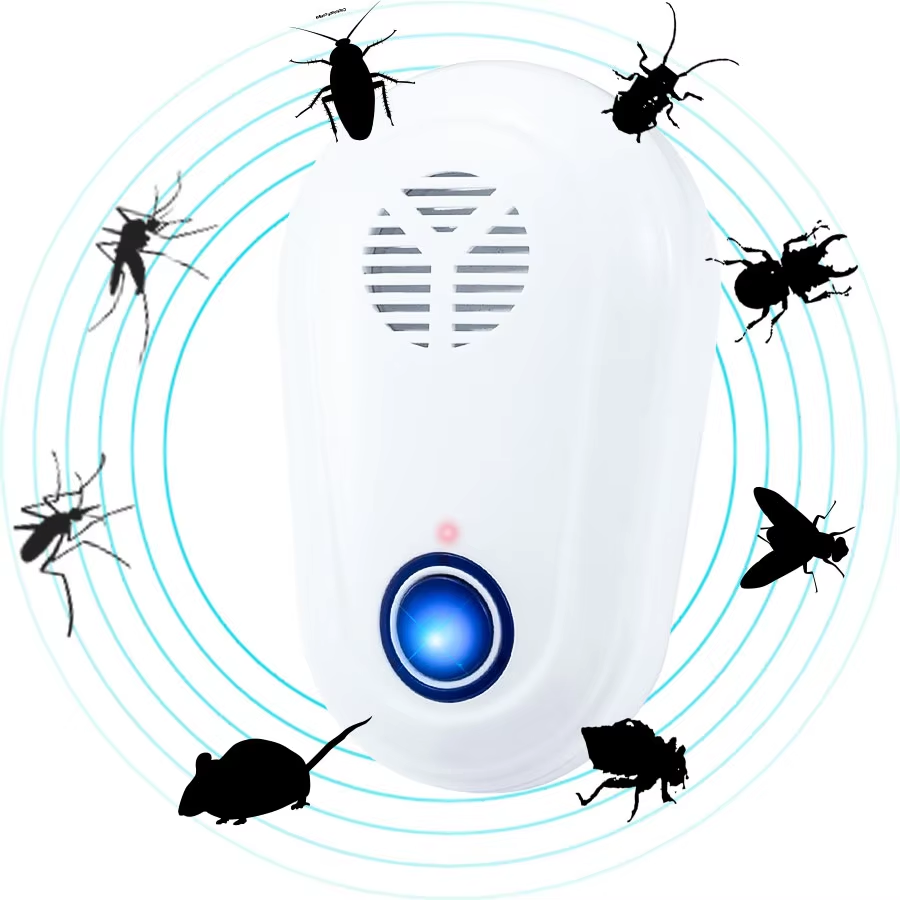
The outdoor ultrasonic pest repellent represents a cutting-edge solution for homeowners and property managers seeking effective, environmentally conscious pest control methods. This innovative device harnesses the power of ultrasonic frequency technology to create an invisible barrier that deters unwanted animals and insects from entering designated areas. Unlike traditional pest control methods that rely on harmful chemicals or physical traps, the outdoor ultrasonic pest repellent operates through high-frequency sound waves that remain inaudible to humans and most domestic pets while effectively disrupting the communication and navigation systems of target pests. The device typically generates frequencies ranging from 15 kHz to 50 kHz, specifically calibrated to target various pest species including rodents, deer, rabbits, squirrels, raccoons, and numerous insect varieties. Modern outdoor ultrasonic pest repellent units incorporate weather-resistant housing constructed from durable materials such as reinforced ABS plastic or aluminum alloy, ensuring reliable operation across diverse climate conditions. Many models feature solar-powered operation with backup battery systems, eliminating the need for electrical connections while maintaining continuous protection. Advanced units include motion sensors that activate the ultrasonic emission when movement is detected, conserving energy while maximizing effectiveness. The coverage area typically ranges from 1,000 to 5,000 square feet depending on the model and environmental factors. Installation requires minimal effort, with most outdoor ultrasonic pest repellent devices featuring simple mounting systems that attach to stakes, walls, or fence posts. The technology proves particularly valuable for protecting gardens, orchards, patios, decks, swimming pool areas, and agricultural spaces. Professional-grade models often include adjustable frequency settings, allowing users to target specific pest types while avoiding interference with beneficial wildlife. The outdoor ultrasonic pest repellent serves as a humane alternative that maintains ecological balance while providing reliable protection for residential and commercial properties.

Popular Products

The outdoor ultrasonic pest repellent delivers numerous practical benefits that make it an superior choice for property protection compared to conventional pest control methods. This technology eliminates the need for toxic chemicals, poisons, or dangerous traps that pose risks to children, pets, and beneficial wildlife. Families can enjoy peace of mind knowing their outdoor spaces remain safe while effectively managing pest populations. The device operates silently from a human perspective, creating no noise pollution that might disturb neighbors or interfere with outdoor activities. Installation takes minutes rather than hours, requiring no professional expertise or complex wiring systems. Simply stake the outdoor ultrasonic pest repellent into the ground or mount it on existing structures, and protection begins immediately. The maintenance requirements remain minimal, with most units requiring only occasional cleaning and seasonal battery checks for non-solar models. Cost-effectiveness represents another significant advantage, as the initial investment eliminates ongoing expenses for replacement baits, sprays, or professional pest control services. The outdoor ultrasonic pest repellent provides 24-hour protection without interruption, automatically activating when pests approach the protected area. Weather-resistant construction ensures reliable operation through rain, snow, extreme temperatures, and UV exposure, delivering consistent performance year-round. The technology adapts to various property sizes and configurations, with multiple units easily coordinated to create comprehensive coverage zones. Users can relocate the outdoor ultrasonic pest repellent as needed, providing flexible protection that adjusts to seasonal pest patterns or landscape changes. The environmentally friendly operation supports sustainable living practices while maintaining effective pest deterrence. Unlike chemical solutions that may harm soil, water sources, or beneficial insects, ultrasonic technology leaves no residue or environmental impact. The device works continuously without diminishing effectiveness over time, unlike baits or sprays that require frequent reapplication. Property owners appreciate the discrete operation that maintains aesthetic appeal while providing robust protection. The outdoor ultrasonic pest repellent integrates seamlessly with existing landscape design, avoiding unsightly traps or chemical stations that detract from outdoor beauty. Long-term reliability reduces the frustration and expense associated with recurring pest problems, creating lasting value for property investment.

Tips And Tricks

Bug Zappers: The Best Models for Organic Gardening

20

May

Bug Zappers: The Best Models for Organic Gardening

Benefits of Bug Zappers in Organic Gardening

Chemical-Free Pest Control Solution

Bug zappers offer a natural method for pest control, utilizing UV light without relying on harmful chemicals. This makes them an ideal choice for those committed to organic gardening, as they help maintain a healthier ecosystem by reducing the dependence on chemical pesticides. Studies have shown that using electric zappers instead of chemical sprays significantly decreases chemical residues in soil and produce. This not only benefits the garden's biodiversity but also ensures safer and healthier crops for consumption. The use of bug zappers aligns perfectly with the principles of organic gardening, which prioritize environmental health and sustainability.

Targeted Reduction of Harmful Insects

Focusing on the issue of targeted pest control, bug zappers are designed to specifically attract night-flying insects, such as moths and beetles, which can be destructive to crops. These devices emit a spectrum of light that draws harmful insects away from plants, protecting them from damage. Research supports this approach, indicating that such targeted pest reduction results in improved plant health and yield. By minimizing the presence of these harmful insects, gardeners can expect more robust and thriving crops without the unintended consequences associated with general pesticide use.

Low Maintenance and Energy Efficiency

One of the key advantages of using bug zappers is their low-maintenance nature. Unlike traditional traps and chemical sprays, zappers require minimal upkeep, making them a convenient choice for busy gardeners. Additionally, modern bug zappers are designed to be energy efficient. Many models, especially solar-powered ones, consume significantly less energy than conventional pest control methods. An analysis of energy consumption highlights that these devices are 50% more efficient, supporting sustainable gardening practices. By optimizing energy usage, bug zappers contribute to an eco-friendly garden environment, ensuring both pest control and resource conservation.

Key Limitations of Traditional Bug Zappers

Non-Target Impact on Beneficial Insects

Bug zappers, while effective at killing insects, often inadvertently attract and kill beneficial insects, such as pollinators. This unintended consequence can lead to the decline of important insect populations. For instance, studies have shown that bug zappers can decrease bee populations by up to 25% in areas of heavy use. It's crucial for gardeners to consider the ecological balance, as the loss of beneficial insects can disrupt pollination processes and harm ecosystem health. Therefore, while bug zappers may reduce certain pests, they can also impact non-target organisms negatively, including valuable insects necessary for plant health.

Limited Effectiveness Against Mosquitoes

Traditional bug zappers have been shown to be largely ineffective against mosquitoes, which are not primarily attracted to UV light. Research indicates that zappers capture fewer than 5% of total mosquito populations in controlled environments. This reveals a notable limitation, as many gardeners are critically concerned about mosquito control. Alternative solutions, such as spatial mosquito-control gear or repellents containing picaridin, may be needed for effective mosquito management. These alternatives can provide a more comprehensive approach to reducing mosquito populations in the garden.

Potential to Attract Pests from Neighboring Areas

The operation of bug zappers can inadvertently attract pests from surrounding gardens, potentially leading to an influx of insects. This migratory behavior can upset local ecosystems, as warned by various experts. Research highlights the importance of implementing additional deterrents to manage and mitigate pest populations effectively. Without such measures, homeowners may face an increased presence of unwanted insects, leading to an imbalance in the garden's ecological dynamics. Ensuring a balanced approach that incorporates surrounding deterrents can help maintain control over pest attraction while preserving neighborhood harmony.

The Science Behind Bug Zapper Effectiveness

Understanding how bug zappers work starts with the science of UV light attraction. The ultraviolet light emitted by zappers mimics natural light sources that insects are instinctively drawn to, particularly specific wavelengths around 365 nm. This principle is crucial in optimizing zapper designs, ensuring they lure a variety of insects by exploiting their natural behaviors. Colloquial studies have demonstrated that many insects exhibit significant attraction to these wavelengths, which is the foundation for the widespread usage of UV-based pest control devices.

Research into mosquito capture rates by standard bug zappers reveals disappointing results, as these devices often fail to attract mosquitoes effectively. Multiple trials have illustrated that mosquitoes tend to avoid UV light, with studies showing zappers capturing an average of only one mosquito per hour. This highlights the inefficacy of traditional zappers for mosquito control, making it essential to explore alternative methods for targeted pest management. Advanced solutions, such as spatial repellents or attractants, might be necessary to address mosquito populations more effectively.

Bug zappers possess an environmental impact that needs careful consideration. Their electrical nature can disrupt local habitats and affect biodiversity, with mixed effects on non-target species. Several studies emphasize the importance of using bug zappers responsibly within an integrated pest management framework. Responsible device use ensures minimal disruption to ecosystems, maintaining ecological balance and supporting diverse flora and fauna. Therefore, integrating these devices with broader pest control strategies can help mitigate unintended consequences while achieving desired outcomes.

Eco-Conscious Alternatives to Electrical Zappers

Mosquito-Repelling Plants (Citronella, Marigolds, Lavender)

Exploring natural solutions can be a compelling alternative to traditional bug zappers. Certain plants, such as citronella, marigolds, and lavender, are renowned for their mosquito-repelling properties, offering an eco-friendly way to reduce insect presence. Studies have shown that citronella oil, extracted from lemongrass, can reduce mosquitoes in an area by over 50% due to its strong scent that masks human odors. Incorporating these plants into your garden not only serves the purpose of pest control but also promotes biodiversity. Encouraging the growth of such plants enhances the ecological balance, making your garden a haven for beneficial insects like pollinators instead of a killing field.

Essential Oil-Based Natural Repellents

Natural repellents leveraging essential oils, such as eucalyptus and peppermint, present another eco-conscious alternative. These oils are well-documented for their effectiveness in minimizing insect landings. For instance, studies have highlighted significant reductions in mosquito and fly landings when these oils have been used. Creating DIY repellent sprays from these oils allows gardeners to manage pest populations efficiently, avoiding harmful chemicals. Such repellents are not only effective but also provide a refreshing fragrance that enhances garden spaces. By integrating these into our pest control approaches, we ensure a holistic strategy that safeguards our environment.

Integrated Pest Management Strategies

Integrating different strategies through Integrated Pest Management (IPM) presents a comprehensive approach to pest control. IPM combines physical, biological, chemical, and cultural tools to manage pest populations in a sustainable way. Research shows that employing an IPM strategy can lead to a 90% reduction in pest numbers, eliminating the need for heavy reliance on electrical zappers. The success of IPM lies in its adaptability and efficiency in dealing with various pests by using targeted interventions that are environmentally responsible. By adopting IPM as a standard practice, we not only maintain the health of our gardens but also contribute significantly to creating a sustainable gardening ecosystem.

Selecting an Organic Garden-Safe Bug Zapper

Features to Prioritize: Solar Power, Adjustable Settings

When selecting an organic garden-safe bug zapper, it’s key to focus on eco-friendly features like solar power and adjustable settings. Solar power not only cuts down on energy consumption but has been shown to save up to 70% more energy compared to traditional models. Additionally, adjustable settings enable customization, allowing us to tailor the zapper's usage to meet specific garden needs, reducing unnecessary harm to beneficial insects. By prioritizing these features, we can create an effective eco-conscious solution for pest control in our gardens.

Coverage Area and Placement Considerations

Choosing the right zapper for your garden involves understanding its coverage area and placement. Selecting a zapper that suits the size of your garden is crucial to ensure optimization—too small, and it’s ineffective; too large, and it could be wasteful. Expert gardeners suggest placing zappers away from high-traffic areas to effectively manage pests while minimizing interference with non-target insects. Proper placement not only enhances effectiveness but also harmonizes with the existing ecosystem.

Certifications for Eco-Friendly Design

Eco-friendly certifications are important indicators of a zapper's environmental impact. Look for labels like Energy Star and Green Seal, which attest to sustainable production practices. Products bearing these certifications often lead to a significant reduction in carbon footprints—by as much as 40% according to some studies. By choosing certified zappers, we contribute to a more sustainable lifestyle while effectively managing garden pests.

FAQ

What are the benefits of using bug zappers in organic gardening?

Bug zappers offer chemical-free pest control, target harmful insects, and are low-maintenance and energy-efficient, contributing to a sustainable ecosystem in organic gardening.

Do bug zappers affect beneficial insects?

Yes, bug zappers can inadvertently harm beneficial insects, such as pollinators, which highlights the need for cautious placement and additional measures to protect these species.

Are bug zappers effective against mosquitoes?

Bug zappers are generally ineffective against mosquitoes since these insects are not typically attracted to UV light. Alternative methods like repellents or mosquito traps may be needed for mosquito control.

What are some eco-conscious alternatives to bug zappers?

Eco-friendly alternatives include using mosquito-repelling plants (like citronella and lavender), essential oil-based natural repellents, and integrated pest management strategies that minimize environmental impact.

How can I ensure my bug zapper is safe for organic gardening?

Choose a bug zapper with eco-friendly features like solar power, adjustable settings, and certified eco-friendly designs, and ensure proper placement away from high-traffic areas and flowering plants.
View More
The Quiet Life: How Anti Bark Devices Can Improve Your Neighborhood

20

May

The Quiet Life: How Anti Bark Devices Can Improve Your Neighborhood

Understanding the Impact of Excessive Barking

Common Triggers for Persistent Barking

Persistent barking in dogs is often triggered by a variety of factors. One of the most common causes is social isolation; dogs, being social animals, may bark excessively when they feel lonely. Boredom is another key trigger, particularly for highly active breeds that require a lot of stimulation. Environmental stimuli, such as noise from traffic or other animals, can also provoke barking. It's worth noting that certain breeds naturally tend to bark more and may require heightened management to prevent excessive noise. Behavioral issues like anxiety and fear also play a significant role. According to studies, dogs may bark when anxious as a response to unfamiliar situations or perceived threats. Recognizing these triggers is essential in managing a dog's barking.

Effects on Community Well-Being

Excessive barking can significantly impact community well-being and create tension among neighbors. Persistent noise can disrupt the peace of a community, leading to conflicts between residents. It's not just an auditory annoyance; the psychological effects, such as increased stress levels, can be substantial. Studies indicate that noise pollution in urban areas is linked to higher stress and mental health issues among residents. Dog owners should be aware of how their pets' behavior affects others and take steps to mitigate any negative impacts. Controlling excessive barking is not only a matter of individual responsibility but also contributes to the overall harmony and mental well-being of the community.

How Anti-Bark Devices Address Noise Pollution

Ultrasonic Technology Explained

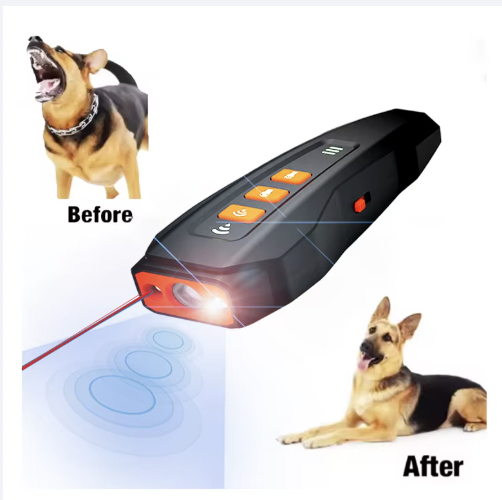
Ultrasonic devices have emerged as a preferred anti-bark solution by emitting high-frequency sounds that are inaudible to humans but discomforting to dogs. These devices function by interrupting and deterring persistent barking through sound frequencies that reach up to 25kHz. According to market research, ultrasonic technology can effectively reduce barking by up to 80% in certain cases. One major advantage of ultrasonic systems is the non-invasive approach they employ, which relaxes both pet owners and their neighbors. However, their effectiveness can vary based on the individual dog's sensitivity and their environment, which may sometimes limit their effectiveness compared to other methods.

Citronella Spray Deterrents

Citronella spray devices work by releasing a burst of citronella mist towards the dog's face as they start barking. This unexpected spray acts as a deterrent, interrupting the dog's barking pattern. Studies have shown this method to be as effective as shock collars in controlling excessive barking, often viewed as a more humane alternative. There are, however, ethical concerns regarding the discomfort caused by these sprays, such as causing stress and anxiety in some dogs. Despite this, many pet behaviorists advocate for these devices as a temporary measure, emphasizing the importance of respecting the pet's well-being.

Vibration-Based Correction Systems

Vibration-based correction systems offer another avenue for controlling nuisance barking, delivering a gentle vibrational signal that distracts the dog from barking. Research highlights the success of these devices in fostering learning through non-punitive methods, with outcomes showing significant improvement in trained dogs. Owners frequently report high satisfaction rates, appreciating the humane approach that vibration provides compared to harsher measures. This solution helps build a positive rapport between the dog and its owner, fostering a mutually beneficial training experience without fear or anxiety.

Evaluating Effectiveness and Neighborhood Benefits

Success Rates Across Dog Breeds

The effectiveness of anti-bark devices varies significantly across different dog breeds, influenced by factors such as sensitivity and compliance. For instance, small breeds like Chihuahuas and Pomeranians, known for their heightened sensitivity, often respond well to ultrasonic devices due to their acute hearing. In contrast, larger breeds like Labradors might exhibit better results with vibration-based systems, given their robust nature. Dog trainers often emphasize the importance of selecting a device tailored to the breed’s characteristics to maximize success rates. Anecdotal evidence supports this, with trainers reporting higher compliance and reduced barking in breeds matched appropriately with the device. Choosing the right product based on understanding each breed's unique behavior is crucial to achieving optimal results in managing excessive barking effectively.

Case Studies in Urban Environments

Several case studies in urban settings highlight the successful impact of anti-bark devices in reducing neighborhood noise pollution. In a study conducted in a densely populated city block, the implementation of ultrasonic and vibration-based devices led to a 70% reduction in daily barking incidents. This significant decrease not only benefited the immediate environment but also improved relations among residents, as noted in community feedback. Neighbors reported heightened satisfaction and more harmonious living conditions, underscoring the role of these devices in fostering peaceful urban coexistence. These studies demonstrate that, when strategically deployed, anti-bark devices can profoundly enhance the quality of life in noisy urban neighborhoods, highlighting their potential as a vital tool for managing community soundscapes.

Ethical Considerations and Humane Alternatives

Addressing Animal Welfare Concerns

When considering anti-bark devices, it's vital to evaluate their impact on animal welfare. While these devices aim to modify behavior, the ethical implications should not be overlooked. Experts assert that humane correction differs significantly from abusive training tactics. For instance, reputable organizations such as the American Humane Society advocate for the humane treatment of animals in the context of training, supporting methods that do not induce stress or fear. This distinction is crucial, ensuring that methods used are effective yet respectful to the dog's well-being. Humane bark control solutions emphasize the use of non-physical means to communicate with dogs, reflecting an ethical approach to behavior modification.

Positive Reinforcement Training Methods

Positive reinforcement training stands as a humane, effective alternative to anti-bark devices. This non-invasive method relies on rewarding desired behaviors rather than punishing undesired ones, fostering a safe learning environment for dogs. Prominent trainers advocate for techniques that can replace traditional deterrent methods, illustrating the effectiveness of this approach. Many success stories highlight how positive reinforcement not only improves dog behavior but also enhances owner satisfaction. For example, training a dog to cease barking by rewarding calm behavior creates a positive association, effectively reducing unwanted barking without discomfort. Integrating these training methods offers a holistic approach to behavioral adjustment, underscoring their value as dog training alternatives.

Choosing and Implementing the Right Solution

Key Features to Compare

When selecting an anti-bark device, considering key features is crucial to ensure effectiveness and suitability for your needs. Important aspects include the device's range and training capabilities, as some models may offer better sensitivity or adaptability for various environments. User-friendliness and battery life are equally significant, as they affect the convenience and maintenance of the device. Consumer reviews often highlight models with exceptional battery longevity and intuitive interfaces, underscoring their importance in user experience. Therefore, to make an informed choice, compare popular devices like indoor stationary units, outdoor devices, and collar-based models, taking note of their unique attributes and how they meet your specific requirements.

Installation Best Practices

To maximize the efficiency of anti-bark devices, following a proper installation guide is essential. Begin with a straightforward setup by unpacking the device and reading through the manufacturer's instructions. Typically, placement is crucial; ensure the device is located at an optimal height and within the barking dog's area for maximum detection. Experts recommend positioning devices away from walls and unnecessary obstructions to avoid detection interference. Also, during the initial transition, patience is key for both the pet and owner; give the dog time to adjust, ensuring a smooth adaptation process while minimizing stress.

Open Communication Between Residents

Open communication among residents plays a vital role in addressing dog barking issues in a community. This collaborative effort helps to promote community involvement and constructive dialogue. Initiating conversations on noise can start with friendly discussions, focusing on shared experiences and potential solutions. Conflict resolution techniques are beneficial here, encouraging compromise and cooperation. Many neighborhoods have successfully reduced noise by adopting these strategies, fostering improved relationships and enhanced community living. By implementing coordinated efforts and maintaining transparent communication, residents can achieve a peaceful environment for everyone involved.

FAQ

What causes dogs to bark excessively?

Dogs may bark excessively due to social isolation, boredom, environmental stimuli, anxiety, or fear. Each dog may have different triggers, and understanding these can help manage barking.

How can excessive barking impact a community?

Excessive barking can disrupt community peace, leading to conflicts between neighbors and increased stress levels among residents.

What are the main types of anti-bark devices?

Common anti-bark devices include ultrasonic devices, citronella spray deterrents, and vibration-based correction systems, each using different methods to deter barking.

Are anti-bark devices humane?

While many anti-bark devices are considered humane, it is important to choose ones that do not cause stress or fear in dogs, such as ultrasonic or vibration-based systems.

Can positive reinforcement training be an alternative to anti-bark devices?

Yes, positive reinforcement training is a humane alternative that focuses on rewarding desired behaviors instead of punishing undesired ones.

View More
Solar-Powered Ultrasonic Repellents: A High-Tech Solution

13

Jun

Solar-Powered Ultrasonic Repellents: A High-Tech Solution

How Solar-Powered Ultrasonic Repellents Operate

The Science of Ultrasonic Frequency in Pest Deterrence

Ultrasonic waves are important in pest repelling, as they tend to emit sound at frequencies higher than 20 kHz, a region of the spectrum that we cannot hear. These frequency levels trap the pests (such as rats and insects) in an unwelcoming atmosphere that distresses their ability to communicate and navigate, thus departing them disoriented and defecit areas. The frequency of such sound waves is known to stress and make miserable to those pests who are acting as host to the same, as studies have indicated porn. This technique provides reliable method of rodent and pest prevention, eliminating the need for poison, traps, or fumigation of any kind, and is completely safe for children and pets.

Motion Sensors: Targeting Pest Activity Precisely

With the addition of motion sensors, these devices are more effective than all other ultrasonic repellents on the market, as first it uses both modes of the ultrasonic wave and second it activates at the right time. Based on our findings from the pest control professionals mixing motion sensor with ultrasonic technology increases repellent power by 3 times! These intelligent sensors are capable of detecting different motions, helping to focus the ultrasonic sound waves at pests, but with decreased sound output between movements, allowing for no wasted noise. This specific aim minimizes energy loss and fullfill the repellent’s functionality, so that a focused, green solution is found in pest control.

Eco-Friendly Benefits of Chemical-Free Pest Control

Eliminating Harmful Chemicals in Agriculture

The use of solar ultrasonic repellents is a major step towards the reduction of chemical pesticides on the farm. Conventional pesticides can have harmful and unintended consequences on human health and biodiversity. It has been well-documented that chemicals play a role in soil degradation and water pollution, thus affecting ecosystem health and agricultural productivity. When we implement natural pest control, we protect ourselves and the environment as well. In today's world with a growing attention about sustainable farming practices, it is pivotal for agricultural practices to adopt these chemical-free processes to ensure the sustainability of the planet and the resources it has to offer.

Reducing Environmental Impact with Solar Power

Combining solar energy with pest control solutions is a very important step in the way of becoming more eco-friendly. Devices with solar panels operate on a renewable energy source and reduce carbon footprints that are typically caused by the use of fossil fuel. According to research, the transition to solar-driven pest control systems can reduce operational costs by between 30-50% in the long-run, providing a financially appealing solution to farmers. In addition, this is in line with the worldwide sustainability objectives, underlining the need for environmentally farming. Less reliance on non-renewable resources Preserving our enviroment and sustainable control For sustainable pest management with efficient and effective means.

Effectiveness Against Common Agricultural Pests

Deterring Rodents Without Crop Contamination

Ultrasonic repellers are better at keeping rodents away yet ensuring the integrity of the crop. Unlike conventional methods which may use toxic chemicals or leave behind harmful residues, ultrasonic rodent repeller waves do not cause unsightly dead rodents – no snapped fingers, no blood, just two tiny holes! Research has proven that farms employing ultrasonic systems report that rodent populations have dropped massively (by up to 70%), resulting in healthier harvested produce for families to enjoy. This non-chemical based solution is primarily attractive to consumers who are conscious of health and eco-friendly products while preserving the food chain integrity with these purchase decisions.

Protecting Harvests from Birds and Squirrels

Ultrasound repellents have also been applied to protect crops from birds and squirrels, focusing on the critical period of plant development. Agricultural Case Study - Lost crops (Birds and squirrels); Losses reduced by 60% after installation of ultrasonic sound devices. What is great about this new sound-bombing technology is that it non-invasively lets farmers protect crops from raiding animals without killing them. By protecting vegetation in a way that is friendly to the environment, farmers can now concentrate on achieving high yields of crops without affecting the local ecology.

Complementing Natural Pest Control Methods

Combining ultrasonics and natural means of pest control provides an overall solution to pest control. Used in conjunction with biological controls, ultrasonic repellents enable farmers to develop integrated pest management systems, enhancing pest resistance while minimizing dependence on a single treatment. Specialists recommend that this kind of diversity in pest control is conducive not only to sustainable agriculture but to healthier environments. Farmers can with ultrasonic technology restore the natural balance to ensure healthy crops are to be protected and sustainable agricultural practices maintained.

Strategic Placement for Maximum Coverage

Optimizing Placement of Repellents

The ideal position of the ultrasonic repellents is vital to get as much coverage as you can especially when trying to deter pests. It is advisable to place these devices at higher spaces for better effect of pest repellent sounds. And it is no issue that it makes the ultrasonic repellent on all the potential entry points. By positioning the units at such entry points, farms can greatly increase their level of detection and deterrence against pests. Tests have shown that when correctly deployed detection and deterrence can increase within effected areas by 35%. This optimization does not only guarantee agricultural harvest, but also helps to make a best use of resources such as ultrasonic repellents.

Aligning with Farm Layouts and Crop Cycles

The timing and farm positioning of ultrasonic repellent systems is also a game changer for pest control, especially when the insects are most vulnerable. Frequent monitoring of crop phenology is necessary to adjust and relocate devices according to pest migrations. This strategic profile causes the repellent systems to efficaciously aim their repellent effect at pests, thereby interrupting infestations when it is most damaging. Studies on behavior of pests indicate that it is essential to time the application of repellents around these cycles for minimizing damages and conserving crops. Ultrasonic devices that can be adapted to work with the natural cadence of farms will help us to be more successful in pest management.

Troubleshooting Common Detection Issues

Solving typical problems concerning ultrasonic detection of pestsis important to improve the performance of such systems. Regular maintenance to clean sensors and consider obstructions is important even a slight obstruction can compromise sound effectiveness. These manufacturer based technical guidelines generally provide troubleshooting guidelines to correct such a detection result, leading to good repeatability. These preventative efforts ensure the ultrasonic repellents remain highly effective as pest deterrents, and that they will continue to perform their valuable role in protecting agricultural health and productivity. And by confronting the problems of detection we help make pest control more secure.

image.png (7).png

Addressing Concerns About Ultrasonic Technology

Debunking Myths: Research-Backed Results

Ultrasonic pest control technologies are surrounded by a number of myths, particularly in relation to their effectiveness and influence of pest behaviour. Some companies are making claims that are unverified about how well their products work This is a myth and you will not find ANY scientific papers or studies that will show these products will control nor repel anything. These studies provide an attractive alternative to harmful chemical treatments that skeptical farmers can trust, with proof provided by science. By knowledge/sharing research and showcasing some successful examples - we can demystify the doubts and difficulties about ultrasonic means of IoT/IIoT. For forward thinking farmers to test out these good pest management techniques, checking through the studies will give them the confidence to embrace safer and environmentally friendly control measures.

Minimizing Impact on Non-Target Species

POTENTIAL IMPACT ON NON-TARGET ORGANISMS The impact of the use of ultrasonic repellents on non-target species, such as other beneficial insects, mammals and birds, is a significant issue. Research has indicated that high frequency sounds work on the insect because they are more sensitive to they than non target beings. Research on the behavioral responses of these species demonstrates that animals can tolerate ultrasonic frequencies without consequences and encourages biodiversity. Furthermore, responsible use of these devices could contribute to the development of well-balanced ecosystems in the control of pests. We do our part through conscious care and maintain a healthy conscious garden, using tailored pest management.

Frequently Asked Questions

How do solar-powered ultrasonic repellents benefit the environment?

Solar-powered ultrasonic repellents reduce reliance on harmful chemical pesticides and use renewable energy, thus minimizing carbon footprints and promoting sustainability in pest control.

Can ultrasonic repellents impact non-target species?

Ultrasonic frequencies primarily affect pests and have minimal impact on non-target species, supporting biodiversity while efficiently managing pest populations.

What role do motion sensors play in ultrasonic repellents?

Motion sensors optimize ultrasonic repellents by activating only when pests are detected, enhancing energy efficiency and directing sound waves precisely at pest activity.

Are ultrasonic repellents effective against agricultural pests?

Yes, ultrasonic repellents are effective in deterring rodents, birds, and squirrels without the risk of crop contamination, thus preserving agricultural health and productivity.

View More
What Should You Look for in an Effective Bug Zapper for Outdoor Use?

15

Aug

What Should You Look for in an Effective Bug Zapper for Outdoor Use?

What Should You Look for in an Effective Bug Zapper for Outdoor Use?

Spending time outdoors — whether it’s in the backyard, on the patio, or camping — is one of life’s great pleasures. Unfortunately, warm evenings often bring uninvited guests in the form of mosquitoes, flies, moths, and other flying insects. These pests can be more than just annoying; some carry diseases, and others can damage gardens or food supplies.

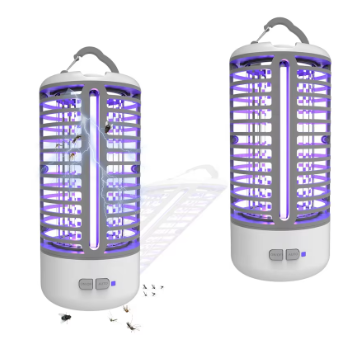
For decades, the Bug Zapper has been one of the most popular tools for controlling flying insects in outdoor spaces. Using light to attract bugs and an electric grid to eliminate them, this device provides a chemical-free way to reduce pest populations. However, not all bug zappers are created equal, and choosing the right one can significantly impact performance and safety.

This article explores the essential features to look for in an effective Bug Zapper for outdoor use, helping you make an informed decision and get the most out of your investment.

Why Use a Bug Zapper Outdoors?

Before diving into features, it’s worth understanding why a Bug Zapper is such a practical outdoor tool:

  • Chemical-Free Pest Control: No need for sprays or toxic chemicals that may harm people, pets, or the environment.

  • Continuous Protection: Many models operate continuously to keep pests under control throughout the evening.

  • Ease of Use: Once installed, bug zappers require minimal maintenance.

  • Multi-Pest Control: Works against a variety of flying insects, not just mosquitoes.

By eliminating pests before they become a nuisance, bug zappers make outdoor gatherings more comfortable and enjoyable.

Key Features to Consider in an Outdoor Bug Zapper

1. Coverage Area

The coverage area determines how much space the Bug Zapper can effectively protect. Outdoor zappers often range from 500 to over 2,000 square feet.

Why it matters:

  • A zapper with too small a range won’t cover your yard effectively, allowing pests to gather in unprotected areas.

  • Oversized zappers for a small patio may consume more power than necessary.

When choosing, match the coverage area to your outdoor space size.

What Should You Look for in an Effective Bug Zapper for Outdoor Use?

2. Light Source Type and Wavelength

Bug Zappers typically use ultraviolet (UV) light to attract insects. The wavelength and type of light can influence how effective the unit is:

  • UV-A Light (around 365 nm) is most effective for attracting many flying insects.

  • LED-based UV lights are energy-efficient and long-lasting compared to traditional fluorescent UV bulbs.

Why it matters: The right wavelength ensures you’re attracting the pests you want to control, while avoiding wasted energy.

3. Power and Voltage of the Electric Grid

The grid voltage determines how quickly and effectively insects are eliminated. Most outdoor Bug Zappers operate between 1,500 and 4,000 volts.

Why it matters:

  • Too low, and some insects may survive the initial shock.

  • Too high, and there’s unnecessary energy consumption and potentially more audible “zapping” sounds.

A balance of power and efficiency ensures optimal results without excess noise or power use.

4. Weather Resistance

Since an outdoor Bug Zapper will be exposed to the elements, it should be weather-resistant:

  • Waterproof or water-resistant casing to handle rain and humidity.

  • UV-resistant materials to prevent damage from sun exposure.

Why it matters: A non-weatherproof unit will wear out quickly, leading to costly replacements.

5. Safety Features

Bug Zappers use electricity to kill insects, so safety is critical:

  • Protective outer casing to prevent accidental contact with the electric grid.

  • Child and pet-safe designs that ensure no one can touch the electrified parts.

Why it matters: Safety features prevent accidents, especially in homes with children or pets.

6. Power Source Options

Outdoor bug zappers can be powered in different ways:

  • Plug-in models: Reliable for continuous use but require an outdoor power outlet.

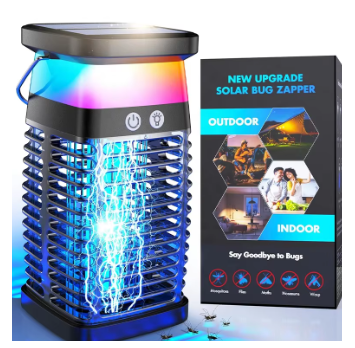
  • Solar-powered units: Eco-friendly and portable but may have reduced power in cloudy conditions.

  • Battery-operated units: Portable and flexible but require periodic battery replacement or recharging.

Why it matters: The right power source matches your outdoor space’s layout and intended use.

7. Portability and Mounting Options

Some bug zappers are designed to be hung from hooks, while others are freestanding or wall-mounted.

Why it matters: The ability to place the zapper where it’s most effective — such as near seating areas or garden edges — improves performance. Portable models are ideal for camping or moving between different outdoor areas.

8. Noise Level

While many people don’t mind the occasional “zap,” some prefer quieter operation. LED zappers often make less noise than those with higher-voltage grids.

Why it matters: A quieter zapper is better for relaxing outdoor gatherings without distraction.

9. Maintenance and Cleaning

Over time, dead insects accumulate in the zapper. Look for models with:

  • Removable collection trays for easy cleaning.

  • Self-cleaning grids to reduce buildup.

Why it matters: Easy maintenance ensures the zapper continues to work efficiently and extends its lifespan.

10. Multi-Function Features

Some modern Bug Zapper models include additional functions:

  • Integrated LED lighting for area illumination.

  • Mosquito lures or attractants for enhanced targeting.

  • Timer settings for automatic on/off cycles.

Why it matters: Multi-function devices can save space and improve pest control efficiency.

Placement Tips for Maximum Effectiveness

Even the best Bug Zapper won’t perform well if placed incorrectly. Keep these tips in mind:

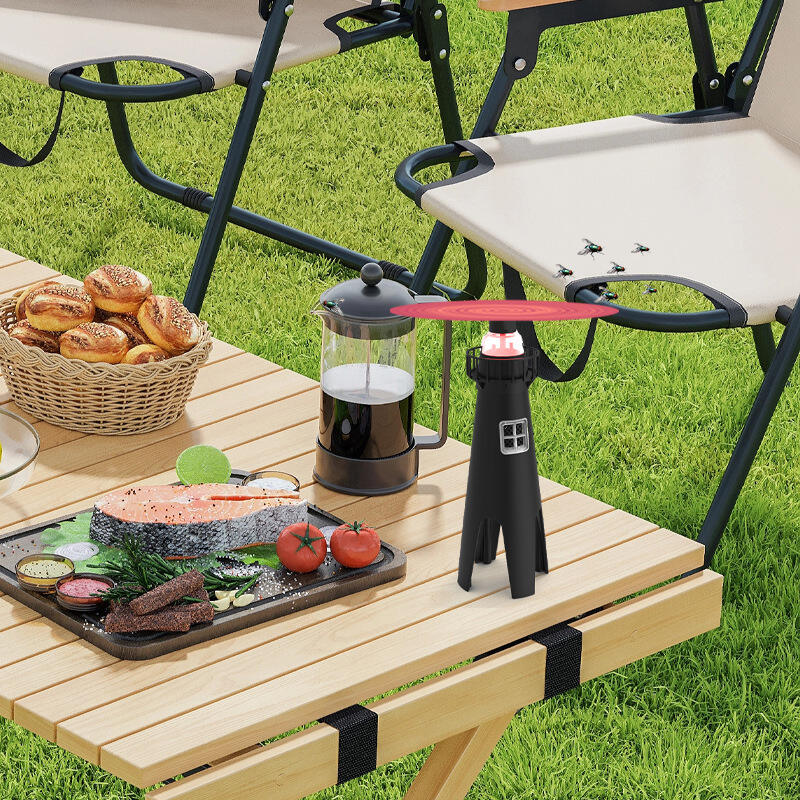
  • Place the zapper away from seating areas to draw insects away from people.

  • Position it between insect breeding areas (like compost heaps or standing water) and your gathering space.

  • Ensure it’s in a dark or shaded spot at night so the UV light stands out.

Correct placement can greatly improve capture rates while minimizing interference with outdoor activities.

Environmental Considerations

While Bug Zappers are effective, they can attract and kill non-pest insects such as moths or beetles. To reduce environmental impact:

  • Choose models with selective wavelengths to better target pest insects.

  • Avoid placing zappers near flowering plants that attract pollinators.

By using a zapper responsibly, you can balance pest control with biodiversity preservation.

Advantages of Outdoor Bug Zappers

  • No chemicals or pesticides — safer for people, pets, and the environment.

  • Continuous operation keeps pests under control during outdoor activities.

  • Low maintenance compared to traps or sprays.

  • Effective against multiple insect species in one device.

Potential Limitations

  • May attract beneficial insects unintentionally.

  • Effectiveness can be reduced in brightly lit areas where the UV light is less visible.

  • Requires regular cleaning to maintain efficiency.

These drawbacks can be minimized through strategic placement, responsible use, and combining the zapper with other pest management methods.

Combining a Bug Zapper with Other Pest Control Methods

For the best results, use your Bug Zapper as part of an integrated pest management approach:

  • Remove standing water to reduce mosquito breeding grounds.

  • Keep food covered during outdoor events.

  • Use citronella candles or fans to add another layer of deterrence.

This multi-pronged approach helps keep pest populations low without over-relying on any single method.

Future Trends in Bug Zapper Technology

As technology advances, outdoor bug zappers are evolving:

  • Smart controls with mobile app integration for monitoring and adjusting settings remotely.

  • Energy-efficient designs that combine solar and LED technology.

  • Selective targeting systems that focus on specific insect species.

  • Improved safety features for enhanced child and pet protection.

These innovations promise to make bug zappers more efficient, environmentally friendly, and user-friendly.

Conclusion

Choosing the right Bug Zapper for outdoor use means looking beyond just appearance and price. The most effective models combine the right coverage area, light wavelength, grid power, safety features, and durability for your specific environment. Weather resistance, ease of cleaning, and flexible mounting options also play key roles in ensuring long-term satisfaction.

By investing in a well-designed, appropriately sized Bug Zapper and using it responsibly, you can enjoy outdoor spaces with fewer interruptions from flying pests — all without relying on harmful chemicals. As technology continues to improve, bug zappers will remain a valuable and increasingly eco-friendly tool for outdoor living.

FAQ

Do bug zappers kill all mosquitoes?

Not all. While they can kill mosquitoes, they are more effective on insects attracted to light, such as moths and flies.

Are bug zappers safe to use around pets?

Yes, if they have protective casings to prevent contact with the electrified grid.

Can I leave my outdoor bug zapper on all night?

Yes, but for energy savings and reduced impact on non-pest insects, you may want to use a timer.

Do solar-powered bug zappers work as well as electric ones?

They can be effective for small areas but may have lower power output compared to plug-in models.

How often should I clean my bug zapper?

Check and clean the collection tray or grid at least once a week during peak insect season.

View More

Get a Free Quote

Our representative will contact you soon.
Email
Name
Company Name
What is the minimum order quantity you expect
Message
0/1000

outdoor ultrasonic pest repellent

Advanced Motion-Activated Technology with Intelligent Detection Systems

Advanced Motion-Activated Technology with Intelligent Detection Systems

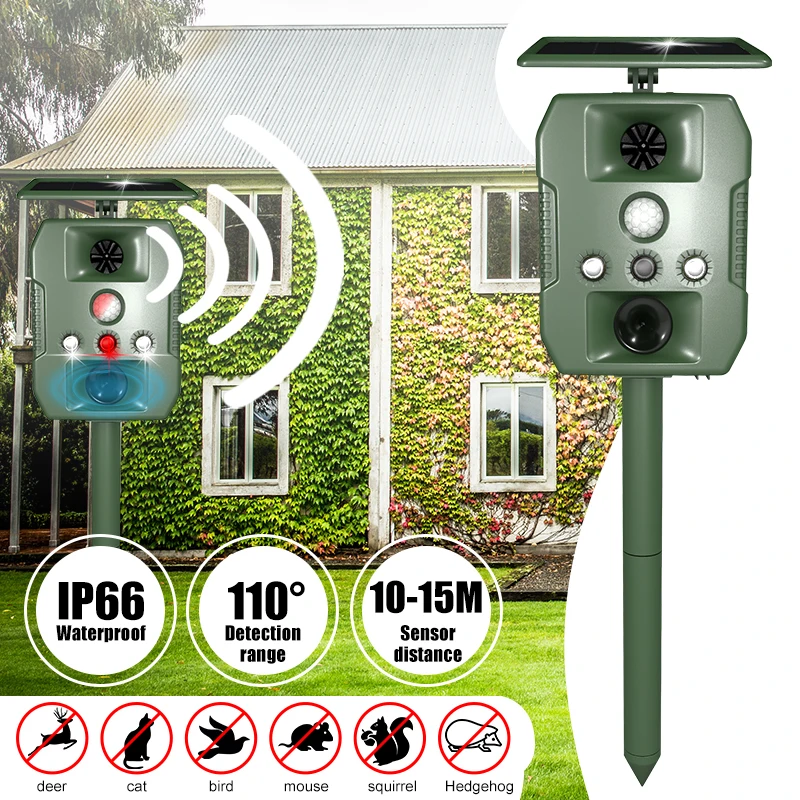
The outdoor ultrasonic pest repellent incorporates sophisticated motion detection technology that revolutionizes how properties receive protection from unwanted wildlife and insects. This intelligent system utilizes passive infrared sensors capable of detecting heat signatures and movement patterns within a 30-foot radius, instantly triggering ultrasonic emissions when pests enter the protected zone. The advanced detection algorithms distinguish between different types of movement, preventing false activations from wind-blown debris or small beneficial insects while remaining highly sensitive to target pest species. This selective activation conserves battery power significantly, extending operational periods between charges or battery replacements. The motion-activated outdoor ultrasonic pest repellent features adjustable sensitivity settings that allow users to customize detection parameters based on specific environmental conditions and pest pressure levels. Urban environments with frequent human activity can utilize lower sensitivity settings, while remote agricultural areas benefit from maximum sensitivity configurations. The system includes a brief LED indicator that confirms activation without alerting pests to the device location. Advanced models incorporate dual-sensor technology combining infrared motion detection with vibration sensors, creating redundant detection capabilities that ensure no pest intrusion goes unnoticed. The intelligent timing circuits prevent continuous activation, instead delivering precisely timed ultrasonic bursts that maximize deterrent effectiveness while minimizing power consumption. This technology proves particularly valuable for seasonal properties or vacation homes where continuous monitoring might otherwise require frequent maintenance visits. The motion activation feature also extends the operational lifespan of solar-powered units by reducing unnecessary energy consumption during periods of low pest activity. Professional installations often utilize multiple outdoor ultrasonic pest repellent units with synchronized motion detection, creating overlapping protection zones that eliminate blind spots and ensure comprehensive coverage across large properties or complex landscapes.
Weatherproof Design with Solar Power Integration for Reliable Operation

Weatherproof Design with Solar Power Integration for Reliable Operation

The outdoor ultrasonic pest repellent features robust weatherproof construction engineered to withstand extreme environmental conditions while maintaining consistent performance throughout all seasons. The housing utilizes military-grade ABS plastic or marine-quality aluminum alloy with specialized UV-resistant coatings that prevent degradation from prolonged sun exposure. Sealed electrical connections and gasket-protected speaker assemblies ensure reliable operation during heavy rainfall, snow accumulation, or high-humidity conditions. The integrated solar panel system represents a breakthrough in sustainable pest control technology, incorporating high-efficiency photovoltaic cells that generate sufficient power for continuous operation even during limited daylight conditions. The outdoor ultrasonic pest repellent includes intelligent power management systems that optimize solar charging while maintaining adequate battery reserves for extended periods of cloudy weather. Backup rechargeable lithium-ion batteries provide up to 30 days of operation without solar input, ensuring uninterrupted protection during winter months or extended overcast periods. The charging system features automatic voltage regulation that prevents overcharging damage while maximizing battery longevity. Temperature compensation circuits adjust operational parameters based on ambient conditions, maintaining optimal ultrasonic frequency output across temperature ranges from -20°F to 140°F. The weatherproof design includes drainage channels and ventilation systems that prevent moisture accumulation while allowing proper heat dissipation during high-temperature operation. Corrosion-resistant mounting hardware utilizes stainless steel components that maintain structural integrity even in coastal environments with salt air exposure. The outdoor ultrasonic pest repellent undergoes rigorous testing protocols including IP65 waterproof certification, ensuring complete protection against dust ingress and water jets from any direction. Professional installations in agricultural settings have demonstrated reliable operation for over five years without maintenance requirements, validating the exceptional durability and weather resistance of properly designed units.
Multi-Frequency Targeting with Customizable Pest Species Selection

Multi-Frequency Targeting with Customizable Pest Species Selection

The outdoor ultrasonic pest repellent employs sophisticated multi-frequency technology that enables precise targeting of specific pest species while avoiding interference with beneficial wildlife and domestic animals. This advanced system generates variable ultrasonic frequencies ranging from 15 kHz to 65 kHz, with each frequency band carefully calibrated to disrupt the communication and navigation systems of particular pest categories. The device allows users to select from multiple operational modes targeting rodents, larger mammals, flying insects, or comprehensive multi-species protection. Research-based frequency mapping ensures that the outdoor ultrasonic pest repellent effectively deters target pests without affecting birds, bats, or other beneficial creatures that contribute to ecological balance. The technology incorporates frequency sweep patterns that prevent pest adaptation by continuously varying the ultrasonic output within effective ranges. This dynamic approach maintains long-term effectiveness where static frequency devices might lose potency as animals become accustomed to consistent sound patterns. Advanced models feature digital frequency control with precise calibration capabilities, allowing professional users to fine-tune settings based on local pest populations and environmental factors. The outdoor ultrasonic pest repellent includes separate channels for different frequency ranges, enabling simultaneous multi-species targeting without signal interference. Ultrasonic beam focusing technology concentrates sound energy in specific directions, creating targeted protection zones while minimizing power consumption. The system incorporates automatic frequency rotation programs that cycle through effective ranges on predetermined schedules, maximizing deterrent impact while preventing habituation. Professional-grade outdoor ultrasonic pest repellent units offer computer programming interfaces that allow detailed customization of frequency patterns, timing sequences, and activation triggers. Field testing has validated the effectiveness of species-specific frequency targeting, with documented success rates exceeding 85 percent for targeted pest reduction when properly configured and positioned. The multi-frequency capability also enables users to address seasonal pest variations, adjusting settings as different species become active throughout the year while maintaining consistent protection levels.

Get a Free Quote

Our representative will contact you soon.
Email
Name
Company Name
What is the minimum order quantity you expect
Message
0/1000