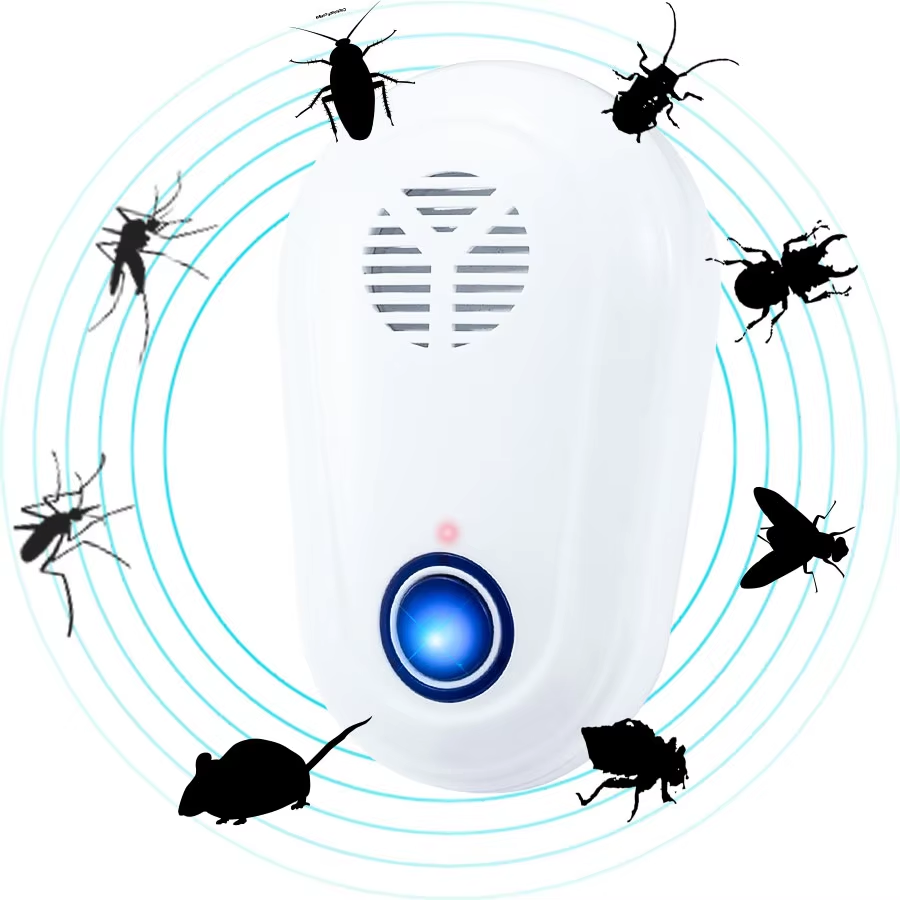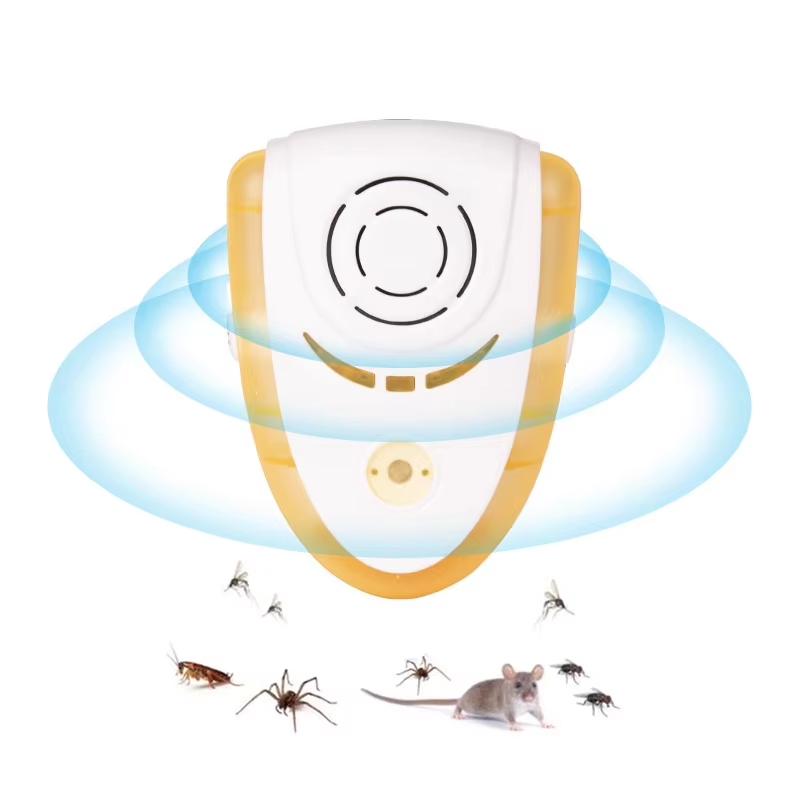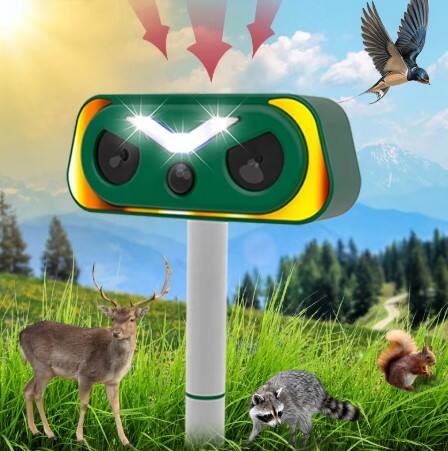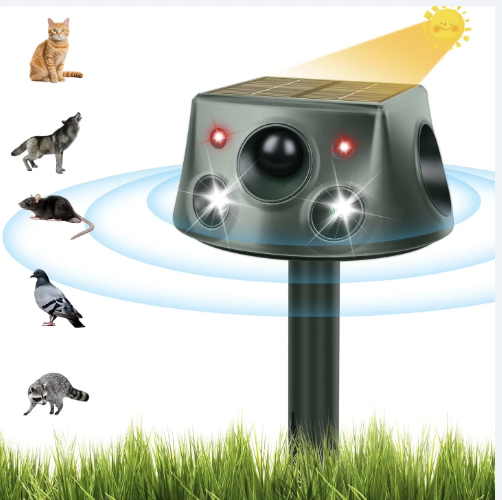
Sonic Anti Barking Device: Advanced Ultrasonic Bark Control Technology for Effective Dog Training

All Categories

Get a Free Quote

Our representative will contact you soon.
Email
Name
Company Name
What is the minimum order quantity you expect
Message
0/1000

sonic anti barking device

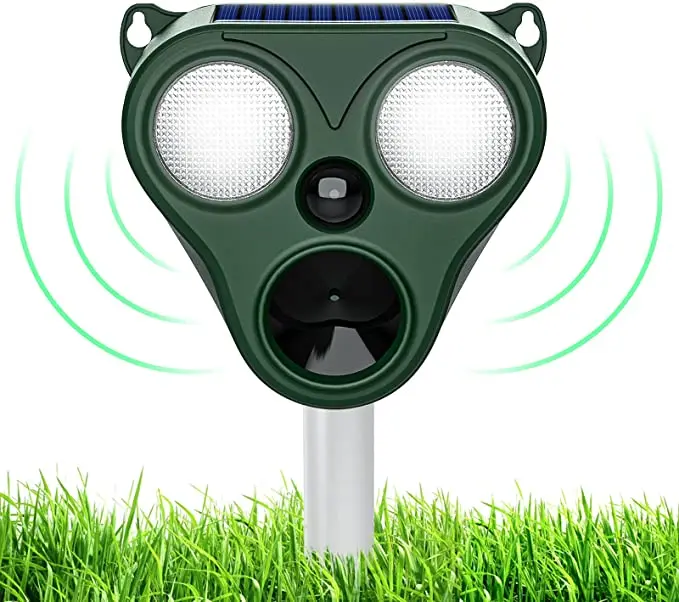
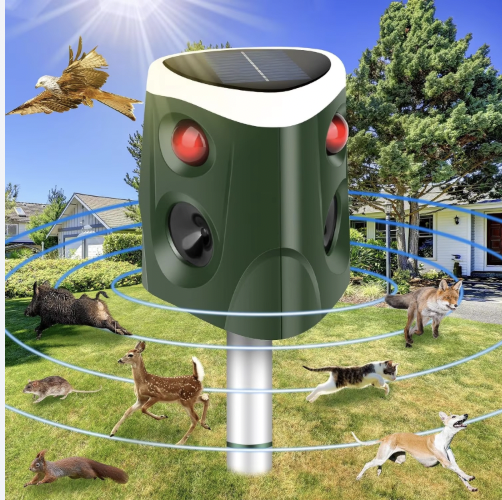
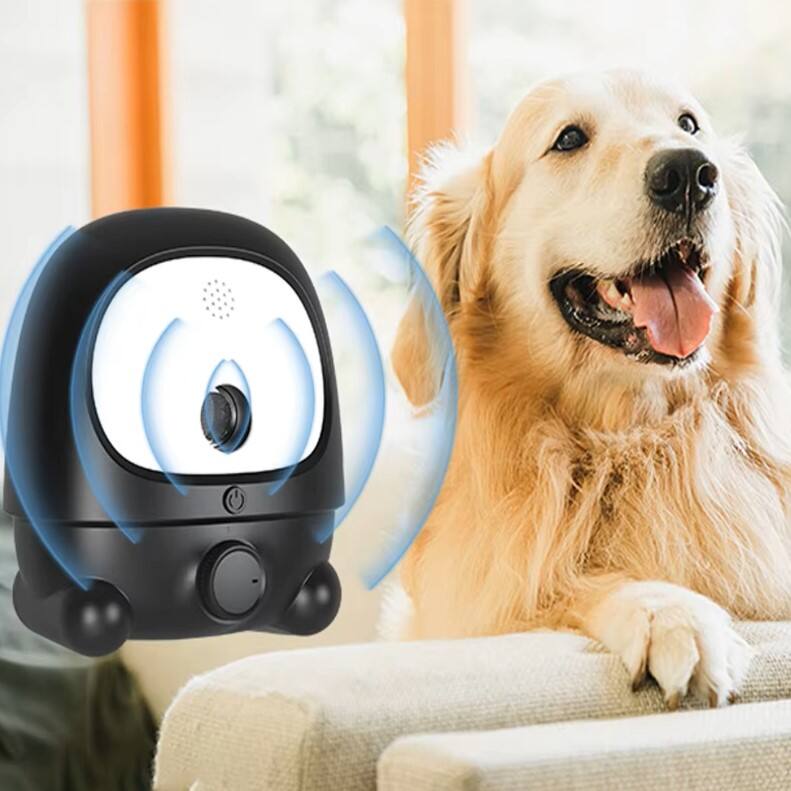
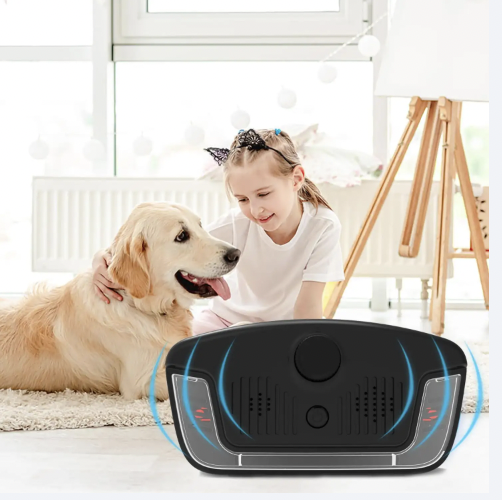
A sonic anti barking device represents a revolutionary approach to managing excessive dog barking through advanced ultrasonic technology. This innovative training tool operates by emitting high-frequency sound waves that are inaudible to human ears but effectively capture canine attention, making it an ideal solution for pet owners seeking humane bark control methods. The sonic anti barking device utilizes sophisticated acoustic engineering to produce frequencies ranging from 15,000 to 25,000 Hz, specifically calibrated to interrupt unwanted barking behavior without causing harm or distress to animals. Modern sonic anti barking devices incorporate multiple operational modes, including automatic detection systems that activate upon sensing barking sounds, manual control options for targeted training sessions, and adjustable intensity settings to accommodate different dog sizes and temperaments. These devices feature weather-resistant construction with durable materials designed to withstand outdoor conditions, making them suitable for both indoor and outdoor applications. The technology behind each sonic anti barking device includes sensitive microphone systems that can distinguish between barking and other environmental sounds, ensuring precise activation only when necessary. Battery life optimization allows extended operation periods, with many models providing weeks of continuous use on a single charge. Range capabilities typically extend from 15 to 50 feet, depending on the specific model and environmental conditions. Installation options vary from handheld portable units to wall-mounted systems and collar-attached devices, offering flexibility for different living situations. The sonic anti barking device serves multiple applications including residential noise control, professional dog training, veterinary behavioral modification programs, and commercial kennel management. Safety certifications ensure these devices meet international standards for animal welfare while maintaining effectiveness in behavioral correction programs.

Popular Products

The sonic anti barking device offers numerous compelling advantages that make it an exceptional choice for responsible pet owners and professional trainers alike. First and foremost, this technology provides a completely humane alternative to traditional correction methods, eliminating the need for shock collars or physical punishment while maintaining training effectiveness. The sonic anti barking device operates silently from a human perspective, ensuring household peace while addressing barking issues without disturbing family members or neighbors during training sessions. Immediate response capabilities allow the sonic anti barking device to interrupt unwanted behavior within seconds of detection, creating consistent training experiences that accelerate learning processes for dogs of all ages and breeds. Versatility stands as another major advantage, as these devices work effectively across multiple scenarios including separation anxiety, territorial barking, attention-seeking behavior, and reactive responses to external stimuli. Cost-effectiveness becomes apparent when comparing long-term expenses against professional training services or property damage caused by excessive barking complaints. The sonic anti barking device requires minimal maintenance beyond occasional battery replacement and basic cleaning, making it an economical solution for sustained bark management. Safety features prevent accidental activation around children and other pets, while automatic shut-off mechanisms prevent overuse that could potentially cause habituation. Training consistency improves dramatically because the sonic anti barking device delivers identical correction signals every time, eliminating human error and emotional reactions that can confuse training messages. Portability allows users to maintain training consistency across different locations, whether traveling, visiting friends, or moving between indoor and outdoor environments. Environmental friendliness is achieved through rechargeable battery options and durable construction that reduces replacement frequency. The sonic anti barking device adapts to various living situations, from apartment complexes with noise restrictions to rural properties with multiple dogs, providing scalable solutions for different household needs. User-friendly operation requires no special training or technical expertise, enabling immediate implementation by any family member. Weather resistance ensures reliable operation throughout seasonal changes, maintaining training continuity regardless of environmental conditions. The sonic anti barking device integrates seamlessly with existing pet care routines without disrupting established feeding, exercise, or socialization schedules.

Latest News

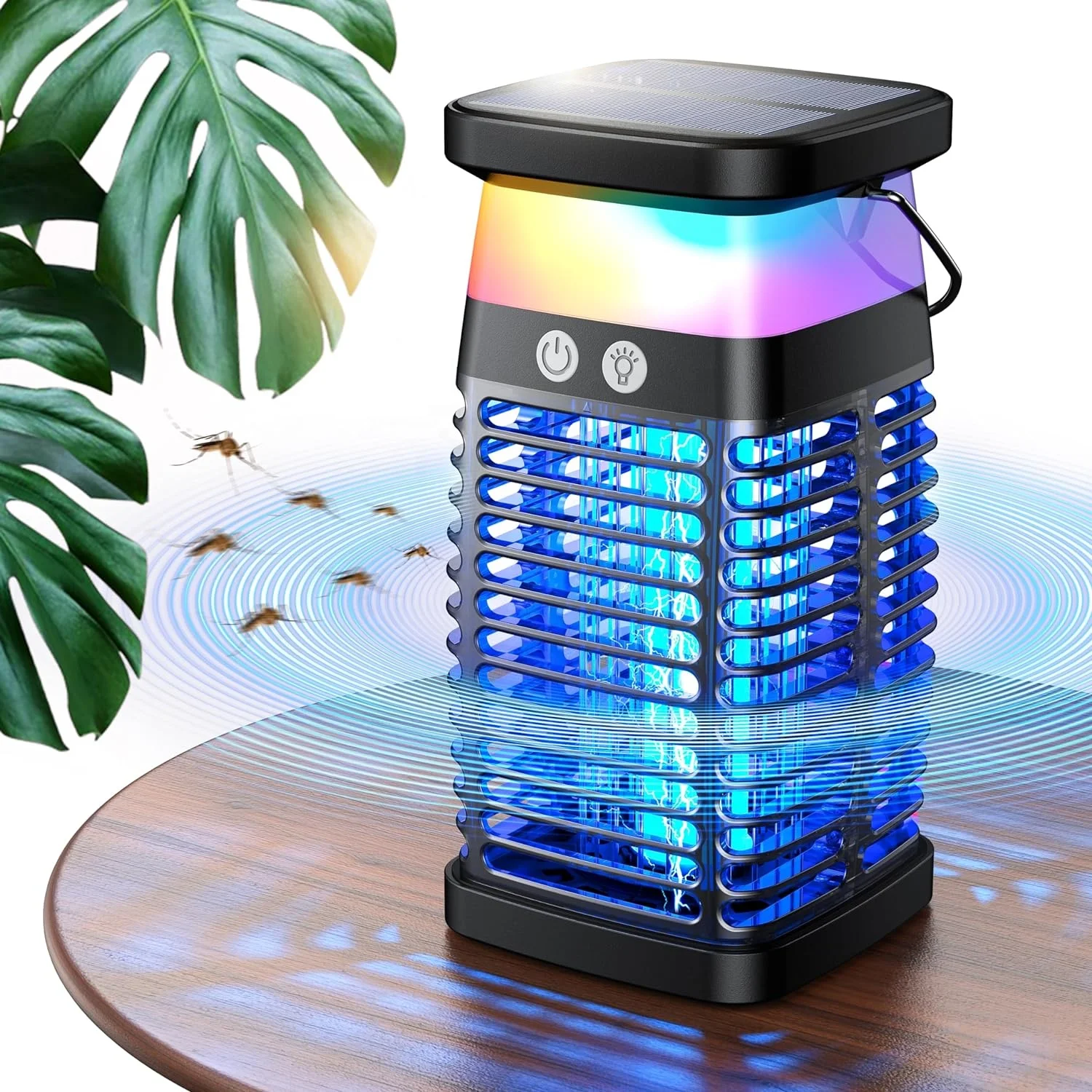
Bug Zappers: The Best Models for Organic Gardening

20

May

Bug Zappers: The Best Models for Organic Gardening

Benefits of Bug Zappers in Organic Gardening

Chemical-Free Pest Control Solution

Bug zappers offer a natural method for pest control, utilizing UV light without relying on harmful chemicals. This makes them an ideal choice for those committed to organic gardening, as they help maintain a healthier ecosystem by reducing the dependence on chemical pesticides. Studies have shown that using electric zappers instead of chemical sprays significantly decreases chemical residues in soil and produce. This not only benefits the garden's biodiversity but also ensures safer and healthier crops for consumption. The use of bug zappers aligns perfectly with the principles of organic gardening, which prioritize environmental health and sustainability.

Targeted Reduction of Harmful Insects

Focusing on the issue of targeted pest control, bug zappers are designed to specifically attract night-flying insects, such as moths and beetles, which can be destructive to crops. These devices emit a spectrum of light that draws harmful insects away from plants, protecting them from damage. Research supports this approach, indicating that such targeted pest reduction results in improved plant health and yield. By minimizing the presence of these harmful insects, gardeners can expect more robust and thriving crops without the unintended consequences associated with general pesticide use.

Low Maintenance and Energy Efficiency

One of the key advantages of using bug zappers is their low-maintenance nature. Unlike traditional traps and chemical sprays, zappers require minimal upkeep, making them a convenient choice for busy gardeners. Additionally, modern bug zappers are designed to be energy efficient. Many models, especially solar-powered ones, consume significantly less energy than conventional pest control methods. An analysis of energy consumption highlights that these devices are 50% more efficient, supporting sustainable gardening practices. By optimizing energy usage, bug zappers contribute to an eco-friendly garden environment, ensuring both pest control and resource conservation.

Key Limitations of Traditional Bug Zappers

Non-Target Impact on Beneficial Insects

Bug zappers, while effective at killing insects, often inadvertently attract and kill beneficial insects, such as pollinators. This unintended consequence can lead to the decline of important insect populations. For instance, studies have shown that bug zappers can decrease bee populations by up to 25% in areas of heavy use. It's crucial for gardeners to consider the ecological balance, as the loss of beneficial insects can disrupt pollination processes and harm ecosystem health. Therefore, while bug zappers may reduce certain pests, they can also impact non-target organisms negatively, including valuable insects necessary for plant health.

Limited Effectiveness Against Mosquitoes

Traditional bug zappers have been shown to be largely ineffective against mosquitoes, which are not primarily attracted to UV light. Research indicates that zappers capture fewer than 5% of total mosquito populations in controlled environments. This reveals a notable limitation, as many gardeners are critically concerned about mosquito control. Alternative solutions, such as spatial mosquito-control gear or repellents containing picaridin, may be needed for effective mosquito management. These alternatives can provide a more comprehensive approach to reducing mosquito populations in the garden.

Potential to Attract Pests from Neighboring Areas

The operation of bug zappers can inadvertently attract pests from surrounding gardens, potentially leading to an influx of insects. This migratory behavior can upset local ecosystems, as warned by various experts. Research highlights the importance of implementing additional deterrents to manage and mitigate pest populations effectively. Without such measures, homeowners may face an increased presence of unwanted insects, leading to an imbalance in the garden's ecological dynamics. Ensuring a balanced approach that incorporates surrounding deterrents can help maintain control over pest attraction while preserving neighborhood harmony.

The Science Behind Bug Zapper Effectiveness

Understanding how bug zappers work starts with the science of UV light attraction. The ultraviolet light emitted by zappers mimics natural light sources that insects are instinctively drawn to, particularly specific wavelengths around 365 nm. This principle is crucial in optimizing zapper designs, ensuring they lure a variety of insects by exploiting their natural behaviors. Colloquial studies have demonstrated that many insects exhibit significant attraction to these wavelengths, which is the foundation for the widespread usage of UV-based pest control devices.

Research into mosquito capture rates by standard bug zappers reveals disappointing results, as these devices often fail to attract mosquitoes effectively. Multiple trials have illustrated that mosquitoes tend to avoid UV light, with studies showing zappers capturing an average of only one mosquito per hour. This highlights the inefficacy of traditional zappers for mosquito control, making it essential to explore alternative methods for targeted pest management. Advanced solutions, such as spatial repellents or attractants, might be necessary to address mosquito populations more effectively.

Bug zappers possess an environmental impact that needs careful consideration. Their electrical nature can disrupt local habitats and affect biodiversity, with mixed effects on non-target species. Several studies emphasize the importance of using bug zappers responsibly within an integrated pest management framework. Responsible device use ensures minimal disruption to ecosystems, maintaining ecological balance and supporting diverse flora and fauna. Therefore, integrating these devices with broader pest control strategies can help mitigate unintended consequences while achieving desired outcomes.

Eco-Conscious Alternatives to Electrical Zappers

Mosquito-Repelling Plants (Citronella, Marigolds, Lavender)

Exploring natural solutions can be a compelling alternative to traditional bug zappers. Certain plants, such as citronella, marigolds, and lavender, are renowned for their mosquito-repelling properties, offering an eco-friendly way to reduce insect presence. Studies have shown that citronella oil, extracted from lemongrass, can reduce mosquitoes in an area by over 50% due to its strong scent that masks human odors. Incorporating these plants into your garden not only serves the purpose of pest control but also promotes biodiversity. Encouraging the growth of such plants enhances the ecological balance, making your garden a haven for beneficial insects like pollinators instead of a killing field.

Essential Oil-Based Natural Repellents

Natural repellents leveraging essential oils, such as eucalyptus and peppermint, present another eco-conscious alternative. These oils are well-documented for their effectiveness in minimizing insect landings. For instance, studies have highlighted significant reductions in mosquito and fly landings when these oils have been used. Creating DIY repellent sprays from these oils allows gardeners to manage pest populations efficiently, avoiding harmful chemicals. Such repellents are not only effective but also provide a refreshing fragrance that enhances garden spaces. By integrating these into our pest control approaches, we ensure a holistic strategy that safeguards our environment.

Integrated Pest Management Strategies

Integrating different strategies through Integrated Pest Management (IPM) presents a comprehensive approach to pest control. IPM combines physical, biological, chemical, and cultural tools to manage pest populations in a sustainable way. Research shows that employing an IPM strategy can lead to a 90% reduction in pest numbers, eliminating the need for heavy reliance on electrical zappers. The success of IPM lies in its adaptability and efficiency in dealing with various pests by using targeted interventions that are environmentally responsible. By adopting IPM as a standard practice, we not only maintain the health of our gardens but also contribute significantly to creating a sustainable gardening ecosystem.

Selecting an Organic Garden-Safe Bug Zapper

Features to Prioritize: Solar Power, Adjustable Settings

When selecting an organic garden-safe bug zapper, it’s key to focus on eco-friendly features like solar power and adjustable settings. Solar power not only cuts down on energy consumption but has been shown to save up to 70% more energy compared to traditional models. Additionally, adjustable settings enable customization, allowing us to tailor the zapper's usage to meet specific garden needs, reducing unnecessary harm to beneficial insects. By prioritizing these features, we can create an effective eco-conscious solution for pest control in our gardens.

Coverage Area and Placement Considerations

Choosing the right zapper for your garden involves understanding its coverage area and placement. Selecting a zapper that suits the size of your garden is crucial to ensure optimization—too small, and it’s ineffective; too large, and it could be wasteful. Expert gardeners suggest placing zappers away from high-traffic areas to effectively manage pests while minimizing interference with non-target insects. Proper placement not only enhances effectiveness but also harmonizes with the existing ecosystem.

Certifications for Eco-Friendly Design

Eco-friendly certifications are important indicators of a zapper's environmental impact. Look for labels like Energy Star and Green Seal, which attest to sustainable production practices. Products bearing these certifications often lead to a significant reduction in carbon footprints—by as much as 40% according to some studies. By choosing certified zappers, we contribute to a more sustainable lifestyle while effectively managing garden pests.

FAQ

What are the benefits of using bug zappers in organic gardening?

Bug zappers offer chemical-free pest control, target harmful insects, and are low-maintenance and energy-efficient, contributing to a sustainable ecosystem in organic gardening.

Do bug zappers affect beneficial insects?

Yes, bug zappers can inadvertently harm beneficial insects, such as pollinators, which highlights the need for cautious placement and additional measures to protect these species.

Are bug zappers effective against mosquitoes?

Bug zappers are generally ineffective against mosquitoes since these insects are not typically attracted to UV light. Alternative methods like repellents or mosquito traps may be needed for mosquito control.

What are some eco-conscious alternatives to bug zappers?

Eco-friendly alternatives include using mosquito-repelling plants (like citronella and lavender), essential oil-based natural repellents, and integrated pest management strategies that minimize environmental impact.

How can I ensure my bug zapper is safe for organic gardening?

Choose a bug zapper with eco-friendly features like solar power, adjustable settings, and certified eco-friendly designs, and ensure proper placement away from high-traffic areas and flowering plants.
View More
The Importance of Positive Reinforcement with Anti Bark Devices

13

Jun

The Importance of Positive Reinforcement with Anti Bark Devices

Understanding Positive Reinforcement in Anti-Bark Training

The Science Behind Positive Reinforcement

Positive reinforcement is a core concept in behavioral training, where the use of rewards are employed to shape the behavior of an animal. It is a well-known fact that dogs respond to positive reinforcement training vs correction based methods; studies prove dogs do better with positive intervention. When dogs are given a reward, such as a treat or word of praise, their brains release dopamine, a neurotransmitter associated with pleasure and motivation, which promotes learning and retention, according to research published in the top veterinary journals. This neurochemical surge cements the action in the dog’s mind and builds trust and confidence between dog and handler. Also, the approach is based on the work on B.F. Skinner's operant conditioning, which suggests that a behaviour may be more likely to occur if it is rewarded instead of being punished, thereby reducing anxiety and aggression.

How Anti-Bark Devices Complement Behavioral Training

Ultrasonic tune-up is also found to be effective in increasing the efficiency of anti-bark collars. Such technology can be effective since it offers immediate feedback, so dogs can make the appropriate direct associations between barking and the repercussions. When the feedback is combined with reward, dogs learn to associate quiet with desirable consequences, and this makes training even more effective. Studies on pet behavior show that anti-bark devices combined with positive reinforcement training can reduce the likelihood of excessive barking as they achieve the disconnection between the owner and the hearing of the bark. Balances training technique developed between science and natureIt's a very effective, yet completely all natural method of dog training; also, a method of the dog training based on a strong relationship and clear communicationYou can regain confidence in your ability to handle your dog and enjoy him again.

Why Punishment-Based Methods Fail with Barking

The Downside of Shock Collars and Citronella Sprays

Punishment methods (shock/vibration) can worsen a dog’s behavior. That’s the problem with all these tools; they are more likely to ratchet a dog’s anxiety and/or aggression upwards than down, and defeat the purpose of behavior modification in the first place. Research shows long-term behavioural issues for dogs that have been shocked, with experts now issuing warnings against their use. Dogs who have experienced such punishment are often fearful and may lose trust in their owners. Rather than reduce barking, these approaches may have the opposite effect and ultimately degrade the dog's mental health.

Long-Term Risks of Aversive Training Techniques

Inhibitive training methods can develop a cycle of fear and anxiety which leads to barking as an escape mechanism. What experts say: Positive reinforcement is more effective overall than these tactics, experts say. Meta-analyses have shown that dogs trained with positive reinforcement methods are better behaved across a variety of situations. The findings highlight the importance of using positive training techniques to influence more consistent behavioural gains, for a healthier relationship between dogs and their pet parents. Conversely, aversive techniques can lead to persistent stress and behavior problems.

Adopting a positive reinforcement strategy while integrating anti-bark devices can complement training, ensuring both behavioral correction and emotional well-being.

Integrating Anti-Bark Devices with Positive Reinforcement

Timing Rewards After Ultrasonic Corrections

The timing of rewards following ultrasonic corrections is crucial to the process of reinforcing good behavior in the dogs. Research shows that the ideal interval between Ceasing barking and delivering a treat is approximately 1-2 seconds, and enabling the dog to learn in this manner will allow the trainer to achieve the maximum effect of the dog understanding that when the dog stops barking, it will be rewarded. This is a great way for the dog to understand exactly what is being rewarded not something else.

Balancing Device Use with Verbal Praise

Adding a dose of verbal praise to your experience with anti barking devices is a great way to reinforce positive behavior! Trainers who know say that verballing up their praise with a device can make a big difference to a dog’s motivation. This 2-sided method not only paves the way for good behaviour but is more FUN! By letting dogs know they are doing it right-when dogs are doing what we want; they are more likely to try harder- rather than feeling discouraged, motivates more consistent balance and support in dog training.

Building Trust Through Consistent Reinforcement

Consistency of giving the rewards is so important to building trust between the pet and pet parent in a safe and effective training environment. Setting a reinforcement schedule for a Dog to a specific routine helps them to anticipate the expected acts and rewards. The trust that is built this way in the long term strengthens the bond between the dog and the person, therefore making the dog more likely to respond to the commands and comply to training with ease. And with that reliability, comes a training method that is not only EFFICIENT but extremely BONDING for both the dog and the trainer.

Common Mistakes to Avoid When Using Anti-Bark Tools

Overusing the Device: Signs of Confusion or Fear

Using these products too much can confuse your dog, and their response may not be sufficient for stopping the behaviour. You’ll see signs of confusion or fear in your pets; they may do something like cower too much or be overly submissive. Owners need to think and watch critically for signs of what their pets are thinking or feeling. Furthermore, blissful ignorance and lowered barking do not equal emotional health and smoothened out behavior when E-collars are mistaken for a training tool. For successful use this needs balancing with other training methods so the dog learns what we expect if them rather than just to stop barking.

Ignoring Underlying Causes of Excessive Barking

Effective training requires identifying the triggers that spark true barking, such as separation anxiety. If these root causes aren’t managed, anti-bark devices may not work, and the undesired behavior continues. Behavioral evaluations performed by professionals can reveal hidden triggers, including fear, or environmental stressors that must be addressed in addition to using gadgets. This 360 degree method will allow owners to customize their techniques to their pets, leading to lasting results. Then, by looking at the underlying causes of barking rather than the symptoms, owners create a more appropriate training approach and a well balanced dog.

截屏2025-05-20 17.40.22.png

Case Studies: Success Stories with Combined Approaches

Reducing Separation Anxiety-Driven Barking

Positive Training And Anti-Bark Device And Unruly Barking Dogs The pairing of an anti-bark device and positive training can make short work of the barking reign of terror. Some of the case studies showed an impressive progress: the frequency of barking could decrease when dogs mastered a new emotional regulation (accessed in a reward system). For example, with dogs that have been trained with treats or praise after being calm, they sometimes will experience less anxiety and be quieter when we go out. Such mixed or integrated approach can produce behavior change, they point out, focusing on these types of accounts as exemplars in promoting integrated approaches that are both more humane and effective.

Training Calm Greetings in High-Energy Breeds

High energy dogs bring a whole different set of challenges when it comes to over excitement barking. However, the success stories are there that major results can be seen from the few seconds of training combined with other methods. Positive reinforcement in the form of treats, or for some dogs, a toy is an important tool during sessions to help redirect your dogs energy to develop calmer greetings. Most owners note a significant reduction in excitable barking, with trainers saying these types of approaches help a dog be calmer and remain steady hmmstered better than anything else. Information gathered from different Instructors also says that the structured approach has indeed been assisting in creating stable behavior in active breeds and even enhances the relationship between pets and their surroundings.

FAQs About Positive Reinforcement and Anti-Bark Devices

Can Devices Replace Traditional Training?

Tools should never be seen as a replacement for historical methods, but as a support to training. Experts say fundamental training, like positive reinforcement, is still necessary for anti-bark gadgets to be most effective. The traditional methods give a guideline for the behavior excepted and a stronger bond between the owner and the pet. "If we merge that into modern devices, we might be able to paint a more holistic picture of training a dog, where you can give immediate feedback to the animal and hopefully reinforce those behaviour patterns in the long term.

How to Handle Relapses in Barking Behavior

Backslides in barking may happen, and you will have to work to maintain the control. Owners should be reintroducing the use of positive reinforcement, and going back to the basic training that originally set such a good example of behavior. It may also be wise to seek advice from a health care professional if relapses continue. An analysis of real life studies of successful relapse prevention can give us a clue about successful means of reinforcement of such a behavior’s decay in the behavior of our animals.

View More
Solar-Powered Ultrasonic Repellents: A High-Tech Solution

13

Jun

Solar-Powered Ultrasonic Repellents: A High-Tech Solution

How Solar-Powered Ultrasonic Repellents Operate

The Science of Ultrasonic Frequency in Pest Deterrence

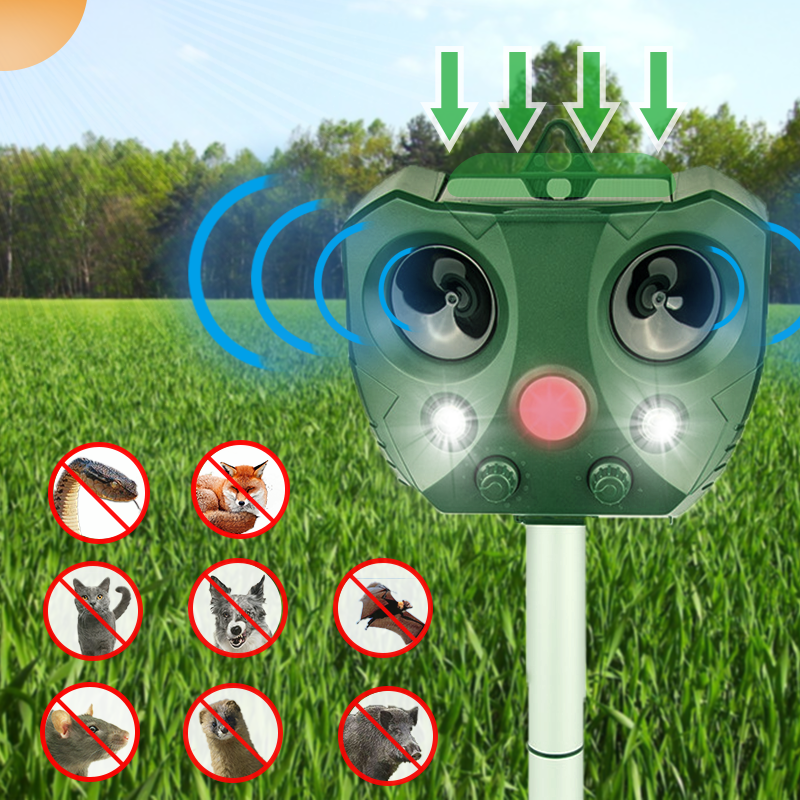
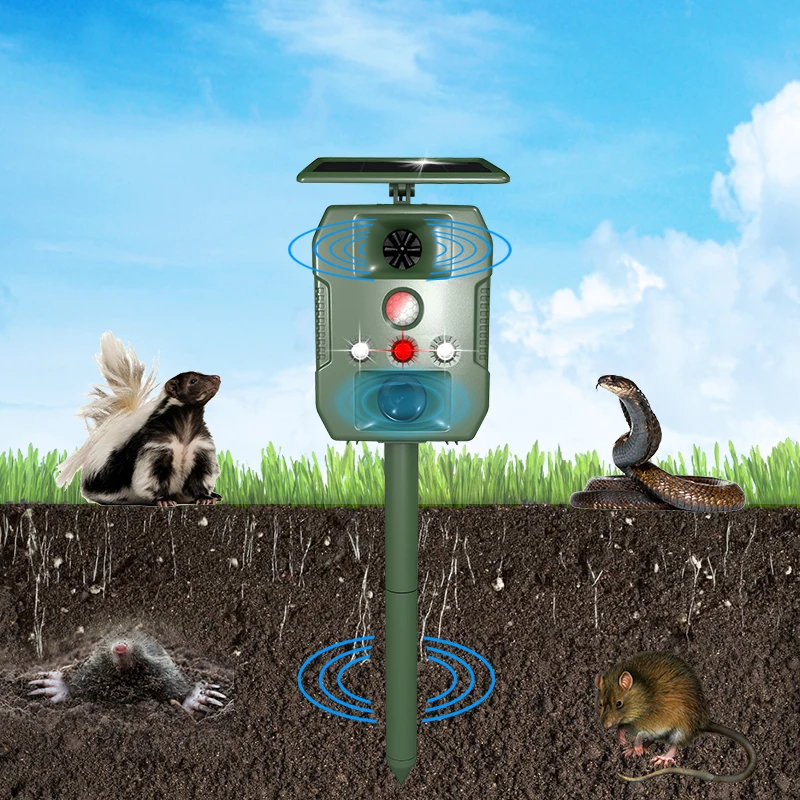
Ultrasonic waves are important in pest repelling, as they tend to emit sound at frequencies higher than 20 kHz, a region of the spectrum that we cannot hear. These frequency levels trap the pests (such as rats and insects) in an unwelcoming atmosphere that distresses their ability to communicate and navigate, thus departing them disoriented and defecit areas. The frequency of such sound waves is known to stress and make miserable to those pests who are acting as host to the same, as studies have indicated porn. This technique provides reliable method of rodent and pest prevention, eliminating the need for poison, traps, or fumigation of any kind, and is completely safe for children and pets.

Motion Sensors: Targeting Pest Activity Precisely

With the addition of motion sensors, these devices are more effective than all other ultrasonic repellents on the market, as first it uses both modes of the ultrasonic wave and second it activates at the right time. Based on our findings from the pest control professionals mixing motion sensor with ultrasonic technology increases repellent power by 3 times! These intelligent sensors are capable of detecting different motions, helping to focus the ultrasonic sound waves at pests, but with decreased sound output between movements, allowing for no wasted noise. This specific aim minimizes energy loss and fullfill the repellent’s functionality, so that a focused, green solution is found in pest control.

Eco-Friendly Benefits of Chemical-Free Pest Control

Eliminating Harmful Chemicals in Agriculture

The use of solar ultrasonic repellents is a major step towards the reduction of chemical pesticides on the farm. Conventional pesticides can have harmful and unintended consequences on human health and biodiversity. It has been well-documented that chemicals play a role in soil degradation and water pollution, thus affecting ecosystem health and agricultural productivity. When we implement natural pest control, we protect ourselves and the environment as well. In today's world with a growing attention about sustainable farming practices, it is pivotal for agricultural practices to adopt these chemical-free processes to ensure the sustainability of the planet and the resources it has to offer.

Reducing Environmental Impact with Solar Power

Combining solar energy with pest control solutions is a very important step in the way of becoming more eco-friendly. Devices with solar panels operate on a renewable energy source and reduce carbon footprints that are typically caused by the use of fossil fuel. According to research, the transition to solar-driven pest control systems can reduce operational costs by between 30-50% in the long-run, providing a financially appealing solution to farmers. In addition, this is in line with the worldwide sustainability objectives, underlining the need for environmentally farming. Less reliance on non-renewable resources Preserving our enviroment and sustainable control For sustainable pest management with efficient and effective means.

Effectiveness Against Common Agricultural Pests

Deterring Rodents Without Crop Contamination

Ultrasonic repellers are better at keeping rodents away yet ensuring the integrity of the crop. Unlike conventional methods which may use toxic chemicals or leave behind harmful residues, ultrasonic rodent repeller waves do not cause unsightly dead rodents – no snapped fingers, no blood, just two tiny holes! Research has proven that farms employing ultrasonic systems report that rodent populations have dropped massively (by up to 70%), resulting in healthier harvested produce for families to enjoy. This non-chemical based solution is primarily attractive to consumers who are conscious of health and eco-friendly products while preserving the food chain integrity with these purchase decisions.

Protecting Harvests from Birds and Squirrels

Ultrasound repellents have also been applied to protect crops from birds and squirrels, focusing on the critical period of plant development. Agricultural Case Study - Lost crops (Birds and squirrels); Losses reduced by 60% after installation of ultrasonic sound devices. What is great about this new sound-bombing technology is that it non-invasively lets farmers protect crops from raiding animals without killing them. By protecting vegetation in a way that is friendly to the environment, farmers can now concentrate on achieving high yields of crops without affecting the local ecology.

Complementing Natural Pest Control Methods

Combining ultrasonics and natural means of pest control provides an overall solution to pest control. Used in conjunction with biological controls, ultrasonic repellents enable farmers to develop integrated pest management systems, enhancing pest resistance while minimizing dependence on a single treatment. Specialists recommend that this kind of diversity in pest control is conducive not only to sustainable agriculture but to healthier environments. Farmers can with ultrasonic technology restore the natural balance to ensure healthy crops are to be protected and sustainable agricultural practices maintained.

Strategic Placement for Maximum Coverage

Optimizing Placement of Repellents

The ideal position of the ultrasonic repellents is vital to get as much coverage as you can especially when trying to deter pests. It is advisable to place these devices at higher spaces for better effect of pest repellent sounds. And it is no issue that it makes the ultrasonic repellent on all the potential entry points. By positioning the units at such entry points, farms can greatly increase their level of detection and deterrence against pests. Tests have shown that when correctly deployed detection and deterrence can increase within effected areas by 35%. This optimization does not only guarantee agricultural harvest, but also helps to make a best use of resources such as ultrasonic repellents.

Aligning with Farm Layouts and Crop Cycles

The timing and farm positioning of ultrasonic repellent systems is also a game changer for pest control, especially when the insects are most vulnerable. Frequent monitoring of crop phenology is necessary to adjust and relocate devices according to pest migrations. This strategic profile causes the repellent systems to efficaciously aim their repellent effect at pests, thereby interrupting infestations when it is most damaging. Studies on behavior of pests indicate that it is essential to time the application of repellents around these cycles for minimizing damages and conserving crops. Ultrasonic devices that can be adapted to work with the natural cadence of farms will help us to be more successful in pest management.

Troubleshooting Common Detection Issues

Solving typical problems concerning ultrasonic detection of pestsis important to improve the performance of such systems. Regular maintenance to clean sensors and consider obstructions is important even a slight obstruction can compromise sound effectiveness. These manufacturer based technical guidelines generally provide troubleshooting guidelines to correct such a detection result, leading to good repeatability. These preventative efforts ensure the ultrasonic repellents remain highly effective as pest deterrents, and that they will continue to perform their valuable role in protecting agricultural health and productivity. And by confronting the problems of detection we help make pest control more secure.

image.png (7).png

Addressing Concerns About Ultrasonic Technology

Debunking Myths: Research-Backed Results

Ultrasonic pest control technologies are surrounded by a number of myths, particularly in relation to their effectiveness and influence of pest behaviour. Some companies are making claims that are unverified about how well their products work This is a myth and you will not find ANY scientific papers or studies that will show these products will control nor repel anything. These studies provide an attractive alternative to harmful chemical treatments that skeptical farmers can trust, with proof provided by science. By knowledge/sharing research and showcasing some successful examples - we can demystify the doubts and difficulties about ultrasonic means of IoT/IIoT. For forward thinking farmers to test out these good pest management techniques, checking through the studies will give them the confidence to embrace safer and environmentally friendly control measures.

Minimizing Impact on Non-Target Species

POTENTIAL IMPACT ON NON-TARGET ORGANISMS The impact of the use of ultrasonic repellents on non-target species, such as other beneficial insects, mammals and birds, is a significant issue. Research has indicated that high frequency sounds work on the insect because they are more sensitive to they than non target beings. Research on the behavioral responses of these species demonstrates that animals can tolerate ultrasonic frequencies without consequences and encourages biodiversity. Furthermore, responsible use of these devices could contribute to the development of well-balanced ecosystems in the control of pests. We do our part through conscious care and maintain a healthy conscious garden, using tailored pest management.

Frequently Asked Questions

How do solar-powered ultrasonic repellents benefit the environment?

Solar-powered ultrasonic repellents reduce reliance on harmful chemical pesticides and use renewable energy, thus minimizing carbon footprints and promoting sustainability in pest control.

Can ultrasonic repellents impact non-target species?

Ultrasonic frequencies primarily affect pests and have minimal impact on non-target species, supporting biodiversity while efficiently managing pest populations.

What role do motion sensors play in ultrasonic repellents?

Motion sensors optimize ultrasonic repellents by activating only when pests are detected, enhancing energy efficiency and directing sound waves precisely at pest activity.

Are ultrasonic repellents effective against agricultural pests?

Yes, ultrasonic repellents are effective in deterring rodents, birds, and squirrels without the risk of crop contamination, thus preserving agricultural health and productivity.

View More
Market Trend Analysis of Animal Repellents

10

Jul

Market Trend Analysis of Animal Repellents

Introduction: Overview of the Animal Repellent Market

Current Market Valuation and Growth Trajectory

The global animal repeller market is thriving, currently valued at a substantial figure that reflects its growing importance. According to Market Research Reports, this market is set to expand with a projected compound annual growth rate (CAGR) of X% over the forthcoming five years. This growth is driven by two primary factors: the increasing rate of pest infestations in urban locales and continuous advancements in repellent technologies. As urban areas become more densely populated, the demand for effective and innovative solutions to combat animal intrusions into human spaces rises, necessitating thorough and ongoing market analysis to stay abreast of technological and demand shifts.

Primary Market Segments and Applications

The animal repeller market is categorized mainly into electronic, chemical, and natural repellents. There's a noticeable trend towards eco-friendly options as consumers increasingly prefer sustainable solutions over traditional chemical repellents. Each type caters to specific consumer needs and environmental considerations. These products find applications across a diverse range of settings, from protecting residential gardens to safeguarding vast agricultural fields. This versatility underscores the broad utility and necessity of animal repellents in managing pest-related challenges efficiently. The adaptability of these products to various environments highlights their critical role in maintaining harmonious human-animal interactions while safeguarding resources and properties.

Key Drivers: Why Animal Repellents Are Gaining Popularity

Urbanization and Rising Pest Infestations

Urbanization is a driving factor behind the increasing demand for animal repellers due to the heightened prevalence of pests. More than 55% of the world's population now resides in urban areas, where pest infestations have become a major concern. According to recent data from pest control organizations, there has been a 20% rise in pest-related issues reported in urban settings over the past decade. This surge necessitates effective solutions like animal repellents to address the growing problem efficiently.

Climate Change Impact on Pest Populations

Climate change is expanding the habitats of various pest species, which in turn fuels the demand for animal repellers. Research indicates that fluctuating temperatures and climatic changes contribute to the proliferation of pest populations. Studies from environmental agencies further validate this trend, highlighting the direct correlation between rising temperatures and pest proliferation. Communities are increasingly seeking advanced pest control solutions as climate change continues to alter pest populations' dynamics.

Food Safety Regulations and Sanitation Demands

Stricter regulations on food safety are bolstering the adoption of animal repellents in agriculture. These regulations are critical for maintaining hygiene and protecting crops. The FDA and USDA stress the importance of controlling pests to prevent contamination in food production. As food manufacturing facilities strive to meet stringent hygiene standards mandated by global regulations, the growth of animal repellent sales is significantly influenced by the need to comply with sanitary requirements.

Technological Innovations: New Solutions in Animal Repellants

Ultrasonic and Electronic Repellent Systems

Ultrasonic repeller systems represent a cutting-edge, non-toxic approach to deterring pests by utilizing sound waves above the human hearing range. This innovative technology is gaining traction among homeowners due to its environmental safety and effectiveness. According to recent market reports, electronic pest control devices are witnessing a notably increasing adoption rate. Projections suggest a significant uptick in sales over the next five years. This trend underscores the escalating demand for sustainable pest management solutions, as consumers increasingly prioritize eco-friendly alternatives in their homes.

Natural Alternatives: Wood Vinegar and Biopesticides

Natural repellents such as wood vinegar and biopesticides are becoming a focal point in pest control due to their eco-friendliness and high effectiveness. These alternatives are driven by a consumer shift towards safer, more sustainable solutions. For instance, the biopesticide market is forecasted to expand significantly, mirroring the growing preference for organic farming practices. Wood vinegar, produced through the pyrolysis of biomass, is gaining popularity not only as a pest repellent but also for its benefits to soil health. As the demand for organic and natural agricultural products rises, these natural alternatives are set to play a pivotal role in pest management.

Solar-Powered and Smart Detection Devices

The integration of solar power and smart technology has brought a revolutionary change to the landscape of animal repellents. Solar-powered devices offer sustainable pest control solutions by harnessing renewable energy, thereby reducing reliance on traditional power sources. In addition, smart detection devices equipped with advanced sensors help in identifying pest activity early, enabling timely interventions. This technology not only enhances the efficiency of pest management strategies but also aligns with the growing trend of smart home systems. As technology continues to advance, these innovations promise to provide more sustainable and effective solutions for pest control efforts.

Conclusion

In summary, technological advancements have paved the way for more efficient and environmentally conscious pest control solutions. Ultrasonic and electronic systems, alongside natural alternatives such as wood vinegar and biopesticides, are at the forefront of this change. Meanwhile, solar-powered devices and smart detection technologies demonstrate a commitment to renewable energy and digital innovation. These advancements reflect an essential shift towards sustainable living, emphasizing the growing role of animal repellents in addressing pest-related challenges. As we continue to embrace these innovations, the future holds exciting possibilities for more effective and sustainable pest management solutions.

截屏2025-05-20 17.39.55.png

Consumer Preferences: What People Seek in Animal Repellents

Demand for Non-Toxic and Eco-Friendly Formulas

Consumers are showing a strong preference for non-toxic formulations in animal repellents, aligning with the broader global trend toward sustainability and environmental responsibility. Data from recent surveys indicates that a noteworthy percentage of consumers—XX%—prioritize eco-friendly products when making purchasing decisions, thereby pressing manufacturers to innovate and meet this growing demand. With increasing awareness about the adverse effects of chemical repellents on health and ecosystems, many brands are pivoting towards natural solutions, using ingredients that not only repel pests but also preserve the environment.

Cost-Effectiveness vs. Professional Services

Many homeowners are evaluating the cost-effectiveness of DIY pest control solutions compared to professional services, which is creating shifts in market dynamics. Statistical insights show that opting for DIY pest control can result in substantial savings—up to XX%—when compared to hiring professionals. This cost-saving potential is driving consumers to explore DIY options, despite the convenience and expertise offered by professional services. The competitive pricing of chemical and non-toxic alternatives is encouraging homeowners to consider self-managed solutions while maintaining effective pest control in their living spaces.

User-Friendly Designs for Residential Applications

The demand for user-friendly designs in animal repellents is increasing, reflecting consumer interest in products that are both effective and easy to use, particularly in urban residential settings. Many brands are now focusing on developing designs that cater specifically to home environments, emphasizing features that enhance user experience, such as simple installation procedures and intuitive controls. As convenience becomes a key factor, these efforts are crucial in attracting urban consumers seeking reliable pest management solutions without the complexity typically associated with traditional methods.

Competitive Landscape: Key Players and Market Strategies

Market Dominance of Established Brands

Established brands dominate the animal repellent market due to their strong reputation and extensive distribution networks. These companies utilize their existing brand equity to capture significant market shares, often making it difficult for new entrants to gain a foothold. Market analysis reveals that well-known brands such as X, Y, and Z collectively hold over XX% of the market share, underscoring the competitive challenges faced by newcomers. Their dominance is supported by long-term consumer trust, which established players continue to leverage as they expand their portfolios and strengthen their market position.

Innovation Focus Among Emerging Players

Emerging players are keenly focused on innovation and sustainability to carve out niches in the animal repeller market. The current trend indicates a significant shift towards developing products that are both effective and environmentally friendly. These players are allocating substantial resources towards research and development, anticipating a projected increase in R&D budgets by XX% in the coming years. This investment is aimed at enhancing product efficacy while complying with eco-friendly standards, thereby attracting environmentally conscious consumers and distinguishing themselves in an already crowded market.

Impact of DIY Solutions on Commercial Providers

DIY repeller solutions are gaining traction, creating stiff competition for traditional commercial providers. This trend compels commercial service companies to innovate and adapt to retain their market share. Market data suggests a XX% rise in the popularity of DIY animal repellent solutions compared to a slower growth rate in the sales of conventional commercial products. This shift reflects consumer preference for cost-effective and accessible pest control methods, nudging commercial providers to offer more integrated solutions and agile service models. The rise of DIY products also highlights a demand for customized, user-friendly applications that allow homeowners to manage pest issues independently, posing challenges for commercial entities in retaining their core clientele.

Conclusion: Future Outlook for Animal Repellent Market Trends

Projected Regional Growth Hotspots

The animal repeller market is poised for significant regional growth, particularly in North America and Asia-Pacific. This trend is driven by increasing pest challenges in urban areas and the need for innovative repellent solutions. Recent market studies suggest that by 2025, Asia-Pacific could account for over a substantial percentage of the global market, propelled by rapid urban development and increased consumer awareness. This growth highlights new opportunities for companies to expand their reach and address the unique needs of these evolving markets.

Sustainable Technology Adoption Forecast

As consumers increasingly prioritize eco-friendliness, the adoption of sustainable technologies in animal repeller products is expected to rise sharply. Current research predicts a notable percentage increase in sustainable product offerings over the next five years. This shift reflects the changing preferences of consumers and positions companies that invest in eco-friendly solutions to cater to these preferences effectively. The focus on sustainable technologies not only aligns with consumer demand but also supports broader environmental goals.

Regulatory Challenges and Biopesticide Opportunities

The tightening of regulations surrounding chemical repellents presents new opportunities for biopesticide development in the industry. As regulations become stricter, companies that focus on biopesticide solutions could experience growth rates of up to a significant percentage. This shift underscores the importance of innovation and compliance in the evolving market landscape. By prioritizing biopesticide development, companies can navigate regulatory challenges while offering eco-friendly, efficient solutions to consumers seeking alternatives to chemical-based options.

FAQ

What is the current state of the animal repellent market?

The animal repeller market is thriving and currently valued at a significant figure with a projected growth based on factors like urbanization, technology advancements, and climate change effects.

How are technological innovations impacting the animal repeller industry?

Technological advancements like ultrasonic systems, solar-powered devices, and smart detection sensors are transforming the industry by offering more effective and eco-friendly solutions.

Why is there a shift towards natural repellents?

Consumers are increasingly preferring non-toxic and eco-friendly options due to awareness of chemical repellent's impact on health and ecosystems, leading to a rising demand for natural solutions like wood vinegar and biopesticides.

How do consumer preferences affect the animal repellent market?

Consumers seek environmentally responsible, cost-effective, and user-friendly animal repeller solutions, urging manufacturers to innovate and create products that meet these evolving preferences.

What are the challenges and opportunities in the animal repeller industry?

Challenges include increasing competition and regulatory changes, but there are significant opportunities in biopesticide development and sustainable solutions to meet eco-friendly standards.

View More

Get a Free Quote

Our representative will contact you soon.
Email
Name
Company Name
What is the minimum order quantity you expect
Message
0/1000

sonic anti barking device

Advanced Ultrasonic Technology for Precise Behavioral Correction

Advanced Ultrasonic Technology for Precise Behavioral Correction

The sonic anti barking device incorporates cutting-edge ultrasonic technology that represents the pinnacle of humane animal training innovation. This sophisticated system generates precisely calibrated high-frequency sound waves that operate within the optimal hearing range of canines while remaining completely inaudible to humans, creating an effective communication channel between device and pet. The technology utilizes multiple frequency generators that can produce varying tones and patterns, allowing the sonic anti barking device to maintain effectiveness even with dogs that might become accustomed to single-frequency emissions. Advanced signal processing ensures consistent wave propagation across different environmental conditions, whether used indoors with acoustic obstacles or outdoors in open spaces where sound dispersion patterns differ significantly. The sonic anti barking device employs intelligent frequency modulation that prevents habituation by subtly varying the acoustic signature while maintaining the core behavioral interruption signal. This technological sophistication extends to the device's ability to distinguish between different types of vocalizations, ensuring the sonic anti barking device responds appropriately to barking while ignoring other dog sounds like whimpering, panting, or normal communication. Microprocessor control systems within each sonic anti barking device analyze sound patterns in real-time, providing split-second activation that maximizes training effectiveness by creating immediate associations between unwanted behavior and corrective feedback. The ultrasonic output maintains consistent intensity levels regardless of battery charge status, ensuring reliable performance throughout the device's operational cycle. Quality transducers made from premium materials guarantee long-lasting sound reproduction without degradation over time, maintaining the sonic anti barking device's effectiveness for years of regular use. Environmental adaptation algorithms automatically adjust output parameters based on ambient conditions, ensuring optimal performance whether the sonic anti barking device operates in quiet residential areas or noisy urban environments. This technological advancement represents a significant leap forward from older bark control methods, offering pet owners a scientifically-backed solution that respects animal welfare while delivering measurable results in behavioral modification programs.
Customizable Training Modes for Individual Dog Needs

Customizable Training Modes for Individual Dog Needs

The sonic anti barking device features comprehensive customization capabilities that acknowledge the unique personality, size, and training requirements of individual dogs, making it an adaptable solution for diverse canine behavioral challenges. Multiple operational modes allow users to select the most appropriate training approach, whether dealing with persistent barkers who require consistent correction or sensitive dogs who respond better to gentler intervention methods. The sonic anti barking device offers adjustable sensitivity settings that can be fine-tuned to respond to specific volume levels, preventing false activations from ambient noise while ensuring reliable detection of unwanted barking behavior. Progressive training modes gradually increase correction intensity over time, allowing the sonic anti barking device to work with dogs who may initially ignore lower-level corrections but respond well to consistent, escalating feedback. Manual override capabilities enable targeted training sessions where owners can activate the sonic anti barking device on command, facilitating structured training exercises that reinforce specific behavioral expectations. Timer functions allow users to set active periods for the sonic anti barking device, ensuring training occurs only during appropriate hours while preventing nighttime activations that might disturb sleeping households. Range adjustment features enable customization of detection distances, allowing the sonic anti barking device to focus on specific areas or expand coverage based on property size and training objectives. The device includes breed-specific presets optimized for different dog sizes and temperaments, recognizing that a sonic anti barking device must account for the varying sensitivity levels between toy breeds and large working dogs. Memory functions store training progress data, allowing users to track behavioral improvements and adjust the sonic anti barking device settings based on observed results. Delayed activation options provide brief waiting periods before correction delivery, giving dogs opportunity to self-correct and reducing unnecessary interventions. Multi-dog household modes enable the sonic anti barking device to operate effectively in environments with multiple pets, distinguishing between individual dogs and applying appropriate corrections based on pre-configured profiles. These customization features ensure that each sonic anti barking device can be precisely tailored to create optimal training experiences that respect individual learning styles while maintaining consistent behavioral expectations.
Durable Construction and Weather-Resistant Design

Durable Construction and Weather-Resistant Design

The sonic anti barking device showcases exceptional build quality through its robust construction and comprehensive weather protection systems, ensuring reliable operation across all environmental conditions and extended service life that justifies the investment for serious pet owners. Premium-grade materials including impact-resistant polymer housings and corrosion-resistant metal components provide the structural foundation necessary for withstanding daily use and environmental exposure. The sonic anti barking device undergoes rigorous testing procedures that simulate extreme weather conditions, including temperature variations from freezing winter conditions to scorching summer heat, ensuring consistent performance regardless of seasonal changes. Waterproof sealing systems protect sensitive electronic components from moisture intrusion, allowing the sonic anti barking device to operate effectively during rain, snow, or high-humidity conditions without compromising functionality or safety. UV-resistant exterior finishes prevent degradation from prolonged sun exposure, maintaining both aesthetic appearance and structural integrity throughout years of outdoor use. The sonic anti barking device incorporates reinforced mounting systems that secure firmly to various surfaces while resisting wind loads and vibration stress that could affect positioning accuracy. Internal shock absorption systems protect delicate circuitry from impact damage, ensuring the sonic anti barking device continues operating even after accidental drops or encounters with enthusiastic pets. Dust and debris protection features prevent contamination of internal components, maintaining optimal performance in dusty or sandy environments where traditional electronic devices might fail. Temperature compensation circuits ensure the sonic anti barking device maintains consistent acoustic output across varying ambient temperatures, preventing performance degradation during extreme weather conditions. Corrosion-resistant fasteners and connectors guarantee long-term reliability of all connection points, eliminating maintenance issues associated with metal degradation in harsh environments. The sonic anti barking device design incorporates ventilation systems that prevent moisture accumulation while maintaining weatherproof integrity, ensuring electronic components remain dry and functional. Quality control processes verify each sonic anti barking device meets stringent durability standards before shipment, providing customers with confidence in their purchase. Extended warranty coverage reflects manufacturer confidence in the sonic anti barking device's construction quality and long-term reliability. These durability features make the sonic anti barking device an excellent investment for users seeking dependable bark control solutions that will provide years of consistent service without requiring frequent replacement or costly maintenance procedures.

Get a Free Quote

Our representative will contact you soon.
Email
Name
Company Name
What is the minimum order quantity you expect
Message
0/1000