Professional Ultrasonic Animal Repellent - Solar Powered Humane Pest Control Device

All Categories

Get a Free Quote

Our representative will contact you soon.
Email
Name
Company Name
What is the minimum order quantity you expect
Message
0/1000

ultrasonic animal repellent

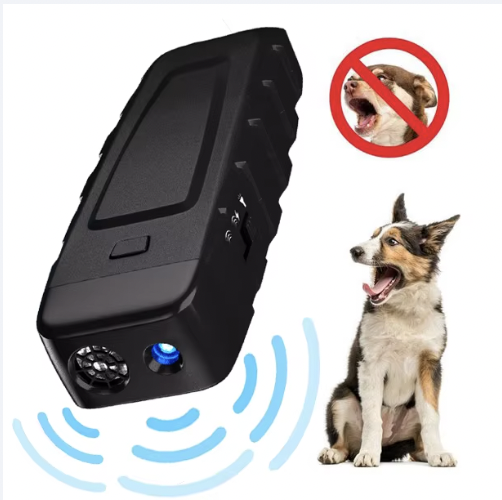
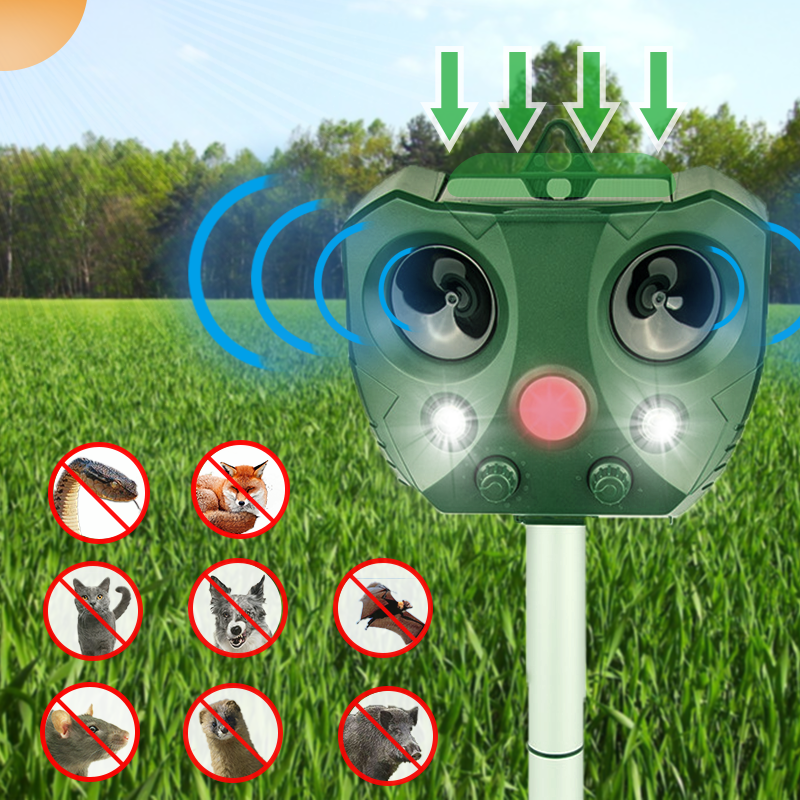
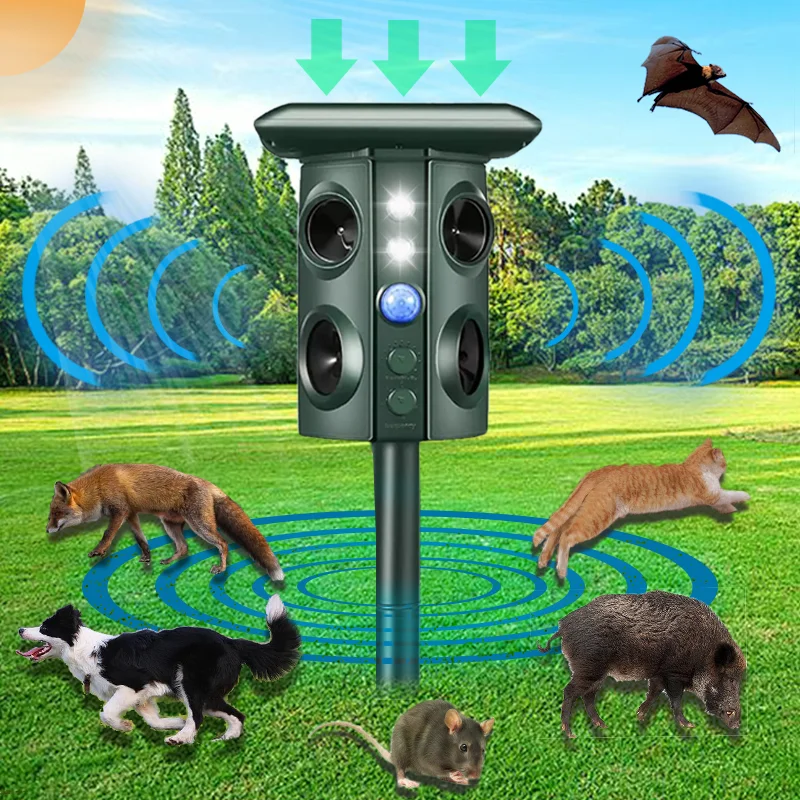
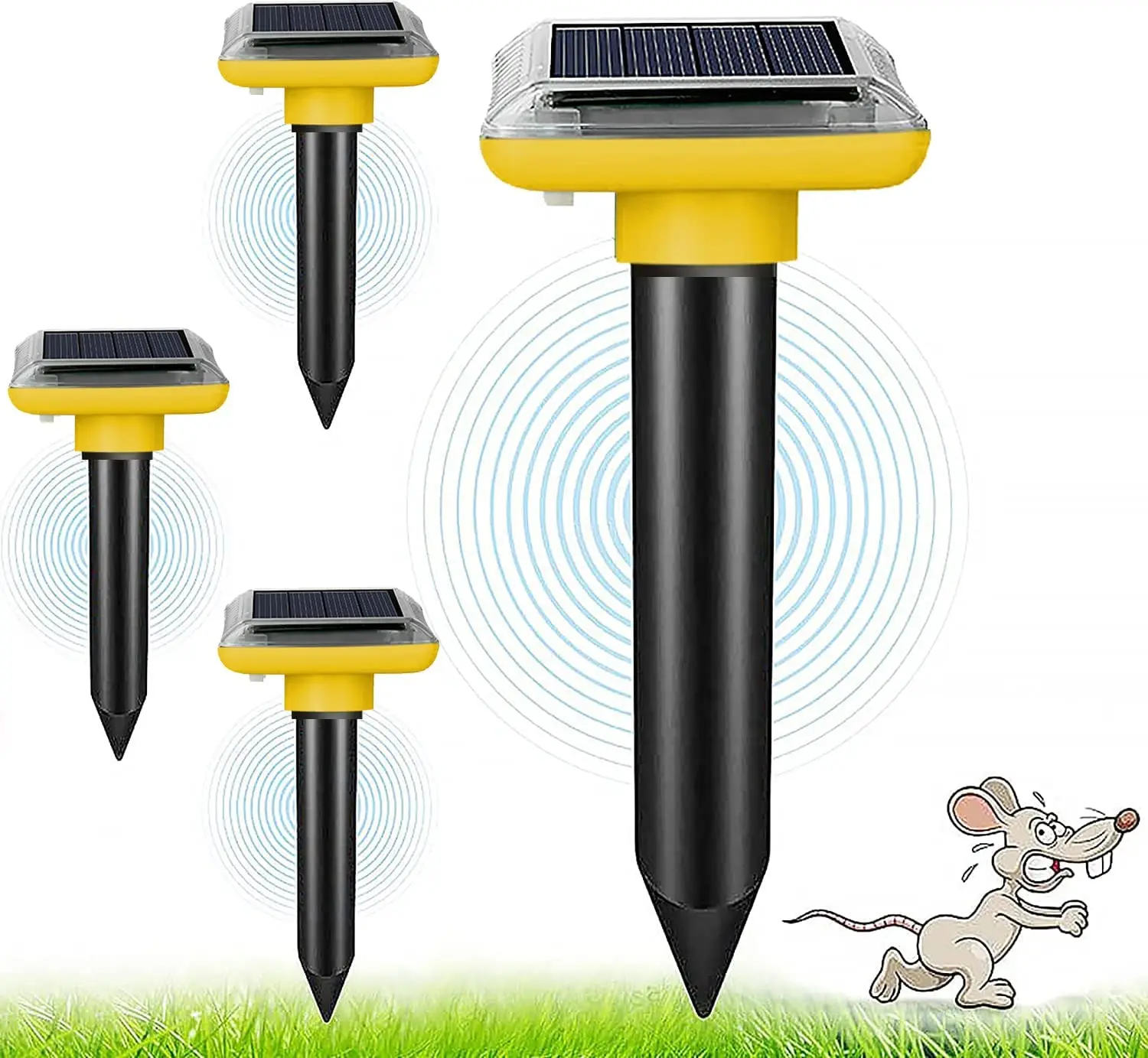
The ultrasonic animal repellent represents a revolutionary advancement in humane pest control technology, designed to protect properties from unwanted animal intrusions without causing harm to the creatures themselves. This innovative device operates by emitting high-frequency sound waves that are inaudible to humans but effectively deter various animals from entering designated areas. The ultrasonic animal repellent utilizes cutting-edge sonic technology to create an invisible barrier that keeps pests away while maintaining a peaceful coexistence with wildlife. The primary function of the ultrasonic animal repellent centers on its ability to generate sound frequencies ranging from 15 kHz to 50 kHz, targeting the sensitive hearing capabilities of different animal species. These frequencies create an uncomfortable auditory environment for animals such as rodents, cats, dogs, deer, raccoons, and birds, encouraging them to seek alternative locations. The device features multiple frequency settings that can be adjusted based on the specific type of animal requiring deterrence, making the ultrasonic animal repellent versatile for various pest control needs. Technologically, the ultrasonic animal repellent incorporates advanced PIR motion sensors that detect movement within a specified range, automatically activating the sound emission when animals approach. This smart detection system ensures energy efficiency while maintaining continuous protection. The device typically covers areas ranging from 30 to 5000 square feet, depending on the model specifications. Weather-resistant construction allows the ultrasonic animal repellent to function reliably in outdoor environments, withstanding rain, snow, and extreme temperatures. Solar-powered options provide sustainable operation without requiring electrical connections, while battery-operated models offer flexibility in placement locations. The applications for ultrasonic animal repellent systems span residential, commercial, and agricultural settings. Homeowners utilize these devices to protect gardens, lawns, garbage areas, and property perimeters from pest damage. Farmers employ ultrasonic animal repellent units to safeguard crops from wildlife interference, reducing economic losses while avoiding harmful pesticides or traps. Commercial establishments benefit from discreet pest control that maintains professional appearances while effectively managing animal-related issues.

New Product Releases

The ultrasonic animal repellent offers numerous compelling advantages that make it the preferred choice for environmentally conscious property owners seeking effective pest control solutions. This innovative technology provides humane animal deterrence that protects both your property and the wellbeing of local wildlife populations. Unlike traditional pest control methods that rely on harmful chemicals, traps, or physical barriers, the ultrasonic animal repellent creates a safe environment for families, pets, and the ecosystem while maintaining superior effectiveness in animal management. One of the most significant advantages of the ultrasonic animal repellent lies in its completely chemical-free operation, eliminating health risks associated with toxic pesticides and rodenticides. Families with children and pets can confidently use these devices knowing that no harmful substances threaten their loved ones' safety. The ultrasonic frequencies remain inaudible to human ears, ensuring that daily activities continue undisturbed while the device works continuously to maintain pest-free zones. This silent operation makes the ultrasonic animal repellent ideal for residential neighborhoods where noise restrictions apply. Cost-effectiveness represents another major advantage of the ultrasonic animal repellent system. Initial investment costs prove minimal compared to ongoing expenses associated with professional pest control services, replacement traps, or chemical treatments. Solar-powered models eliminate electricity costs entirely, while battery-operated versions require minimal maintenance expenses. The durable construction ensures years of reliable service, making the ultrasonic animal repellent a smart long-term investment for property protection. Installation simplicity gives the ultrasonic animal repellent a distinct advantage over complex pest control systems. Most models require no professional installation, tools, or permanent modifications to existing structures. Users simply position the device in strategic locations, adjust frequency settings for target animals, and activate the system. This user-friendly design enables quick deployment and easy repositioning as pest patterns change or seasonal migrations occur. The versatility of the ultrasonic animal repellent allows it to address multiple pest species simultaneously, providing comprehensive protection with a single device. Adjustable frequency ranges enable users to customize deterrence for specific animals, from small rodents to larger mammals. Motion sensor technology ensures targeted activation, conserving power while maintaining constant vigilance. Weather-resistant construction guarantees year-round operation regardless of environmental conditions, providing consistent protection through all seasons. Environmental sustainability makes the ultrasonic animal repellent an responsible choice for eco-conscious consumers. These devices support wildlife conservation by encouraging natural animal relocation rather than elimination, maintaining ecological balance while protecting human interests.

Latest News

Bug Zappers: A Comparison of Electric and Chemical Pest Control

13

Jun

Bug Zappers: A Comparison of Electric and Chemical Pest Control

How Electric Bug Zappers Work

UV Light Technology & Insect Attraction

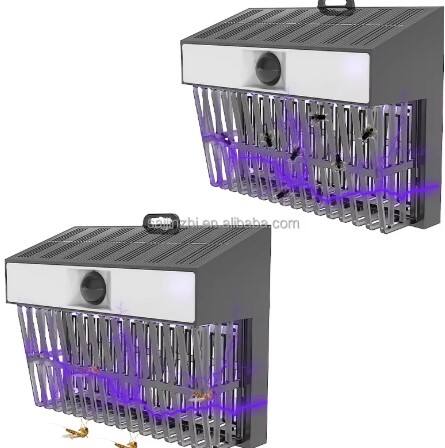
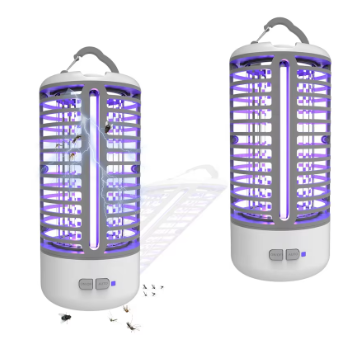
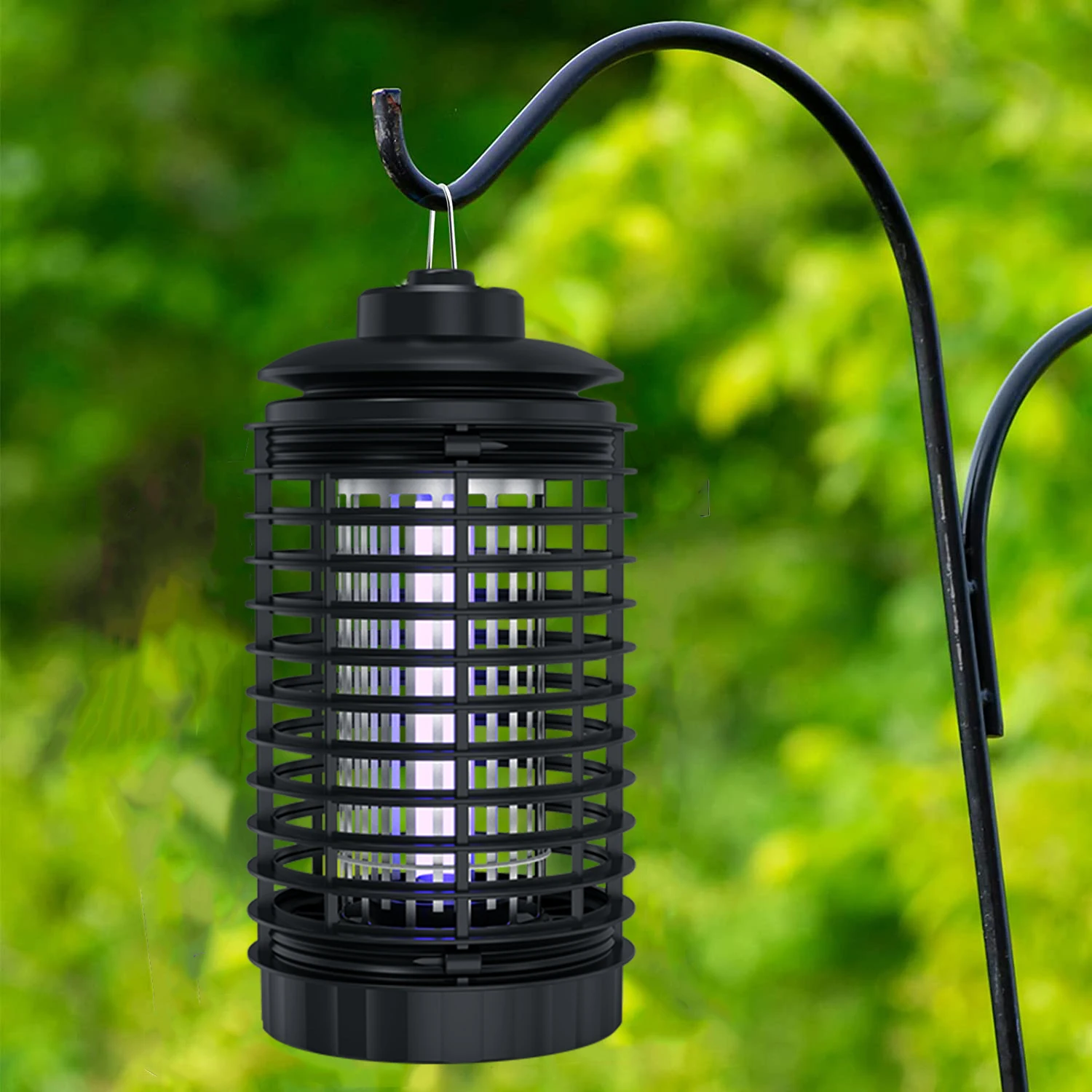
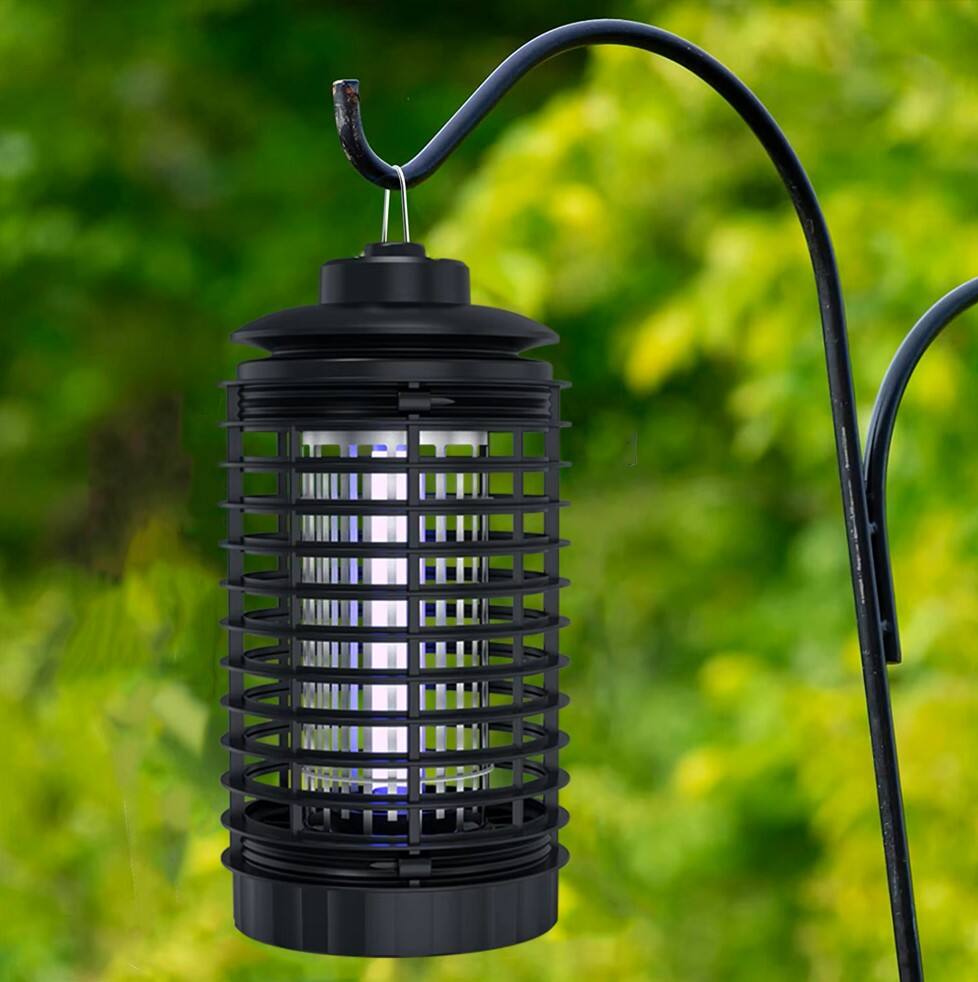
Electric fly killers work by using ultraviolet (UV) light to attract flying insects like mosquitos. Studies show this is extremely effective. UV light can attract insects by up to 30% over conventional light. This efficacy is due to the wavelength of UV light, which replicates natural light sources that insects are attracted to, and makes a favorite way to lure pest populations. Furthermore, insects have phototaxic activity and can move toward light. Consequently, the construction and location of bug zappers also become important factors to ensure effectiveness. Realizing that these weapons are harnessing insects’ attraction to light can make smart placement decisions where pests are most concentrated.

Instant Kill Mechanism: Grid Systems Explained

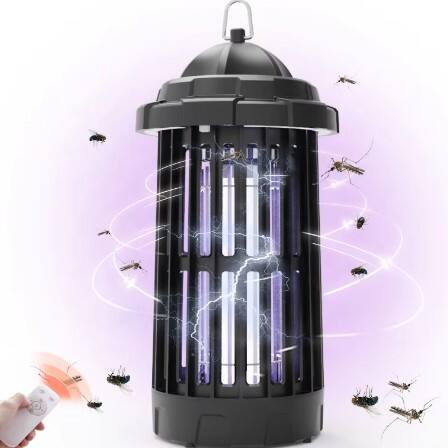
Most insect zappers have a grid system that electrocutes the bug on contact – they are dead in an instant. This mesh minimizes the risk of pests getting away, so when insects are attracted to the zapper, you know that they will be killed. The grid voltage is an important detail, generally ranging from 2,000 to 4,000 volts, resulting an instant death on bugs like flies, mosquitoes and others flying pests. The zapper grid must be cleaned and maintained on a frequent basis. Knowing how to keep up and clean the zapper grid is vital to keep the residue from blocking it and to have it perform optimally. A clean grid is crucial for maintaining the zapper’s effectiveness long-term.

Coverage Range for Indoor/Outdoor Use

Electric bug zappers come in different models with different coverage ranges so they can be used indoors and outdoors. Normal coverage is 1,000 to 5,000 square feet. The location of zappers makes a big difference when it comes to how effective they are, particularly if you’re using one outdoors where things such as wind or humidity can impact the attraction of insects. Knowledge of local behavior and population patterns among insects, helps consumers choose models with the maximum possible coverage against target insects. Understanding These factors allow users to strategically place zappers to achieve the maximum efficacy in the management of indoor and outdoor flying insect populations. It’s this flexibility that makes bug zappers the perfect solution for any pest management situation as they can be adjusted to the desired level of control and to suit the conditions.

Chemical Pest Control Mechanisms

Active Ingredients in Mosquito Sprays

The best mosquito sprays contain a variety of active ingredients to kill adult pests and prevent new ones from making a home. DEET is the most common active ingredient in insect repellents, followed by permethrin and picaridin, which are effective against mosquitoes. Studies have identified DEET as one of the most effective repellents, providing prolonged protection in various environmental settings. The popularity of these ingredients could highlight the importance of knowing the chemical composition and potential adverse effects of each component. Knowledge is key to the safe and correct use of chemical pest control.

Residual Effects on Surfaces and Air Quality

Chemical pest control applications can deposit residues on surfaces which can negatively impact indoor air quality in occupied buildings and provide a source of re-exposure to sensitive individuals and the environment. Culprit: These sprays contain compounds that have "plantal naps" that cause indoor air pollution, according to studies, which may make their use more difficult in a small space. Safety rules are important in fighting these problems. Monitoring the eco-toxicological impact of residual chemicals allows for an integrated management of pest control.

Frequency of Application Requirements

Mosquito Technicians Depending on the type of mosuqitos sprays and your local situation, reapplication won’t be the same each time. (In its most basic form, bronzer is required to be reapplied from a few hours to a day.) Using the label as a guide, and actually reading and adhering to the instructions are important to maintaining efficacy as well as eliminating potential extra costs. 2 Case studies on frequency of application demonstrate how the effectiveness might vary according to different aspects of human and environmental conditions, and point towards the importance of tailoring treatment to specific needs.

Effectiveness Comparison: Zappers vs. Chemicals

Mosquito Elimination Rates in Field Studies

Field studies show inconsistent effectiveness of electric bug zappers and chemical sprays in eliminating mosquitos. Bug zappers have been found to reduce mosquito populations by as much as 50% in some areas, but their efficacy is highly dependent on the approach and design. On the other hand, chemical sprays often give better immediate mosquito killing, but long-term population reduction varies greatly among chemicals. And, quite a number of experts advise to combine zappers and chemical sprays, then they will act synergically, that is, the effect will be more striking. Combination tactics such as these can improve the performance and durability of pest management options.

Impact on Non-Target Insects & Ecosystems

Bug zappers and chemical sprays can both be hazardous to non-targeted bugs—things that rarely correlate well with local ecosystems. Tests show that bug zapper can actually kill good species, with up to 20% of the insects it kills not being harmful. Similarly, chemical pesticides are often a threat to the pollinators and other beneficial organisms thereby requiring judicious attention towards sustainable pest management approaches. By evaluating these impacts we can promote integrated pest control strategies that harm ecosystems to the least extent, while still controlling mosquitoes.

Long-Term Pest Population Control

Although insect zappers provided short-term relief, the long-term and environmental effect on mosquito density must be studied in multiple seasons. Chemical approaches stand a good chance of immediate control, but require frequent treatments that can result in resistance of the pest to chemicals. The results of our study indicate that the combination of bug zappers with chemical control seems to be a more comprehensive approach to maximize and sustain pest control. Such an approach might capitalize on the benefits of rapid reduction and long-term management to secure sustainable pest control strategies in a range of habitats.

Environmental Impact Analysis

Beneficial Insect Casualties in Zappers

As effective as these devices are at zapping bugs, they also unfortunately kill the good ones too. They may destroy essential pollinators like bees that are necessary for the ecological well-being. Studies have shown that about 25% of zapped insects are non-targeted species. This brings attention to the unintended environmental effect these may have. With consumers increasingly conscious of these ecological implications it is important to consider options for pest control. Balancing mosquito control with environmental protection is important.
3(23596093b5).jpg

Chemical Runoff and Soil Contamination

Chemical pesticides to control mosquitoes have their own environmental problems. If overapplied, these chemicals can seep off the ground, polluting nearby waterways and disturbing aquatic habitats. Not surprisingly, there is a growing body of evidence of degraded water quality where crucial thresholds are surpassed. Soil contamination may also result from over- and mistimed application, emphasizing the importance of careful management. Greater awareness of these environmentally hazardous agents will empower consumers to select safer and more sustainable pest control methods, rather than applying chemicals that may be devastating to ecological systems.

Carbon Footprint of Reusable vs. Disposable Methods

When it comes to the carbon-footprint of mosquito control, zappers generally have a smaller footprint than chemical applications (which are often cartridge- or single-use) and multiple applications. This would appear to be the case since re-usable zappers contribute far less to which causes carbon emissions over the life of the products. This demonstrates the importance of the lifecycle assessment to consumer choice. When you opt for the reusable rather than disposable option, you not only address the current pest problem in your home, while you combat the pest, but, you also help reduce the size of your environmental footprint. Environmental awareness should also apply to the effectiveness and the sustainability of the things we use.

High-Coverage Outdoor Spaces: Zapper Advantages

Electric bug killers offer impressive advantages for people with spacious outdoor zones. Their ability to blanket large areas with little maintenance is a plus. Use of these systems is particularly preferred where such systems would be resistant to the effects of wind, and the like, which can disperse chemical sprays, e.g., in outdoor areas where individuals may wish to roam freely (e.g., including: outdoor events, picnics and other social gatherings). Consumers might ultimately see that zappers become a cost-effective method because they don’t require frequent applications like chemical solutions. This trait also provides them with an advantage for successful pest control in large, open areas.

Targeted Indoor Use: When Sprays Excel

Indoor solutions Home Use: The chemical spray is the most effective way to treat individual areas of infestations indoors. Ngatamiri I think zappers are good because they let you sort of 'get on the front foot' with pests, gives you some management against particular problems, (really good for barriers to entry, or problem breeding areas zappers don't address that well). Spays are targeted, so the results can be faster, and sometimes more obvious. This is why chemical sprays are particularly good when combatting indoor pest problems, because you’ll get direct and immediate relief.

Hybrid Approaches for Balanced Pest Management

A dual approach using both electrocution devices and sprays/substrates can be an efficient strategy to achieve the best control of pests with the least possible environmental impact. This approach is to dust zappers to catch those smaller, airborne-than-bite-size insects throughout larger spaces, and the targeted chemical sprays to nail just specific hotspots of infestation. Research shows that this integrated approach results in better long-term management of the pest. By combining such approaches, we are able to provide consumers with improved efficacy in their pest control efforts which minimizes the potential for significant pest re-infestations.

FAQ

Q: How do bug zappers attract insects?

A: Bug zappers use UV light that mimics natural light sources to lure insects.

Q: Are bug zappers safe for indoor use?

A: Yes, but they should be placed away from areas with high human activity to avoid unwanted contact.

Q: What maintenance do electric bug zappers require?

A: Regular cleaning of the grids to remove insect residue is essential.

Q: Can chemical sprays affect air quality indoors?

A: Yes, they can leave residual chemicals that may impact indoor air quality if not used correctly.

Q: Which method is more cost-effective for large outdoor areas?

A: Electric bug zappers tend to be more economical in expansive outdoor spaces.
View More
Anti Bark Devices: A Safe and Effective Training Aid

13

Jun

Anti Bark Devices: A Safe and Effective Training Aid

Understanding How Anti Bark Devices Work

The Science Behind Ultrasonic Technology

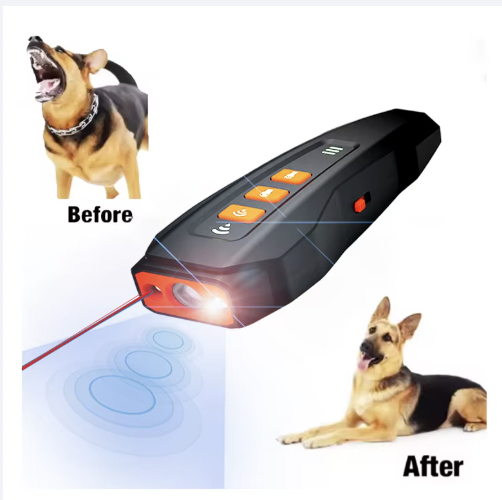
Ultrasonic technology is used in a variety of anti-bark devices, emitting sound waves at frequncies higher than the upper audible limit of human hearing, which is typically above 20 kHz. The ranges of these frequencies are quite beyond the frequency ranges for humans, but in dogs are easily heard. The basic mechanism of this device is sound FM (frequency modulation), which fluctuates according to the distance, intensity to be produced are suitable to draw dog’s attention. Studies performed by animal behaviorists demonstrate that the sound is able to distract dogs’ attention away from their source of interest and bad barking habits due to these sounds being a new stimulus. This technology has proven to be effective in dog training and this is based on proof derived from research studies that show that the ultrasonic devices, in combination with continuous training, contribute to controlling dogs unwanted barking behaviors by offering them a real-time reaction and an alerting feedback signal every time they bark.

Safety Features of Modern Anti Bark Devices

Today's bark-silencing technology is designed with multiple safety features to promote a humane approach to bark training. For example, many automatically time out to avoid over simulation turning off after a time of usage to ensure your dogs health. Most devices offer a range of sensitivity levels that can be set to match the size and temperament of a dog. This customization means that the gadgets are not only practical, but safe and moral. Even more, some pet safety groups have certified these systems as being safe for daily use, so being worried that they are going to damage is a thing of the past. When these safety features are added to their products manufacturers are letting the consumer know that their product meets the pinnacle of safety criteria so when dog owners grab their products, they can confidently use them time after time.

Key Benefits of Using Anti Bark Devices

Humane Alternative to Shock Collars and Physical Corrections

Anti barking devices are a cheap and humane alternative to a shock collar or other types of punishing anti bark training devices. These instruments are based on positive reinforcement techniques, which are useful for decreasing canine stress and anxiety. Reputable animal welfare groups recommend using sound deterrents including anti bark devices to encourage long-term healthy behavior change in contrast to punishment-based tactics tacmethods that affect a dog’s confidence, well-being, and training in the long term. Research shows that when canines are taught using positive methods, their relationship with their owners is greatly strengthened, as trust and cooperation are effectively established.

Portability for Indoor and Outdoor Training

Bark stoppers are convenient to carry around so you can take it outside easily since it can be recharged and the battery has charging protection. Portable and lightweight design allows for reinforcement to be felt wherever you go! On the leash or in the park, these tools help reinforce training practices essential for a well-behaved pup. Battery-PoweredIt allow the anti bark devices for dogs to work in any where.Besides, the anti barking device doesn't affect dog when it is not barking,thus you wouldn\'t have to worry about the dogs affected.

Choosing the Right Anti Bark Device for Your Dog

Adjustable Ultrasonic Modes for Different Breeds

While choosing an anti bark device, It is best to look for one set with adjustable ultrasonic levels. This adjustability enables the owner to tailor the training to their dog’s unique size and barking behavior for maximum effect. Studies show that many of the larger breeds of dogs have a response to auditory echo location cues that is qualitatively different from those of the small breeds of dogs and this in turn requires different frequency settings. Feedback we've received from our customers indicates that devices that have breed specific adjustments are generally more successful at eliminating excessive barking. This allows the training to be effective and responsive to the special requirements of each breed.

Range and Battery Life Considerations

When trying to choose an anti bark device it’s helpful to consider the effective range and battery life. Effective ranges vary by device, so choose one that fits your environment — whether it’s a snug apartment or a sprawling yard. Battery life is also very important, if you have a strong battery you can practice continously without bothering it recharging. Reviewers frequently stress that with longer battery life and more range, products provide better training experience and users are more satisfied. With you meeting these requirements before starting, your training experience for your patrons will be more successful and enjoyable.

Effectively Training Dogs with Anti Bark Devices

Combining Ultrasonic Cues with Positive Reinforcement

Combining ultrasonic with positive reinforcement is the most effective way to stop your dog from barking unnecessarily. Based on studies of animal behavior, such as reinforcement and operant conditioning, this training method prompts desired behaviors by creating positive associations with benign cues rather than punishing behaviors with harsh reprimands. By pairing a dog’s calm behavior with treats or praise and anti bark tools, the learning process is reinforced and positive associations are made between the desired behavior and the dog receiving a reward. Using those methods not only helps to modify your dogs behavior, but also brings trust and stress-free relationship between dog and owner.

Addressing Common Behavioral Triggers (Visitors, Noises)

Recognizing and preventing the most common behavioral triggers for barking and correcting the behavior can help train a dog to obey using a sound system. Studies have proven that dedicated training around these triggers results in a substantial decrease in the amount of excessive barking. Customizing training exercises by progressively addressing specific triggers key for many dog trainers. This method cleverly combines technology with the old school practice, resulting into a symmetrical technique that you can apply in varying conditions. Owners can greatly improve their dog's response in every situation by addressing the most common triggers.

截屏2025-05-20 17.40.08.png

Addressing Concerns About Anti Bark Devices

Myth-Busting: Effectiveness Across Dog Temperaments

One of the popular myths related to anti bark devices is that they are not effective no matter what dog temperament you have. But studies have revealed these apps can actually be of some use for dogs of different dispositions, from the anxious to the high-energy. Behavior experts say that although it can potentially take a few tries to curb such behavior, with consistent use, it’s fairly likely that a dog may bark less. For example, evidence from user success rates reports significant positive changes on users' temperamental profiles. This should debunk the myth, once and for all, that the device can only be effective for certain dog breeds or temperaments.

Proper Usage to Avoid Overstimulation

There is an important right and wrong way to utilize anti bark devices, regardless of which one you have chosen - it is very important to prevent overstimulation and to not associate any negative or punishment behavior with them when it comes to use. With the devices, experts suggest pet owners start on its lowest sensitivity settings, before gradually moving to settings requiring higher intensity. It makes dogs become accustomed to the device rather than afraid of it immediately. Trainers also emphasize the need to always pay attention to the dog’s responses and modify their training methods when needed. Doing so, the owners can make sure that the device is a nice adjunct in the training instead of adding more stress to the dogs.

FAQ

How do anti bark devices work?

Anti bark devices typically use ultrasonic technology to emit sounds at frequencies heard by dogs but not humans, effectively distracting the dogs and interrupting excessive barking.

Are anti bark devices safe for dogs?

Yes, modern anti bark devices have safety measures like automatic shut-off functions and adjustable sensitivity settings to ensure humane treatment of pets.

Can anti bark devices be used for all dog breeds?

Anti bark devices can be effective across various dog breeds and temperaments when used correctly and consistently as part of a broader training strategy.

View More
Impact of Pests and Diseases on Humans and Ways to Better Protect Our Homes - Animal Repellent & Bug Zapper

10

Jul

Impact of Pests and Diseases on Humans and Ways to Better Protect Our Homes - Animal Repellent & Bug Zapper

Introduction - How Pests Affect Human Health and Homes

Pests such as rodents and insects are not just annoying; they pose significant health risks and can cause extensive damage to property. These unwanted guests often spread diseases that can affect humans and animals, including severe illnesses such as salmonella and hantavirus through direct contact or contamination of food and surfaces. Their droppings, saliva, and shed skins can also trigger allergic reactions and asthma, making them particularly hazardous in homes with children or the elderly. From termites weakening structural wood to rodents gnawing through electrical wires, the property risks are just as troubling.

Understanding the impact of pests is crucial in both urban and rural settings where these creatures thrive due to the abundance of food and shelter. Urban areas with dense populations provide numerous hiding spots and constant food supply, making pest control a persistent challenge. Likewise, rural settings with farms or gardens offer an uncontrollable breeding ground, leading to potential infestations that threaten both health and agricultural productivity. Therefore, recognizing and addressing these risks is vital for safeguarding health and maintaining property integrity.

For those looking for solutions, products like Animal Repellent & Bug Zapper offer effective means to handle these pest problems. By understanding the magnitude of the threat pests pose, individuals can take proactive steps to mitigate risks, ensuring healthier living environments.

Health Risks - Diseases Spread by Pests

Mosquito-Borne Illnesses: Malaria, Dengue, and Zika

Mosquitoes are notorious vectors for some of the most fatal diseases worldwide. Malaria alone impacts over 200 million individuals annually, as per World Health Organization data. The burden of this disease is particularly heavy in tropical regions where mosquitoes thrive. Furthermore, dengue fever has seen a dramatic surge in cases, with more than 390 million people affected globally each year. This alarming trend underscores the urgent need for innovative prevention and control strategies to combat these mosquito-borne diseases. Zika, another mosquito-transmitted illness, has become a formidable concern, especially due to its association with severe birth defects when contracted during pregnancy. Controlling mosquito populations through novel methods and public health interventions is vital to reducing the prevalence of these illnesses.

Rodent-Transmitted Diseases: Hantavirus and Salmonella

Rodents are vectors for several severe diseases, notably hantavirus, which comes with a mortality rate of around 38%. The hantavirus pulmonary syndrome, quite rare yet deadly, highlights the significant danger posed by unchecked rodent infestations. Moreover, rodents are carriers of salmonella, transmitted through contact with droppings, which leads to thousands of cases of gastrointestinal distress annually. Effective management of rodent populations is critical in mitigating these health risks and safeguarding public health, particularly in urban settings where rodents are more prevalent.

Cockroach Allergens and Asthma Triggers

Cockroach exposure is a significant health issue, especially in urban areas where they are more common. Allergens from cockroaches are a major asthma trigger. Recent studies indicate that about 40% of asthma cases in children are linked to cockroach exposure, a startling statistic demanding action. Eliminating cockroach infestations can markedly reduce asthma symptoms and enhance the quality of life for those affected. Healthy urban living mandates not just control but also the eradication of cockroach presence to protect vulnerable populations, especially children, from such debilitating health triggers.

Overall, the pervasive health threats posed by pests like mosquitoes, rodents, and cockroaches necessitate a concerted effort in pest control management. Enhanced awareness and innovation in pest control strategies are key to mitigating these risks and promoting public health.

Impact on Property - Damage Caused by Pests

Termites and Structural Weakening

Termites are infamous for causing significant damage to properties, especially in the U.S., where they account for over $5 billion in annual repair costs. These tiny pests work silently, weakening structural components without noticeable signs until substantial damage is done. By the time homeowners realize there's a problem, the repair costs can be daunting. To combat this, preventive measures such as frequent inspections and early detection are vital. Regular checks can identify termite activity before it escalates, thereby saving on extensive repair expenses and preserving property integrity.

Rodent-Caused Electrical Hazards

Rodents present a significant threat to property by gnawing through electrical wires, which are a common cause of house fires. Each year, rodents are responsible for millions of dollars in property damage due to electrical failures, with estimates exceeding $20 million. This underscores the importance of safeguarding electrical systems through regular inspections. By routinely checking your property's wiring and implementing protective measures, you can significantly reduce the risk of fire and associated losses, ensuring a safer living environment.

Costly Repairs from Pest Infestations

The financial burden of pest infestations can escalate swiftly, with remediation costs ranging from hundreds to thousands of dollars. This expense often includes not only the immediate removal of pests but also the repair of damages they cause. Investing in preventive pest control measures is generally more cost-effective than managing an infestation after it occurs. Regular pest prevention strategies can minimize the likelihood of infestations, allowing you to maintain the property's condition and avoid unforeseen repair expenses. Prioritizing prevention is an investment in long-term property maintenance and can save homeowners from costly repairs.

4(42760b3117).jpg

Effective Solutions - The Role of Animal Repellents and Bug Zappers

How Ultrasonic Animal Repellents Work

Ultrasonic repellents offer a humane solution to pest problems by emitting high-frequency sounds that deter pests like rodents without harming humans or pets. These devices work by producing sound waves that are above the human hearing range but irritate pests, effectively encouraging them to vacate the area. Studies indicate that ultrasonic repellents can reduce rodent activity by up to 70% in treated zones, making them a popular choice for those seeking non-invasive pest control methods. Their efficacy highlights a modern approach to animal control that prioritizes safety and effectiveness.

Bug Zapper Technology: Targeting Flying Insects

Bug zappers leverage UV light to attract and eliminate flying insects, providing an effective solution for managing mosquito and fly populations in residential areas. These devices work by drawing insects toward the light source, where they make contact with an electrified grid, effectively reducing the number of biting incidents in areas prone to high mosquito activity. By lowering the presence of mosquitoes and flies, bug zappers significantly enhance outdoor safety, allowing families to enjoy their surroundings without the constant nuisance of biting insects. This technology is integral to modern pest management strategies, especially in regions with dense insect populations.

Benefits of Non-Toxic Pest Control Methods

Non-toxic pest control methods are gaining popularity as they present fewer health risks compared to traditional chemical pesticides. Techniques such as traps and natural repellents offer eco-friendly solutions that ensure the safety of humans and pets. Consumers increasingly favor these methods, driving growth in the sector as awareness of environmental and health impacts rise. By choosing non-toxic alternatives, individuals can maintain a healthy living environment while minimizing their ecological footprint, thereby contributing to broader efforts toward sustainable living and pest management.

Future Protection Strategies - What Are the Best Ways to Safeguard Homes?

Integrated Pest Management (IPM) Techniques

IPM techniques stand out as a sustainable method for managing pest populations by integrating biological, cultural, and mechanical practices to minimize hazards. These strategies promote environmental responsibility and efficiently reduce pest invasion by protecting non-target species through innovative interventions. By assessing pest levels, homeowners can make informed decisions to choose targeted treatment options and effectively decrease pest populations. Reliable IPM methods are increasingly adopted due to their proven success in preserving both home safety and environmental health.

Sealing Entry Points and Eliminating Harborage

Blocking pest access through sealing entry points is a crucial step in maintaining a pest-free home environment. By eliminating cracks and crevices, homeowners can significantly prevent pests from invading their spaces. Furthermore, routine removal of debris can help prevent the creation of potential nesting sites. Simple measures like sealing and regular home maintenance can effectively prevent pest infestations from taking hold, drastically reducing the risk to property and enhancing overall health and safety.

Professional Inspections and Preventative Treatments

Regular professional inspections offer preemptive solutions by detecting early signs of infestations, thereby avoiding costly damages and securing home safety. Professional pest control services are designed to identify and address pest issues through preventative treatments, significantly reducing pest recurrence. By ensuring these treatments are applied effectively, homeowners can safeguard their property from long-term threats, providing assurance of enduring protection. Embracing professional inspections and treatments thus proves invaluable in achieving sustained pest management outcomes.

Conclusion - The Importance of Using Animal Repellents and Bug Zappers for Protection

Utilizing animal repellents and bug zappers is crucial for maintaining healthy living environments. These tools offer a defensive barrier against common pests, effectively reducing the likelihood of infestations that can jeopardize our homes and health. By implementing such measures, we foster a safer and more sanitary space, ensuring peace of mind for families.

Preventive measures and timely interventions preserve both health and property value in the long run. Proactive pest management strategies, such as regular maintenance and the use of repellents and zappers, significantly minimize potential damage. This not only protects property investments but also secures a healthier living environment, free from the disease vectors often carried by pests. By taking these steps, we contribute to a safer and more harmonious coexistence with nature, benefiting both human inhabitants and the ecosystems around us.

FAQ

What diseases can pests spread?

Pests can spread a variety of diseases, including salmonella, hantavirus, malaria, dengue, and Zika. These diseases pose significant health risks and highlight the importance of pest control.

How can pests damage properties?

Pests like termites and rodents can cause significant property damage, including structural weakening and electrical hazards. These damages often lead to costly repairs.

What are effective solutions for pest control?

Effective solutions include using ultrasonic Animal Repellents, bug zappers, and non-toxic pest control methods. These approaches focus on preventing infestations and promoting safety.

Why should I consider professional pest inspections?

Professional inspections help identify early signs of infestations and provide preventative treatments, reducing the risk of severe damages and maintaining a pest-free environment.

View More
What Should You Look for in an Effective Bug Zapper for Outdoor Use?

15

Aug

What Should You Look for in an Effective Bug Zapper for Outdoor Use?

What Should You Look for in an Effective Bug Zapper for Outdoor Use?

Spending time outdoors — whether it’s in the backyard, on the patio, or camping — is one of life’s great pleasures. Unfortunately, warm evenings often bring uninvited guests in the form of mosquitoes, flies, moths, and other flying insects. These pests can be more than just annoying; some carry diseases, and others can damage gardens or food supplies.

For decades, the Bug Zapper has been one of the most popular tools for controlling flying insects in outdoor spaces. Using light to attract bugs and an electric grid to eliminate them, this device provides a chemical-free way to reduce pest populations. However, not all bug zappers are created equal, and choosing the right one can significantly impact performance and safety.

This article explores the essential features to look for in an effective Bug Zapper for outdoor use, helping you make an informed decision and get the most out of your investment.

Why Use a Bug Zapper Outdoors?

Before diving into features, it’s worth understanding why a Bug Zapper is such a practical outdoor tool:

  • Chemical-Free Pest Control: No need for sprays or toxic chemicals that may harm people, pets, or the environment.

  • Continuous Protection: Many models operate continuously to keep pests under control throughout the evening.

  • Ease of Use: Once installed, bug zappers require minimal maintenance.

  • Multi-Pest Control: Works against a variety of flying insects, not just mosquitoes.

By eliminating pests before they become a nuisance, bug zappers make outdoor gatherings more comfortable and enjoyable.

Key Features to Consider in an Outdoor Bug Zapper

1. Coverage Area

The coverage area determines how much space the Bug Zapper can effectively protect. Outdoor zappers often range from 500 to over 2,000 square feet.

Why it matters:

  • A zapper with too small a range won’t cover your yard effectively, allowing pests to gather in unprotected areas.

  • Oversized zappers for a small patio may consume more power than necessary.

When choosing, match the coverage area to your outdoor space size.

What Should You Look for in an Effective Bug Zapper for Outdoor Use?

2. Light Source Type and Wavelength

Bug Zappers typically use ultraviolet (UV) light to attract insects. The wavelength and type of light can influence how effective the unit is:

  • UV-A Light (around 365 nm) is most effective for attracting many flying insects.

  • LED-based UV lights are energy-efficient and long-lasting compared to traditional fluorescent UV bulbs.

Why it matters: The right wavelength ensures you’re attracting the pests you want to control, while avoiding wasted energy.

3. Power and Voltage of the Electric Grid

The grid voltage determines how quickly and effectively insects are eliminated. Most outdoor Bug Zappers operate between 1,500 and 4,000 volts.

Why it matters:

  • Too low, and some insects may survive the initial shock.

  • Too high, and there’s unnecessary energy consumption and potentially more audible “zapping” sounds.

A balance of power and efficiency ensures optimal results without excess noise or power use.

4. Weather Resistance

Since an outdoor Bug Zapper will be exposed to the elements, it should be weather-resistant:

  • Waterproof or water-resistant casing to handle rain and humidity.

  • UV-resistant materials to prevent damage from sun exposure.

Why it matters: A non-weatherproof unit will wear out quickly, leading to costly replacements.

5. Safety Features

Bug Zappers use electricity to kill insects, so safety is critical:

  • Protective outer casing to prevent accidental contact with the electric grid.

  • Child and pet-safe designs that ensure no one can touch the electrified parts.

Why it matters: Safety features prevent accidents, especially in homes with children or pets.

6. Power Source Options

Outdoor bug zappers can be powered in different ways:

  • Plug-in models: Reliable for continuous use but require an outdoor power outlet.

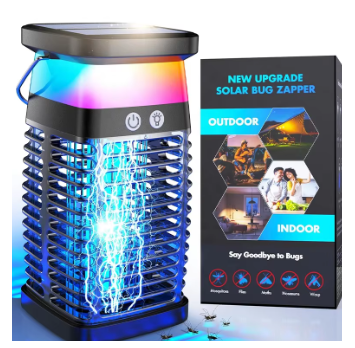
  • Solar-powered units: Eco-friendly and portable but may have reduced power in cloudy conditions.

  • Battery-operated units: Portable and flexible but require periodic battery replacement or recharging.

Why it matters: The right power source matches your outdoor space’s layout and intended use.

7. Portability and Mounting Options

Some bug zappers are designed to be hung from hooks, while others are freestanding or wall-mounted.

Why it matters: The ability to place the zapper where it’s most effective — such as near seating areas or garden edges — improves performance. Portable models are ideal for camping or moving between different outdoor areas.

8. Noise Level

While many people don’t mind the occasional “zap,” some prefer quieter operation. LED zappers often make less noise than those with higher-voltage grids.

Why it matters: A quieter zapper is better for relaxing outdoor gatherings without distraction.

9. Maintenance and Cleaning

Over time, dead insects accumulate in the zapper. Look for models with:

  • Removable collection trays for easy cleaning.

  • Self-cleaning grids to reduce buildup.

Why it matters: Easy maintenance ensures the zapper continues to work efficiently and extends its lifespan.

10. Multi-Function Features

Some modern Bug Zapper models include additional functions:

  • Integrated LED lighting for area illumination.

  • Mosquito lures or attractants for enhanced targeting.

  • Timer settings for automatic on/off cycles.

Why it matters: Multi-function devices can save space and improve pest control efficiency.

Placement Tips for Maximum Effectiveness

Even the best Bug Zapper won’t perform well if placed incorrectly. Keep these tips in mind:

  • Place the zapper away from seating areas to draw insects away from people.

  • Position it between insect breeding areas (like compost heaps or standing water) and your gathering space.

  • Ensure it’s in a dark or shaded spot at night so the UV light stands out.

Correct placement can greatly improve capture rates while minimizing interference with outdoor activities.

Environmental Considerations

While Bug Zappers are effective, they can attract and kill non-pest insects such as moths or beetles. To reduce environmental impact:

  • Choose models with selective wavelengths to better target pest insects.

  • Avoid placing zappers near flowering plants that attract pollinators.

By using a zapper responsibly, you can balance pest control with biodiversity preservation.

Advantages of Outdoor Bug Zappers

  • No chemicals or pesticides — safer for people, pets, and the environment.

  • Continuous operation keeps pests under control during outdoor activities.

  • Low maintenance compared to traps or sprays.

  • Effective against multiple insect species in one device.

Potential Limitations

  • May attract beneficial insects unintentionally.

  • Effectiveness can be reduced in brightly lit areas where the UV light is less visible.

  • Requires regular cleaning to maintain efficiency.

These drawbacks can be minimized through strategic placement, responsible use, and combining the zapper with other pest management methods.

Combining a Bug Zapper with Other Pest Control Methods

For the best results, use your Bug Zapper as part of an integrated pest management approach:

  • Remove standing water to reduce mosquito breeding grounds.

  • Keep food covered during outdoor events.

  • Use citronella candles or fans to add another layer of deterrence.

This multi-pronged approach helps keep pest populations low without over-relying on any single method.

Future Trends in Bug Zapper Technology

As technology advances, outdoor bug zappers are evolving:

  • Smart controls with mobile app integration for monitoring and adjusting settings remotely.

  • Energy-efficient designs that combine solar and LED technology.

  • Selective targeting systems that focus on specific insect species.

  • Improved safety features for enhanced child and pet protection.

These innovations promise to make bug zappers more efficient, environmentally friendly, and user-friendly.

Conclusion

Choosing the right Bug Zapper for outdoor use means looking beyond just appearance and price. The most effective models combine the right coverage area, light wavelength, grid power, safety features, and durability for your specific environment. Weather resistance, ease of cleaning, and flexible mounting options also play key roles in ensuring long-term satisfaction.

By investing in a well-designed, appropriately sized Bug Zapper and using it responsibly, you can enjoy outdoor spaces with fewer interruptions from flying pests — all without relying on harmful chemicals. As technology continues to improve, bug zappers will remain a valuable and increasingly eco-friendly tool for outdoor living.

FAQ

Do bug zappers kill all mosquitoes?

Not all. While they can kill mosquitoes, they are more effective on insects attracted to light, such as moths and flies.

Are bug zappers safe to use around pets?

Yes, if they have protective casings to prevent contact with the electrified grid.

Can I leave my outdoor bug zapper on all night?

Yes, but for energy savings and reduced impact on non-pest insects, you may want to use a timer.

Do solar-powered bug zappers work as well as electric ones?

They can be effective for small areas but may have lower power output compared to plug-in models.

How often should I clean my bug zapper?

Check and clean the collection tray or grid at least once a week during peak insect season.

View More

Get a Free Quote

Our representative will contact you soon.
Email
Name
Company Name
What is the minimum order quantity you expect
Message
0/1000

ultrasonic animal repellent

Advanced Motion Detection Technology for Precise Animal Control

Advanced Motion Detection Technology for Precise Animal Control

The ultrasonic animal repellent incorporates state-of-the-art passive infrared motion detection technology that revolutionizes how property owners approach pest management. This sophisticated sensor system distinguishes the ultrasonic animal repellent from basic deterrent devices by providing intelligent, targeted activation that maximizes effectiveness while conserving energy resources. The PIR sensors detect heat signatures and movement patterns within a carefully calibrated detection zone, ensuring that the ultrasonic animal repellent activates only when animals actually approach protected areas. This precision targeting prevents unnecessary operation during periods of no animal activity, significantly extending battery life in portable models while reducing wear on electronic components. The advanced motion detection capabilities of the ultrasonic animal repellent feature adjustable sensitivity settings that accommodate different environmental conditions and target species. Users can fine-tune detection parameters to respond appropriately to various animal sizes, from small rodents to larger mammals like deer or raccoons. This customization ensures that the ultrasonic animal repellent provides optimal performance regardless of the specific pest challenges faced by individual properties. The sensor technology also incorporates intelligent filtering mechanisms that minimize false activations caused by wind-blown vegetation, falling leaves, or other non-animal movements, maintaining system reliability and preventing operational inefficiencies. Installation flexibility represents another crucial advantage of the motion detection system in the ultrasonic animal repellent. The sensors typically offer 110-degree detection angles with ranges extending up to 35 feet, providing comprehensive coverage for most residential and commercial applications. Strategic placement of multiple ultrasonic animal repellent units creates overlapping protection zones that eliminate coverage gaps where persistent animals might attempt entry. The weatherproof sensor housing ensures reliable operation throughout all seasons, maintaining detection accuracy despite exposure to rain, snow, dust, or extreme temperatures. Professional-grade models of the ultrasonic animal repellent feature dual-sensor configurations that provide redundant detection capabilities, virtually eliminating the possibility of animals bypassing the system undetected. This advanced technology makes the ultrasonic animal repellent particularly valuable for protecting high-value areas such as vegetable gardens, expensive landscaping, or commercial agricultural operations where pest damage could result in significant economic losses.
Multi-Frequency Sound Emission for Comprehensive Pest Deterrence

Multi-Frequency Sound Emission for Comprehensive Pest Deterrence

The multi-frequency capability of the ultrasonic animal repellent stands as its most powerful feature, delivering targeted deterrence across a wide spectrum of pest species through scientifically calibrated sound emissions. This advanced acoustic technology enables the ultrasonic animal repellent to address diverse animal control challenges with remarkable precision and effectiveness. The device generates multiple ultrasonic frequencies ranging from 15 kHz to 50 kHz, each specifically tuned to target the hearing sensitivities of different animal species. Research-backed frequency selection ensures that the ultrasonic animal repellent delivers maximum deterrent impact while remaining completely inaudible to human ears, allowing seamless integration into residential and commercial environments without causing disturbance to occupants or neighbors. The variable frequency technology in the ultrasonic animal repellent prevents habituation, a common problem with single-frequency devices where animals gradually become accustomed to constant sound patterns. By automatically cycling through different frequencies or allowing manual frequency selection, the ultrasonic animal repellent maintains its deterrent effectiveness over extended periods. This frequency variation keeps target animals in a constant state of discomfort, preventing them from adapting to the deterrent signals and ensuring long-term protection of treated areas. Species-specific frequency targeting makes the ultrasonic animal repellent incredibly versatile for addressing multiple pest problems simultaneously. Lower frequencies effectively deter larger mammals such as deer, dogs, and cats, while higher frequencies target rodents, birds, and small mammals. This comprehensive coverage eliminates the need for multiple specialized deterrent systems, providing cost-effective pest management through a single ultrasonic animal repellent installation. Advanced models feature programmable frequency sequences that can be customized for specific pest profiles, allowing users to create tailored deterrent programs based on their unique animal control requirements. The sound projection technology in the ultrasonic animal repellent utilizes directional speakers that focus acoustic energy into specific zones, maximizing deterrent effectiveness while minimizing sound dispersion beyond target areas. This focused projection ensures that beneficial wildlife in adjacent areas remains undisturbed while problematic animals receive clear deterrent signals. The ultrasonic animal repellent typically provides effective coverage ranging from 300 to 5000 square feet, depending on model specifications and environmental conditions. Multiple unit installations can create comprehensive protection networks for larger properties, with overlapping coverage zones ensuring complete pest exclusion from protected areas.
Eco-Friendly Solar Power Operation for Sustainable Pest Control

Eco-Friendly Solar Power Operation for Sustainable Pest Control

The solar-powered operation capability of the ultrasonic animal repellent represents a significant advancement in sustainable pest control technology, offering environmentally responsible animal deterrence that operates independently of traditional power sources. This innovative feature transforms the ultrasonic animal repellent into a completely self-sufficient system that harnesses renewable solar energy to provide continuous protection while minimizing environmental impact and operational costs. The integrated solar panel technology in the ultrasonic animal repellent captures and converts sunlight into electrical energy that powers the device's electronic components, including the ultrasonic speakers, motion sensors, and control circuits. High-efficiency photovoltaic cells ensure optimal energy conversion even under partially cloudy conditions, while built-in battery backup systems store excess energy for nighttime operation and extended periods of low light. This energy independence makes the ultrasonic animal repellent ideal for remote locations, agricultural applications, and properties where electrical access is limited or impractical. The environmental benefits of solar-powered ultrasonic animal repellent systems extend beyond simple energy independence. By eliminating reliance on disposable batteries or grid electricity, these devices significantly reduce their carbon footprint and contribute to sustainable pest management practices. The ultrasonic animal repellent operates for years without requiring battery replacements, eliminating hazardous waste disposal concerns associated with traditional battery-powered devices. This eco-friendly operation aligns with growing consumer demand for environmentally responsible products that deliver effective performance without compromising ecological integrity. Installation flexibility represents another major advantage of solar-powered ultrasonic animal repellent systems. Without requiring electrical connections or proximity to power outlets, these devices can be positioned in optimal locations based purely on pest control effectiveness rather than power availability constraints. This flexibility enables strategic placement in areas where animals typically enter properties, maximizing deterrent impact while maintaining aesthetic appeal. The weatherproof solar panel design ensures reliable energy collection throughout all seasons, automatically adjusting to changing daylight patterns to maintain consistent operation. Advanced power management systems in premium ultrasonic animal repellent models feature intelligent energy conservation protocols that optimize power consumption based on detected animal activity levels. During periods of low pest activity, the system reduces power consumption while maintaining sensor vigilance, extending operational periods during adverse weather conditions. Smart charging controllers prevent battery overcharging and deep discharge cycles, significantly extending battery lifespan and ensuring reliable long-term operation. The cost savings associated with solar-powered ultrasonic animal repellent operation prove substantial over time, eliminating ongoing electricity costs and battery replacement expenses while providing superior pest control effectiveness compared to traditional methods.

Get a Free Quote

Our representative will contact you soon.
Email
Name
Company Name
What is the minimum order quantity you expect
Message
0/1000