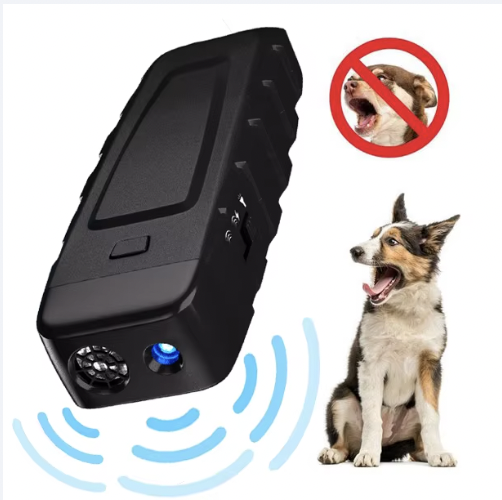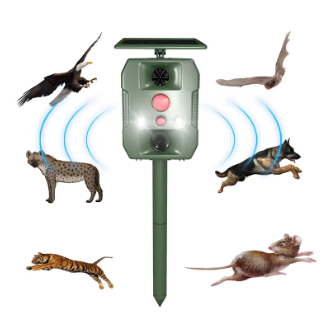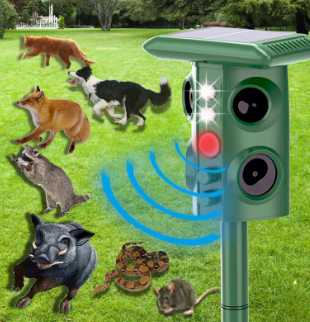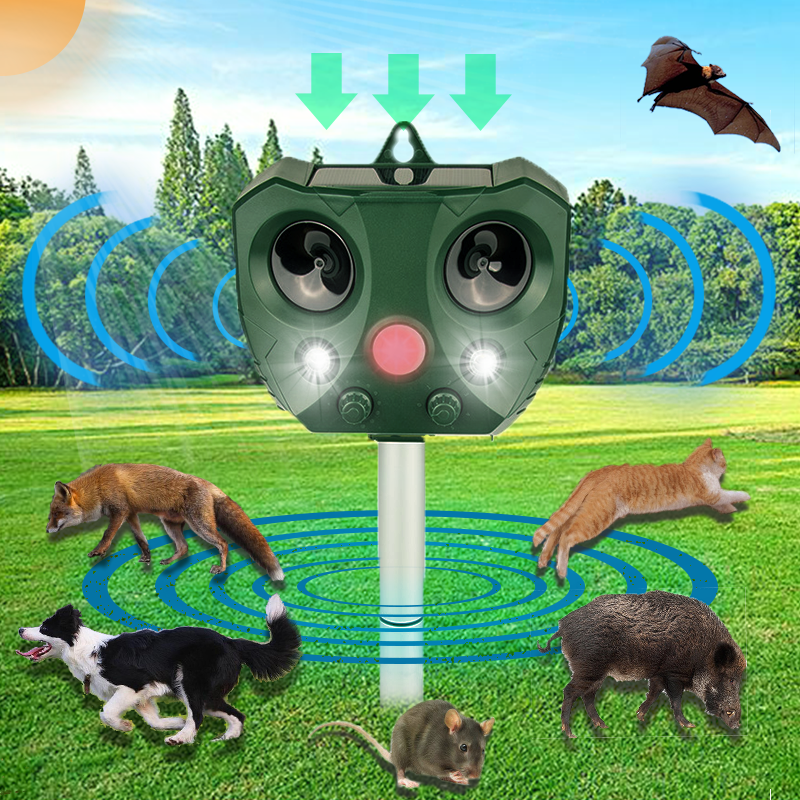
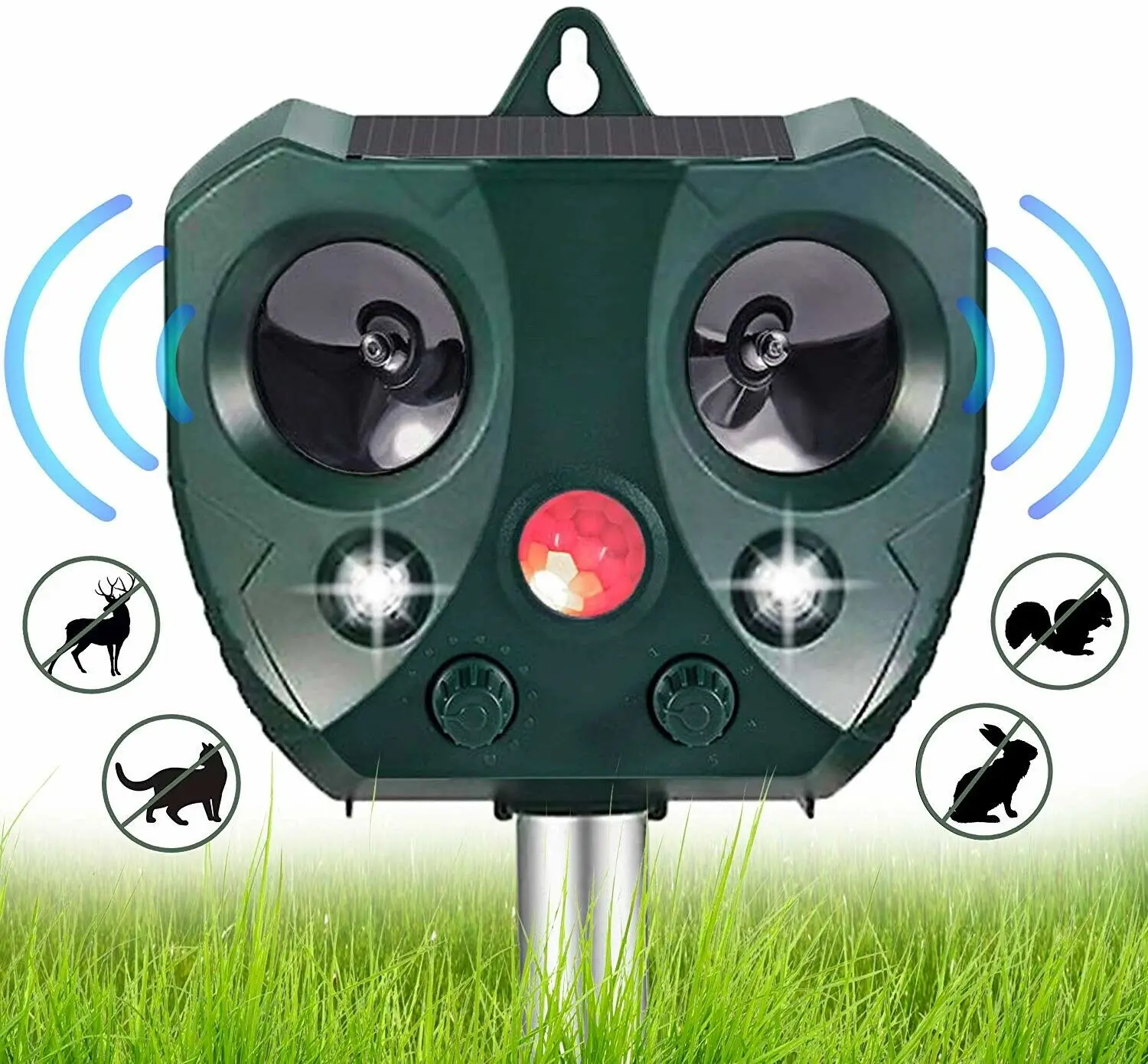
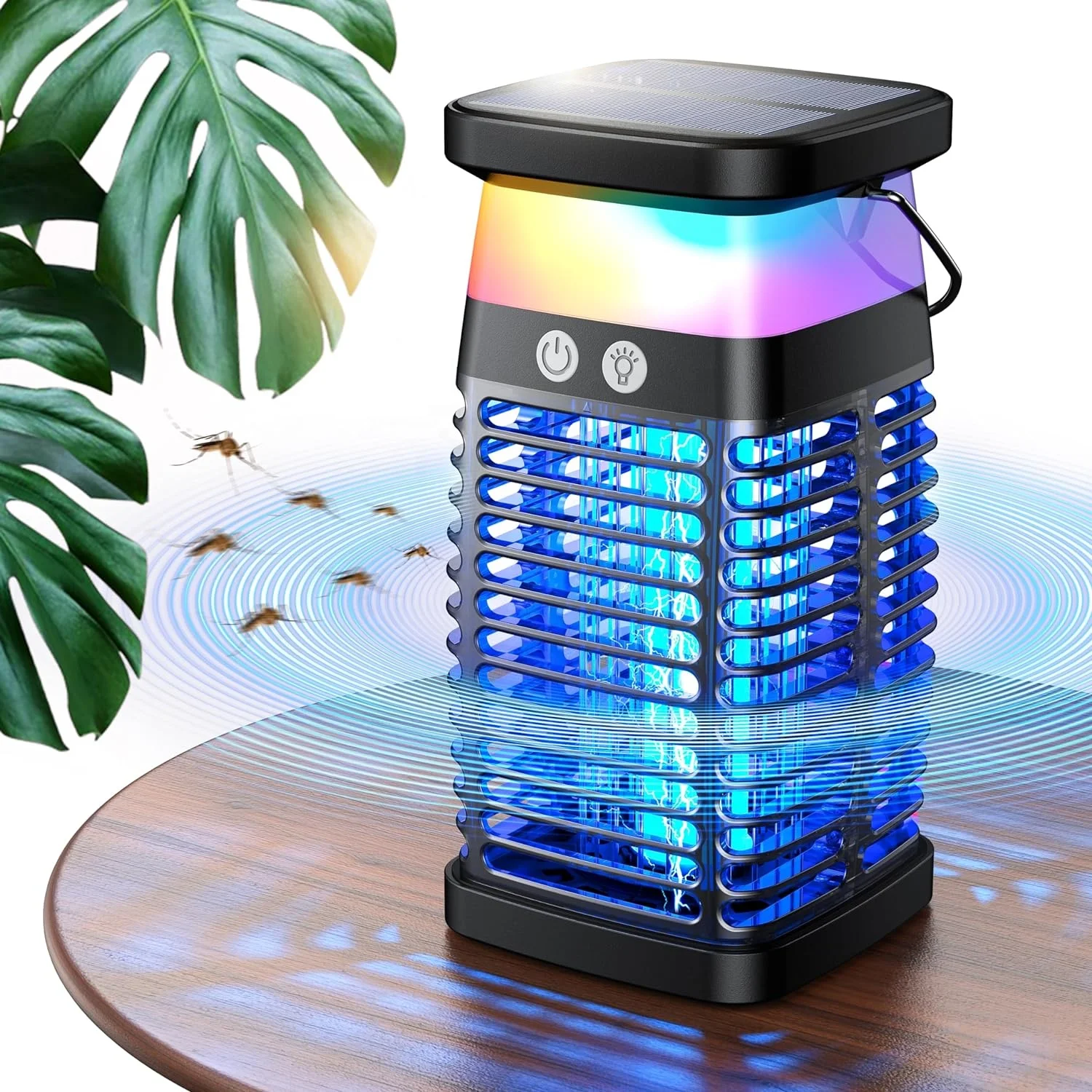
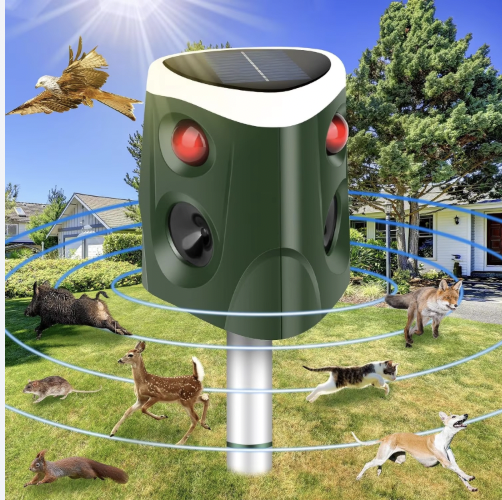
Electric Rat Zapper - Advanced Rodent Control Technology for Safe and Effective Pest Elimination

All Categories

Get a Free Quote

Our representative will contact you soon.
Email
Name
Company Name
What is the minimum order quantity you expect
Message
0/1000

electric rat zapper

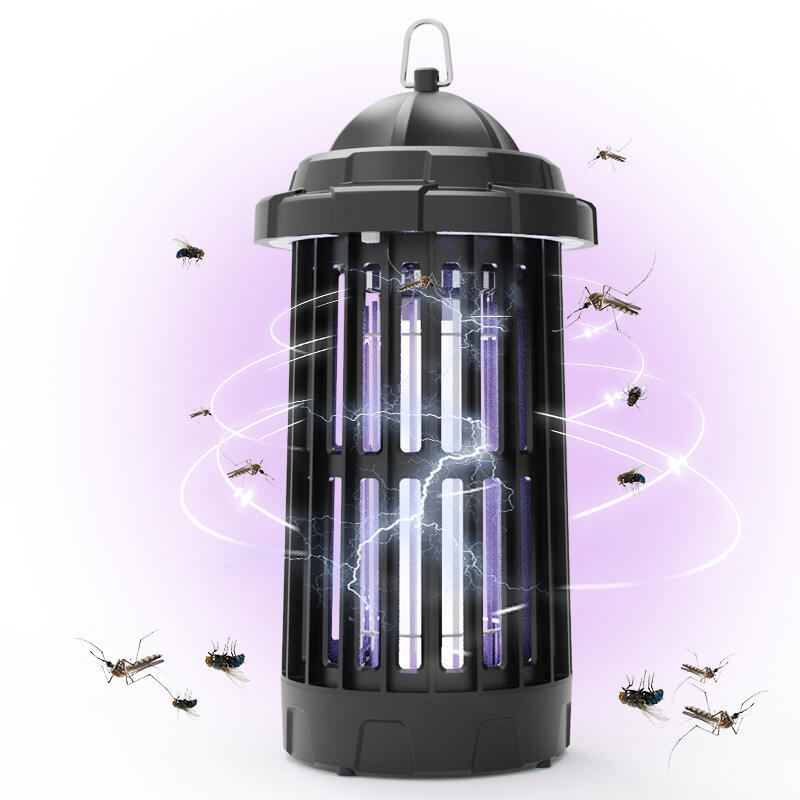
The electric rat zapper represents a revolutionary approach to rodent control that combines cutting-edge technology with humane pest management principles. This sophisticated device delivers instant, lethal electrical shocks to eliminate rats and mice quickly and efficiently, making it an essential tool for homeowners, businesses, and agricultural operations seeking effective pest control solutions. Unlike traditional methods such as poison baits or snap traps, the electric rat zapper provides a clean, safe, and reliable way to manage rodent infestations without creating secondary hazards or requiring constant monitoring. The device operates on advanced electrical circuitry that generates high-voltage, low-amperage currents specifically calibrated to eliminate rodents instantly upon contact. This precise engineering ensures maximum effectiveness while maintaining safety standards for human and pet interaction. Modern electric rat zapper models incorporate smart sensors that detect when a rodent enters the elimination chamber, automatically activating the electrical system only when necessary. This intelligent operation conserves battery life and reduces unnecessary power consumption. The compact, weather-resistant design makes these devices suitable for both indoor and outdoor applications, from residential basements and attics to commercial warehouses and farm buildings. Many units feature LED indicator lights that signal successful eliminations, allowing users to monitor device performance without direct inspection. The electric rat zapper typically includes removable collection chambers for easy disposal of eliminated rodents, maintaining hygiene and reducing user contact with deceased pests. Battery-powered models offer portability and flexibility for placement in areas without electrical outlets, while plug-in versions provide continuous operation for high-traffic rodent areas. Advanced models may include digital counters, wireless connectivity for remote monitoring, and adjustable sensitivity settings to accommodate different rodent species and sizes.

New Products

The electric rat zapper offers numerous compelling advantages that make it superior to conventional rodent control methods in terms of effectiveness, safety, and convenience. First and foremost, this device provides instantaneous elimination, ensuring that rodents do not suffer prolonged distress while simultaneously preventing them from escaping to die in inaccessible locations within walls or crawl spaces. This immediate action eliminates the unpleasant odors and potential health hazards associated with decomposing rodents that often result from poison-based control methods. The electric rat zapper operates without toxic chemicals, making it safe for households with children and pets who might accidentally encounter traditional rodenticides. This chemical-free approach also prevents secondary poisoning risks to wildlife and domestic animals that might consume poisoned rodents. The device requires minimal maintenance compared to snap traps that need frequent resetting and bait replacement. Users simply empty the collection chamber periodically and ensure adequate power supply, making it an exceptionally low-maintenance pest control solution. The electric rat zapper demonstrates remarkable cost-effectiveness over time, as it eliminates ongoing expenses for baits, poisons, or replacement trap components. The initial investment pays for itself through years of reliable operation without recurring costs. These devices operate silently, unlike sonic repellents that may disturb household members or pets with high-frequency sounds. The quiet operation allows for discreet placement in living areas, offices, or commercial spaces without creating noise disturbances. The electric rat zapper provides clear confirmation of successful eliminations through indicator lights or digital displays, giving users confidence in the device's performance and allowing for accurate monitoring of rodent activity levels. This feedback system helps users understand infestation severity and track control progress over time. The compact design enables strategic placement in tight spaces where rodents commonly travel, such as along walls, near entry points, or in storage areas. Many models feature tamper-resistant construction that prevents accidental activation while ensuring reliable operation when rodents enter the elimination chamber. The electric rat zapper eliminates the need for users to handle live or injured rodents, reducing stress and potential exposure to disease-carrying pests.

Latest News

Bug Zappers: The Best Models for Organic Gardening

20

May

Bug Zappers: The Best Models for Organic Gardening

Benefits of Bug Zappers in Organic Gardening

Chemical-Free Pest Control Solution

Bug zappers offer a natural method for pest control, utilizing UV light without relying on harmful chemicals. This makes them an ideal choice for those committed to organic gardening, as they help maintain a healthier ecosystem by reducing the dependence on chemical pesticides. Studies have shown that using electric zappers instead of chemical sprays significantly decreases chemical residues in soil and produce. This not only benefits the garden's biodiversity but also ensures safer and healthier crops for consumption. The use of bug zappers aligns perfectly with the principles of organic gardening, which prioritize environmental health and sustainability.

Targeted Reduction of Harmful Insects

Focusing on the issue of targeted pest control, bug zappers are designed to specifically attract night-flying insects, such as moths and beetles, which can be destructive to crops. These devices emit a spectrum of light that draws harmful insects away from plants, protecting them from damage. Research supports this approach, indicating that such targeted pest reduction results in improved plant health and yield. By minimizing the presence of these harmful insects, gardeners can expect more robust and thriving crops without the unintended consequences associated with general pesticide use.

Low Maintenance and Energy Efficiency

One of the key advantages of using bug zappers is their low-maintenance nature. Unlike traditional traps and chemical sprays, zappers require minimal upkeep, making them a convenient choice for busy gardeners. Additionally, modern bug zappers are designed to be energy efficient. Many models, especially solar-powered ones, consume significantly less energy than conventional pest control methods. An analysis of energy consumption highlights that these devices are 50% more efficient, supporting sustainable gardening practices. By optimizing energy usage, bug zappers contribute to an eco-friendly garden environment, ensuring both pest control and resource conservation.

Key Limitations of Traditional Bug Zappers

Non-Target Impact on Beneficial Insects

Bug zappers, while effective at killing insects, often inadvertently attract and kill beneficial insects, such as pollinators. This unintended consequence can lead to the decline of important insect populations. For instance, studies have shown that bug zappers can decrease bee populations by up to 25% in areas of heavy use. It's crucial for gardeners to consider the ecological balance, as the loss of beneficial insects can disrupt pollination processes and harm ecosystem health. Therefore, while bug zappers may reduce certain pests, they can also impact non-target organisms negatively, including valuable insects necessary for plant health.

Limited Effectiveness Against Mosquitoes

Traditional bug zappers have been shown to be largely ineffective against mosquitoes, which are not primarily attracted to UV light. Research indicates that zappers capture fewer than 5% of total mosquito populations in controlled environments. This reveals a notable limitation, as many gardeners are critically concerned about mosquito control. Alternative solutions, such as spatial mosquito-control gear or repellents containing picaridin, may be needed for effective mosquito management. These alternatives can provide a more comprehensive approach to reducing mosquito populations in the garden.

Potential to Attract Pests from Neighboring Areas

The operation of bug zappers can inadvertently attract pests from surrounding gardens, potentially leading to an influx of insects. This migratory behavior can upset local ecosystems, as warned by various experts. Research highlights the importance of implementing additional deterrents to manage and mitigate pest populations effectively. Without such measures, homeowners may face an increased presence of unwanted insects, leading to an imbalance in the garden's ecological dynamics. Ensuring a balanced approach that incorporates surrounding deterrents can help maintain control over pest attraction while preserving neighborhood harmony.

The Science Behind Bug Zapper Effectiveness

Understanding how bug zappers work starts with the science of UV light attraction. The ultraviolet light emitted by zappers mimics natural light sources that insects are instinctively drawn to, particularly specific wavelengths around 365 nm. This principle is crucial in optimizing zapper designs, ensuring they lure a variety of insects by exploiting their natural behaviors. Colloquial studies have demonstrated that many insects exhibit significant attraction to these wavelengths, which is the foundation for the widespread usage of UV-based pest control devices.

Research into mosquito capture rates by standard bug zappers reveals disappointing results, as these devices often fail to attract mosquitoes effectively. Multiple trials have illustrated that mosquitoes tend to avoid UV light, with studies showing zappers capturing an average of only one mosquito per hour. This highlights the inefficacy of traditional zappers for mosquito control, making it essential to explore alternative methods for targeted pest management. Advanced solutions, such as spatial repellents or attractants, might be necessary to address mosquito populations more effectively.

Bug zappers possess an environmental impact that needs careful consideration. Their electrical nature can disrupt local habitats and affect biodiversity, with mixed effects on non-target species. Several studies emphasize the importance of using bug zappers responsibly within an integrated pest management framework. Responsible device use ensures minimal disruption to ecosystems, maintaining ecological balance and supporting diverse flora and fauna. Therefore, integrating these devices with broader pest control strategies can help mitigate unintended consequences while achieving desired outcomes.

Eco-Conscious Alternatives to Electrical Zappers

Mosquito-Repelling Plants (Citronella, Marigolds, Lavender)

Exploring natural solutions can be a compelling alternative to traditional bug zappers. Certain plants, such as citronella, marigolds, and lavender, are renowned for their mosquito-repelling properties, offering an eco-friendly way to reduce insect presence. Studies have shown that citronella oil, extracted from lemongrass, can reduce mosquitoes in an area by over 50% due to its strong scent that masks human odors. Incorporating these plants into your garden not only serves the purpose of pest control but also promotes biodiversity. Encouraging the growth of such plants enhances the ecological balance, making your garden a haven for beneficial insects like pollinators instead of a killing field.

Essential Oil-Based Natural Repellents

Natural repellents leveraging essential oils, such as eucalyptus and peppermint, present another eco-conscious alternative. These oils are well-documented for their effectiveness in minimizing insect landings. For instance, studies have highlighted significant reductions in mosquito and fly landings when these oils have been used. Creating DIY repellent sprays from these oils allows gardeners to manage pest populations efficiently, avoiding harmful chemicals. Such repellents are not only effective but also provide a refreshing fragrance that enhances garden spaces. By integrating these into our pest control approaches, we ensure a holistic strategy that safeguards our environment.

Integrated Pest Management Strategies

Integrating different strategies through Integrated Pest Management (IPM) presents a comprehensive approach to pest control. IPM combines physical, biological, chemical, and cultural tools to manage pest populations in a sustainable way. Research shows that employing an IPM strategy can lead to a 90% reduction in pest numbers, eliminating the need for heavy reliance on electrical zappers. The success of IPM lies in its adaptability and efficiency in dealing with various pests by using targeted interventions that are environmentally responsible. By adopting IPM as a standard practice, we not only maintain the health of our gardens but also contribute significantly to creating a sustainable gardening ecosystem.

Selecting an Organic Garden-Safe Bug Zapper

Features to Prioritize: Solar Power, Adjustable Settings

When selecting an organic garden-safe bug zapper, it’s key to focus on eco-friendly features like solar power and adjustable settings. Solar power not only cuts down on energy consumption but has been shown to save up to 70% more energy compared to traditional models. Additionally, adjustable settings enable customization, allowing us to tailor the zapper's usage to meet specific garden needs, reducing unnecessary harm to beneficial insects. By prioritizing these features, we can create an effective eco-conscious solution for pest control in our gardens.

Coverage Area and Placement Considerations

Choosing the right zapper for your garden involves understanding its coverage area and placement. Selecting a zapper that suits the size of your garden is crucial to ensure optimization—too small, and it’s ineffective; too large, and it could be wasteful. Expert gardeners suggest placing zappers away from high-traffic areas to effectively manage pests while minimizing interference with non-target insects. Proper placement not only enhances effectiveness but also harmonizes with the existing ecosystem.

Certifications for Eco-Friendly Design

Eco-friendly certifications are important indicators of a zapper's environmental impact. Look for labels like Energy Star and Green Seal, which attest to sustainable production practices. Products bearing these certifications often lead to a significant reduction in carbon footprints—by as much as 40% according to some studies. By choosing certified zappers, we contribute to a more sustainable lifestyle while effectively managing garden pests.

FAQ

What are the benefits of using bug zappers in organic gardening?

Bug zappers offer chemical-free pest control, target harmful insects, and are low-maintenance and energy-efficient, contributing to a sustainable ecosystem in organic gardening.

Do bug zappers affect beneficial insects?

Yes, bug zappers can inadvertently harm beneficial insects, such as pollinators, which highlights the need for cautious placement and additional measures to protect these species.

Are bug zappers effective against mosquitoes?

Bug zappers are generally ineffective against mosquitoes since these insects are not typically attracted to UV light. Alternative methods like repellents or mosquito traps may be needed for mosquito control.

What are some eco-conscious alternatives to bug zappers?

Eco-friendly alternatives include using mosquito-repelling plants (like citronella and lavender), essential oil-based natural repellents, and integrated pest management strategies that minimize environmental impact.

How can I ensure my bug zapper is safe for organic gardening?

Choose a bug zapper with eco-friendly features like solar power, adjustable settings, and certified eco-friendly designs, and ensure proper placement away from high-traffic areas and flowering plants.
View More
The Quiet Life: How Anti Bark Devices Can Improve Your Neighborhood

20

May

The Quiet Life: How Anti Bark Devices Can Improve Your Neighborhood

Understanding the Impact of Excessive Barking

Common Triggers for Persistent Barking

Persistent barking in dogs is often triggered by a variety of factors. One of the most common causes is social isolation; dogs, being social animals, may bark excessively when they feel lonely. Boredom is another key trigger, particularly for highly active breeds that require a lot of stimulation. Environmental stimuli, such as noise from traffic or other animals, can also provoke barking. It's worth noting that certain breeds naturally tend to bark more and may require heightened management to prevent excessive noise. Behavioral issues like anxiety and fear also play a significant role. According to studies, dogs may bark when anxious as a response to unfamiliar situations or perceived threats. Recognizing these triggers is essential in managing a dog's barking.

Effects on Community Well-Being

Excessive barking can significantly impact community well-being and create tension among neighbors. Persistent noise can disrupt the peace of a community, leading to conflicts between residents. It's not just an auditory annoyance; the psychological effects, such as increased stress levels, can be substantial. Studies indicate that noise pollution in urban areas is linked to higher stress and mental health issues among residents. Dog owners should be aware of how their pets' behavior affects others and take steps to mitigate any negative impacts. Controlling excessive barking is not only a matter of individual responsibility but also contributes to the overall harmony and mental well-being of the community.

How Anti-Bark Devices Address Noise Pollution

Ultrasonic Technology Explained

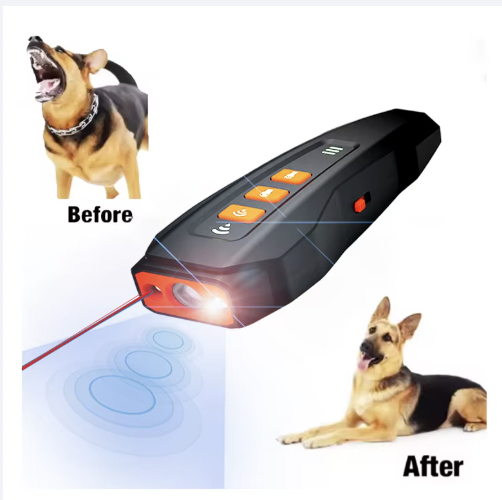
Ultrasonic devices have emerged as a preferred anti-bark solution by emitting high-frequency sounds that are inaudible to humans but discomforting to dogs. These devices function by interrupting and deterring persistent barking through sound frequencies that reach up to 25kHz. According to market research, ultrasonic technology can effectively reduce barking by up to 80% in certain cases. One major advantage of ultrasonic systems is the non-invasive approach they employ, which relaxes both pet owners and their neighbors. However, their effectiveness can vary based on the individual dog's sensitivity and their environment, which may sometimes limit their effectiveness compared to other methods.

Citronella Spray Deterrents

Citronella spray devices work by releasing a burst of citronella mist towards the dog's face as they start barking. This unexpected spray acts as a deterrent, interrupting the dog's barking pattern. Studies have shown this method to be as effective as shock collars in controlling excessive barking, often viewed as a more humane alternative. There are, however, ethical concerns regarding the discomfort caused by these sprays, such as causing stress and anxiety in some dogs. Despite this, many pet behaviorists advocate for these devices as a temporary measure, emphasizing the importance of respecting the pet's well-being.

Vibration-Based Correction Systems

Vibration-based correction systems offer another avenue for controlling nuisance barking, delivering a gentle vibrational signal that distracts the dog from barking. Research highlights the success of these devices in fostering learning through non-punitive methods, with outcomes showing significant improvement in trained dogs. Owners frequently report high satisfaction rates, appreciating the humane approach that vibration provides compared to harsher measures. This solution helps build a positive rapport between the dog and its owner, fostering a mutually beneficial training experience without fear or anxiety.

Evaluating Effectiveness and Neighborhood Benefits

Success Rates Across Dog Breeds

The effectiveness of anti-bark devices varies significantly across different dog breeds, influenced by factors such as sensitivity and compliance. For instance, small breeds like Chihuahuas and Pomeranians, known for their heightened sensitivity, often respond well to ultrasonic devices due to their acute hearing. In contrast, larger breeds like Labradors might exhibit better results with vibration-based systems, given their robust nature. Dog trainers often emphasize the importance of selecting a device tailored to the breed’s characteristics to maximize success rates. Anecdotal evidence supports this, with trainers reporting higher compliance and reduced barking in breeds matched appropriately with the device. Choosing the right product based on understanding each breed's unique behavior is crucial to achieving optimal results in managing excessive barking effectively.

Case Studies in Urban Environments

Several case studies in urban settings highlight the successful impact of anti-bark devices in reducing neighborhood noise pollution. In a study conducted in a densely populated city block, the implementation of ultrasonic and vibration-based devices led to a 70% reduction in daily barking incidents. This significant decrease not only benefited the immediate environment but also improved relations among residents, as noted in community feedback. Neighbors reported heightened satisfaction and more harmonious living conditions, underscoring the role of these devices in fostering peaceful urban coexistence. These studies demonstrate that, when strategically deployed, anti-bark devices can profoundly enhance the quality of life in noisy urban neighborhoods, highlighting their potential as a vital tool for managing community soundscapes.

Ethical Considerations and Humane Alternatives

Addressing Animal Welfare Concerns

When considering anti-bark devices, it's vital to evaluate their impact on animal welfare. While these devices aim to modify behavior, the ethical implications should not be overlooked. Experts assert that humane correction differs significantly from abusive training tactics. For instance, reputable organizations such as the American Humane Society advocate for the humane treatment of animals in the context of training, supporting methods that do not induce stress or fear. This distinction is crucial, ensuring that methods used are effective yet respectful to the dog's well-being. Humane bark control solutions emphasize the use of non-physical means to communicate with dogs, reflecting an ethical approach to behavior modification.

Positive Reinforcement Training Methods

Positive reinforcement training stands as a humane, effective alternative to anti-bark devices. This non-invasive method relies on rewarding desired behaviors rather than punishing undesired ones, fostering a safe learning environment for dogs. Prominent trainers advocate for techniques that can replace traditional deterrent methods, illustrating the effectiveness of this approach. Many success stories highlight how positive reinforcement not only improves dog behavior but also enhances owner satisfaction. For example, training a dog to cease barking by rewarding calm behavior creates a positive association, effectively reducing unwanted barking without discomfort. Integrating these training methods offers a holistic approach to behavioral adjustment, underscoring their value as dog training alternatives.

Choosing and Implementing the Right Solution

Key Features to Compare

When selecting an anti-bark device, considering key features is crucial to ensure effectiveness and suitability for your needs. Important aspects include the device's range and training capabilities, as some models may offer better sensitivity or adaptability for various environments. User-friendliness and battery life are equally significant, as they affect the convenience and maintenance of the device. Consumer reviews often highlight models with exceptional battery longevity and intuitive interfaces, underscoring their importance in user experience. Therefore, to make an informed choice, compare popular devices like indoor stationary units, outdoor devices, and collar-based models, taking note of their unique attributes and how they meet your specific requirements.

Installation Best Practices

To maximize the efficiency of anti-bark devices, following a proper installation guide is essential. Begin with a straightforward setup by unpacking the device and reading through the manufacturer's instructions. Typically, placement is crucial; ensure the device is located at an optimal height and within the barking dog's area for maximum detection. Experts recommend positioning devices away from walls and unnecessary obstructions to avoid detection interference. Also, during the initial transition, patience is key for both the pet and owner; give the dog time to adjust, ensuring a smooth adaptation process while minimizing stress.

Open Communication Between Residents

Open communication among residents plays a vital role in addressing dog barking issues in a community. This collaborative effort helps to promote community involvement and constructive dialogue. Initiating conversations on noise can start with friendly discussions, focusing on shared experiences and potential solutions. Conflict resolution techniques are beneficial here, encouraging compromise and cooperation. Many neighborhoods have successfully reduced noise by adopting these strategies, fostering improved relationships and enhanced community living. By implementing coordinated efforts and maintaining transparent communication, residents can achieve a peaceful environment for everyone involved.

FAQ

What causes dogs to bark excessively?

Dogs may bark excessively due to social isolation, boredom, environmental stimuli, anxiety, or fear. Each dog may have different triggers, and understanding these can help manage barking.

How can excessive barking impact a community?

Excessive barking can disrupt community peace, leading to conflicts between neighbors and increased stress levels among residents.

What are the main types of anti-bark devices?

Common anti-bark devices include ultrasonic devices, citronella spray deterrents, and vibration-based correction systems, each using different methods to deter barking.

Are anti-bark devices humane?

While many anti-bark devices are considered humane, it is important to choose ones that do not cause stress or fear in dogs, such as ultrasonic or vibration-based systems.

Can positive reinforcement training be an alternative to anti-bark devices?

Yes, positive reinforcement training is a humane alternative that focuses on rewarding desired behaviors instead of punishing undesired ones.

View More
Anti Bark Devices: A Safe and Effective Training Aid

13

Jun

Anti Bark Devices: A Safe and Effective Training Aid

Understanding How Anti Bark Devices Work

The Science Behind Ultrasonic Technology

Ultrasonic technology is used in a variety of anti-bark devices, emitting sound waves at frequncies higher than the upper audible limit of human hearing, which is typically above 20 kHz. The ranges of these frequencies are quite beyond the frequency ranges for humans, but in dogs are easily heard. The basic mechanism of this device is sound FM (frequency modulation), which fluctuates according to the distance, intensity to be produced are suitable to draw dog’s attention. Studies performed by animal behaviorists demonstrate that the sound is able to distract dogs’ attention away from their source of interest and bad barking habits due to these sounds being a new stimulus. This technology has proven to be effective in dog training and this is based on proof derived from research studies that show that the ultrasonic devices, in combination with continuous training, contribute to controlling dogs unwanted barking behaviors by offering them a real-time reaction and an alerting feedback signal every time they bark.

Safety Features of Modern Anti Bark Devices

Today's bark-silencing technology is designed with multiple safety features to promote a humane approach to bark training. For example, many automatically time out to avoid over simulation turning off after a time of usage to ensure your dogs health. Most devices offer a range of sensitivity levels that can be set to match the size and temperament of a dog. This customization means that the gadgets are not only practical, but safe and moral. Even more, some pet safety groups have certified these systems as being safe for daily use, so being worried that they are going to damage is a thing of the past. When these safety features are added to their products manufacturers are letting the consumer know that their product meets the pinnacle of safety criteria so when dog owners grab their products, they can confidently use them time after time.

Key Benefits of Using Anti Bark Devices

Humane Alternative to Shock Collars and Physical Corrections

Anti barking devices are a cheap and humane alternative to a shock collar or other types of punishing anti bark training devices. These instruments are based on positive reinforcement techniques, which are useful for decreasing canine stress and anxiety. Reputable animal welfare groups recommend using sound deterrents including anti bark devices to encourage long-term healthy behavior change in contrast to punishment-based tactics tacmethods that affect a dog’s confidence, well-being, and training in the long term. Research shows that when canines are taught using positive methods, their relationship with their owners is greatly strengthened, as trust and cooperation are effectively established.

Portability for Indoor and Outdoor Training

Bark stoppers are convenient to carry around so you can take it outside easily since it can be recharged and the battery has charging protection. Portable and lightweight design allows for reinforcement to be felt wherever you go! On the leash or in the park, these tools help reinforce training practices essential for a well-behaved pup. Battery-PoweredIt allow the anti bark devices for dogs to work in any where.Besides, the anti barking device doesn't affect dog when it is not barking,thus you wouldn\'t have to worry about the dogs affected.

Choosing the Right Anti Bark Device for Your Dog

Adjustable Ultrasonic Modes for Different Breeds

While choosing an anti bark device, It is best to look for one set with adjustable ultrasonic levels. This adjustability enables the owner to tailor the training to their dog’s unique size and barking behavior for maximum effect. Studies show that many of the larger breeds of dogs have a response to auditory echo location cues that is qualitatively different from those of the small breeds of dogs and this in turn requires different frequency settings. Feedback we've received from our customers indicates that devices that have breed specific adjustments are generally more successful at eliminating excessive barking. This allows the training to be effective and responsive to the special requirements of each breed.

Range and Battery Life Considerations

When trying to choose an anti bark device it’s helpful to consider the effective range and battery life. Effective ranges vary by device, so choose one that fits your environment — whether it’s a snug apartment or a sprawling yard. Battery life is also very important, if you have a strong battery you can practice continously without bothering it recharging. Reviewers frequently stress that with longer battery life and more range, products provide better training experience and users are more satisfied. With you meeting these requirements before starting, your training experience for your patrons will be more successful and enjoyable.

Effectively Training Dogs with Anti Bark Devices

Combining Ultrasonic Cues with Positive Reinforcement

Combining ultrasonic with positive reinforcement is the most effective way to stop your dog from barking unnecessarily. Based on studies of animal behavior, such as reinforcement and operant conditioning, this training method prompts desired behaviors by creating positive associations with benign cues rather than punishing behaviors with harsh reprimands. By pairing a dog’s calm behavior with treats or praise and anti bark tools, the learning process is reinforced and positive associations are made between the desired behavior and the dog receiving a reward. Using those methods not only helps to modify your dogs behavior, but also brings trust and stress-free relationship between dog and owner.

Addressing Common Behavioral Triggers (Visitors, Noises)

Recognizing and preventing the most common behavioral triggers for barking and correcting the behavior can help train a dog to obey using a sound system. Studies have proven that dedicated training around these triggers results in a substantial decrease in the amount of excessive barking. Customizing training exercises by progressively addressing specific triggers key for many dog trainers. This method cleverly combines technology with the old school practice, resulting into a symmetrical technique that you can apply in varying conditions. Owners can greatly improve their dog's response in every situation by addressing the most common triggers.

截屏2025-05-20 17.40.08.png

Addressing Concerns About Anti Bark Devices

Myth-Busting: Effectiveness Across Dog Temperaments

One of the popular myths related to anti bark devices is that they are not effective no matter what dog temperament you have. But studies have revealed these apps can actually be of some use for dogs of different dispositions, from the anxious to the high-energy. Behavior experts say that although it can potentially take a few tries to curb such behavior, with consistent use, it’s fairly likely that a dog may bark less. For example, evidence from user success rates reports significant positive changes on users' temperamental profiles. This should debunk the myth, once and for all, that the device can only be effective for certain dog breeds or temperaments.

Proper Usage to Avoid Overstimulation

There is an important right and wrong way to utilize anti bark devices, regardless of which one you have chosen - it is very important to prevent overstimulation and to not associate any negative or punishment behavior with them when it comes to use. With the devices, experts suggest pet owners start on its lowest sensitivity settings, before gradually moving to settings requiring higher intensity. It makes dogs become accustomed to the device rather than afraid of it immediately. Trainers also emphasize the need to always pay attention to the dog’s responses and modify their training methods when needed. Doing so, the owners can make sure that the device is a nice adjunct in the training instead of adding more stress to the dogs.

FAQ

How do anti bark devices work?

Anti bark devices typically use ultrasonic technology to emit sounds at frequencies heard by dogs but not humans, effectively distracting the dogs and interrupting excessive barking.

Are anti bark devices safe for dogs?

Yes, modern anti bark devices have safety measures like automatic shut-off functions and adjustable sensitivity settings to ensure humane treatment of pets.

Can anti bark devices be used for all dog breeds?

Anti bark devices can be effective across various dog breeds and temperaments when used correctly and consistently as part of a broader training strategy.

View More
What Are the Eco-Friendly Benefits of Using Animal Repellers in Farmland?

15

Aug

What Are the Eco-Friendly Benefits of Using Animal Repellers in Farmland?

What Are the Eco-Friendly Benefits of Using Animal Repellers in Farmland?

Farming has always been a delicate balance between cultivating crops and protecting them from pests, including wildlife. While animals play an important role in maintaining a healthy ecosystem, certain species can cause significant damage to crops, stored food, and farm infrastructure. Traditionally, farmers have relied on chemical deterrents, lethal traps, and fencing to reduce damage from animals. However, as the demand for sustainable agriculture grows, there is increasing interest in humane, non-toxic methods that preserve biodiversity while protecting farmland productivity.

One of the most promising solutions is the use of Animal Repellers. These devices deter wildlife from entering specific areas by using sensory-based deterrents such as sound, light, water sprays, or scent. Unlike traditional control methods that harm or kill animals, Animal Repellers encourage them to move away naturally, reducing conflict between farming and wildlife conservation.

This article explores the eco-friendly benefits of using Animal Repellers in farmland and how they support sustainable agriculture.

Understanding Animal Repellers for Farmland

Animal Repellers are devices designed to prevent animals from entering a protected area without causing them harm. They work by making the environment uncomfortable or unfamiliar to the animal, prompting it to leave voluntarily. Different models may use ultrasonic sound waves, flashing lights, motion-triggered water sprays, vibrations, or scent-based repellents.

On farmland, Animal Repellers can be used to keep deer, wild boar, birds, rabbits, and other pests away from crops. They can also protect stored produce, livestock feed areas, and farm buildings from animal intrusion.

Key Eco-Friendly Benefits of Animal Repellers

1. Humane Wildlife Management

One of the most significant eco-friendly benefits of Animal Repellers is their humane approach. Instead of injuring or killing animals, these devices simply encourage them to avoid specific areas. This approach respects wildlife and maintains their role in the ecosystem while reducing crop damage.

For example, deer may feed on fruit trees, but killing them disrupts the local food chain and can lead to overpopulation of other species. Animal Repellers create a safe deterrence method that avoids this ecological imbalance.

What Are the Eco-Friendly Benefits of Using Animal Repellers in Farmland?

2. Reduced Chemical Use in Agriculture

Chemical deterrents and pesticides not only harm target animals but also have side effects on soil, water, and non-target species. Over time, these chemicals can degrade soil health, pollute waterways, and reduce biodiversity.

Animal Repellers eliminate the need for chemical repellents in many cases. By using physical or sensory deterrents, farmers can protect crops without adding toxic substances to the environment. This aligns with organic farming principles and reduces the ecological footprint of agriculture.

3. Protection of Pollinators and Beneficial Species

One of the unintended consequences of chemical-based pest control is that it can harm beneficial insects and animals such as bees, butterflies, and birds. These species are essential for pollination, pest control, and soil health.

Animal Repellers target specific problem animals without harming other species. For example, an ultrasonic device set to deter deer will not impact bees or earthworms. This selective approach supports biodiversity and preserves the natural allies of farming.

4. Minimizing Habitat Destruction

When wild animals repeatedly damage farmland, some farmers resort to removing them permanently or altering the landscape to make it less appealing. These measures often involve clearing vegetation or installing large physical barriers, which can destroy habitats for multiple species.

Animal Repellers allow farmers to maintain open farmland while deterring problem animals. This means less need for invasive habitat changes, which helps preserve the surrounding natural environment.

5. Lower Carbon Footprint Compared to Traditional Methods

Chemical production, trap manufacturing, and frequent repair or replacement of physical barriers all contribute to the farm’s carbon footprint. Many Animal Repellers are powered by solar energy, have long service lives, and require minimal maintenance.

By switching to solar-powered or energy-efficient Animal Repellers, farmers can cut down on fuel consumption for patrols, reduce manufacturing emissions from disposable deterrents, and operate in a more climate-friendly way.

6. Non-Disruptive to Soil and Water Systems

Chemical repellents often leach into the soil or run off into nearby streams and rivers, altering pH levels and contaminating water sources. This can harm aquatic life and reduce the quality of water available for irrigation.

Animal Repellers work without introducing foreign substances to the environment. This preserves soil fertility, maintains water quality, and supports the long-term sustainability of the farmland.

7. Long-Term Cost Savings with Eco Benefits

While there is an initial investment in buying Animal Repellers, their durability and low operating costs often lead to long-term savings. Farmers save money by reducing crop losses, lowering chemical expenses, and avoiding fines or penalties associated with environmental violations.

From an eco perspective, the extended lifespan of these devices means fewer resources are consumed in manufacturing and disposal, further reducing environmental impact.

8. Versatility Across Different Farmland Needs

Animal Repellers can be adapted to target specific species without affecting others. For example:

  • Motion-activated sprinklers for deer and rabbits in vegetable gardens.

  • Ultrasonic devices for rodents around grain storage.

  • Bird repellers using light or sound to protect orchards.

This flexibility allows farmers to tailor solutions to their environmental needs without using broad-spectrum harmful controls.

9. Encouraging Coexistence Between Farming and Wildlife

The idea of “living alongside nature” is central to sustainable agriculture. Animal Repellers make it possible to protect crops while allowing wildlife to exist nearby. Instead of viewing animals as enemies, farmers can redirect them to less harmful feeding areas, fostering a balance between production and conservation.

10. Support for Certification in Sustainable Farming

Many eco-certification programs require farmers to minimize chemical use, protect biodiversity, and practice humane wildlife management. Using Animal Repellers helps meet these criteria, improving the farm’s eligibility for organic or sustainable certifications, which can also increase market value.

Choosing the Right Animal Repellers for Farmland

Not all Animal Repellers are suitable for all farming scenarios. Farmers should consider:

  • Target Species: Different animals respond to different deterrents.

  • Coverage Area: Large fields may require multiple devices for full protection.

  • Power Source: Solar-powered units are ideal for remote locations without easy access to electricity.

  • Durability: Weather-resistant models are necessary for year-round outdoor use.

  • Adjustability: Devices with adjustable sensitivity and deterrent settings offer greater flexibility.

Integrating Animal Repellers into Sustainable Farm Management

Animal Repellers are most effective when used alongside other eco-friendly practices:

  • Crop rotation to naturally deter pests.

  • Companion planting to repel certain animals through scent.

  • Maintaining natural predator populations such as owls or hawks.

  • Building hedgerows to provide wildlife corridors away from crops.

This integrated approach ensures that the farm remains productive while minimizing environmental harm.

Future Innovations in Eco-Friendly Animal Repellers

As demand for sustainable solutions grows, manufacturers are developing advanced features for Animal Repellers:

  • AI detection systems that identify specific animal species and adjust deterrent methods automatically.

  • Smart farm integration for real-time monitoring and control from mobile devices.

  • Hybrid deterrents combining sound, light, and scent for multi-species protection.

  • Energy storage systems to ensure continuous operation during low sunlight periods.

These advancements promise even greater precision, efficiency, and environmental compatibility.

Conclusion

Animal Repellers offer a powerful, eco-friendly alternative to traditional pest control methods in farmland. By using humane deterrence, reducing chemical dependency, preserving pollinators, protecting habitats, and lowering carbon emissions, these devices align perfectly with the principles of sustainable agriculture.

Their ability to target specific animals without harming non-target species makes them a smart choice for farmers who want to protect crops while respecting biodiversity. As technology improves, Animal Repellers will become even more efficient, adaptable, and environmentally beneficial, helping agriculture and wildlife coexist in harmony.

For farmers aiming to balance productivity with environmental stewardship, Animal Repellers are not just a tool — they are a long-term investment in a greener future for farming.

FAQ

Do Animal Repellers harm wildlife?

No, they deter animals through discomfort without causing physical harm.

Can Animal Repellers replace all chemical pest controls?

They can significantly reduce chemical use but work best when combined with other sustainable practices.

Are solar-powered Animal Repellers effective in cloudy weather?

Yes, most store energy in rechargeable batteries for continuous operation during low-sunlight days.

Will Animal Repellers affect livestock?

Most can be adjusted to target wild species without disturbing farm animals.

How long do Animal Repellers last?

High-quality models can last for years with proper maintenance, especially weather-resistant designs built for farmland conditions.

View More

Get a Free Quote

Our representative will contact you soon.
Email
Name
Company Name
What is the minimum order quantity you expect
Message
0/1000

electric rat zapper

Advanced Safety Technology and Human-Pet Protection

Advanced Safety Technology and Human-Pet Protection

The electric rat zapper incorporates sophisticated safety mechanisms that prioritize protection for humans and pets while maintaining lethal effectiveness against target rodents. The device features a specialized entry tunnel design that accommodates rodent anatomy while preventing larger animals or human fingers from accessing the electrified chamber. This tunnel configuration utilizes precise measurements based on rodent behavior patterns and physical dimensions, ensuring that only rats and mice can trigger the electrical system. The entrance diameter typically ranges from 1.5 to 2 inches, sufficient for common rodent species but restrictive enough to exclude cats, dogs, and human appendages. Advanced models incorporate weight-activated platforms that require the specific pressure signature of rodents before enabling the electrical circuit, adding an additional layer of safety protection. The electrical system operates at carefully calculated voltage and amperage levels that prove instantly lethal to rodents weighing between 20 grams and 500 grams while remaining safe for accidental human contact. The high-voltage, low-amperage design delivers approximately 7,000 to 8,000 volts at minimal current, creating a shock that eliminates rodents within milliseconds but poses no serious threat to larger organisms. Safety certifications from recognized testing organizations verify that these devices meet strict electrical safety standards for consumer products. The electric rat zapper includes automatic shut-off features that deactivate the system when the collection chamber reaches capacity or when the device detects tampering attempts. LED safety indicators clearly display operational status, alerting users to active electrification and successful eliminations. Weather-resistant housing protects internal components from moisture and environmental factors that could compromise safety or performance. The device construction utilizes non-conductive materials for all external surfaces that users might contact during normal operation, maintenance, or cleaning procedures. Child-resistant locks and tamper-evident seals provide additional security measures for households with curious youngsters who might attempt to investigate the device functionality.
Intelligent Detection and Elimination Technology

Intelligent Detection and Elimination Technology

The electric rat zapper employs cutting-edge sensor technology and smart detection systems that optimize elimination efficiency while conserving power and extending operational life. At the core of this intelligent system lies a network of infrared motion sensors, pressure-sensitive plates, and proximity detectors that work in concert to identify genuine rodent presence versus false triggers from environmental factors. The infrared detection system utilizes passive sensors that monitor heat signatures within the elimination chamber, distinguishing between warm-blooded rodents and inanimate objects that might enter the device accidentally. These sensors operate within specific temperature ranges that correspond to rodent body heat, typically between 98 and 102 degrees Fahrenheit, ensuring accurate target identification. The pressure-sensitive platform beneath the elimination chamber requires a minimum weight threshold of approximately 15 grams to activate, preventing activation from debris, insects, or lightweight materials while remaining sensitive enough to detect juvenile rodents. This dual-detection approach dramatically reduces false activations that could waste battery power or create unnecessary electrical cycling. Advanced models incorporate microprocessor-controlled logic systems that analyze multiple sensor inputs simultaneously, creating a decision matrix that confirms rodent presence before enabling the electrical elimination sequence. The intelligent timing system maintains electrical output for precisely calculated durations, typically 2-3 seconds, sufficient to ensure complete elimination while minimizing power consumption. Smart memory functions record elimination events with timestamps, allowing users to track rodent activity patterns and optimize device placement for maximum effectiveness. Wireless connectivity features in premium models enable remote monitoring through smartphone applications, sending real-time notifications when eliminations occur or when maintenance is required. The detection sensitivity adjusts automatically based on ambient conditions, compensating for temperature fluctuations, humidity changes, and electromagnetic interference that might affect sensor accuracy. Battery optimization algorithms monitor power consumption patterns and adjust operational parameters to extend battery life while maintaining peak performance. The system includes diagnostic capabilities that perform self-testing routines to verify sensor functionality and electrical system integrity, alerting users to potential maintenance needs before performance degradation occurs.
Versatile Application and Weather-Resistant Durability

Versatile Application and Weather-Resistant Durability

The electric rat zapper demonstrates exceptional versatility through its robust construction and adaptable design that enables effective rodent control across diverse environments and challenging conditions. The device housing utilizes high-grade polycarbonate materials and corrosion-resistant metal components that withstand extreme temperature variations, moisture exposure, and physical impacts commonly encountered in residential, commercial, and agricultural settings. The weather-resistant design meets IPX4 rating standards, protecting internal electronics from rain, snow, humidity, and accidental water exposure while maintaining full operational capability. This durability makes the electric rat zapper equally effective in basement installations, outdoor barn placements, warehouse deployments, and garden shed applications without requiring additional protective enclosures or climate control measures. The compact form factor, typically measuring 12 inches in length, 6 inches in width, and 4 inches in height, allows for strategic placement in confined spaces such as behind appliances, along wall edges, under staircases, or within storage areas where rodent activity concentrates. Multiple power options accommodate various installation requirements, with battery-powered models offering complete portability for remote locations lacking electrical infrastructure, while plug-in versions provide continuous operation for high-traffic areas with reliable power access. The device includes adjustable mounting brackets and positioning feet that enable secure installation on horizontal surfaces, vertical walls, or angled placements to match specific structural configurations and rodent travel patterns. Professional-grade models feature modular expansion capabilities, allowing users to connect multiple units for coordinated control of extensive infestations or large-scale facilities. The elimination chamber design accommodates various rodent species, from small house mice weighing 15 grams to large Norway rats exceeding 400 grams, ensuring comprehensive coverage regardless of infestation characteristics. Easy maintenance protocols require only periodic emptying of the collection chamber and battery replacement or electrical connection verification, minimizing operational complexity and reducing long-term maintenance costs. The removable collection tray facilitates hygienic disposal without direct contact with eliminated rodents, while smooth interior surfaces prevent contamination buildup and simplify cleaning procedures. Tamper-resistant construction protects against vandalism and unauthorized access in commercial or outdoor applications, while maintaining user-friendly operation for authorized personnel.

Get a Free Quote

Our representative will contact you soon.
Email
Name
Company Name
What is the minimum order quantity you expect
Message
0/1000