Electronic Cat Repeller - Humane Ultrasonic Cat Deterrent with Motion Sensor Technology

All Categories

Get a Free Quote

Our representative will contact you soon.
Email
Name
Company Name
What is the minimum order quantity you expect
Message
0/1000

electronic cat repeller

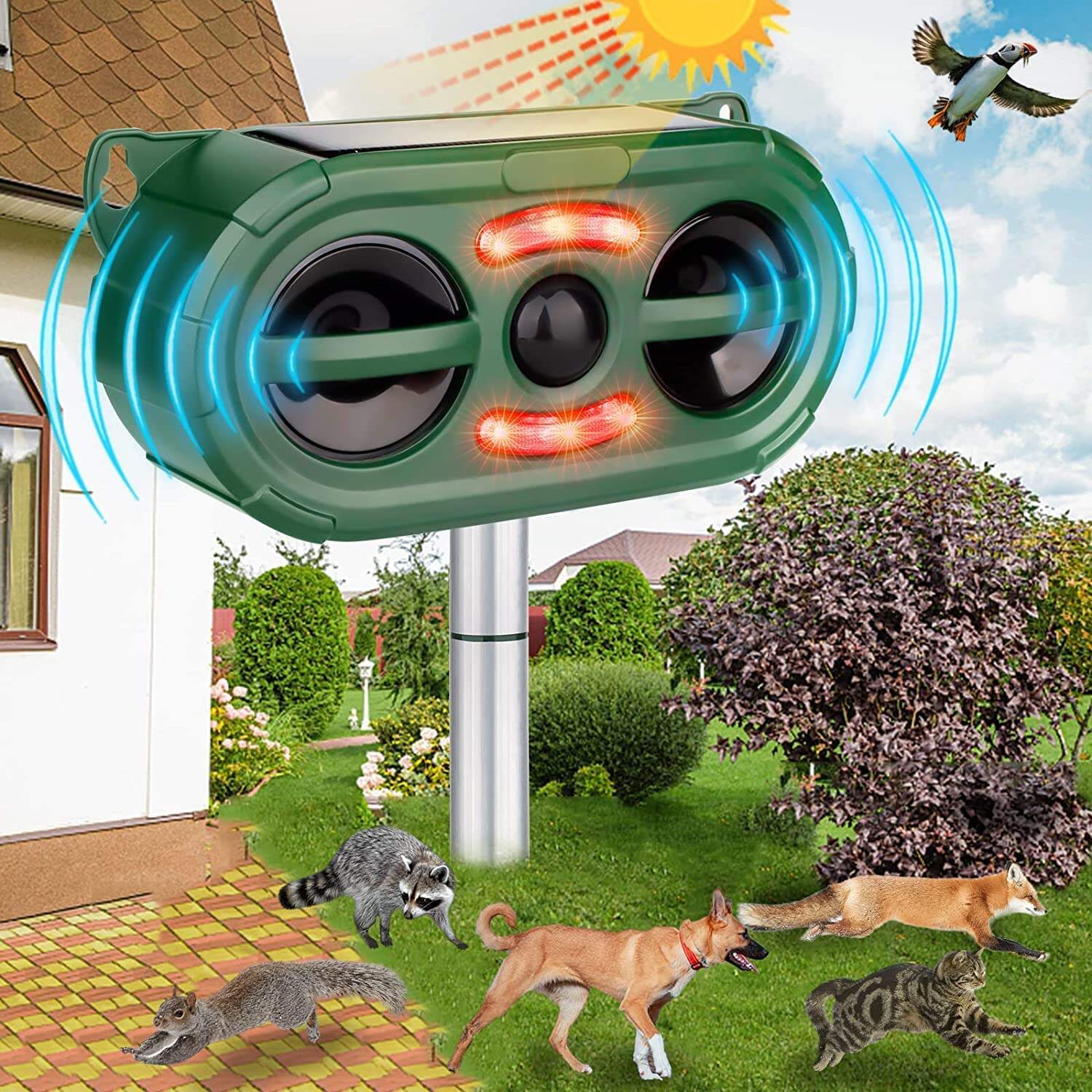
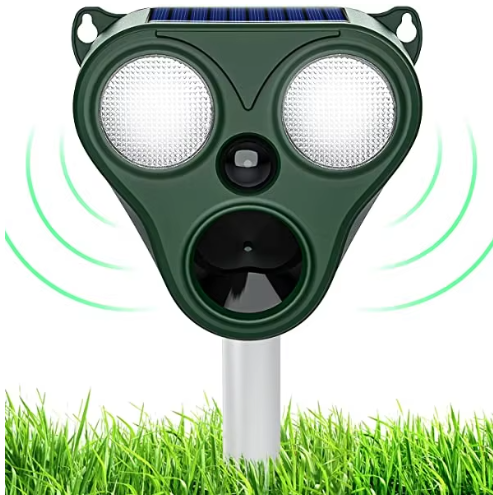
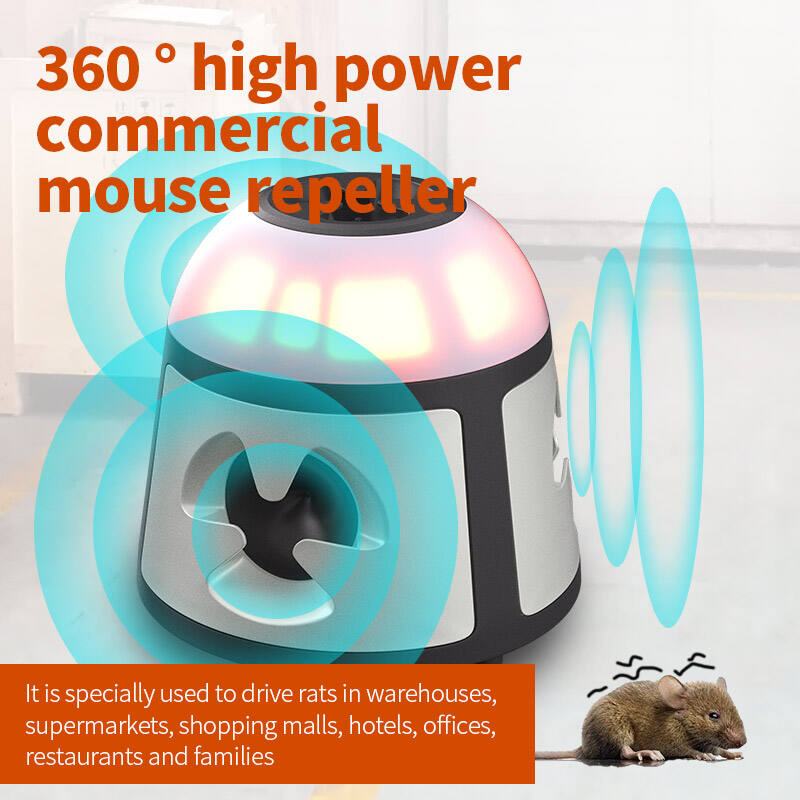
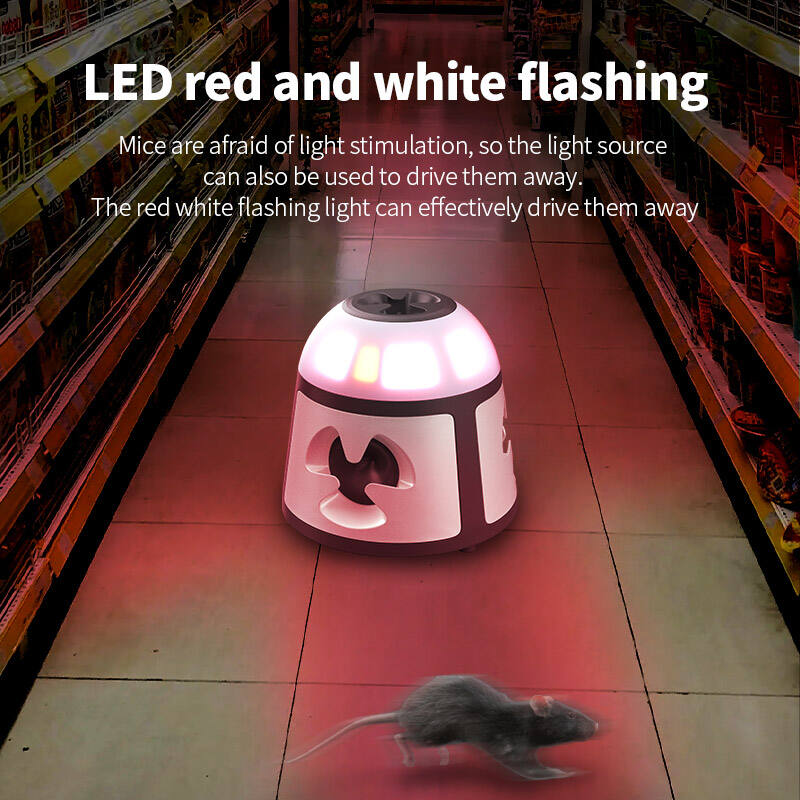
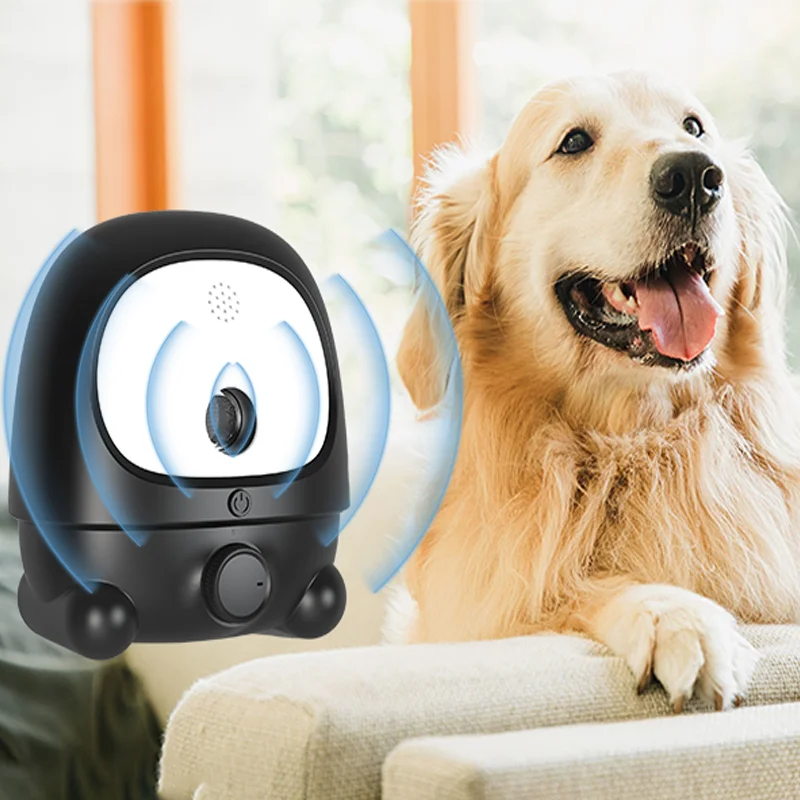
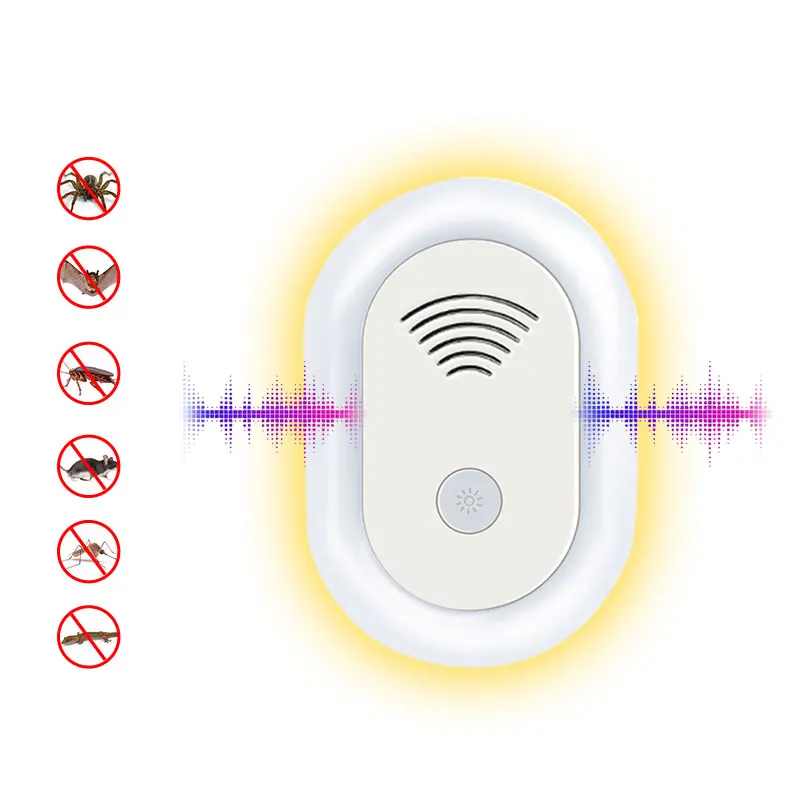
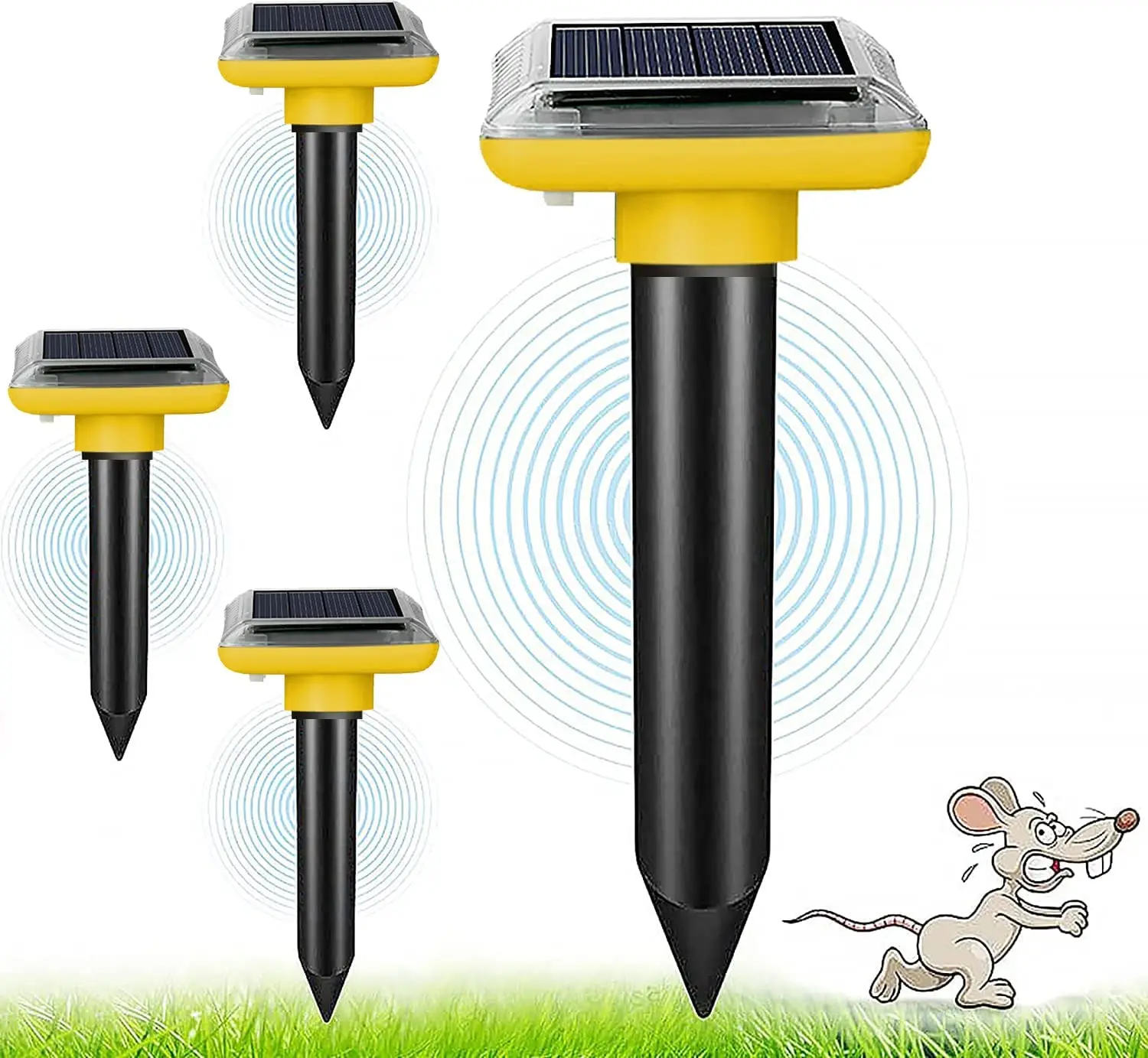
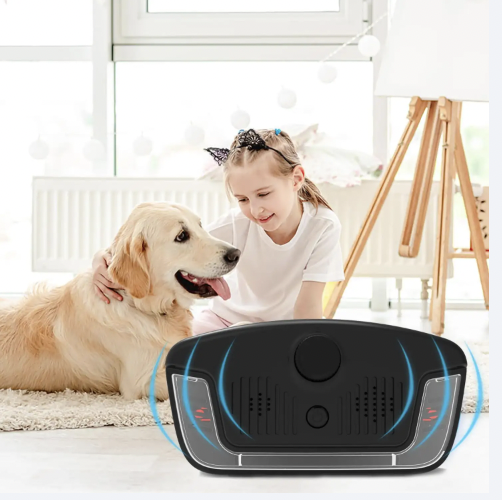
The electronic cat repeller represents a modern, humane solution for managing unwanted feline visitors in residential and commercial spaces. This innovative device utilizes advanced ultrasonic technology to create an effective barrier that deters cats without causing physical harm or distress. The electronic cat repeller operates by emitting high-frequency sound waves that are uncomfortable for cats but remain largely inaudible to human ears, making it an ideal choice for property owners seeking pest control methods that won't disrupt household activities. The device typically features multiple operational modes, including motion-activated sensors that trigger ultrasonic pulses only when cats approach the protected area. Many electronic cat repeller models incorporate weatherproof housing, ensuring reliable performance in outdoor environments such as gardens, yards, patios, and commercial properties. The technology behind these devices draws from extensive research into feline hearing sensitivity, targeting specific frequency ranges that effectively discourage cats from entering treated areas. Solar-powered versions of the electronic cat repeller offer sustainable operation, reducing dependency on battery replacements while maintaining consistent deterrent effectiveness. The compact design of most electronic cat repeller units allows for discrete placement in various locations, from flower beds to parking areas. Installation requires minimal technical expertise, with most devices featuring simple mounting systems and straightforward setup procedures. The electronic cat repeller serves diverse applications including protecting gardens from feline damage, preventing cats from using specific areas as litter boxes, safeguarding bird feeding stations, and maintaining hygiene standards around food service establishments. Coverage areas typically range from 100 to 1000 square feet, depending on the specific model and environmental conditions, making the electronic cat repeller suitable for both small residential applications and larger commercial installations.

New Product Releases

The electronic cat repeller delivers significant practical benefits that make it an superior choice for property owners dealing with unwanted feline intrusions. First, this device operates completely humanely, causing no physical harm to cats while effectively discouraging their presence in protected areas. Unlike traditional deterrent methods such as chemical sprays or physical barriers, the electronic cat repeller requires no ongoing maintenance or replacement of consumable materials, resulting in substantial long-term cost savings. The device functions automatically through motion detection technology, eliminating the need for constant monitoring or manual activation. Property owners can install the electronic cat repeller and trust it to work continuously, providing 24-hour protection without human intervention. The ultrasonic frequencies emitted by the electronic cat repeller remain virtually silent to humans, ensuring that family activities, outdoor gatherings, and business operations continue undisturbed. Many models feature adjustable sensitivity settings, allowing users to customize the electronic cat repeller's response to different environmental conditions and cat behaviors. The weatherproof construction of quality electronic cat repeller units ensures reliable operation through various seasons, from summer heat to winter precipitation. Solar-powered options eliminate electricity costs while providing eco-friendly operation that appeals to environmentally conscious consumers. The electronic cat repeller covers substantial areas with a single unit, making it more cost-effective than installing multiple physical barriers or applying repeated chemical treatments. Installation typically takes less than fifteen minutes, requiring only basic tools and following simple instructions that most homeowners can complete independently. The device's effectiveness extends beyond cats to include other small animals such as raccoons, skunks, and stray dogs, providing comprehensive pest deterrent capabilities. Unlike poison-based solutions or traps, the electronic cat repeller poses no safety risks to children, pets, or wildlife, making it suitable for use in family environments and public spaces. The LED indicators on most electronic cat repeller models provide clear operational status information, helping users monitor device performance and battery levels. Property values benefit from the discrete, professional appearance of the electronic cat repeller, which maintains aesthetic appeal while solving practical pest control challenges.

Practical Tips

The Role of Anti Bark Devices in Dog Training and Behavior Modification

20

May

The Role of Anti Bark Devices in Dog Training and Behavior Modification

Understanding Anti-Bark Devices and Their Mechanisms

Types of Anti-Bark Devices: Ultrasonic, Vibration, and Citronella

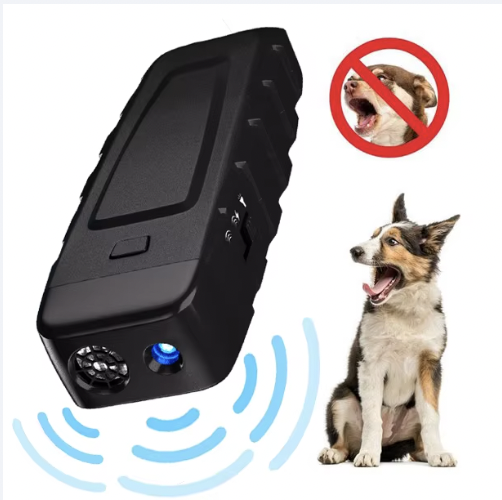
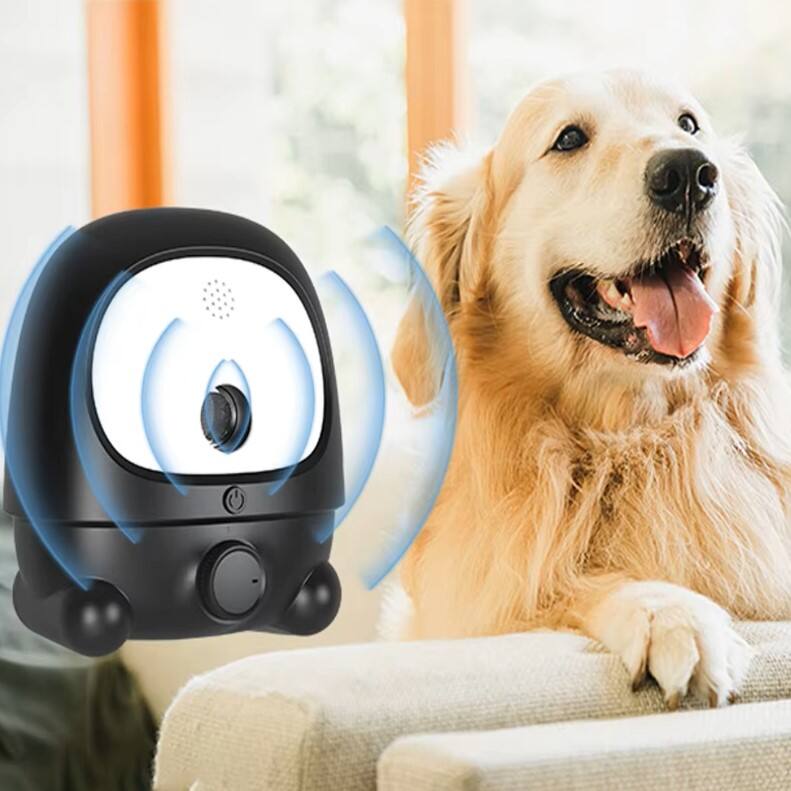
Anti-bark devices are designed to control excessive barking using various mechanisms that don't harm the pet. These devices fall into three primary categories: ultrasonic, vibration, and citronella spray. Ultrasonic devices function by emitting high-frequency sounds inaudible to humans but unsettling to dogs, making them effective stop dog barking devices. For example, the DogSilencer MAX uses ultrasonic technology, producing immediate sound-based deterrents to capture the dog's attention and diminish barking episodes. Vibration devices work differently; they send gentle vibrations as a tactile cue for the dog to stop barking. These collars are popular because they provide a humane option without causing fear. Finally, citronella collars release a burst of citronella fragrance, which is harmless yet immensely distracting for dogs. However, it's important to weigh each option's pros and cons. Statistics reveal varied user satisfaction rates depending on the dog's breed and temperament, emphasizing the importance of selecting the most suitable device based on individual pet needs.

How Ultrasonic Dog Bark Control Works

Ultrasonic dog barking deterrents are unique because they specifically target barking behaviors through sound waves. They activate when barking occurs, creating an immediate auditory deterrent that effectively captures the dog's attention. This makes ultrasonic devices the most powerful ultrasonic dog barking deterrents available on the market. Modern devices often come equipped with features like adjustable sensitivity levels and extended range, ensuring versatility in various environments. Studies have shown that over 70% of users notice a significant reduction in barking within weeks, underscoring the effectiveness of these innovative solutions. With advancements in technology, ultrasonic devices continue to be at the forefront of sound-based dog barking solutions.

The Science Behind Sound-Based Deterrents

The effectiveness of sound-based deterrents, like ultrasonic devices, lies in their interaction with canine physiology. Dogs have a heightened ability to perceive high-frequency sounds, which humans cannot hear. This makes ultrasonic frequencies particularly effective in altering behavior without causing physical harm or stress. Scientific studies indicate that regular exposure to these frequencies can effectively condition dogs to reduce excessive barking within a few weeks, maintaining behavioral modifications over time. Understanding the canine hearing range provides insights into why sound-based deterrents are a preferred choice among pet owners seeking humane and impactful ways to manage barking.

The Role of Anti-Bark Devices in Behavior Modification

Breaking the Barking Cycle with Immediate Feedback

Anti-bark devices play a crucial role in behavior modification by providing immediate feedback to interrupt the barking cycle. When a dog barks, these devices emit a signal—whether ultrasonic, vibrational, or fragrant—that immediately disrupts the barking behavior. This immediate correction is essential from a psychological perspective, as it helps dogs quickly associate the unwanted behavior with the corrective stimulus, leading to faster behavior modification. For instance, there's a case study that highlights how consistent use of ultrasonic signals resulted in a significant reduction in barking frequency over a month. This demonstrates the efficiency of these devices when applied properly and consistently.

Addressing Territorial and Anxiety-Induced Barking

Territorial and anxiety-induced barking are common challenges that anti-bark devices can help address effectively. Territorial barking is often triggered by perceived intrusions and can be countered by devices that detect barking and respond with a distracting signal. For anxiety-induced barking, the issue is often more complex, requiring a combination of device intervention and training to soothe underlying fears. Evidence from various studies indicates that when these devices are used alongside behavioral training, they significantly help in reducing anxiety-related vocalizations. This highlights their potential as valuable tools in a comprehensive behavioral modification strategy for tackling complex barking triggers.

Complementing Positive Reinforcement Strategies

Complementing anti-bark devices with positive reinforcement strategies enhances their effectiveness in canine behavior modification. These devices provide an immediate correction, making them ideal for use alongside rewards-based approaches, where good behavior is reinforced with treats or praise. Training programs that integrate both methods generally result in comprehensive behavioral changes. Experts widely recognize this balanced approach as beneficial, emphasizing that while devices curb unwanted behavior quickly, consistent positive reinforcement fosters a long-term positive association in dogs. This dual strategy ensures that while devices curb unwanted actions on the spot, the desirable behavior is nurtured through rewards.

Anti-Bark Devices vs. Traditional Training Methods

Comparing Deterrents to Positive Reinforcement

When it comes to addressing excessive barking, choosing between deterrents and traditional positive reinforcement methods is crucial. Deterrents, such as ultrasonic dog barking deterrents, provide immediate feedback, which can be particularly effective for dogs with ingrained barking habits. Positive reinforcement, on the other hand, focuses on rewarding desired behaviors, encouraging dogs to repeat these behaviors over time. Expert opinions often suggest that deterrents can be more beneficial when dealing with persistent barking that has not responded well to positive reinforcement alone. For instance, statistics show that combining both methods can lead to a 60% success rate in reducing unwanted barking behaviors compared to using positive reinforcement alone. This highlights the potential effectiveness of integrating both approaches for optimum results.

When to Use Anti-Bark Devices Over Verbal Commands

There are specific scenarios where anti-bark devices, like the most powerful ultrasonic dog barking deterrent, outperform verbal commands. An example is when dealing with dogs known to be less responsive to voice due to high anxiety or excitement levels. Trainers often find that beginners or those with limited training experience benefit more from devices that provide consistent feedback, especially in loud environments where verbal commands might get lost. Anecdotal evidence from seasoned dog trainers indicates that in situations involving multiple distractions, anti-bark devices offer a more reliable solution than verbal instructions. Therefore, understanding your dog's specific needs and the environment is crucial in determining when to opt for these devices over traditional verbal communication.

Combining Technology with Reward-Based Training

Marrying technology with reward-based training can result in accelerated behavior modification in dogs. By integrating tools like ultrasonic dog bark control with positive reinforcement, owners can address barking quickly while reinforcing good behavior with treats or praise. Practical examples show that using technology to deter unwanted barking while simultaneously rewarding quiet behavior speeds up the training process. Studies suggest that such combined methods not only enhance training effectiveness but also foster a positive learning environment. This approach is supported by experts who advocate for a balanced strategy, emphasizing that while technology provides the initial bark interruption, rewards ensure the behavior is positively reinforced, leading to long-lasting change.

Effectiveness and Limitations of Barking Deterrents

Factors Influencing Success: Consistency and Environment

Consistency is key to unlocking the full potential of anti-bark devices. Repeated usage in a predictable manner helps dogs associate the deterrent with their barking habit, potentially curbing it over time. According to studies, consistent use of these devices increases training success rates by nearly 60%, highlighting their effectiveness in disciplined environments. However, environmental distractions can undermine this success. Factors such as fluctuating noise levels and distractions inside the home can confuse dogs, rendering these devices ineffective. To optimize the results of a stop dog barking device, it's crucial to maintain consistency and minimize such environmental disturbances.

Limitations in Addressing Root Causes of Barking

While ultrasonic devices offer a quick fix, they often fail to address the underlying reasons for a dog's barking. These devices merely silence the symptom without tackling issues like anxiety, boredom, or territorial behavior. Understanding a dog's psychological needs is vital for long-term solutions. As Dr. Eileen Anderson has noted, "Comprehensive behavioral analysis is essential for effective training." Without targeting the root cause, relying solely on deterrents could lead to temporary success but ultimately require additional training and interventions for permanent behavior modification.

Breed-Specific Responses to Ultrasonic Stimuli

Breed-specific responses to ultrasonic anti-bark devices can vary significantly. Certain breeds, like Shih Tzus, may be more sensitive to ultrasonic stimuli, while others such as German Shepherds might hardly respond at all. Research indicates that the effectiveness of most powerful ultrasonic dog barking deterrents varies across breeds, underscoring the need for tailored approaches. Experts recommend customizing strategies based on breed traits to enhance training efficacy. Understanding how a particular breed responds to these devices can result in targeted, more successful training sessions, reinforcing the importance of breed-specific planning in behavioral adjustments.

FAQ Section

What are the types of anti-bark devices?

Anti-bark devices include ultrasonic, vibration, and citronella spray collars. Each type uses different mechanisms to deter barking without harming the pet.

How does ultrasonic dog bark control work?

Ultrasonic devices emit high-frequency sounds that are inaudible to humans but disruptive to dogs, effectively deterring barking behavior.

Can anti-bark devices be used with positive reinforcement training?

Yes, anti-bark devices can complement positive reinforcement strategies, providing immediate corrections while rewarding good behavior for long-term improvement.

Are anti-bark devices effective for all dog breeds?

The effectiveness of anti-bark devices can vary by breed. Some breeds may be more sensitive to ultrasonic stimuli than others, necessitating tailored approaches.
View More
The Importance of Positive Reinforcement with Anti Bark Devices

13

Jun

The Importance of Positive Reinforcement with Anti Bark Devices

Understanding Positive Reinforcement in Anti-Bark Training

The Science Behind Positive Reinforcement

Positive reinforcement is a core concept in behavioral training, where the use of rewards are employed to shape the behavior of an animal. It is a well-known fact that dogs respond to positive reinforcement training vs correction based methods; studies prove dogs do better with positive intervention. When dogs are given a reward, such as a treat or word of praise, their brains release dopamine, a neurotransmitter associated with pleasure and motivation, which promotes learning and retention, according to research published in the top veterinary journals. This neurochemical surge cements the action in the dog’s mind and builds trust and confidence between dog and handler. Also, the approach is based on the work on B.F. Skinner's operant conditioning, which suggests that a behaviour may be more likely to occur if it is rewarded instead of being punished, thereby reducing anxiety and aggression.

How Anti-Bark Devices Complement Behavioral Training

Ultrasonic tune-up is also found to be effective in increasing the efficiency of anti-bark collars. Such technology can be effective since it offers immediate feedback, so dogs can make the appropriate direct associations between barking and the repercussions. When the feedback is combined with reward, dogs learn to associate quiet with desirable consequences, and this makes training even more effective. Studies on pet behavior show that anti-bark devices combined with positive reinforcement training can reduce the likelihood of excessive barking as they achieve the disconnection between the owner and the hearing of the bark. Balances training technique developed between science and natureIt's a very effective, yet completely all natural method of dog training; also, a method of the dog training based on a strong relationship and clear communicationYou can regain confidence in your ability to handle your dog and enjoy him again.

Why Punishment-Based Methods Fail with Barking

The Downside of Shock Collars and Citronella Sprays

Punishment methods (shock/vibration) can worsen a dog’s behavior. That’s the problem with all these tools; they are more likely to ratchet a dog’s anxiety and/or aggression upwards than down, and defeat the purpose of behavior modification in the first place. Research shows long-term behavioural issues for dogs that have been shocked, with experts now issuing warnings against their use. Dogs who have experienced such punishment are often fearful and may lose trust in their owners. Rather than reduce barking, these approaches may have the opposite effect and ultimately degrade the dog's mental health.

Long-Term Risks of Aversive Training Techniques

Inhibitive training methods can develop a cycle of fear and anxiety which leads to barking as an escape mechanism. What experts say: Positive reinforcement is more effective overall than these tactics, experts say. Meta-analyses have shown that dogs trained with positive reinforcement methods are better behaved across a variety of situations. The findings highlight the importance of using positive training techniques to influence more consistent behavioural gains, for a healthier relationship between dogs and their pet parents. Conversely, aversive techniques can lead to persistent stress and behavior problems.

Adopting a positive reinforcement strategy while integrating anti-bark devices can complement training, ensuring both behavioral correction and emotional well-being.

Integrating Anti-Bark Devices with Positive Reinforcement

Timing Rewards After Ultrasonic Corrections

The timing of rewards following ultrasonic corrections is crucial to the process of reinforcing good behavior in the dogs. Research shows that the ideal interval between Ceasing barking and delivering a treat is approximately 1-2 seconds, and enabling the dog to learn in this manner will allow the trainer to achieve the maximum effect of the dog understanding that when the dog stops barking, it will be rewarded. This is a great way for the dog to understand exactly what is being rewarded not something else.

Balancing Device Use with Verbal Praise

Adding a dose of verbal praise to your experience with anti barking devices is a great way to reinforce positive behavior! Trainers who know say that verballing up their praise with a device can make a big difference to a dog’s motivation. This 2-sided method not only paves the way for good behaviour but is more FUN! By letting dogs know they are doing it right-when dogs are doing what we want; they are more likely to try harder- rather than feeling discouraged, motivates more consistent balance and support in dog training.

Building Trust Through Consistent Reinforcement

Consistency of giving the rewards is so important to building trust between the pet and pet parent in a safe and effective training environment. Setting a reinforcement schedule for a Dog to a specific routine helps them to anticipate the expected acts and rewards. The trust that is built this way in the long term strengthens the bond between the dog and the person, therefore making the dog more likely to respond to the commands and comply to training with ease. And with that reliability, comes a training method that is not only EFFICIENT but extremely BONDING for both the dog and the trainer.

Common Mistakes to Avoid When Using Anti-Bark Tools

Overusing the Device: Signs of Confusion or Fear

Using these products too much can confuse your dog, and their response may not be sufficient for stopping the behaviour. You’ll see signs of confusion or fear in your pets; they may do something like cower too much or be overly submissive. Owners need to think and watch critically for signs of what their pets are thinking or feeling. Furthermore, blissful ignorance and lowered barking do not equal emotional health and smoothened out behavior when E-collars are mistaken for a training tool. For successful use this needs balancing with other training methods so the dog learns what we expect if them rather than just to stop barking.

Ignoring Underlying Causes of Excessive Barking

Effective training requires identifying the triggers that spark true barking, such as separation anxiety. If these root causes aren’t managed, anti-bark devices may not work, and the undesired behavior continues. Behavioral evaluations performed by professionals can reveal hidden triggers, including fear, or environmental stressors that must be addressed in addition to using gadgets. This 360 degree method will allow owners to customize their techniques to their pets, leading to lasting results. Then, by looking at the underlying causes of barking rather than the symptoms, owners create a more appropriate training approach and a well balanced dog.

截屏2025-05-20 17.40.22.png

Case Studies: Success Stories with Combined Approaches

Reducing Separation Anxiety-Driven Barking

Positive Training And Anti-Bark Device And Unruly Barking Dogs The pairing of an anti-bark device and positive training can make short work of the barking reign of terror. Some of the case studies showed an impressive progress: the frequency of barking could decrease when dogs mastered a new emotional regulation (accessed in a reward system). For example, with dogs that have been trained with treats or praise after being calm, they sometimes will experience less anxiety and be quieter when we go out. Such mixed or integrated approach can produce behavior change, they point out, focusing on these types of accounts as exemplars in promoting integrated approaches that are both more humane and effective.

Training Calm Greetings in High-Energy Breeds

High energy dogs bring a whole different set of challenges when it comes to over excitement barking. However, the success stories are there that major results can be seen from the few seconds of training combined with other methods. Positive reinforcement in the form of treats, or for some dogs, a toy is an important tool during sessions to help redirect your dogs energy to develop calmer greetings. Most owners note a significant reduction in excitable barking, with trainers saying these types of approaches help a dog be calmer and remain steady hmmstered better than anything else. Information gathered from different Instructors also says that the structured approach has indeed been assisting in creating stable behavior in active breeds and even enhances the relationship between pets and their surroundings.

FAQs About Positive Reinforcement and Anti-Bark Devices

Can Devices Replace Traditional Training?

Tools should never be seen as a replacement for historical methods, but as a support to training. Experts say fundamental training, like positive reinforcement, is still necessary for anti-bark gadgets to be most effective. The traditional methods give a guideline for the behavior excepted and a stronger bond between the owner and the pet. "If we merge that into modern devices, we might be able to paint a more holistic picture of training a dog, where you can give immediate feedback to the animal and hopefully reinforce those behaviour patterns in the long term.

How to Handle Relapses in Barking Behavior

Backslides in barking may happen, and you will have to work to maintain the control. Owners should be reintroducing the use of positive reinforcement, and going back to the basic training that originally set such a good example of behavior. It may also be wise to seek advice from a health care professional if relapses continue. An analysis of real life studies of successful relapse prevention can give us a clue about successful means of reinforcement of such a behavior’s decay in the behavior of our animals.

View More
Impact of Pests and Diseases on Humans and Ways to Better Protect Our Homes - Animal Repellent & Bug Zapper

10

Jul

Impact of Pests and Diseases on Humans and Ways to Better Protect Our Homes - Animal Repellent & Bug Zapper

Introduction - How Pests Affect Human Health and Homes

Pests such as rodents and insects are not just annoying; they pose significant health risks and can cause extensive damage to property. These unwanted guests often spread diseases that can affect humans and animals, including severe illnesses such as salmonella and hantavirus through direct contact or contamination of food and surfaces. Their droppings, saliva, and shed skins can also trigger allergic reactions and asthma, making them particularly hazardous in homes with children or the elderly. From termites weakening structural wood to rodents gnawing through electrical wires, the property risks are just as troubling.

Understanding the impact of pests is crucial in both urban and rural settings where these creatures thrive due to the abundance of food and shelter. Urban areas with dense populations provide numerous hiding spots and constant food supply, making pest control a persistent challenge. Likewise, rural settings with farms or gardens offer an uncontrollable breeding ground, leading to potential infestations that threaten both health and agricultural productivity. Therefore, recognizing and addressing these risks is vital for safeguarding health and maintaining property integrity.

For those looking for solutions, products like Animal Repellent & Bug Zapper offer effective means to handle these pest problems. By understanding the magnitude of the threat pests pose, individuals can take proactive steps to mitigate risks, ensuring healthier living environments.

Health Risks - Diseases Spread by Pests

Mosquito-Borne Illnesses: Malaria, Dengue, and Zika

Mosquitoes are notorious vectors for some of the most fatal diseases worldwide. Malaria alone impacts over 200 million individuals annually, as per World Health Organization data. The burden of this disease is particularly heavy in tropical regions where mosquitoes thrive. Furthermore, dengue fever has seen a dramatic surge in cases, with more than 390 million people affected globally each year. This alarming trend underscores the urgent need for innovative prevention and control strategies to combat these mosquito-borne diseases. Zika, another mosquito-transmitted illness, has become a formidable concern, especially due to its association with severe birth defects when contracted during pregnancy. Controlling mosquito populations through novel methods and public health interventions is vital to reducing the prevalence of these illnesses.

Rodent-Transmitted Diseases: Hantavirus and Salmonella

Rodents are vectors for several severe diseases, notably hantavirus, which comes with a mortality rate of around 38%. The hantavirus pulmonary syndrome, quite rare yet deadly, highlights the significant danger posed by unchecked rodent infestations. Moreover, rodents are carriers of salmonella, transmitted through contact with droppings, which leads to thousands of cases of gastrointestinal distress annually. Effective management of rodent populations is critical in mitigating these health risks and safeguarding public health, particularly in urban settings where rodents are more prevalent.

Cockroach Allergens and Asthma Triggers

Cockroach exposure is a significant health issue, especially in urban areas where they are more common. Allergens from cockroaches are a major asthma trigger. Recent studies indicate that about 40% of asthma cases in children are linked to cockroach exposure, a startling statistic demanding action. Eliminating cockroach infestations can markedly reduce asthma symptoms and enhance the quality of life for those affected. Healthy urban living mandates not just control but also the eradication of cockroach presence to protect vulnerable populations, especially children, from such debilitating health triggers.

Overall, the pervasive health threats posed by pests like mosquitoes, rodents, and cockroaches necessitate a concerted effort in pest control management. Enhanced awareness and innovation in pest control strategies are key to mitigating these risks and promoting public health.

Impact on Property - Damage Caused by Pests

Termites and Structural Weakening

Termites are infamous for causing significant damage to properties, especially in the U.S., where they account for over $5 billion in annual repair costs. These tiny pests work silently, weakening structural components without noticeable signs until substantial damage is done. By the time homeowners realize there's a problem, the repair costs can be daunting. To combat this, preventive measures such as frequent inspections and early detection are vital. Regular checks can identify termite activity before it escalates, thereby saving on extensive repair expenses and preserving property integrity.

Rodent-Caused Electrical Hazards

Rodents present a significant threat to property by gnawing through electrical wires, which are a common cause of house fires. Each year, rodents are responsible for millions of dollars in property damage due to electrical failures, with estimates exceeding $20 million. This underscores the importance of safeguarding electrical systems through regular inspections. By routinely checking your property's wiring and implementing protective measures, you can significantly reduce the risk of fire and associated losses, ensuring a safer living environment.

Costly Repairs from Pest Infestations

The financial burden of pest infestations can escalate swiftly, with remediation costs ranging from hundreds to thousands of dollars. This expense often includes not only the immediate removal of pests but also the repair of damages they cause. Investing in preventive pest control measures is generally more cost-effective than managing an infestation after it occurs. Regular pest prevention strategies can minimize the likelihood of infestations, allowing you to maintain the property's condition and avoid unforeseen repair expenses. Prioritizing prevention is an investment in long-term property maintenance and can save homeowners from costly repairs.

4(42760b3117).jpg

Effective Solutions - The Role of Animal Repellents and Bug Zappers

How Ultrasonic Animal Repellents Work

Ultrasonic repellents offer a humane solution to pest problems by emitting high-frequency sounds that deter pests like rodents without harming humans or pets. These devices work by producing sound waves that are above the human hearing range but irritate pests, effectively encouraging them to vacate the area. Studies indicate that ultrasonic repellents can reduce rodent activity by up to 70% in treated zones, making them a popular choice for those seeking non-invasive pest control methods. Their efficacy highlights a modern approach to animal control that prioritizes safety and effectiveness.

Bug Zapper Technology: Targeting Flying Insects

Bug zappers leverage UV light to attract and eliminate flying insects, providing an effective solution for managing mosquito and fly populations in residential areas. These devices work by drawing insects toward the light source, where they make contact with an electrified grid, effectively reducing the number of biting incidents in areas prone to high mosquito activity. By lowering the presence of mosquitoes and flies, bug zappers significantly enhance outdoor safety, allowing families to enjoy their surroundings without the constant nuisance of biting insects. This technology is integral to modern pest management strategies, especially in regions with dense insect populations.

Benefits of Non-Toxic Pest Control Methods

Non-toxic pest control methods are gaining popularity as they present fewer health risks compared to traditional chemical pesticides. Techniques such as traps and natural repellents offer eco-friendly solutions that ensure the safety of humans and pets. Consumers increasingly favor these methods, driving growth in the sector as awareness of environmental and health impacts rise. By choosing non-toxic alternatives, individuals can maintain a healthy living environment while minimizing their ecological footprint, thereby contributing to broader efforts toward sustainable living and pest management.

Future Protection Strategies - What Are the Best Ways to Safeguard Homes?

Integrated Pest Management (IPM) Techniques

IPM techniques stand out as a sustainable method for managing pest populations by integrating biological, cultural, and mechanical practices to minimize hazards. These strategies promote environmental responsibility and efficiently reduce pest invasion by protecting non-target species through innovative interventions. By assessing pest levels, homeowners can make informed decisions to choose targeted treatment options and effectively decrease pest populations. Reliable IPM methods are increasingly adopted due to their proven success in preserving both home safety and environmental health.

Sealing Entry Points and Eliminating Harborage

Blocking pest access through sealing entry points is a crucial step in maintaining a pest-free home environment. By eliminating cracks and crevices, homeowners can significantly prevent pests from invading their spaces. Furthermore, routine removal of debris can help prevent the creation of potential nesting sites. Simple measures like sealing and regular home maintenance can effectively prevent pest infestations from taking hold, drastically reducing the risk to property and enhancing overall health and safety.

Professional Inspections and Preventative Treatments

Regular professional inspections offer preemptive solutions by detecting early signs of infestations, thereby avoiding costly damages and securing home safety. Professional pest control services are designed to identify and address pest issues through preventative treatments, significantly reducing pest recurrence. By ensuring these treatments are applied effectively, homeowners can safeguard their property from long-term threats, providing assurance of enduring protection. Embracing professional inspections and treatments thus proves invaluable in achieving sustained pest management outcomes.

Conclusion - The Importance of Using Animal Repellents and Bug Zappers for Protection

Utilizing animal repellents and bug zappers is crucial for maintaining healthy living environments. These tools offer a defensive barrier against common pests, effectively reducing the likelihood of infestations that can jeopardize our homes and health. By implementing such measures, we foster a safer and more sanitary space, ensuring peace of mind for families.

Preventive measures and timely interventions preserve both health and property value in the long run. Proactive pest management strategies, such as regular maintenance and the use of repellents and zappers, significantly minimize potential damage. This not only protects property investments but also secures a healthier living environment, free from the disease vectors often carried by pests. By taking these steps, we contribute to a safer and more harmonious coexistence with nature, benefiting both human inhabitants and the ecosystems around us.

FAQ

What diseases can pests spread?

Pests can spread a variety of diseases, including salmonella, hantavirus, malaria, dengue, and Zika. These diseases pose significant health risks and highlight the importance of pest control.

How can pests damage properties?

Pests like termites and rodents can cause significant property damage, including structural weakening and electrical hazards. These damages often lead to costly repairs.

What are effective solutions for pest control?

Effective solutions include using ultrasonic Animal Repellents, bug zappers, and non-toxic pest control methods. These approaches focus on preventing infestations and promoting safety.

Why should I consider professional pest inspections?

Professional inspections help identify early signs of infestations and provide preventative treatments, reducing the risk of severe damages and maintaining a pest-free environment.

View More
Policy Mandates Will Propel Eco-Friendly Products to Market Dominance - Animal Repeller

10

Jul

Policy Mandates Will Propel Eco-Friendly Products to Market Dominance - Animal Repeller

Policy Mandates Driving Eco-Friendly Market Transformation

Global Regulatory Frameworks Accelerating Change

Global agreements like the Paris Agreement play a significant role in driving the transition towards eco-friendly products by setting ambitious targets for reducing carbon emissions and encouraging sustainable practices across industries. The European Union's Green Deal serves as an exemplary regional regulation that promotes sustainable practices by setting clear objectives for achieving climate neutrality. Compliance with these frameworks is vital for companies seeking to gain competitive advantages in the eco-friendly market. By aligning their operations with these policy mandates, businesses not only contribute to the global sustainability goals but also benefit from associated market opportunities. A study indicates that companies adhering to sustainability frameworks tend to show increased profitability and market share due to heightened consumer demand for eco-friendly products such as animal repellers.

Tax Incentives and Sustainability Certifications

Various tax incentive programs have been introduced globally to encourage businesses to adopt eco-friendly practices. These programs often provide financial relief, making it economically attractive for businesses to transition towards sustainable methods. Additionally, sustainability certifications such as LEED and ENERGY STAR continue to play a critical role in enhancing a company’s credibility and building consumer trust. These certifications serve as assurance to consumers that the products they purchase meet high standards of environmental sustainability. The rise in companies seeking these certifications is evident, with recent statistics showing a significant increase due to favorable tax legislation. More businesses are motivated to pursue sustainability certifications thanks to financial benefits that reduce operational costs while bolstering their ethical standing.

Case Study: Animal Repeller Industry Compliance

The animal repeller industry provides an interesting case study of compliance with sustainability mandates. Companies within this industry have demonstrated significant progress in market expansion and improved brand reputation after aligning their products with eco-friendly regulations. An example is a well-regarded animal repeller manufacturer that optimized its production processes to meet sustainability standards, resulting in increased sales and customer loyalty. Market data shows a notable rise in sales figures post-compliance, reflecting the growing consumer preference for environmentally responsible products. This transformation underscores the potential benefits of adhering to sustainability principles, especially in niche markets where eco-friendly compliance can serve as a major differentiator in attracting a conscious consumer base.

Consumer Demand Fueling Eco-Conscious Purchases

Shift Toward Ethical Consumption Patterns

The increasing shift towards ethical consumption among consumers reveals a distinct preference for brands committed to sustainability. Recent surveys indicate a significant rise in this trend, driven by factors such as age and income. For instance, more than 60% of respondents in a McKinsey survey expressed willingness to pay more for sustainably-packaged products, reflecting this ethical consumption pattern. Brands like Pepcom India are capitalizing on these trends by introducing product lines that resonate with environmentally-conscious consumers, significantly enhancing their market presence.

Willingness-to-Pay Premium for Sustainable Goods

Studies reveal that a vast majority of consumers are willing to pay a premium for sustainable goods. This tendency is particularly evident in industries like fashion, where sustainable practices have become a cornerstone of pricing strategies. For example, a McKinsey study found that consumers across generations are inclined to pay more for eco-friendly options. This shift not only influences pricing strategies but also encourages businesses to prioritize sustainability in their product offerings, ultimately impacting the eco-friendly market.

Impact of Eco-Labels on Buying Decisions

Eco-labels have emerged as influential factors in shaping consumer buying decisions. Research underscores their importance, demonstrating that products with eco-labels experience significant sales increases. Case studies, such as those within the animal repeller industry, highlight how these labels drive consumer choices. Experts forecast a growing role for eco-labels in the marketplace, as they continue to offer credibility and assurance to eco-conscious buyers, entrenching sustainability as a pivotal consideration in purchasing decisions.

Technological Advancements in Animal Repellents

Solar-Powered Repeller Systems

Solar-powered animal repeller systems have become increasingly popular due to their efficiency and cost savings. These systems harness solar energy to operate, making them a sustainable choice for long-term pest control. Companies like PestAway are leveraging this technology and experiencing significant market success by providing environmentally friendly solutions. This eco-friendly approach aligns with a growing consumer interest in renewable energy solutions, as evidenced by statistical trends indicating the rise of solar-powered pest control devices.

Ultrasonic Frequency Innovations

Advancements in ultrasonic technology have revolutionized the pest control industry, particularly in the animal repeller category. These systems utilize high-frequency sound waves to deter animals, ensuring a non-invasive method of pest control. Successful implementations have been seen with products like SonicGuard, which effectively repel pests without harming them. Consumer feedback highlights the effectiveness of these systems, noting a substantial decrease in animal intrusions.

Biodegradable Material Integration

The integration of biodegradable materials into animal repellers marks a significant shift towards eco-friendly product development. These materials enhance the environmental sustainability of repellents by reducing landfill waste. The impact on brand perception among eco-conscious consumers is remarkably positive, with these products being seen as innovative and responsible. Evidence supports the advantages of biodegradable materials, including reduced ecological footprints and improved consumer trust.

Policy Mandates Driving Eco-Friendly Market Transformation

Challenges in Sustainable Pest Control Adoption

Cost Barriers for Green Technologies

The transition to sustainable pest control technologies is often hindered by financial constraints. Businesses face significant challenges due to the higher upfront costs of eco-friendly methods compared to traditional pest control solutions. For instance, investing in green technologies often requires substantial capital, which can pose a problem for small businesses operating on tight budgets. Comparative analyses have shown that while eco-friendly solutions may have higher initial costs, they can lead to long-term savings and provide a better return on investment. However, overcoming these cost barriers involves rethinking financial strategies. Experts suggest exploring financing options, seeking government incentives, and focusing on long-term cost benefits to dismantle these financial hurdles and promote the adoption of sustainable pest control solutions.

Consumer Education Gaps

There remains a significant gap in consumer knowledge regarding the advantages of using eco-friendly pest control products. Many consumers are unaware of how these products benefit the environment and their personal health, leading to a slower market adoption rate. Strategies to improve consumer education include engaging educational campaigns, leveraging social media to spread awareness, and collaborating with thought leaders to endorse sustainable solutions. A correlation exists between consumer education and purchasing behavior; statistics indicate that informed consumers are more likely to choose eco-friendly options. By implementing effective awareness strategies, we can bridge the knowledge gap and encourage more sustainable purchasing decisions.

Durability Concerns in Eco-Repellers

Consumers often express concerns about the durability and effectiveness of eco-friendly animal repellents. Many apprehend that these products may not last long or perform as efficiently as their traditional counterparts. However, case studies within the eco-repeller market have demonstrated durability successes, with some brands producing products that withstand lifecycle challenges. According to experts, enhancing the durability of eco-friendly products involves rigorous testing and innovation in materials engineering. By addressing these concerns through transparent communication and product demonstrations, manufacturers can boost consumer confidence and drive greater market acceptance of eco-repellers.

Future Projections for Green Market Leadership

2030 Market Dominance Forecasts

Projecting towards 2030, the eco-friendly market is anticipated to experience substantial growth driven by evolving consumer preferences and supportive regulatory frameworks. Industry forecasting reports suggest that the green market will see significant expansion in response to heightened demand for sustainable products and practices. A comparative analysis with past growth trends reveals an accelerating trajectory, underscoring the optimistic outlook for this sector. Key influencers contributing to this upward trend include increased government policies championing environmental consciousness and a noticeable shift in consumer attitudes towards sustainable options. These propelling factors highlight the robust nature of the eco-friendly sector as it moves towards market dominance by 2030.

Policy-Driven R&D Investment Trends

Recent trends indicate a marked increase in research and development (R&D) funding directed towards environmentally friendly technologies. Various companies are adapting their R&D strategies in response to government policy shifts, accelerating investments in eco-initiatives. Notable case studies from industry leaders illustrate how policy-driven funding allocations have effectively boosted innovation in green technologies. For instance, the sustainable construction materials sector has seen companies invest heavily in R&D following governmental incentives, which are encouraging breakthroughs in eco-friendly product development. Supporting facts from government reports highlight the significant role of policy changes in shaping these investment trends, enhancing the eco-friendly technology market.

Circular Economy Integration Strategies

The integration of circular economy strategies is becoming increasingly significant in the eco-friendly market, offering sustainable solutions and long-term benefits. Understanding circular economy concepts involves recognizing practices that promote reuse, recycling, and waste minimization. Several organizations have successfully implemented these strategies, demonstrating their efficacy in fostering sustainability. Evidence suggests that circular economy approaches not only enhance resource efficiency but also contribute to the financial sustainability of businesses by reducing costs associated with virgin materials. As the eco-friendly market evolves, incorporating circular economy strategies is proving vital for achieving sustainability goals and market leadership.

FAQ

What role do global regulatory frameworks play in the eco-friendly market?

Global regulatory frameworks, such as the Paris Agreement, set targets for reducing carbon emissions and encouraging sustainable practices, thereby fostering a competitive eco-friendly market.

How do tax incentives and certifications affect businesses?

Tax incentives make it economically attractive for businesses to adopt sustainable practices, while certifications like LEED and ENERGY STAR enhance credibility and consumer trust.

What's the significance of eco-labels in consumer buying decisions?

Eco-labels significantly influence consumer buying decisions by providing credibility and assurance, leading to increased sales for labeled products.

Why are solar-powered repeller systems popular in pest control?

Solar-powered animal repeller systems are popular due to their efficiency, cost savings, and alignment with consumer interests in renewable energy solutions.

What are the challenges in adopting sustainable pest control technologies?

Cost barriers, consumer education gaps, and concerns about durability are significant challenges in the adoption of sustainable pest control technologies.

View More

Get a Free Quote

Our representative will contact you soon.
Email
Name
Company Name
What is the minimum order quantity you expect
Message
0/1000

electronic cat repeller

Advanced Motion-Activated Technology for Precise Deterrence

Advanced Motion-Activated Technology for Precise Deterrence

The electronic cat repeller incorporates sophisticated motion detection technology that sets it apart from basic deterrent devices. This advanced system utilizes passive infrared sensors that monitor the protected area continuously, detecting heat signatures and movement patterns characteristic of approaching cats. When the electronic cat repeller identifies feline presence within its detection zone, it immediately activates ultrasonic emissions specifically calibrated to feline hearing sensitivity. This precision targeting ensures that the device conserves energy by operating only when needed, while delivering maximum effectiveness against unwanted cat intrusions. The motion-activated feature of the electronic cat repeller eliminates false activations caused by wind, falling leaves, or small insects, focusing its deterrent power specifically on cats and similar-sized animals. Users can adjust the sensitivity settings on their electronic cat repeller to accommodate different environmental conditions, from busy urban areas with frequent movement to quiet suburban gardens where even slight motion should trigger activation. The intelligent sensor system in quality electronic cat repeller models can distinguish between different types of movement, reducing unnecessary activations while maintaining reliable response to genuine cat intrusions. This technology extends battery life significantly compared to continuously operating devices, making the electronic cat repeller more sustainable and cost-effective for long-term use. The rapid response time of motion-activated electronic cat repeller units, typically under one second, ensures that cats encounter the deterrent effect before they can establish territorial behavior in the protected area. Installation flexibility allows users to position their electronic cat repeller at optimal angles and heights to maximize motion detection coverage while minimizing blind spots. The sophisticated sensors in premium electronic cat repeller models can operate effectively in various lighting conditions, from bright daylight to complete darkness, providing consistent protection around the clock. This technological advancement makes the electronic cat repeller particularly valuable for protecting sensitive areas such as children's play areas, outdoor dining spaces, and valuable landscaping investments. The precision of motion-activated technology in the electronic cat repeller reduces the device's impact on beneficial wildlife, targeting only problem animals while allowing birds and other desirable creatures to access the area undisturbed.
Comprehensive Weather Resistance for Year-Round Reliability

Comprehensive Weather Resistance for Year-Round Reliability

The electronic cat repeller features robust weatherproof construction designed to withstand harsh environmental conditions while maintaining consistent performance throughout all seasons. This durability represents a critical advantage for property owners who need reliable cat deterrence regardless of weather patterns or seasonal changes. The housing of a quality electronic cat repeller typically incorporates UV-resistant materials that prevent degradation from prolonged sun exposure, ensuring that the device maintains its structural integrity and operational effectiveness even in regions with intense sunlight. Water-resistant sealing protects the internal components of the electronic cat repeller from rain, snow, and humidity, allowing the device to function reliably in wet conditions that would damage less sophisticated deterrent systems. The temperature tolerance of professional-grade electronic cat repeller units ranges from extreme cold to excessive heat, accommodating climates from northern winters to desert summers without performance degradation. Corrosion-resistant materials in the electronic cat repeller's construction prevent rust and oxidation that could compromise the device's longevity or effectiveness over time. The weather-resistant design of the electronic cat repeller eliminates the need for seasonal removal and storage, providing continuous protection while reducing maintenance requirements for property owners. Wind resistance ensures that the electronic cat repeller maintains its optimal positioning and sensor alignment even during storms or high-wind conditions that might affect other types of deterrent devices. The sealed electronic components in weather-resistant electronic cat repeller models prevent moisture infiltration that could cause short circuits or operational failures during extended periods of high humidity. Snow and ice accumulation won't damage quality electronic cat repeller units, thanks to materials and design features that accommodate freezing and thawing cycles without cracking or component failure. The fade-resistant exterior finish of the electronic cat repeller maintains its professional appearance even after years of outdoor exposure, preserving property aesthetics while providing functional pest control. Drainage features in well-designed electronic cat repeller units prevent water accumulation that could affect sensor performance or create breeding grounds for insects. The comprehensive weather protection of the electronic cat repeller translates directly to lower total cost of ownership, as users won't need to replace devices damaged by environmental conditions or invest in additional protective housing. This reliability makes the electronic cat repeller particularly valuable for commercial applications where consistent operation is essential for maintaining hygiene standards and customer satisfaction.
Eco-Friendly Solar Power Operation for Sustainable Performance

Eco-Friendly Solar Power Operation for Sustainable Performance

The electronic cat repeller's integration of solar power technology represents a significant advancement in sustainable pest control solutions, offering property owners an environmentally responsible alternative to battery-powered or electric-powered deterrent systems. Solar-powered electronic cat repeller models feature high-efficiency photovoltaic panels that convert sunlight into electrical energy, storing power in rechargeable batteries that enable continuous operation even during periods of limited sunlight. This renewable energy approach eliminates the ongoing costs associated with battery replacement or electrical connection, making the electronic cat repeller more economical for long-term use while reducing environmental impact. The solar charging system in a quality electronic cat repeller typically includes intelligent power management that optimizes energy usage, ensuring that the device maintains full operational capability even during extended cloudy periods or winter months with reduced sunlight. The environmental benefits of solar-powered electronic cat repeller units extend beyond energy savings to include reduced chemical waste, as these devices eliminate the need for disposable batteries that would otherwise contribute to landfill accumulation. Property owners appreciate that their solar electronic cat repeller operates completely off-grid, requiring no electrical infrastructure or ongoing utility costs while providing reliable cat deterrence in remote locations where power access might be limited or expensive. The photovoltaic technology in modern electronic cat repeller models has improved significantly, with panels capable of generating sufficient power even in partially shaded conditions or during overcast weather. Energy storage capacity in solar electronic cat repeller systems typically provides several days of operation without direct sunlight, ensuring consistent protection even during extended periods of poor weather. The self-sufficiency of solar-powered electronic cat repeller units makes them ideal for vacation properties, remote facilities, or any location where regular maintenance access is limited. Installation flexibility increases dramatically with solar electronic cat repeller models, as users aren't constrained by proximity to electrical outlets or the need to run extension cords across landscapes. The LED indicators on solar electronic cat repeller devices often include battery level displays, helping users monitor power status and optimize panel positioning for maximum charging efficiency. The combination of motion activation and solar power in the electronic cat repeller creates an exceptionally efficient system that minimizes energy consumption while maximizing deterrent effectiveness. This sustainability focus appeals to environmentally conscious consumers who want effective pest control solutions that align with their ecological values and carbon footprint reduction goals.

Get a Free Quote

Our representative will contact you soon.
Email
Name
Company Name
What is the minimum order quantity you expect
Message
0/1000