Best Mosquito Killer Lamp Rechargeable - Silent, Portable & Chemical-Free Pest Control

All Categories

Get a Free Quote

Our representative will contact you soon.
Email
Name
Company Name
What is the minimum order quantity you expect
Message
0/1000

mosquito killer lamp rechargeable

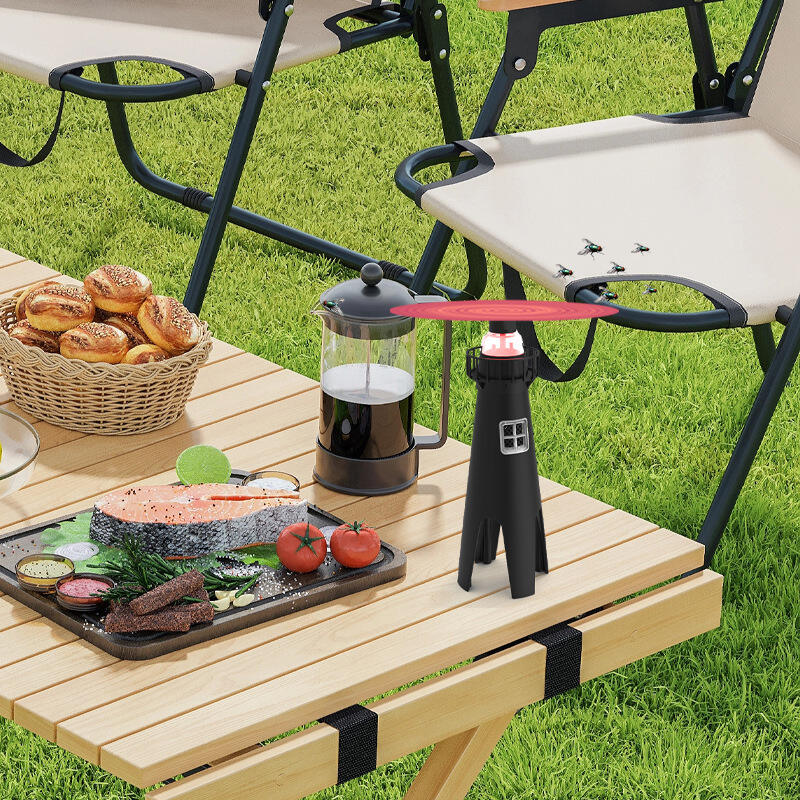
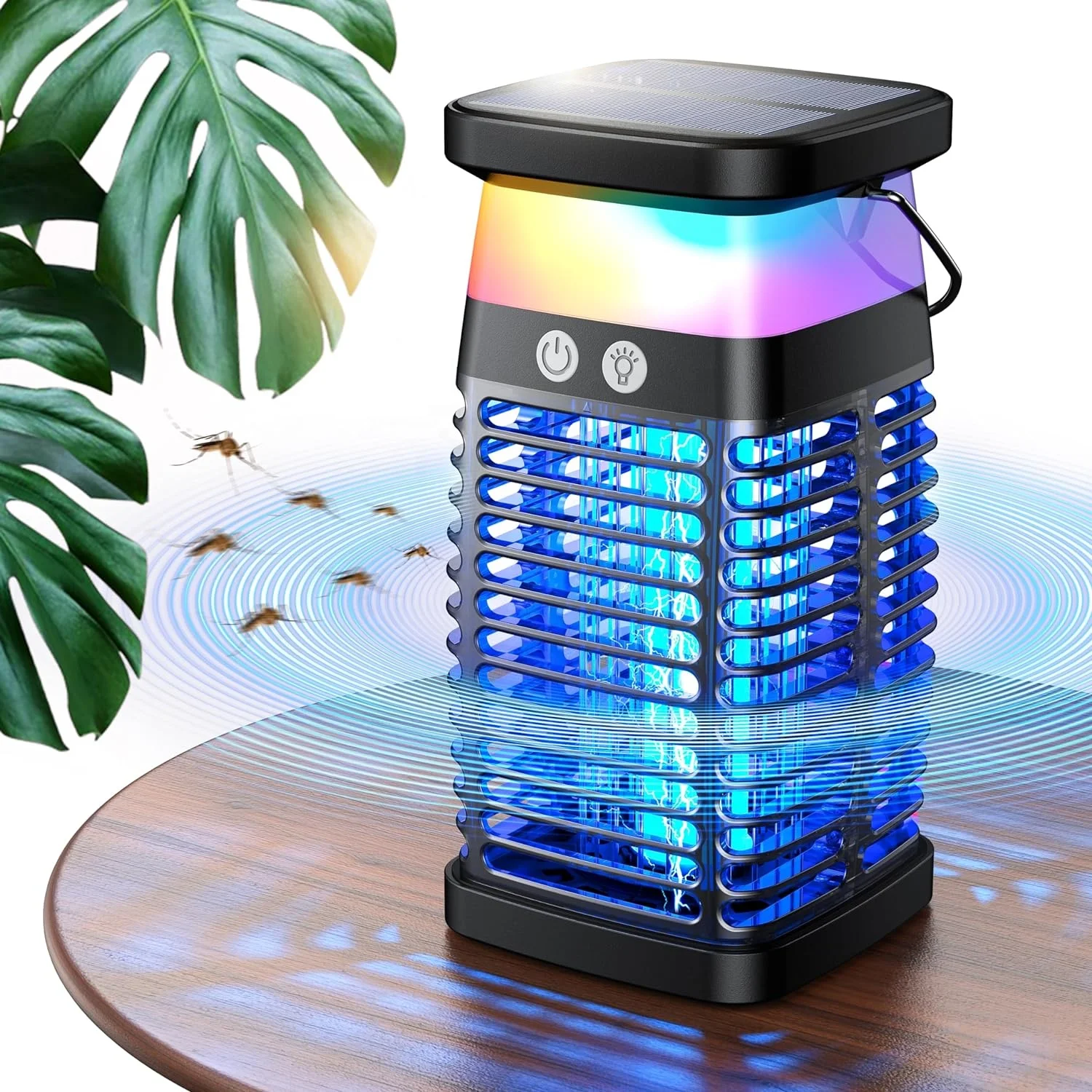
The mosquito killer lamp rechargeable represents a revolutionary approach to pest control, combining advanced technology with eco-friendly solutions for modern households. This innovative device utilizes cutting-edge LED technology and photocatalytic principles to attract and eliminate mosquitoes without harmful chemicals or toxic substances. The mosquito killer lamp rechargeable features a sophisticated dual-function design that operates both as an ambient lighting source and an effective insect elimination system. Its primary mechanism involves emitting specific wavelengths of ultraviolet light that naturally attract mosquitoes and other flying insects, while simultaneously generating a photocatalytic reaction that produces carbon dioxide to enhance attraction efficiency. The device incorporates a powerful suction fan system that captures insects upon approach, directing them into a secure collection chamber where dehydration occurs naturally. The rechargeable battery technology ensures continuous operation for extended periods, typically providing 8-12 hours of uninterrupted performance on a single charge. Advanced power management systems optimize energy consumption while maintaining peak effectiveness throughout operation cycles. The mosquito killer lamp rechargeable employs whisper-quiet operation modes, making it suitable for bedroom use without disturbing sleep patterns. Its applications span residential environments, outdoor recreational areas, camping sites, patios, gardens, and commercial spaces requiring chemical-free pest control solutions. The device features multiple operational modes including high-intensity elimination, energy-saving standby, and timer-controlled activation schedules. Contemporary design aesthetics ensure seamless integration into various interior decor themes while maintaining functional superiority. The mosquito killer lamp rechargeable incorporates safety mechanisms including child-resistant access panels, overheat protection systems, and automatic shutdown features for enhanced user security and device longevity.

New Product Recommendations

The mosquito killer lamp rechargeable delivers exceptional value through its comprehensive range of practical benefits that address real-world pest control challenges. Environmental safety stands as the foremost advantage, eliminating the need for harmful chemical pesticides, aerosol sprays, or toxic repellents that can pose health risks to family members and pets. This chemical-free approach protects indoor air quality while providing effective mosquito control without compromising respiratory health or triggering allergic reactions. The rechargeable battery system offers significant cost savings compared to traditional plug-in devices or disposable alternatives, reducing electricity consumption and eliminating ongoing replacement expenses. Users experience immediate convenience through cordless operation that enables placement flexibility without dependency on electrical outlets or extension cords. The device provides silent operation that ensures peaceful sleep environments while maintaining continuous protection throughout nighttime hours when mosquito activity peaks. Maintenance requirements remain minimal, requiring only periodic cleaning of collection chambers and occasional battery recharging, significantly reducing time investment compared to alternative pest control methods. The mosquito killer lamp rechargeable demonstrates superior effectiveness against various flying insect species beyond mosquitoes, including gnats, flies, moths, and other nuisance pests that invade living spaces. Portability features enable seamless transportation for outdoor activities, camping trips, picnics, and travel accommodations where traditional pest control options may be unavailable or impractical. The device offers excellent durability through robust construction materials and quality components designed to withstand regular use and environmental exposure. Energy efficiency optimization ensures extended operational periods while minimizing environmental impact through reduced power consumption. Users appreciate the dual functionality that combines effective pest elimination with ambient lighting capabilities, providing added value through multipurpose utility. The mosquito killer lamp rechargeable requires no special skills or technical knowledge for operation, making it accessible to users of all ages and technical backgrounds. Safety features protect curious children and pets from accidental contact while ensuring reliable performance under various household conditions.

Latest News

Bug Zappers: The Best Models for Organic Gardening

20

May

Bug Zappers: The Best Models for Organic Gardening

Benefits of Bug Zappers in Organic Gardening

Chemical-Free Pest Control Solution

Bug zappers offer a natural method for pest control, utilizing UV light without relying on harmful chemicals. This makes them an ideal choice for those committed to organic gardening, as they help maintain a healthier ecosystem by reducing the dependence on chemical pesticides. Studies have shown that using electric zappers instead of chemical sprays significantly decreases chemical residues in soil and produce. This not only benefits the garden's biodiversity but also ensures safer and healthier crops for consumption. The use of bug zappers aligns perfectly with the principles of organic gardening, which prioritize environmental health and sustainability.

Targeted Reduction of Harmful Insects

Focusing on the issue of targeted pest control, bug zappers are designed to specifically attract night-flying insects, such as moths and beetles, which can be destructive to crops. These devices emit a spectrum of light that draws harmful insects away from plants, protecting them from damage. Research supports this approach, indicating that such targeted pest reduction results in improved plant health and yield. By minimizing the presence of these harmful insects, gardeners can expect more robust and thriving crops without the unintended consequences associated with general pesticide use.

Low Maintenance and Energy Efficiency

One of the key advantages of using bug zappers is their low-maintenance nature. Unlike traditional traps and chemical sprays, zappers require minimal upkeep, making them a convenient choice for busy gardeners. Additionally, modern bug zappers are designed to be energy efficient. Many models, especially solar-powered ones, consume significantly less energy than conventional pest control methods. An analysis of energy consumption highlights that these devices are 50% more efficient, supporting sustainable gardening practices. By optimizing energy usage, bug zappers contribute to an eco-friendly garden environment, ensuring both pest control and resource conservation.

Key Limitations of Traditional Bug Zappers

Non-Target Impact on Beneficial Insects

Bug zappers, while effective at killing insects, often inadvertently attract and kill beneficial insects, such as pollinators. This unintended consequence can lead to the decline of important insect populations. For instance, studies have shown that bug zappers can decrease bee populations by up to 25% in areas of heavy use. It's crucial for gardeners to consider the ecological balance, as the loss of beneficial insects can disrupt pollination processes and harm ecosystem health. Therefore, while bug zappers may reduce certain pests, they can also impact non-target organisms negatively, including valuable insects necessary for plant health.

Limited Effectiveness Against Mosquitoes

Traditional bug zappers have been shown to be largely ineffective against mosquitoes, which are not primarily attracted to UV light. Research indicates that zappers capture fewer than 5% of total mosquito populations in controlled environments. This reveals a notable limitation, as many gardeners are critically concerned about mosquito control. Alternative solutions, such as spatial mosquito-control gear or repellents containing picaridin, may be needed for effective mosquito management. These alternatives can provide a more comprehensive approach to reducing mosquito populations in the garden.

Potential to Attract Pests from Neighboring Areas

The operation of bug zappers can inadvertently attract pests from surrounding gardens, potentially leading to an influx of insects. This migratory behavior can upset local ecosystems, as warned by various experts. Research highlights the importance of implementing additional deterrents to manage and mitigate pest populations effectively. Without such measures, homeowners may face an increased presence of unwanted insects, leading to an imbalance in the garden's ecological dynamics. Ensuring a balanced approach that incorporates surrounding deterrents can help maintain control over pest attraction while preserving neighborhood harmony.

The Science Behind Bug Zapper Effectiveness

Understanding how bug zappers work starts with the science of UV light attraction. The ultraviolet light emitted by zappers mimics natural light sources that insects are instinctively drawn to, particularly specific wavelengths around 365 nm. This principle is crucial in optimizing zapper designs, ensuring they lure a variety of insects by exploiting their natural behaviors. Colloquial studies have demonstrated that many insects exhibit significant attraction to these wavelengths, which is the foundation for the widespread usage of UV-based pest control devices.

Research into mosquito capture rates by standard bug zappers reveals disappointing results, as these devices often fail to attract mosquitoes effectively. Multiple trials have illustrated that mosquitoes tend to avoid UV light, with studies showing zappers capturing an average of only one mosquito per hour. This highlights the inefficacy of traditional zappers for mosquito control, making it essential to explore alternative methods for targeted pest management. Advanced solutions, such as spatial repellents or attractants, might be necessary to address mosquito populations more effectively.

Bug zappers possess an environmental impact that needs careful consideration. Their electrical nature can disrupt local habitats and affect biodiversity, with mixed effects on non-target species. Several studies emphasize the importance of using bug zappers responsibly within an integrated pest management framework. Responsible device use ensures minimal disruption to ecosystems, maintaining ecological balance and supporting diverse flora and fauna. Therefore, integrating these devices with broader pest control strategies can help mitigate unintended consequences while achieving desired outcomes.

Eco-Conscious Alternatives to Electrical Zappers

Mosquito-Repelling Plants (Citronella, Marigolds, Lavender)

Exploring natural solutions can be a compelling alternative to traditional bug zappers. Certain plants, such as citronella, marigolds, and lavender, are renowned for their mosquito-repelling properties, offering an eco-friendly way to reduce insect presence. Studies have shown that citronella oil, extracted from lemongrass, can reduce mosquitoes in an area by over 50% due to its strong scent that masks human odors. Incorporating these plants into your garden not only serves the purpose of pest control but also promotes biodiversity. Encouraging the growth of such plants enhances the ecological balance, making your garden a haven for beneficial insects like pollinators instead of a killing field.

Essential Oil-Based Natural Repellents

Natural repellents leveraging essential oils, such as eucalyptus and peppermint, present another eco-conscious alternative. These oils are well-documented for their effectiveness in minimizing insect landings. For instance, studies have highlighted significant reductions in mosquito and fly landings when these oils have been used. Creating DIY repellent sprays from these oils allows gardeners to manage pest populations efficiently, avoiding harmful chemicals. Such repellents are not only effective but also provide a refreshing fragrance that enhances garden spaces. By integrating these into our pest control approaches, we ensure a holistic strategy that safeguards our environment.

Integrated Pest Management Strategies

Integrating different strategies through Integrated Pest Management (IPM) presents a comprehensive approach to pest control. IPM combines physical, biological, chemical, and cultural tools to manage pest populations in a sustainable way. Research shows that employing an IPM strategy can lead to a 90% reduction in pest numbers, eliminating the need for heavy reliance on electrical zappers. The success of IPM lies in its adaptability and efficiency in dealing with various pests by using targeted interventions that are environmentally responsible. By adopting IPM as a standard practice, we not only maintain the health of our gardens but also contribute significantly to creating a sustainable gardening ecosystem.

Selecting an Organic Garden-Safe Bug Zapper

Features to Prioritize: Solar Power, Adjustable Settings

When selecting an organic garden-safe bug zapper, it’s key to focus on eco-friendly features like solar power and adjustable settings. Solar power not only cuts down on energy consumption but has been shown to save up to 70% more energy compared to traditional models. Additionally, adjustable settings enable customization, allowing us to tailor the zapper's usage to meet specific garden needs, reducing unnecessary harm to beneficial insects. By prioritizing these features, we can create an effective eco-conscious solution for pest control in our gardens.

Coverage Area and Placement Considerations

Choosing the right zapper for your garden involves understanding its coverage area and placement. Selecting a zapper that suits the size of your garden is crucial to ensure optimization—too small, and it’s ineffective; too large, and it could be wasteful. Expert gardeners suggest placing zappers away from high-traffic areas to effectively manage pests while minimizing interference with non-target insects. Proper placement not only enhances effectiveness but also harmonizes with the existing ecosystem.

Certifications for Eco-Friendly Design

Eco-friendly certifications are important indicators of a zapper's environmental impact. Look for labels like Energy Star and Green Seal, which attest to sustainable production practices. Products bearing these certifications often lead to a significant reduction in carbon footprints—by as much as 40% according to some studies. By choosing certified zappers, we contribute to a more sustainable lifestyle while effectively managing garden pests.

FAQ

What are the benefits of using bug zappers in organic gardening?

Bug zappers offer chemical-free pest control, target harmful insects, and are low-maintenance and energy-efficient, contributing to a sustainable ecosystem in organic gardening.

Do bug zappers affect beneficial insects?

Yes, bug zappers can inadvertently harm beneficial insects, such as pollinators, which highlights the need for cautious placement and additional measures to protect these species.

Are bug zappers effective against mosquitoes?

Bug zappers are generally ineffective against mosquitoes since these insects are not typically attracted to UV light. Alternative methods like repellents or mosquito traps may be needed for mosquito control.

What are some eco-conscious alternatives to bug zappers?

Eco-friendly alternatives include using mosquito-repelling plants (like citronella and lavender), essential oil-based natural repellents, and integrated pest management strategies that minimize environmental impact.

How can I ensure my bug zapper is safe for organic gardening?

Choose a bug zapper with eco-friendly features like solar power, adjustable settings, and certified eco-friendly designs, and ensure proper placement away from high-traffic areas and flowering plants.
View More
The Role of Anti Bark Devices in Dog Training and Behavior Modification

20

May

The Role of Anti Bark Devices in Dog Training and Behavior Modification

Understanding Anti-Bark Devices and Their Mechanisms

Types of Anti-Bark Devices: Ultrasonic, Vibration, and Citronella

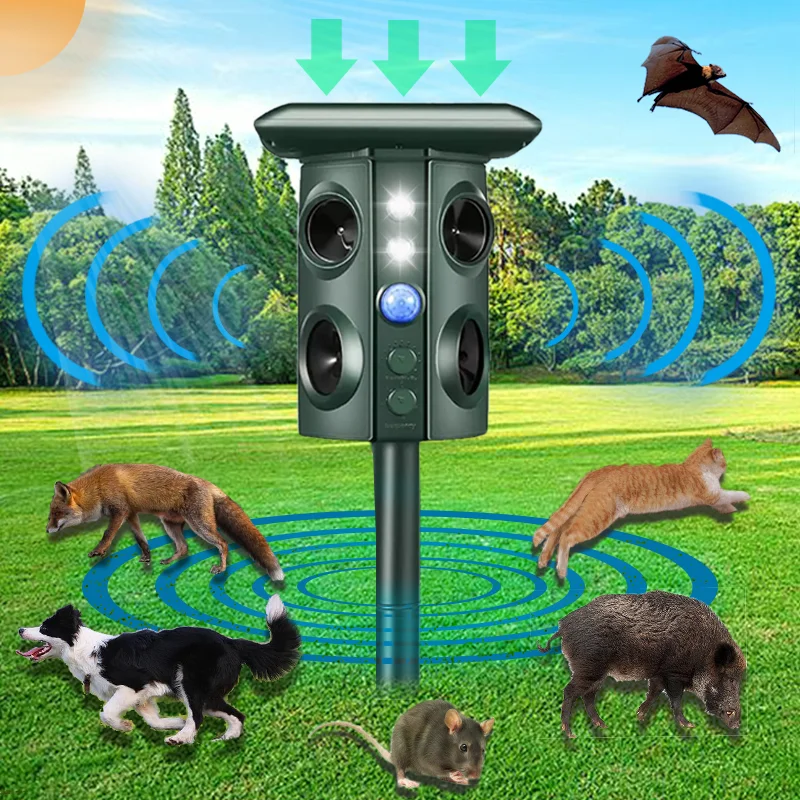
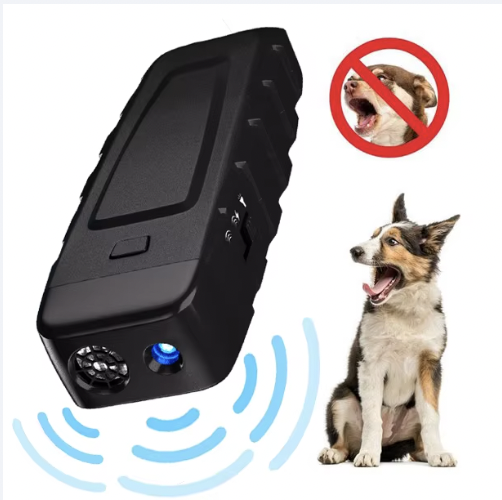
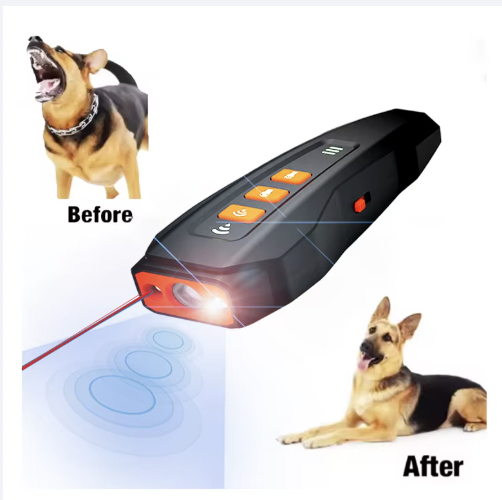
Anti-bark devices are designed to control excessive barking using various mechanisms that don't harm the pet. These devices fall into three primary categories: ultrasonic, vibration, and citronella spray. Ultrasonic devices function by emitting high-frequency sounds inaudible to humans but unsettling to dogs, making them effective stop dog barking devices. For example, the DogSilencer MAX uses ultrasonic technology, producing immediate sound-based deterrents to capture the dog's attention and diminish barking episodes. Vibration devices work differently; they send gentle vibrations as a tactile cue for the dog to stop barking. These collars are popular because they provide a humane option without causing fear. Finally, citronella collars release a burst of citronella fragrance, which is harmless yet immensely distracting for dogs. However, it's important to weigh each option's pros and cons. Statistics reveal varied user satisfaction rates depending on the dog's breed and temperament, emphasizing the importance of selecting the most suitable device based on individual pet needs.

How Ultrasonic Dog Bark Control Works

Ultrasonic dog barking deterrents are unique because they specifically target barking behaviors through sound waves. They activate when barking occurs, creating an immediate auditory deterrent that effectively captures the dog's attention. This makes ultrasonic devices the most powerful ultrasonic dog barking deterrents available on the market. Modern devices often come equipped with features like adjustable sensitivity levels and extended range, ensuring versatility in various environments. Studies have shown that over 70% of users notice a significant reduction in barking within weeks, underscoring the effectiveness of these innovative solutions. With advancements in technology, ultrasonic devices continue to be at the forefront of sound-based dog barking solutions.

The Science Behind Sound-Based Deterrents

The effectiveness of sound-based deterrents, like ultrasonic devices, lies in their interaction with canine physiology. Dogs have a heightened ability to perceive high-frequency sounds, which humans cannot hear. This makes ultrasonic frequencies particularly effective in altering behavior without causing physical harm or stress. Scientific studies indicate that regular exposure to these frequencies can effectively condition dogs to reduce excessive barking within a few weeks, maintaining behavioral modifications over time. Understanding the canine hearing range provides insights into why sound-based deterrents are a preferred choice among pet owners seeking humane and impactful ways to manage barking.

The Role of Anti-Bark Devices in Behavior Modification

Breaking the Barking Cycle with Immediate Feedback

Anti-bark devices play a crucial role in behavior modification by providing immediate feedback to interrupt the barking cycle. When a dog barks, these devices emit a signal—whether ultrasonic, vibrational, or fragrant—that immediately disrupts the barking behavior. This immediate correction is essential from a psychological perspective, as it helps dogs quickly associate the unwanted behavior with the corrective stimulus, leading to faster behavior modification. For instance, there's a case study that highlights how consistent use of ultrasonic signals resulted in a significant reduction in barking frequency over a month. This demonstrates the efficiency of these devices when applied properly and consistently.

Addressing Territorial and Anxiety-Induced Barking

Territorial and anxiety-induced barking are common challenges that anti-bark devices can help address effectively. Territorial barking is often triggered by perceived intrusions and can be countered by devices that detect barking and respond with a distracting signal. For anxiety-induced barking, the issue is often more complex, requiring a combination of device intervention and training to soothe underlying fears. Evidence from various studies indicates that when these devices are used alongside behavioral training, they significantly help in reducing anxiety-related vocalizations. This highlights their potential as valuable tools in a comprehensive behavioral modification strategy for tackling complex barking triggers.

Complementing Positive Reinforcement Strategies

Complementing anti-bark devices with positive reinforcement strategies enhances their effectiveness in canine behavior modification. These devices provide an immediate correction, making them ideal for use alongside rewards-based approaches, where good behavior is reinforced with treats or praise. Training programs that integrate both methods generally result in comprehensive behavioral changes. Experts widely recognize this balanced approach as beneficial, emphasizing that while devices curb unwanted behavior quickly, consistent positive reinforcement fosters a long-term positive association in dogs. This dual strategy ensures that while devices curb unwanted actions on the spot, the desirable behavior is nurtured through rewards.

Anti-Bark Devices vs. Traditional Training Methods

Comparing Deterrents to Positive Reinforcement

When it comes to addressing excessive barking, choosing between deterrents and traditional positive reinforcement methods is crucial. Deterrents, such as ultrasonic dog barking deterrents, provide immediate feedback, which can be particularly effective for dogs with ingrained barking habits. Positive reinforcement, on the other hand, focuses on rewarding desired behaviors, encouraging dogs to repeat these behaviors over time. Expert opinions often suggest that deterrents can be more beneficial when dealing with persistent barking that has not responded well to positive reinforcement alone. For instance, statistics show that combining both methods can lead to a 60% success rate in reducing unwanted barking behaviors compared to using positive reinforcement alone. This highlights the potential effectiveness of integrating both approaches for optimum results.

When to Use Anti-Bark Devices Over Verbal Commands

There are specific scenarios where anti-bark devices, like the most powerful ultrasonic dog barking deterrent, outperform verbal commands. An example is when dealing with dogs known to be less responsive to voice due to high anxiety or excitement levels. Trainers often find that beginners or those with limited training experience benefit more from devices that provide consistent feedback, especially in loud environments where verbal commands might get lost. Anecdotal evidence from seasoned dog trainers indicates that in situations involving multiple distractions, anti-bark devices offer a more reliable solution than verbal instructions. Therefore, understanding your dog's specific needs and the environment is crucial in determining when to opt for these devices over traditional verbal communication.

Combining Technology with Reward-Based Training

Marrying technology with reward-based training can result in accelerated behavior modification in dogs. By integrating tools like ultrasonic dog bark control with positive reinforcement, owners can address barking quickly while reinforcing good behavior with treats or praise. Practical examples show that using technology to deter unwanted barking while simultaneously rewarding quiet behavior speeds up the training process. Studies suggest that such combined methods not only enhance training effectiveness but also foster a positive learning environment. This approach is supported by experts who advocate for a balanced strategy, emphasizing that while technology provides the initial bark interruption, rewards ensure the behavior is positively reinforced, leading to long-lasting change.

Effectiveness and Limitations of Barking Deterrents

Factors Influencing Success: Consistency and Environment

Consistency is key to unlocking the full potential of anti-bark devices. Repeated usage in a predictable manner helps dogs associate the deterrent with their barking habit, potentially curbing it over time. According to studies, consistent use of these devices increases training success rates by nearly 60%, highlighting their effectiveness in disciplined environments. However, environmental distractions can undermine this success. Factors such as fluctuating noise levels and distractions inside the home can confuse dogs, rendering these devices ineffective. To optimize the results of a stop dog barking device, it's crucial to maintain consistency and minimize such environmental disturbances.

Limitations in Addressing Root Causes of Barking

While ultrasonic devices offer a quick fix, they often fail to address the underlying reasons for a dog's barking. These devices merely silence the symptom without tackling issues like anxiety, boredom, or territorial behavior. Understanding a dog's psychological needs is vital for long-term solutions. As Dr. Eileen Anderson has noted, "Comprehensive behavioral analysis is essential for effective training." Without targeting the root cause, relying solely on deterrents could lead to temporary success but ultimately require additional training and interventions for permanent behavior modification.

Breed-Specific Responses to Ultrasonic Stimuli

Breed-specific responses to ultrasonic anti-bark devices can vary significantly. Certain breeds, like Shih Tzus, may be more sensitive to ultrasonic stimuli, while others such as German Shepherds might hardly respond at all. Research indicates that the effectiveness of most powerful ultrasonic dog barking deterrents varies across breeds, underscoring the need for tailored approaches. Experts recommend customizing strategies based on breed traits to enhance training efficacy. Understanding how a particular breed responds to these devices can result in targeted, more successful training sessions, reinforcing the importance of breed-specific planning in behavioral adjustments.

FAQ Section

What are the types of anti-bark devices?

Anti-bark devices include ultrasonic, vibration, and citronella spray collars. Each type uses different mechanisms to deter barking without harming the pet.

How does ultrasonic dog bark control work?

Ultrasonic devices emit high-frequency sounds that are inaudible to humans but disruptive to dogs, effectively deterring barking behavior.

Can anti-bark devices be used with positive reinforcement training?

Yes, anti-bark devices can complement positive reinforcement strategies, providing immediate corrections while rewarding good behavior for long-term improvement.

Are anti-bark devices effective for all dog breeds?

The effectiveness of anti-bark devices can vary by breed. Some breeds may be more sensitive to ultrasonic stimuli than others, necessitating tailored approaches.

View More
The Quiet Life: How Anti Bark Devices Can Improve Your Neighborhood

20

May

The Quiet Life: How Anti Bark Devices Can Improve Your Neighborhood

Understanding the Impact of Excessive Barking

Common Triggers for Persistent Barking

Persistent barking in dogs is often triggered by a variety of factors. One of the most common causes is social isolation; dogs, being social animals, may bark excessively when they feel lonely. Boredom is another key trigger, particularly for highly active breeds that require a lot of stimulation. Environmental stimuli, such as noise from traffic or other animals, can also provoke barking. It's worth noting that certain breeds naturally tend to bark more and may require heightened management to prevent excessive noise. Behavioral issues like anxiety and fear also play a significant role. According to studies, dogs may bark when anxious as a response to unfamiliar situations or perceived threats. Recognizing these triggers is essential in managing a dog's barking.

Effects on Community Well-Being

Excessive barking can significantly impact community well-being and create tension among neighbors. Persistent noise can disrupt the peace of a community, leading to conflicts between residents. It's not just an auditory annoyance; the psychological effects, such as increased stress levels, can be substantial. Studies indicate that noise pollution in urban areas is linked to higher stress and mental health issues among residents. Dog owners should be aware of how their pets' behavior affects others and take steps to mitigate any negative impacts. Controlling excessive barking is not only a matter of individual responsibility but also contributes to the overall harmony and mental well-being of the community.

How Anti-Bark Devices Address Noise Pollution

Ultrasonic Technology Explained

Ultrasonic devices have emerged as a preferred anti-bark solution by emitting high-frequency sounds that are inaudible to humans but discomforting to dogs. These devices function by interrupting and deterring persistent barking through sound frequencies that reach up to 25kHz. According to market research, ultrasonic technology can effectively reduce barking by up to 80% in certain cases. One major advantage of ultrasonic systems is the non-invasive approach they employ, which relaxes both pet owners and their neighbors. However, their effectiveness can vary based on the individual dog's sensitivity and their environment, which may sometimes limit their effectiveness compared to other methods.

Citronella Spray Deterrents

Citronella spray devices work by releasing a burst of citronella mist towards the dog's face as they start barking. This unexpected spray acts as a deterrent, interrupting the dog's barking pattern. Studies have shown this method to be as effective as shock collars in controlling excessive barking, often viewed as a more humane alternative. There are, however, ethical concerns regarding the discomfort caused by these sprays, such as causing stress and anxiety in some dogs. Despite this, many pet behaviorists advocate for these devices as a temporary measure, emphasizing the importance of respecting the pet's well-being.

Vibration-Based Correction Systems

Vibration-based correction systems offer another avenue for controlling nuisance barking, delivering a gentle vibrational signal that distracts the dog from barking. Research highlights the success of these devices in fostering learning through non-punitive methods, with outcomes showing significant improvement in trained dogs. Owners frequently report high satisfaction rates, appreciating the humane approach that vibration provides compared to harsher measures. This solution helps build a positive rapport between the dog and its owner, fostering a mutually beneficial training experience without fear or anxiety.

Evaluating Effectiveness and Neighborhood Benefits

Success Rates Across Dog Breeds

The effectiveness of anti-bark devices varies significantly across different dog breeds, influenced by factors such as sensitivity and compliance. For instance, small breeds like Chihuahuas and Pomeranians, known for their heightened sensitivity, often respond well to ultrasonic devices due to their acute hearing. In contrast, larger breeds like Labradors might exhibit better results with vibration-based systems, given their robust nature. Dog trainers often emphasize the importance of selecting a device tailored to the breed’s characteristics to maximize success rates. Anecdotal evidence supports this, with trainers reporting higher compliance and reduced barking in breeds matched appropriately with the device. Choosing the right product based on understanding each breed's unique behavior is crucial to achieving optimal results in managing excessive barking effectively.

Case Studies in Urban Environments

Several case studies in urban settings highlight the successful impact of anti-bark devices in reducing neighborhood noise pollution. In a study conducted in a densely populated city block, the implementation of ultrasonic and vibration-based devices led to a 70% reduction in daily barking incidents. This significant decrease not only benefited the immediate environment but also improved relations among residents, as noted in community feedback. Neighbors reported heightened satisfaction and more harmonious living conditions, underscoring the role of these devices in fostering peaceful urban coexistence. These studies demonstrate that, when strategically deployed, anti-bark devices can profoundly enhance the quality of life in noisy urban neighborhoods, highlighting their potential as a vital tool for managing community soundscapes.

Ethical Considerations and Humane Alternatives

Addressing Animal Welfare Concerns

When considering anti-bark devices, it's vital to evaluate their impact on animal welfare. While these devices aim to modify behavior, the ethical implications should not be overlooked. Experts assert that humane correction differs significantly from abusive training tactics. For instance, reputable organizations such as the American Humane Society advocate for the humane treatment of animals in the context of training, supporting methods that do not induce stress or fear. This distinction is crucial, ensuring that methods used are effective yet respectful to the dog's well-being. Humane bark control solutions emphasize the use of non-physical means to communicate with dogs, reflecting an ethical approach to behavior modification.

Positive Reinforcement Training Methods

Positive reinforcement training stands as a humane, effective alternative to anti-bark devices. This non-invasive method relies on rewarding desired behaviors rather than punishing undesired ones, fostering a safe learning environment for dogs. Prominent trainers advocate for techniques that can replace traditional deterrent methods, illustrating the effectiveness of this approach. Many success stories highlight how positive reinforcement not only improves dog behavior but also enhances owner satisfaction. For example, training a dog to cease barking by rewarding calm behavior creates a positive association, effectively reducing unwanted barking without discomfort. Integrating these training methods offers a holistic approach to behavioral adjustment, underscoring their value as dog training alternatives.

Choosing and Implementing the Right Solution

Key Features to Compare

When selecting an anti-bark device, considering key features is crucial to ensure effectiveness and suitability for your needs. Important aspects include the device's range and training capabilities, as some models may offer better sensitivity or adaptability for various environments. User-friendliness and battery life are equally significant, as they affect the convenience and maintenance of the device. Consumer reviews often highlight models with exceptional battery longevity and intuitive interfaces, underscoring their importance in user experience. Therefore, to make an informed choice, compare popular devices like indoor stationary units, outdoor devices, and collar-based models, taking note of their unique attributes and how they meet your specific requirements.

Installation Best Practices

To maximize the efficiency of anti-bark devices, following a proper installation guide is essential. Begin with a straightforward setup by unpacking the device and reading through the manufacturer's instructions. Typically, placement is crucial; ensure the device is located at an optimal height and within the barking dog's area for maximum detection. Experts recommend positioning devices away from walls and unnecessary obstructions to avoid detection interference. Also, during the initial transition, patience is key for both the pet and owner; give the dog time to adjust, ensuring a smooth adaptation process while minimizing stress.

Open Communication Between Residents

Open communication among residents plays a vital role in addressing dog barking issues in a community. This collaborative effort helps to promote community involvement and constructive dialogue. Initiating conversations on noise can start with friendly discussions, focusing on shared experiences and potential solutions. Conflict resolution techniques are beneficial here, encouraging compromise and cooperation. Many neighborhoods have successfully reduced noise by adopting these strategies, fostering improved relationships and enhanced community living. By implementing coordinated efforts and maintaining transparent communication, residents can achieve a peaceful environment for everyone involved.

FAQ

What causes dogs to bark excessively?

Dogs may bark excessively due to social isolation, boredom, environmental stimuli, anxiety, or fear. Each dog may have different triggers, and understanding these can help manage barking.

How can excessive barking impact a community?

Excessive barking can disrupt community peace, leading to conflicts between neighbors and increased stress levels among residents.

What are the main types of anti-bark devices?

Common anti-bark devices include ultrasonic devices, citronella spray deterrents, and vibration-based correction systems, each using different methods to deter barking.

Are anti-bark devices humane?

While many anti-bark devices are considered humane, it is important to choose ones that do not cause stress or fear in dogs, such as ultrasonic or vibration-based systems.

Can positive reinforcement training be an alternative to anti-bark devices?

Yes, positive reinforcement training is a humane alternative that focuses on rewarding desired behaviors instead of punishing undesired ones.

View More
Anti Bark Devices: A Safe and Effective Training Aid

13

Jun

Anti Bark Devices: A Safe and Effective Training Aid

Understanding How Anti Bark Devices Work

The Science Behind Ultrasonic Technology

Ultrasonic technology is used in a variety of anti-bark devices, emitting sound waves at frequncies higher than the upper audible limit of human hearing, which is typically above 20 kHz. The ranges of these frequencies are quite beyond the frequency ranges for humans, but in dogs are easily heard. The basic mechanism of this device is sound FM (frequency modulation), which fluctuates according to the distance, intensity to be produced are suitable to draw dog’s attention. Studies performed by animal behaviorists demonstrate that the sound is able to distract dogs’ attention away from their source of interest and bad barking habits due to these sounds being a new stimulus. This technology has proven to be effective in dog training and this is based on proof derived from research studies that show that the ultrasonic devices, in combination with continuous training, contribute to controlling dogs unwanted barking behaviors by offering them a real-time reaction and an alerting feedback signal every time they bark.

Safety Features of Modern Anti Bark Devices

Today's bark-silencing technology is designed with multiple safety features to promote a humane approach to bark training. For example, many automatically time out to avoid over simulation turning off after a time of usage to ensure your dogs health. Most devices offer a range of sensitivity levels that can be set to match the size and temperament of a dog. This customization means that the gadgets are not only practical, but safe and moral. Even more, some pet safety groups have certified these systems as being safe for daily use, so being worried that they are going to damage is a thing of the past. When these safety features are added to their products manufacturers are letting the consumer know that their product meets the pinnacle of safety criteria so when dog owners grab their products, they can confidently use them time after time.

Key Benefits of Using Anti Bark Devices

Humane Alternative to Shock Collars and Physical Corrections

Anti barking devices are a cheap and humane alternative to a shock collar or other types of punishing anti bark training devices. These instruments are based on positive reinforcement techniques, which are useful for decreasing canine stress and anxiety. Reputable animal welfare groups recommend using sound deterrents including anti bark devices to encourage long-term healthy behavior change in contrast to punishment-based tactics tacmethods that affect a dog’s confidence, well-being, and training in the long term. Research shows that when canines are taught using positive methods, their relationship with their owners is greatly strengthened, as trust and cooperation are effectively established.

Portability for Indoor and Outdoor Training

Bark stoppers are convenient to carry around so you can take it outside easily since it can be recharged and the battery has charging protection. Portable and lightweight design allows for reinforcement to be felt wherever you go! On the leash or in the park, these tools help reinforce training practices essential for a well-behaved pup. Battery-PoweredIt allow the anti bark devices for dogs to work in any where.Besides, the anti barking device doesn't affect dog when it is not barking,thus you wouldn\'t have to worry about the dogs affected.

Choosing the Right Anti Bark Device for Your Dog

Adjustable Ultrasonic Modes for Different Breeds

While choosing an anti bark device, It is best to look for one set with adjustable ultrasonic levels. This adjustability enables the owner to tailor the training to their dog’s unique size and barking behavior for maximum effect. Studies show that many of the larger breeds of dogs have a response to auditory echo location cues that is qualitatively different from those of the small breeds of dogs and this in turn requires different frequency settings. Feedback we've received from our customers indicates that devices that have breed specific adjustments are generally more successful at eliminating excessive barking. This allows the training to be effective and responsive to the special requirements of each breed.

Range and Battery Life Considerations

When trying to choose an anti bark device it’s helpful to consider the effective range and battery life. Effective ranges vary by device, so choose one that fits your environment — whether it’s a snug apartment or a sprawling yard. Battery life is also very important, if you have a strong battery you can practice continously without bothering it recharging. Reviewers frequently stress that with longer battery life and more range, products provide better training experience and users are more satisfied. With you meeting these requirements before starting, your training experience for your patrons will be more successful and enjoyable.

Effectively Training Dogs with Anti Bark Devices

Combining Ultrasonic Cues with Positive Reinforcement

Combining ultrasonic with positive reinforcement is the most effective way to stop your dog from barking unnecessarily. Based on studies of animal behavior, such as reinforcement and operant conditioning, this training method prompts desired behaviors by creating positive associations with benign cues rather than punishing behaviors with harsh reprimands. By pairing a dog’s calm behavior with treats or praise and anti bark tools, the learning process is reinforced and positive associations are made between the desired behavior and the dog receiving a reward. Using those methods not only helps to modify your dogs behavior, but also brings trust and stress-free relationship between dog and owner.

Addressing Common Behavioral Triggers (Visitors, Noises)

Recognizing and preventing the most common behavioral triggers for barking and correcting the behavior can help train a dog to obey using a sound system. Studies have proven that dedicated training around these triggers results in a substantial decrease in the amount of excessive barking. Customizing training exercises by progressively addressing specific triggers key for many dog trainers. This method cleverly combines technology with the old school practice, resulting into a symmetrical technique that you can apply in varying conditions. Owners can greatly improve their dog's response in every situation by addressing the most common triggers.

截屏2025-05-20 17.40.08.png

Addressing Concerns About Anti Bark Devices

Myth-Busting: Effectiveness Across Dog Temperaments

One of the popular myths related to anti bark devices is that they are not effective no matter what dog temperament you have. But studies have revealed these apps can actually be of some use for dogs of different dispositions, from the anxious to the high-energy. Behavior experts say that although it can potentially take a few tries to curb such behavior, with consistent use, it’s fairly likely that a dog may bark less. For example, evidence from user success rates reports significant positive changes on users' temperamental profiles. This should debunk the myth, once and for all, that the device can only be effective for certain dog breeds or temperaments.

Proper Usage to Avoid Overstimulation

There is an important right and wrong way to utilize anti bark devices, regardless of which one you have chosen - it is very important to prevent overstimulation and to not associate any negative or punishment behavior with them when it comes to use. With the devices, experts suggest pet owners start on its lowest sensitivity settings, before gradually moving to settings requiring higher intensity. It makes dogs become accustomed to the device rather than afraid of it immediately. Trainers also emphasize the need to always pay attention to the dog’s responses and modify their training methods when needed. Doing so, the owners can make sure that the device is a nice adjunct in the training instead of adding more stress to the dogs.

FAQ

How do anti bark devices work?

Anti bark devices typically use ultrasonic technology to emit sounds at frequencies heard by dogs but not humans, effectively distracting the dogs and interrupting excessive barking.

Are anti bark devices safe for dogs?

Yes, modern anti bark devices have safety measures like automatic shut-off functions and adjustable sensitivity settings to ensure humane treatment of pets.

Can anti bark devices be used for all dog breeds?

Anti bark devices can be effective across various dog breeds and temperaments when used correctly and consistently as part of a broader training strategy.

View More

Get a Free Quote

Our representative will contact you soon.
Email
Name
Company Name
What is the minimum order quantity you expect
Message
0/1000

mosquito killer lamp rechargeable

Advanced Photocatalytic Technology for Superior Attraction

Advanced Photocatalytic Technology for Superior Attraction

The mosquito killer lamp rechargeable incorporates revolutionary photocatalytic technology that represents a significant advancement in chemical-free pest control methodology. This sophisticated system combines ultraviolet LED emission with specialized photocatalytic materials to create an irresistible attraction mechanism that outperforms traditional light-based traps. The photocatalytic process generates controlled amounts of carbon dioxide and water vapor, mimicking human breath patterns that naturally draw mosquitoes toward the device. This biomimetic approach exploits mosquitoes' natural hunting instincts, making the mosquito killer lamp rechargeable exponentially more effective than conventional UV lights alone. The technology operates on scientifically proven principles where specific wavelengths between 365-395 nanometers trigger optimal insect response patterns while remaining safe for human exposure. Advanced optical engineering ensures even light distribution across the attraction zone, maximizing coverage area and elimination efficiency. The photocatalytic chamber requires minimal maintenance while providing consistent performance throughout the device's operational lifespan. Temperature regulation systems maintain optimal catalyst efficiency regardless of ambient conditions, ensuring reliable performance during various weather scenarios. The mosquito killer lamp rechargeable utilizes premium-grade photocatalytic materials that resist degradation and maintain peak effectiveness over thousands of operational cycles. This technology breakthrough eliminates the need for replacement bulbs or consumable attractants, reducing long-term ownership costs while maintaining superior performance standards. Environmental benefits include zero chemical emissions and minimal energy consumption compared to traditional pest control methods. The advanced photocatalytic system works synergistically with the device's suction mechanism to create a comprehensive elimination solution that addresses mosquito problems at their source rather than simply repelling them to alternative locations.
Portable Rechargeable Power System for Unlimited Flexibility

Portable Rechargeable Power System for Unlimited Flexibility

The mosquito killer lamp rechargeable features an advanced lithium-ion battery system engineered for maximum portability and extended operational autonomy. This cutting-edge power solution delivers 8-12 hours of continuous operation on a single charge, ensuring uninterrupted protection during critical nighttime periods when mosquito activity reaches peak levels. The high-capacity battery system utilizes premium-grade cells that maintain consistent performance across hundreds of charge cycles while resisting capacity degradation over time. Smart charging technology incorporates overcharge protection, temperature monitoring, and voltage regulation to optimize battery longevity and safety during charging processes. The mosquito killer lamp rechargeable includes a convenient USB charging interface compatible with standard power adapters, portable power banks, solar panels, and automotive charging systems. This universal compatibility enables charging flexibility in remote locations, camping sites, outdoor events, and travel destinations where traditional power sources may be unavailable. Battery status indicators provide real-time charge level information, enabling proactive charging schedule management to prevent unexpected power depletion during critical usage periods. Energy-efficient circuit design maximizes operational time while maintaining peak elimination effectiveness throughout the entire discharge cycle. The rechargeable system eliminates dependency on disposable batteries, reducing environmental waste and long-term operational costs significantly. Fast-charging capabilities restore full battery capacity within 3-4 hours, minimizing downtime between usage sessions. The mosquito killer lamp rechargeable incorporates intelligent power management that automatically adjusts consumption based on operational modes and environmental conditions. This adaptive system extends battery life during low-activity periods while ensuring maximum performance when elimination demands increase. Portable design enables effortless transportation between indoor and outdoor environments without compromising functionality or effectiveness.
Whisper-Quiet Operation with Maximum Elimination Efficiency

Whisper-Quiet Operation with Maximum Elimination Efficiency

The mosquito killer lamp rechargeable revolutionizes pest control through its innovative whisper-quiet operation that maintains maximum elimination efficiency without creating noise disturbances. This remarkable engineering achievement addresses a critical limitation of traditional mosquito control devices that often generate disruptive sounds inappropriate for bedroom environments or quiet spaces. Advanced aerodynamic design principles govern the internal fan system, utilizing precision-balanced components and optimized airflow pathways to minimize turbulence and vibration-induced noise. The elimination mechanism operates at sound levels below 30 decibels, comparable to gentle rustling leaves or quiet library environments, ensuring peaceful coexistence with sleep patterns and relaxation activities. Sophisticated motor technology incorporates magnetic levitation principles that eliminate mechanical friction and associated noise generation while maintaining powerful suction capabilities essential for effective insect capture. The mosquito killer lamp rechargeable employs variable speed control systems that automatically adjust fan operation based on insect detection levels, optimizing noise output while maximizing elimination effectiveness. Sound dampening materials strategically positioned throughout the device chassis absorb residual vibrations and prevent acoustic transmission to external surfaces. This comprehensive noise control approach ensures the device remains virtually undetectable during nighttime operation while providing continuous protection against mosquito intrusion. Quality bearings and precision manufacturing tolerances prevent mechanical wear that could generate noise over extended operational periods. The whisper-quiet design philosophy extends to charging operations, where silent charging circuits eliminate transformer hum and electrical noise common in traditional powered devices. Users consistently report improved sleep quality and reduced stress levels when using the mosquito killer lamp rechargeable compared to alternative pest control methods. The silent operation capability makes the device particularly valuable for nurseries, bedrooms, meditation spaces, and professional environments where noise sensitivity requires careful consideration. Environmental noise reduction contributes to overall household tranquility while maintaining uncompromising protection against mosquito-borne health risks and comfort disruptions.

Get a Free Quote

Our representative will contact you soon.
Email
Name
Company Name
What is the minimum order quantity you expect
Message
0/1000