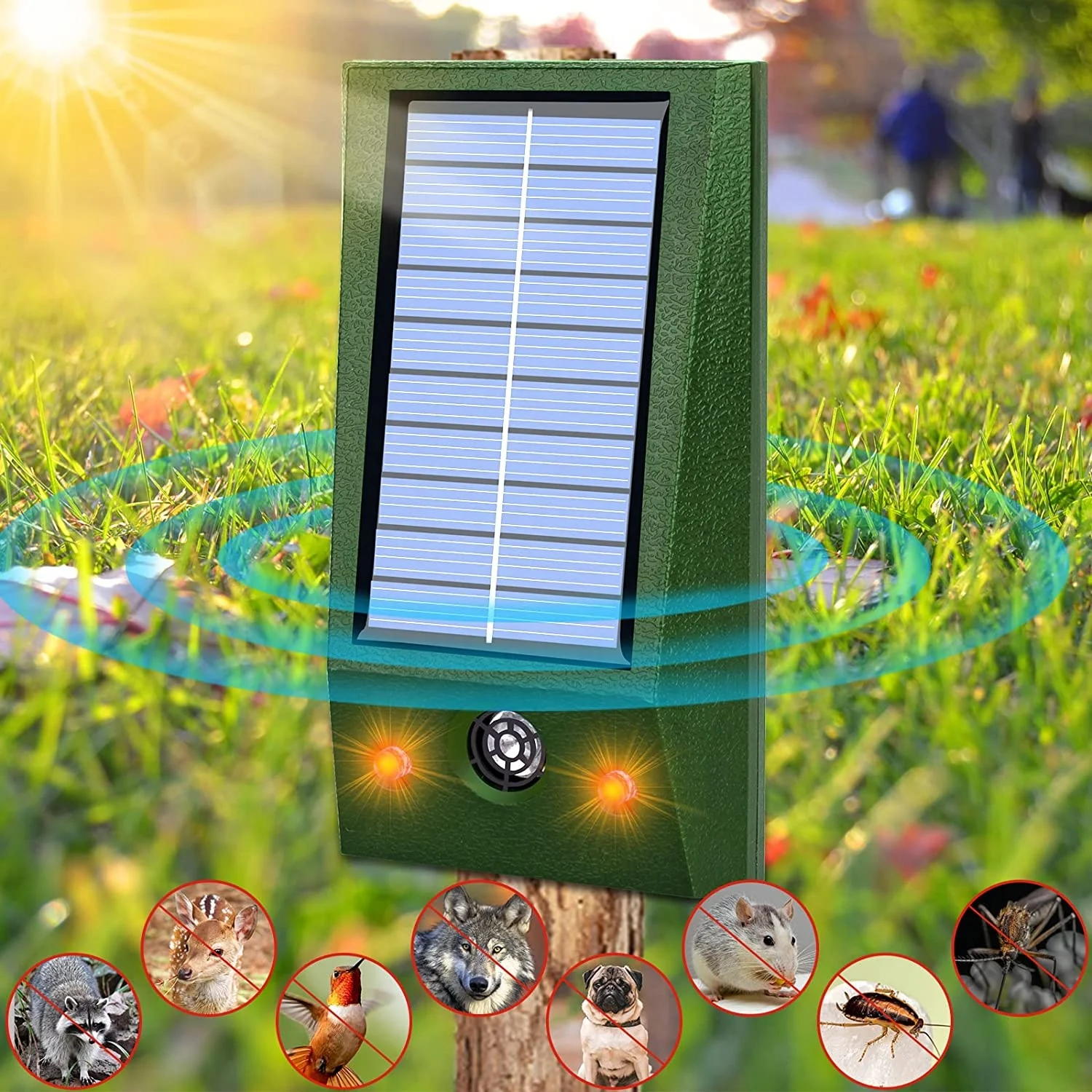

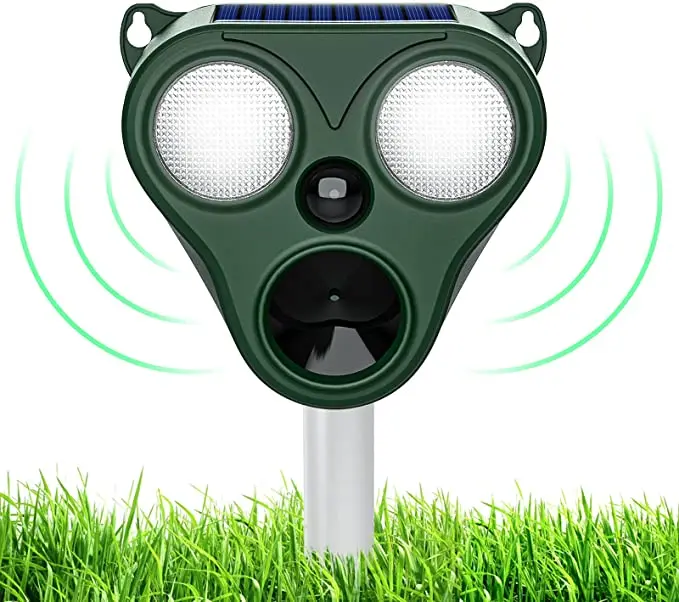
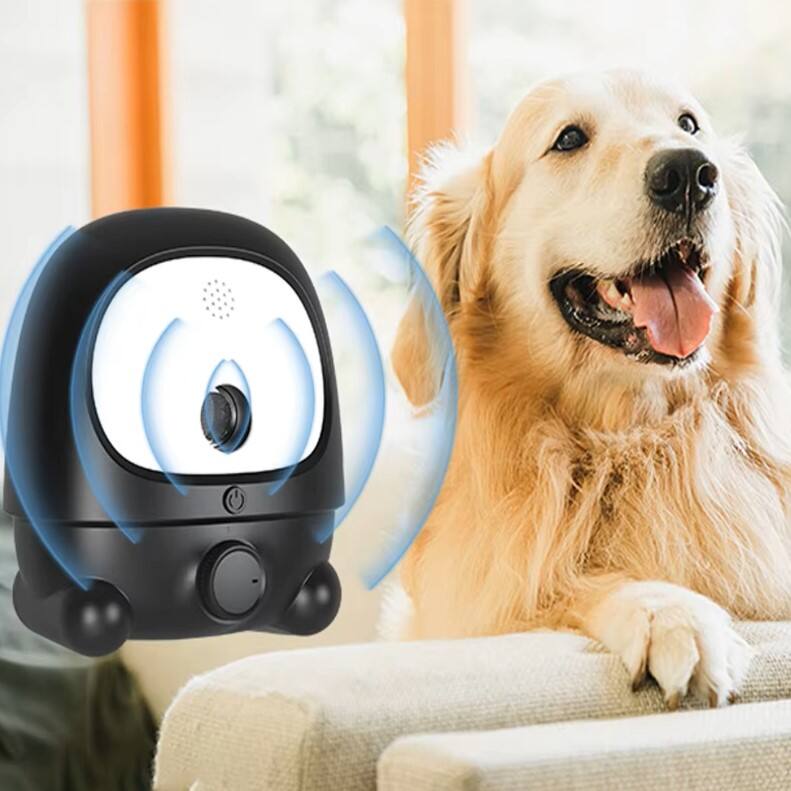
Best Rechargeable Fly Repellent Fan - Portable Pest Control & Cooling Solution

All Categories

Get a Free Quote

Our representative will contact you soon.
Email
Name
Company Name
What is the minimum order quantity you expect
Message
0/1000

rechargeable fly repellent fan

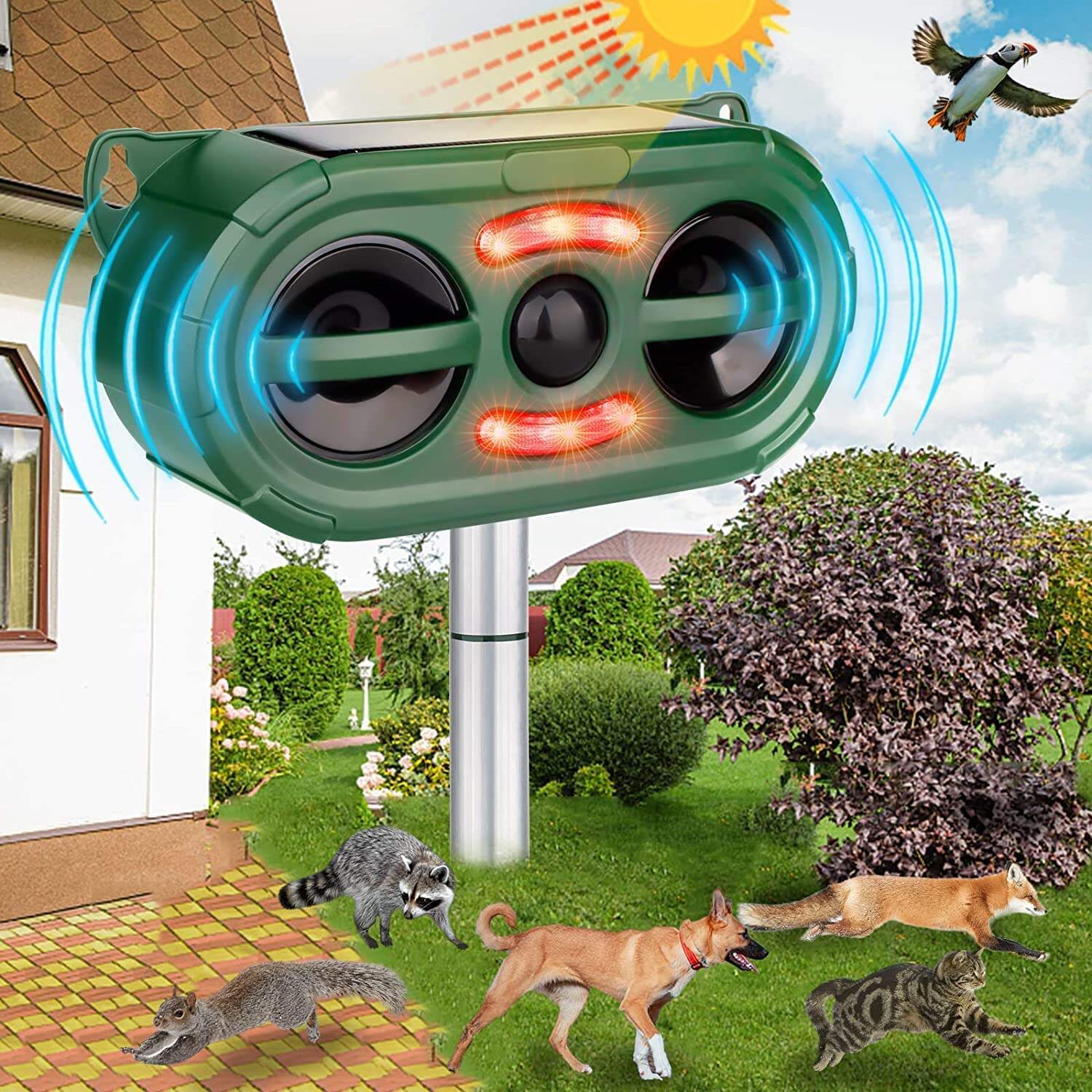
The rechargeable fly repellent fan represents a revolutionary approach to pest control, combining innovative technology with practical design to deliver effective protection against flying insects. This cutting-edge device operates as both a traditional cooling fan and an advanced insect deterrent system, making it an essential tool for outdoor enthusiasts, homeowners, and anyone seeking comfortable environments free from bothersome flies and other flying pests. The rechargeable fly repellent fan utilizes multiple technological approaches to create an effective barrier against insects while providing refreshing airflow. At its core, the device features a high-efficiency motor that generates powerful air circulation, creating wind patterns that naturally discourage flies from approaching the protected area. The strategic blade design ensures optimal air movement while maintaining quiet operation, allowing users to enjoy peaceful environments without the constant buzz of flying insects. Advanced models incorporate ultrasonic technology that emits frequencies specifically designed to repel various flying insects without affecting humans or pets. The rechargeable battery system represents a significant technological advancement, featuring lithium-ion cells that provide extended operation times ranging from 6 to 12 hours on a single charge. Modern charging capabilities include USB-C ports for rapid power restoration, making the device compatible with various charging sources including power banks, laptops, and wall adapters. LED indicators display battery status and operational modes, ensuring users maintain awareness of device performance. The compact and portable design makes the rechargeable fly repellent fan suitable for diverse applications including outdoor dining, camping expeditions, patio gatherings, gardening activities, and indoor use in kitchens or dining areas. Weather-resistant construction allows for reliable outdoor performance, while adjustable speed settings accommodate different environmental conditions and user preferences. The device typically features multiple operational modes, including standard fan mode, repellent mode, and combination settings that simultaneously provide cooling and pest protection.

New Products

The rechargeable fly repellent fan offers numerous practical benefits that make it superior to traditional pest control methods and standard cooling devices. Environmental safety stands as a primary advantage, as this device eliminates the need for harmful chemical sprays, toxic repellents, or dangerous pesticides that can affect human health and contaminate food areas. Families with children and pets particularly benefit from this chemical-free approach to fly control, creating safer living spaces without compromising effectiveness. The portable design ensures users can enjoy fly-free environments anywhere, from backyard barbecues to remote camping locations. Unlike stationary pest control solutions, the rechargeable fly repellent fan moves with users, providing consistent protection during various activities and locations. The lightweight construction typically ranges from 1 to 3 pounds, making transportation effortless while maintaining durability for outdoor use. Cost-effectiveness represents another significant advantage, as the device eliminates ongoing expenses associated with disposable repellent products, replacement cartridges, or frequent chemical purchases. The rechargeable battery system reduces dependency on electrical outlets, providing freedom from power constraints while minimizing energy costs. Over time, users save substantial amounts compared to purchasing aerosol sprays, citronella candles, or other consumable pest control products. Operational convenience enhances user experience through simple controls and maintenance-free operation. Most models feature intuitive button interfaces that allow easy switching between fan speeds and repellent modes. The quiet motor operation ensures the device does not disturb conversations, sleep, or peaceful outdoor activities, unlike noisy traditional fans or buzzing insect zappers. Cleaning requirements remain minimal, typically involving occasional blade wiping and basic housing maintenance. The dual functionality provides exceptional value by combining cooling comfort with pest protection in a single device. During hot weather, users simultaneously enjoy refreshing airflow and insect-free environments, maximizing comfort levels. The adjustable fan speeds accommodate personal preferences and environmental conditions, from gentle breezes during mild weather to powerful circulation during intense heat. Versatile applications extend beyond fly control to include mosquito deterrence, gnat prevention, and general flying insect management, making the rechargeable fly repellent fan a comprehensive pest control solution for diverse situations and environments.

Latest News

The Importance of Positive Reinforcement with Anti Bark Devices

13

Jun

The Importance of Positive Reinforcement with Anti Bark Devices

Understanding Positive Reinforcement in Anti-Bark Training

The Science Behind Positive Reinforcement

Positive reinforcement is a core concept in behavioral training, where the use of rewards are employed to shape the behavior of an animal. It is a well-known fact that dogs respond to positive reinforcement training vs correction based methods; studies prove dogs do better with positive intervention. When dogs are given a reward, such as a treat or word of praise, their brains release dopamine, a neurotransmitter associated with pleasure and motivation, which promotes learning and retention, according to research published in the top veterinary journals. This neurochemical surge cements the action in the dog’s mind and builds trust and confidence between dog and handler. Also, the approach is based on the work on B.F. Skinner's operant conditioning, which suggests that a behaviour may be more likely to occur if it is rewarded instead of being punished, thereby reducing anxiety and aggression.

How Anti-Bark Devices Complement Behavioral Training

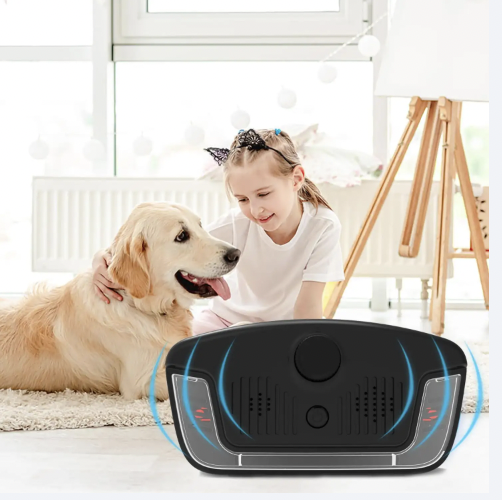
Ultrasonic tune-up is also found to be effective in increasing the efficiency of anti-bark collars. Such technology can be effective since it offers immediate feedback, so dogs can make the appropriate direct associations between barking and the repercussions. When the feedback is combined with reward, dogs learn to associate quiet with desirable consequences, and this makes training even more effective. Studies on pet behavior show that anti-bark devices combined with positive reinforcement training can reduce the likelihood of excessive barking as they achieve the disconnection between the owner and the hearing of the bark. Balances training technique developed between science and natureIt's a very effective, yet completely all natural method of dog training; also, a method of the dog training based on a strong relationship and clear communicationYou can regain confidence in your ability to handle your dog and enjoy him again.

Why Punishment-Based Methods Fail with Barking

The Downside of Shock Collars and Citronella Sprays

Punishment methods (shock/vibration) can worsen a dog’s behavior. That’s the problem with all these tools; they are more likely to ratchet a dog’s anxiety and/or aggression upwards than down, and defeat the purpose of behavior modification in the first place. Research shows long-term behavioural issues for dogs that have been shocked, with experts now issuing warnings against their use. Dogs who have experienced such punishment are often fearful and may lose trust in their owners. Rather than reduce barking, these approaches may have the opposite effect and ultimately degrade the dog's mental health.

Long-Term Risks of Aversive Training Techniques

Inhibitive training methods can develop a cycle of fear and anxiety which leads to barking as an escape mechanism. What experts say: Positive reinforcement is more effective overall than these tactics, experts say. Meta-analyses have shown that dogs trained with positive reinforcement methods are better behaved across a variety of situations. The findings highlight the importance of using positive training techniques to influence more consistent behavioural gains, for a healthier relationship between dogs and their pet parents. Conversely, aversive techniques can lead to persistent stress and behavior problems.

Adopting a positive reinforcement strategy while integrating anti-bark devices can complement training, ensuring both behavioral correction and emotional well-being.

Integrating Anti-Bark Devices with Positive Reinforcement

Timing Rewards After Ultrasonic Corrections

The timing of rewards following ultrasonic corrections is crucial to the process of reinforcing good behavior in the dogs. Research shows that the ideal interval between Ceasing barking and delivering a treat is approximately 1-2 seconds, and enabling the dog to learn in this manner will allow the trainer to achieve the maximum effect of the dog understanding that when the dog stops barking, it will be rewarded. This is a great way for the dog to understand exactly what is being rewarded not something else.

Balancing Device Use with Verbal Praise

Adding a dose of verbal praise to your experience with anti barking devices is a great way to reinforce positive behavior! Trainers who know say that verballing up their praise with a device can make a big difference to a dog’s motivation. This 2-sided method not only paves the way for good behaviour but is more FUN! By letting dogs know they are doing it right-when dogs are doing what we want; they are more likely to try harder- rather than feeling discouraged, motivates more consistent balance and support in dog training.

Building Trust Through Consistent Reinforcement

Consistency of giving the rewards is so important to building trust between the pet and pet parent in a safe and effective training environment. Setting a reinforcement schedule for a Dog to a specific routine helps them to anticipate the expected acts and rewards. The trust that is built this way in the long term strengthens the bond between the dog and the person, therefore making the dog more likely to respond to the commands and comply to training with ease. And with that reliability, comes a training method that is not only EFFICIENT but extremely BONDING for both the dog and the trainer.

Common Mistakes to Avoid When Using Anti-Bark Tools

Overusing the Device: Signs of Confusion or Fear

Using these products too much can confuse your dog, and their response may not be sufficient for stopping the behaviour. You’ll see signs of confusion or fear in your pets; they may do something like cower too much or be overly submissive. Owners need to think and watch critically for signs of what their pets are thinking or feeling. Furthermore, blissful ignorance and lowered barking do not equal emotional health and smoothened out behavior when E-collars are mistaken for a training tool. For successful use this needs balancing with other training methods so the dog learns what we expect if them rather than just to stop barking.

Ignoring Underlying Causes of Excessive Barking

Effective training requires identifying the triggers that spark true barking, such as separation anxiety. If these root causes aren’t managed, anti-bark devices may not work, and the undesired behavior continues. Behavioral evaluations performed by professionals can reveal hidden triggers, including fear, or environmental stressors that must be addressed in addition to using gadgets. This 360 degree method will allow owners to customize their techniques to their pets, leading to lasting results. Then, by looking at the underlying causes of barking rather than the symptoms, owners create a more appropriate training approach and a well balanced dog.
截屏2025-05-20 17.40.22.png

Case Studies: Success Stories with Combined Approaches

Reducing Separation Anxiety-Driven Barking

Positive Training And Anti-Bark Device And Unruly Barking Dogs The pairing of an anti-bark device and positive training can make short work of the barking reign of terror. Some of the case studies showed an impressive progress: the frequency of barking could decrease when dogs mastered a new emotional regulation (accessed in a reward system). For example, with dogs that have been trained with treats or praise after being calm, they sometimes will experience less anxiety and be quieter when we go out. Such mixed or integrated approach can produce behavior change, they point out, focusing on these types of accounts as exemplars in promoting integrated approaches that are both more humane and effective.

Training Calm Greetings in High-Energy Breeds

High energy dogs bring a whole different set of challenges when it comes to over excitement barking. However, the success stories are there that major results can be seen from the few seconds of training combined with other methods. Positive reinforcement in the form of treats, or for some dogs, a toy is an important tool during sessions to help redirect your dogs energy to develop calmer greetings. Most owners note a significant reduction in excitable barking, with trainers saying these types of approaches help a dog be calmer and remain steady hmmstered better than anything else. Information gathered from different Instructors also says that the structured approach has indeed been assisting in creating stable behavior in active breeds and even enhances the relationship between pets and their surroundings.

FAQs About Positive Reinforcement and Anti-Bark Devices

Can Devices Replace Traditional Training?

Tools should never be seen as a replacement for historical methods, but as a support to training. Experts say fundamental training, like positive reinforcement, is still necessary for anti-bark gadgets to be most effective. The traditional methods give a guideline for the behavior excepted and a stronger bond between the owner and the pet. "If we merge that into modern devices, we might be able to paint a more holistic picture of training a dog, where you can give immediate feedback to the animal and hopefully reinforce those behaviour patterns in the long term.

How to Handle Relapses in Barking Behavior

Backslides in barking may happen, and you will have to work to maintain the control. Owners should be reintroducing the use of positive reinforcement, and going back to the basic training that originally set such a good example of behavior. It may also be wise to seek advice from a health care professional if relapses continue. An analysis of real life studies of successful relapse prevention can give us a clue about successful means of reinforcement of such a behavior’s decay in the behavior of our animals.
View More
Policy Mandates Will Propel Eco-Friendly Products to Market Dominance - Animal Repeller

10

Jul

Policy Mandates Will Propel Eco-Friendly Products to Market Dominance - Animal Repeller

Policy Mandates Driving Eco-Friendly Market Transformation

Global Regulatory Frameworks Accelerating Change

Global agreements like the Paris Agreement play a significant role in driving the transition towards eco-friendly products by setting ambitious targets for reducing carbon emissions and encouraging sustainable practices across industries. The European Union's Green Deal serves as an exemplary regional regulation that promotes sustainable practices by setting clear objectives for achieving climate neutrality. Compliance with these frameworks is vital for companies seeking to gain competitive advantages in the eco-friendly market. By aligning their operations with these policy mandates, businesses not only contribute to the global sustainability goals but also benefit from associated market opportunities. A study indicates that companies adhering to sustainability frameworks tend to show increased profitability and market share due to heightened consumer demand for eco-friendly products such as animal repellers.

Tax Incentives and Sustainability Certifications

Various tax incentive programs have been introduced globally to encourage businesses to adopt eco-friendly practices. These programs often provide financial relief, making it economically attractive for businesses to transition towards sustainable methods. Additionally, sustainability certifications such as LEED and ENERGY STAR continue to play a critical role in enhancing a company’s credibility and building consumer trust. These certifications serve as assurance to consumers that the products they purchase meet high standards of environmental sustainability. The rise in companies seeking these certifications is evident, with recent statistics showing a significant increase due to favorable tax legislation. More businesses are motivated to pursue sustainability certifications thanks to financial benefits that reduce operational costs while bolstering their ethical standing.

Case Study: Animal Repeller Industry Compliance

The animal repeller industry provides an interesting case study of compliance with sustainability mandates. Companies within this industry have demonstrated significant progress in market expansion and improved brand reputation after aligning their products with eco-friendly regulations. An example is a well-regarded animal repeller manufacturer that optimized its production processes to meet sustainability standards, resulting in increased sales and customer loyalty. Market data shows a notable rise in sales figures post-compliance, reflecting the growing consumer preference for environmentally responsible products. This transformation underscores the potential benefits of adhering to sustainability principles, especially in niche markets where eco-friendly compliance can serve as a major differentiator in attracting a conscious consumer base.

Consumer Demand Fueling Eco-Conscious Purchases

Shift Toward Ethical Consumption Patterns

The increasing shift towards ethical consumption among consumers reveals a distinct preference for brands committed to sustainability. Recent surveys indicate a significant rise in this trend, driven by factors such as age and income. For instance, more than 60% of respondents in a McKinsey survey expressed willingness to pay more for sustainably-packaged products, reflecting this ethical consumption pattern. Brands like Pepcom India are capitalizing on these trends by introducing product lines that resonate with environmentally-conscious consumers, significantly enhancing their market presence.

Willingness-to-Pay Premium for Sustainable Goods

Studies reveal that a vast majority of consumers are willing to pay a premium for sustainable goods. This tendency is particularly evident in industries like fashion, where sustainable practices have become a cornerstone of pricing strategies. For example, a McKinsey study found that consumers across generations are inclined to pay more for eco-friendly options. This shift not only influences pricing strategies but also encourages businesses to prioritize sustainability in their product offerings, ultimately impacting the eco-friendly market.

Impact of Eco-Labels on Buying Decisions

Eco-labels have emerged as influential factors in shaping consumer buying decisions. Research underscores their importance, demonstrating that products with eco-labels experience significant sales increases. Case studies, such as those within the animal repeller industry, highlight how these labels drive consumer choices. Experts forecast a growing role for eco-labels in the marketplace, as they continue to offer credibility and assurance to eco-conscious buyers, entrenching sustainability as a pivotal consideration in purchasing decisions.

Technological Advancements in Animal Repellents

Solar-Powered Repeller Systems

Solar-powered animal repeller systems have become increasingly popular due to their efficiency and cost savings. These systems harness solar energy to operate, making them a sustainable choice for long-term pest control. Companies like PestAway are leveraging this technology and experiencing significant market success by providing environmentally friendly solutions. This eco-friendly approach aligns with a growing consumer interest in renewable energy solutions, as evidenced by statistical trends indicating the rise of solar-powered pest control devices.

Ultrasonic Frequency Innovations

Advancements in ultrasonic technology have revolutionized the pest control industry, particularly in the animal repeller category. These systems utilize high-frequency sound waves to deter animals, ensuring a non-invasive method of pest control. Successful implementations have been seen with products like SonicGuard, which effectively repel pests without harming them. Consumer feedback highlights the effectiveness of these systems, noting a substantial decrease in animal intrusions.

Biodegradable Material Integration

The integration of biodegradable materials into animal repellers marks a significant shift towards eco-friendly product development. These materials enhance the environmental sustainability of repellents by reducing landfill waste. The impact on brand perception among eco-conscious consumers is remarkably positive, with these products being seen as innovative and responsible. Evidence supports the advantages of biodegradable materials, including reduced ecological footprints and improved consumer trust.

Policy Mandates Driving Eco-Friendly Market Transformation

Challenges in Sustainable Pest Control Adoption

Cost Barriers for Green Technologies

The transition to sustainable pest control technologies is often hindered by financial constraints. Businesses face significant challenges due to the higher upfront costs of eco-friendly methods compared to traditional pest control solutions. For instance, investing in green technologies often requires substantial capital, which can pose a problem for small businesses operating on tight budgets. Comparative analyses have shown that while eco-friendly solutions may have higher initial costs, they can lead to long-term savings and provide a better return on investment. However, overcoming these cost barriers involves rethinking financial strategies. Experts suggest exploring financing options, seeking government incentives, and focusing on long-term cost benefits to dismantle these financial hurdles and promote the adoption of sustainable pest control solutions.

Consumer Education Gaps

There remains a significant gap in consumer knowledge regarding the advantages of using eco-friendly pest control products. Many consumers are unaware of how these products benefit the environment and their personal health, leading to a slower market adoption rate. Strategies to improve consumer education include engaging educational campaigns, leveraging social media to spread awareness, and collaborating with thought leaders to endorse sustainable solutions. A correlation exists between consumer education and purchasing behavior; statistics indicate that informed consumers are more likely to choose eco-friendly options. By implementing effective awareness strategies, we can bridge the knowledge gap and encourage more sustainable purchasing decisions.

Durability Concerns in Eco-Repellers

Consumers often express concerns about the durability and effectiveness of eco-friendly animal repellents. Many apprehend that these products may not last long or perform as efficiently as their traditional counterparts. However, case studies within the eco-repeller market have demonstrated durability successes, with some brands producing products that withstand lifecycle challenges. According to experts, enhancing the durability of eco-friendly products involves rigorous testing and innovation in materials engineering. By addressing these concerns through transparent communication and product demonstrations, manufacturers can boost consumer confidence and drive greater market acceptance of eco-repellers.

Future Projections for Green Market Leadership

2030 Market Dominance Forecasts

Projecting towards 2030, the eco-friendly market is anticipated to experience substantial growth driven by evolving consumer preferences and supportive regulatory frameworks. Industry forecasting reports suggest that the green market will see significant expansion in response to heightened demand for sustainable products and practices. A comparative analysis with past growth trends reveals an accelerating trajectory, underscoring the optimistic outlook for this sector. Key influencers contributing to this upward trend include increased government policies championing environmental consciousness and a noticeable shift in consumer attitudes towards sustainable options. These propelling factors highlight the robust nature of the eco-friendly sector as it moves towards market dominance by 2030.

Policy-Driven R&D Investment Trends

Recent trends indicate a marked increase in research and development (R&D) funding directed towards environmentally friendly technologies. Various companies are adapting their R&D strategies in response to government policy shifts, accelerating investments in eco-initiatives. Notable case studies from industry leaders illustrate how policy-driven funding allocations have effectively boosted innovation in green technologies. For instance, the sustainable construction materials sector has seen companies invest heavily in R&D following governmental incentives, which are encouraging breakthroughs in eco-friendly product development. Supporting facts from government reports highlight the significant role of policy changes in shaping these investment trends, enhancing the eco-friendly technology market.

Circular Economy Integration Strategies

The integration of circular economy strategies is becoming increasingly significant in the eco-friendly market, offering sustainable solutions and long-term benefits. Understanding circular economy concepts involves recognizing practices that promote reuse, recycling, and waste minimization. Several organizations have successfully implemented these strategies, demonstrating their efficacy in fostering sustainability. Evidence suggests that circular economy approaches not only enhance resource efficiency but also contribute to the financial sustainability of businesses by reducing costs associated with virgin materials. As the eco-friendly market evolves, incorporating circular economy strategies is proving vital for achieving sustainability goals and market leadership.

FAQ

What role do global regulatory frameworks play in the eco-friendly market?

Global regulatory frameworks, such as the Paris Agreement, set targets for reducing carbon emissions and encouraging sustainable practices, thereby fostering a competitive eco-friendly market.

How do tax incentives and certifications affect businesses?

Tax incentives make it economically attractive for businesses to adopt sustainable practices, while certifications like LEED and ENERGY STAR enhance credibility and consumer trust.

What's the significance of eco-labels in consumer buying decisions?

Eco-labels significantly influence consumer buying decisions by providing credibility and assurance, leading to increased sales for labeled products.

Why are solar-powered repeller systems popular in pest control?

Solar-powered animal repeller systems are popular due to their efficiency, cost savings, and alignment with consumer interests in renewable energy solutions.

What are the challenges in adopting sustainable pest control technologies?

Cost barriers, consumer education gaps, and concerns about durability are significant challenges in the adoption of sustainable pest control technologies.

View More
What Are the Eco-Friendly Benefits of Using Animal Repellers in Farmland?

15

Aug

What Are the Eco-Friendly Benefits of Using Animal Repellers in Farmland?

What Are the Eco-Friendly Benefits of Using Animal Repellers in Farmland?

Farming has always been a delicate balance between cultivating crops and protecting them from pests, including wildlife. While animals play an important role in maintaining a healthy ecosystem, certain species can cause significant damage to crops, stored food, and farm infrastructure. Traditionally, farmers have relied on chemical deterrents, lethal traps, and fencing to reduce damage from animals. However, as the demand for sustainable agriculture grows, there is increasing interest in humane, non-toxic methods that preserve biodiversity while protecting farmland productivity.

One of the most promising solutions is the use of Animal Repellers. These devices deter wildlife from entering specific areas by using sensory-based deterrents such as sound, light, water sprays, or scent. Unlike traditional control methods that harm or kill animals, Animal Repellers encourage them to move away naturally, reducing conflict between farming and wildlife conservation.

This article explores the eco-friendly benefits of using Animal Repellers in farmland and how they support sustainable agriculture.

Understanding Animal Repellers for Farmland

Animal Repellers are devices designed to prevent animals from entering a protected area without causing them harm. They work by making the environment uncomfortable or unfamiliar to the animal, prompting it to leave voluntarily. Different models may use ultrasonic sound waves, flashing lights, motion-triggered water sprays, vibrations, or scent-based repellents.

On farmland, Animal Repellers can be used to keep deer, wild boar, birds, rabbits, and other pests away from crops. They can also protect stored produce, livestock feed areas, and farm buildings from animal intrusion.

Key Eco-Friendly Benefits of Animal Repellers

1. Humane Wildlife Management

One of the most significant eco-friendly benefits of Animal Repellers is their humane approach. Instead of injuring or killing animals, these devices simply encourage them to avoid specific areas. This approach respects wildlife and maintains their role in the ecosystem while reducing crop damage.

For example, deer may feed on fruit trees, but killing them disrupts the local food chain and can lead to overpopulation of other species. Animal Repellers create a safe deterrence method that avoids this ecological imbalance.

What Are the Eco-Friendly Benefits of Using Animal Repellers in Farmland?

2. Reduced Chemical Use in Agriculture

Chemical deterrents and pesticides not only harm target animals but also have side effects on soil, water, and non-target species. Over time, these chemicals can degrade soil health, pollute waterways, and reduce biodiversity.

Animal Repellers eliminate the need for chemical repellents in many cases. By using physical or sensory deterrents, farmers can protect crops without adding toxic substances to the environment. This aligns with organic farming principles and reduces the ecological footprint of agriculture.

3. Protection of Pollinators and Beneficial Species

One of the unintended consequences of chemical-based pest control is that it can harm beneficial insects and animals such as bees, butterflies, and birds. These species are essential for pollination, pest control, and soil health.

Animal Repellers target specific problem animals without harming other species. For example, an ultrasonic device set to deter deer will not impact bees or earthworms. This selective approach supports biodiversity and preserves the natural allies of farming.

4. Minimizing Habitat Destruction

When wild animals repeatedly damage farmland, some farmers resort to removing them permanently or altering the landscape to make it less appealing. These measures often involve clearing vegetation or installing large physical barriers, which can destroy habitats for multiple species.

Animal Repellers allow farmers to maintain open farmland while deterring problem animals. This means less need for invasive habitat changes, which helps preserve the surrounding natural environment.

5. Lower Carbon Footprint Compared to Traditional Methods

Chemical production, trap manufacturing, and frequent repair or replacement of physical barriers all contribute to the farm’s carbon footprint. Many Animal Repellers are powered by solar energy, have long service lives, and require minimal maintenance.

By switching to solar-powered or energy-efficient Animal Repellers, farmers can cut down on fuel consumption for patrols, reduce manufacturing emissions from disposable deterrents, and operate in a more climate-friendly way.

6. Non-Disruptive to Soil and Water Systems

Chemical repellents often leach into the soil or run off into nearby streams and rivers, altering pH levels and contaminating water sources. This can harm aquatic life and reduce the quality of water available for irrigation.

Animal Repellers work without introducing foreign substances to the environment. This preserves soil fertility, maintains water quality, and supports the long-term sustainability of the farmland.

7. Long-Term Cost Savings with Eco Benefits

While there is an initial investment in buying Animal Repellers, their durability and low operating costs often lead to long-term savings. Farmers save money by reducing crop losses, lowering chemical expenses, and avoiding fines or penalties associated with environmental violations.

From an eco perspective, the extended lifespan of these devices means fewer resources are consumed in manufacturing and disposal, further reducing environmental impact.

8. Versatility Across Different Farmland Needs

Animal Repellers can be adapted to target specific species without affecting others. For example:

  • Motion-activated sprinklers for deer and rabbits in vegetable gardens.

  • Ultrasonic devices for rodents around grain storage.

  • Bird repellers using light or sound to protect orchards.

This flexibility allows farmers to tailor solutions to their environmental needs without using broad-spectrum harmful controls.

9. Encouraging Coexistence Between Farming and Wildlife

The idea of “living alongside nature” is central to sustainable agriculture. Animal Repellers make it possible to protect crops while allowing wildlife to exist nearby. Instead of viewing animals as enemies, farmers can redirect them to less harmful feeding areas, fostering a balance between production and conservation.

10. Support for Certification in Sustainable Farming

Many eco-certification programs require farmers to minimize chemical use, protect biodiversity, and practice humane wildlife management. Using Animal Repellers helps meet these criteria, improving the farm’s eligibility for organic or sustainable certifications, which can also increase market value.

Choosing the Right Animal Repellers for Farmland

Not all Animal Repellers are suitable for all farming scenarios. Farmers should consider:

  • Target Species: Different animals respond to different deterrents.

  • Coverage Area: Large fields may require multiple devices for full protection.

  • Power Source: Solar-powered units are ideal for remote locations without easy access to electricity.

  • Durability: Weather-resistant models are necessary for year-round outdoor use.

  • Adjustability: Devices with adjustable sensitivity and deterrent settings offer greater flexibility.

Integrating Animal Repellers into Sustainable Farm Management

Animal Repellers are most effective when used alongside other eco-friendly practices:

  • Crop rotation to naturally deter pests.

  • Companion planting to repel certain animals through scent.

  • Maintaining natural predator populations such as owls or hawks.

  • Building hedgerows to provide wildlife corridors away from crops.

This integrated approach ensures that the farm remains productive while minimizing environmental harm.

Future Innovations in Eco-Friendly Animal Repellers

As demand for sustainable solutions grows, manufacturers are developing advanced features for Animal Repellers:

  • AI detection systems that identify specific animal species and adjust deterrent methods automatically.

  • Smart farm integration for real-time monitoring and control from mobile devices.

  • Hybrid deterrents combining sound, light, and scent for multi-species protection.

  • Energy storage systems to ensure continuous operation during low sunlight periods.

These advancements promise even greater precision, efficiency, and environmental compatibility.

Conclusion

Animal Repellers offer a powerful, eco-friendly alternative to traditional pest control methods in farmland. By using humane deterrence, reducing chemical dependency, preserving pollinators, protecting habitats, and lowering carbon emissions, these devices align perfectly with the principles of sustainable agriculture.

Their ability to target specific animals without harming non-target species makes them a smart choice for farmers who want to protect crops while respecting biodiversity. As technology improves, Animal Repellers will become even more efficient, adaptable, and environmentally beneficial, helping agriculture and wildlife coexist in harmony.

For farmers aiming to balance productivity with environmental stewardship, Animal Repellers are not just a tool — they are a long-term investment in a greener future for farming.

FAQ

Do Animal Repellers harm wildlife?

No, they deter animals through discomfort without causing physical harm.

Can Animal Repellers replace all chemical pest controls?

They can significantly reduce chemical use but work best when combined with other sustainable practices.

Are solar-powered Animal Repellers effective in cloudy weather?

Yes, most store energy in rechargeable batteries for continuous operation during low-sunlight days.

Will Animal Repellers affect livestock?

Most can be adjusted to target wild species without disturbing farm animals.

How long do Animal Repellers last?

High-quality models can last for years with proper maintenance, especially weather-resistant designs built for farmland conditions.

View More
What Are the Advantages of Mouse Repellers for Eco-Friendly Pest Control?

15

Aug

What Are the Advantages of Mouse Repellers for Eco-Friendly Pest Control?

What Are the Advantages of Mouse Repellers for Eco-Friendly Pest Control?

Rodent infestations are among the most common and frustrating problems faced by homeowners, farmers, and businesses alike. Mice are small but highly destructive, capable of damaging property, contaminating food, and spreading disease. Traditional control methods often involve toxic poisons, lethal traps, and chemical deterrents. While these may work, they can also harm non-target animals, endanger pets, and pollute the environment.

For those seeking a safer and more sustainable alternative, Animal Repellers — specifically mouse repellers — offer an eco-friendly solution. Using advanced technology to deter rodents without harming them, these devices are quickly becoming a preferred option for households and eco-conscious pest control professionals.

This article examines the key advantages of using mouse repellers as part of a sustainable pest management strategy, explaining how they work, why they are effective, and how they fit into broader environmental goals.

Understanding Animal Repellers for Rodent Control

Animal Repellers are devices that discourage pests from entering or remaining in a given area. Mouse repellers are a specific type of Animal Repeller designed to target rodents such as mice and rats. They typically work by emitting ultrasonic sound waves, electromagnetic pulses, vibrations, or even light patterns that are unpleasant or disorienting to rodents but harmless to humans and most pets.

Unlike traps or poisons, mouse repellers do not aim to kill the rodents. Instead, they make the environment uncomfortable for them, prompting the animals to leave voluntarily and seek shelter elsewhere.

How Mouse Repellers Work

Mouse repellers employ various deterrence methods, each with its own strengths:

  • Ultrasonic Technology: Emits high-frequency sound waves above the range of human hearing, causing discomfort and confusion in rodents.

  • Electromagnetic Pulses: Alters the electromagnetic field within walls, disrupting rodent communication and navigation.

  • Vibration-Based Repellers: Create subtle ground vibrations that simulate the presence of predators or disturbances.

  • Combined Systems: Use multiple deterrent types together for increased effectiveness.

These approaches are non-lethal and avoid direct confrontation, making them suitable for homes, offices, warehouses, barns, and even outdoor garden areas.

Advantages of Mouse Repellers for Eco-Friendly Pest Control

1. Humane and Non-Lethal

One of the primary benefits of mouse repellers is their humane approach. Rather than killing rodents, they drive them away through discomfort. This approach is better aligned with ethical wildlife management, as it avoids unnecessary suffering and preserves the natural balance of ecosystems.

2. No Harmful Chemicals

Traditional rodenticides can cause secondary poisoning, where predators such as owls, hawks, or domestic pets ingest poisoned rodents and become sick or die. By contrast, Animal Repellers for mice rely on physical or sensory deterrents without introducing toxins into the environment.

This is particularly important in agricultural or food-handling environments, where chemical contamination poses health and regulatory risks.

3. Safe for Children and Pets

Because mouse repellers do not use poison or snap traps, they are safe to use in households with young children or pets. Most ultrasonic and electromagnetic devices are designed so that the frequencies used are not audible or harmful to dogs, cats, and other domestic animals.

What Are the Advantages of Mouse Repellers for Eco-Friendly Pest Control?

4. Continuous Protection

Once installed, a mouse repeller operates around the clock, providing constant protection without the need to reset traps or replace bait. Many models are energy-efficient and require minimal maintenance, making them cost-effective over time.

5. Preventative Action

Unlike traps, which only address rodents already inside, mouse repellers work as a preventative measure by discouraging rodents from entering in the first place. This proactive approach helps avoid infestations before they can start.

6. Versatility of Use

Animal Repellers for rodents can be placed in multiple environments — from residential kitchens and attics to commercial storage facilities, barns, and outdoor sheds. Weather-resistant models are suitable for gardens and outdoor storage areas where rodents are common.

7. Reduced Need for Professional Intervention

While pest control companies offer valuable services, regular treatments can be costly. Installing mouse repellers can reduce reliance on frequent professional visits, especially for minor or seasonal rodent problems.

8. Eco-Friendly Pest Management

Using mouse repellers supports a broader eco-friendly pest control strategy. They align with Integrated Pest Management (IPM) principles, which emphasize prevention, monitoring, and control methods that minimize risks to people and the environment.

9. Minimal Cleanup Required

With traditional traps or poisons, dead rodents must be removed and disposed of, which can be unpleasant and unsanitary. Mouse repellers avoid this issue entirely by preventing rodent deaths in the first place.

Limitations and How to Overcome Them

While mouse repellers have many advantages, they are not a one-size-fits-all solution. Some rodents may initially tolerate the devices, particularly if food sources are abundant. Effectiveness can vary depending on placement, frequency settings, and the severity of the infestation.

To maximize success:

  • Use repellers as part of a comprehensive pest management plan.

  • Eliminate food and water sources that attract rodents.

  • Seal gaps and entry points in walls, doors, and foundations.

  • Adjust device placement to target known rodent pathways.

Key Features to Look for in a Mouse Repeller

When selecting an Animal Repeller for mice, consider the following features:

  • Adjustable Frequency: Allows customization to target different rodent species.

  • Coverage Area: Ensure the device can cover the entire room or building section.

  • Power Source: Options include plug-in, battery, or solar-powered units.

  • Portability: Lightweight designs make it easy to move the device to problem areas.

  • Weather Resistance: For outdoor use, choose models designed to withstand rain, sun, and temperature changes.

  • Multi-Mode Operation: Combining ultrasonic, vibration, and light deterrents often increases effectiveness.

Integrating Mouse Repellers into a Sustainable Pest Control Plan

Mouse repellers work best when combined with good hygiene practices and exclusion techniques. This includes:

  • Storing food in sealed containers.

  • Regularly cleaning areas where crumbs or waste may accumulate.

  • Keeping outdoor spaces tidy to reduce nesting sites.

  • Inspecting and maintaining buildings to prevent new entry points.

By integrating these methods, property owners can create a long-term, eco-friendly defense against rodents without resorting to harmful chemicals.

Environmental Benefits of Animal Repellers

Using Animal Repellers for rodent control contributes to environmental preservation in several ways:

  • Reducing chemical pollution in soil and water.

  • Preventing accidental poisoning of non-target species.

  • Supporting biodiversity by avoiding the mass killing of wildlife.

  • Lowering the carbon footprint compared to manufacturing, transporting, and disposing of chemical pest control products.

Future Innovations in Mouse Repeller Technology

As demand for safe and eco-friendly pest control grows, manufacturers are developing more advanced Animal Repellers. Potential future features include:

  • AI-Based Detection: Identifying rodent species and adapting frequency automatically.

  • Smart Connectivity: Mobile apps to monitor device performance and rodent activity.

  • Energy Storage Integration: Combining solar panels with rechargeable batteries for off-grid use.

  • Targeted Multi-Species Repelling: Configurations that adjust settings to deter not only mice but also other common pests without affecting beneficial wildlife.

Conclusion

Mouse repellers represent a significant step forward in eco-friendly pest control. As a category of Animal Repellers, they provide a humane, non-toxic, and continuous deterrent against rodents, reducing the risks associated with traditional poisons and traps. By preventing infestations before they begin, these devices save time, reduce costs, and help protect the environment.

For households, farms, and businesses that want to align with sustainable practices, mouse repellers are an excellent investment. When combined with sound hygiene, structural maintenance, and other Integrated Pest Management strategies, they offer a comprehensive and eco-conscious approach to keeping properties rodent-free.

As technology advances, Animal Repellers will continue to become more efficient, customizable, and user-friendly, further enhancing their role in protecting both property and the planet.

FAQ

Do mouse repellers work instantly?

Results vary, but many users notice reduced rodent activity within a few days to two weeks as the animals leave the treated area.

Will mouse repellers affect my pets?

Most are safe for cats, dogs, and larger animals, but always check the manufacturer’s guidelines before use.

Can I use mouse repellers outdoors?

Yes, but choose weatherproof models designed for outdoor use to ensure durability.

Do I need multiple devices for larger spaces?

For best results in large or multi-room buildings, place a repeller in each affected area.

Are mouse repellers energy-efficient?

Most modern units consume very little power, and solar-powered models offer an even greener option.

View More

Get a Free Quote

Our representative will contact you soon.
Email
Name
Company Name
What is the minimum order quantity you expect
Message
0/1000

rechargeable fly repellent fan

Advanced Battery Technology and Extended Runtime

Advanced Battery Technology and Extended Runtime

The rechargeable fly repellent fan incorporates state-of-the-art lithium-ion battery technology that delivers exceptional performance and reliability for extended outdoor use. These advanced power systems typically provide 8 to 12 hours of continuous operation on a single charge, ensuring users enjoy uninterrupted protection during long outdoor events, camping trips, or extended patio gatherings. The high-capacity batteries maintain consistent power output throughout the discharge cycle, preventing performance degradation as battery levels decrease. This technological advancement represents a significant improvement over earlier models that experienced reduced effectiveness as battery power diminished. The intelligent battery management system includes built-in protection against overcharging, overheating, and excessive discharge, extending overall battery lifespan and ensuring safe operation under various environmental conditions. Modern charging capabilities feature fast-charge technology that can restore 50 percent battery capacity in approximately 2 hours, with full charging typically completed within 4 to 6 hours. The universal USB-C charging ports provide compatibility with numerous power sources including portable power banks, solar chargers, laptop computers, and standard wall adapters, offering maximum flexibility for power restoration in any location. LED battery indicators provide clear visual feedback regarding charge levels and operational status, allowing users to monitor power consumption and plan charging schedules effectively. Some advanced models include power-saving modes that automatically adjust fan speed and repellent intensity based on battery levels, maximizing operational time while maintaining effective pest control. The removable battery design in premium models allows users to carry spare batteries for extended outdoor adventures, ensuring continuous operation during multi-day camping trips or remote locations without access to charging facilities. Environmental considerations include battery recycling programs and eco-friendly materials, demonstrating manufacturer commitment to sustainable practices. The robust battery housing protects internal components from moisture, dust, and impact damage, ensuring reliable performance in challenging outdoor conditions while maintaining long-term durability and consistent power delivery for years of dependable service.
Multi-Spectrum Pest Deterrent Technology

Multi-Spectrum Pest Deterrent Technology

The rechargeable fly repellent fan employs sophisticated multi-spectrum deterrent technology that effectively targets various flying insects through multiple mechanisms simultaneously. This comprehensive approach combines physical air displacement with ultrasonic frequencies and natural deterrent principles to create an invisible barrier that flies and other pests actively avoid. The precision-engineered fan blades generate specific airflow patterns that disrupt insect flight capabilities, making it difficult for flies to maintain stable hovering or landing attempts near protected areas. The blade design incorporates aerodynamic principles that maximize air movement efficiency while minimizing noise production, creating powerful deterrent effects without disturbing human activities. Ultrasonic emission systems operate at frequencies between 20kHz and 40kHz, specifically calibrated to affect insect nervous systems without impacting human hearing or causing discomfort to users and their pets. These sound waves create an uncomfortable environment for flies, mosquitoes, gnats, and other flying pests, encouraging them to seek alternative locations away from the protected zone. The multi-frequency approach prevents insects from adapting to single-tone deterrents, maintaining consistent effectiveness over extended periods. Advanced models feature adjustable ultrasonic intensity settings, allowing users to customize deterrent strength based on pest density and environmental conditions. The combination of physical and sonic deterrents creates overlapping protection zones that effectively cover areas up to 10 feet in diameter, depending on environmental factors and device settings. Research-backed frequency selection targets specific insect species common in residential and recreational environments, ensuring broad-spectrum effectiveness against the most problematic flying pests. The technology operates continuously without requiring consumable materials, maintenance intervals, or periodic replacements, providing long-term value and consistent performance. Environmental safety remains paramount, as the ultrasonic emissions pose no risk to humans, pets, or beneficial insects like bees and butterflies when properly calibrated. The discrete operation ensures pest deterrence occurs without visible or audible indicators that might detract from aesthetic appeal or peaceful environments, making the rechargeable fly repellent fan ideal for elegant outdoor dining, professional events, and sensitive social gatherings where traditional pest control methods would be inappropriate or disruptive.
Portable Design and Weather-Resistant Construction

Portable Design and Weather-Resistant Construction

The rechargeable fly repellent fan features innovative portable design elements and robust weather-resistant construction that enable reliable operation across diverse environmental conditions and usage scenarios. The compact form factor typically measures between 8 to 12 inches in diameter with heights ranging from 6 to 10 inches, making the device easily transportable in camping gear, picnic baskets, or travel luggage without occupying excessive space or adding significant weight burdens. Ergonomic carrying handles or integrated grip areas facilitate comfortable transportation between locations, while the balanced weight distribution prevents tipping during operation on uneven surfaces commonly encountered during outdoor activities. The weather-resistant housing incorporates advanced materials including UV-stabilized plastics, corrosion-resistant metals, and sealed electronic compartments that protect sensitive components from moisture, dust, and temperature fluctuations. IPX4 or higher water resistance ratings ensure the device continues functioning during light rain, morning dew, or accidental water exposure, expanding usage opportunities to include poolside applications, beach outings, and humid coastal environments. The protective coating resists fading, cracking, and degradation from prolonged sun exposure, maintaining both functional performance and aesthetic appeal throughout years of outdoor use. Shock-resistant construction includes reinforced housing joints, impact-absorbing materials, and secure component mounting that prevents damage from accidental drops or rough handling during transport and setup. The stable base design incorporates anti-slip materials and weight distribution that prevents toppling from wind gusts or surface vibrations, ensuring consistent operation even in challenging outdoor conditions. Adjustable positioning features include tilt mechanisms and height adjustments that allow users to optimize airflow direction and coverage areas based on seating arrangements, table configurations, or specific protection requirements. The modular design facilitates easy cleaning and maintenance through removable components and accessible surfaces that can be quickly wiped clean or rinsed when necessary. Temperature tolerance ranges typically extend from 32°F to 104°F, enabling year-round operation in most climate zones while maintaining consistent performance levels. The versatile mounting options include tabletop stability, ground placement capability, and compatibility with standard tripod mounts or clamp systems for elevated positioning, providing maximum flexibility for various installation scenarios and user preferences while ensuring optimal pest control effectiveness and user comfort in any environment.

Get a Free Quote

Our representative will contact you soon.
Email
Name
Company Name
What is the minimum order quantity you expect
Message
0/1000