Solar Rechargeable Bug Zapper - Eco-Friendly Outdoor Pest Control Solution

All Categories

Get a Free Quote

Our representative will contact you soon.
Email
Name
Company Name
What is the minimum order quantity you expect
Message
0/1000

solar rechargeable bug zapper

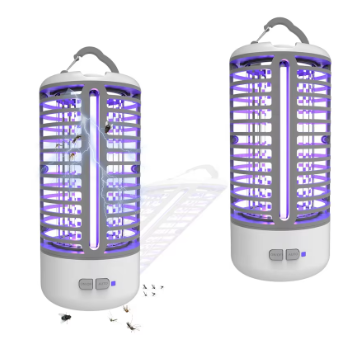
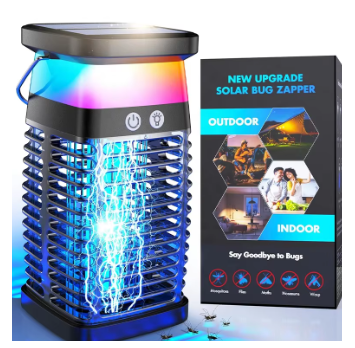
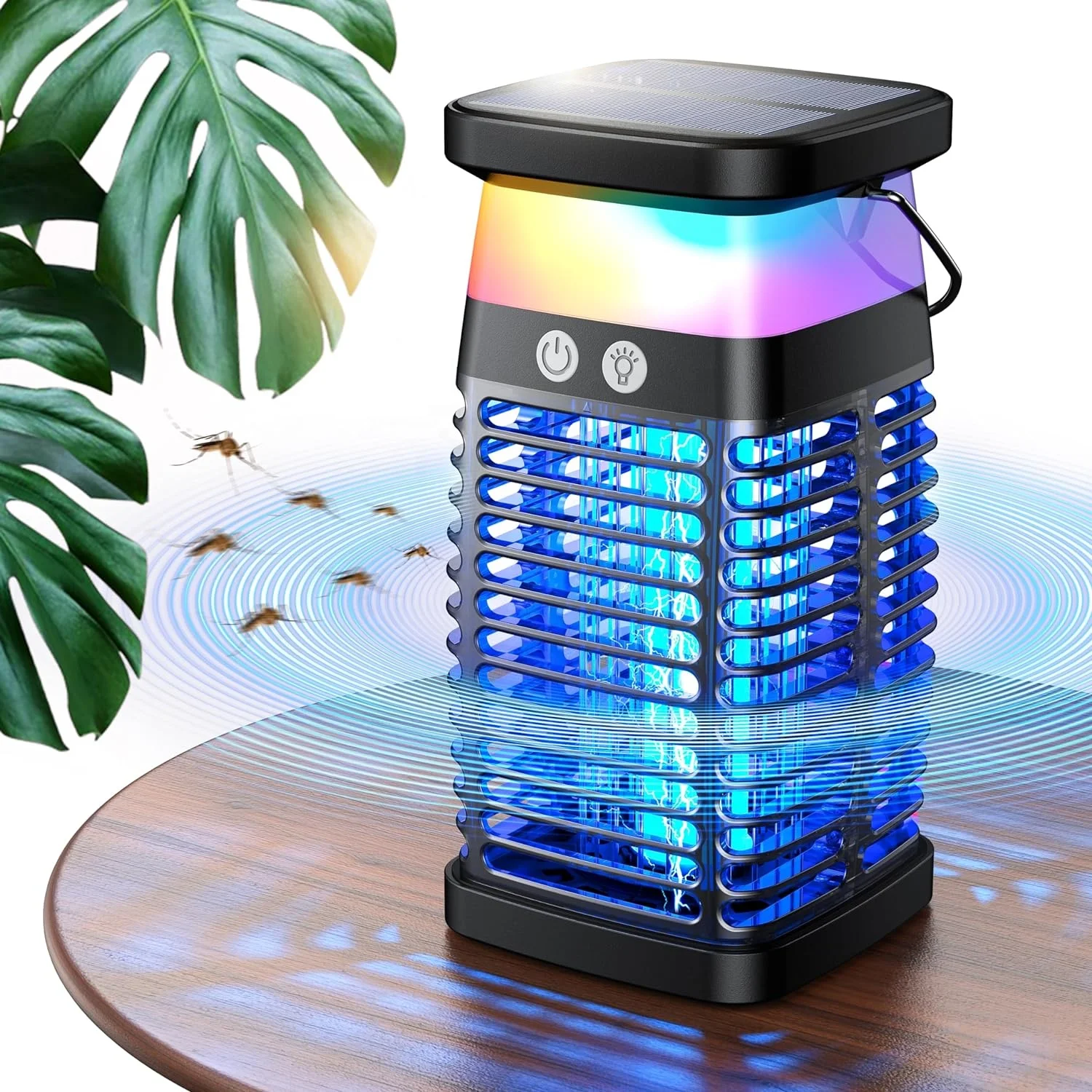
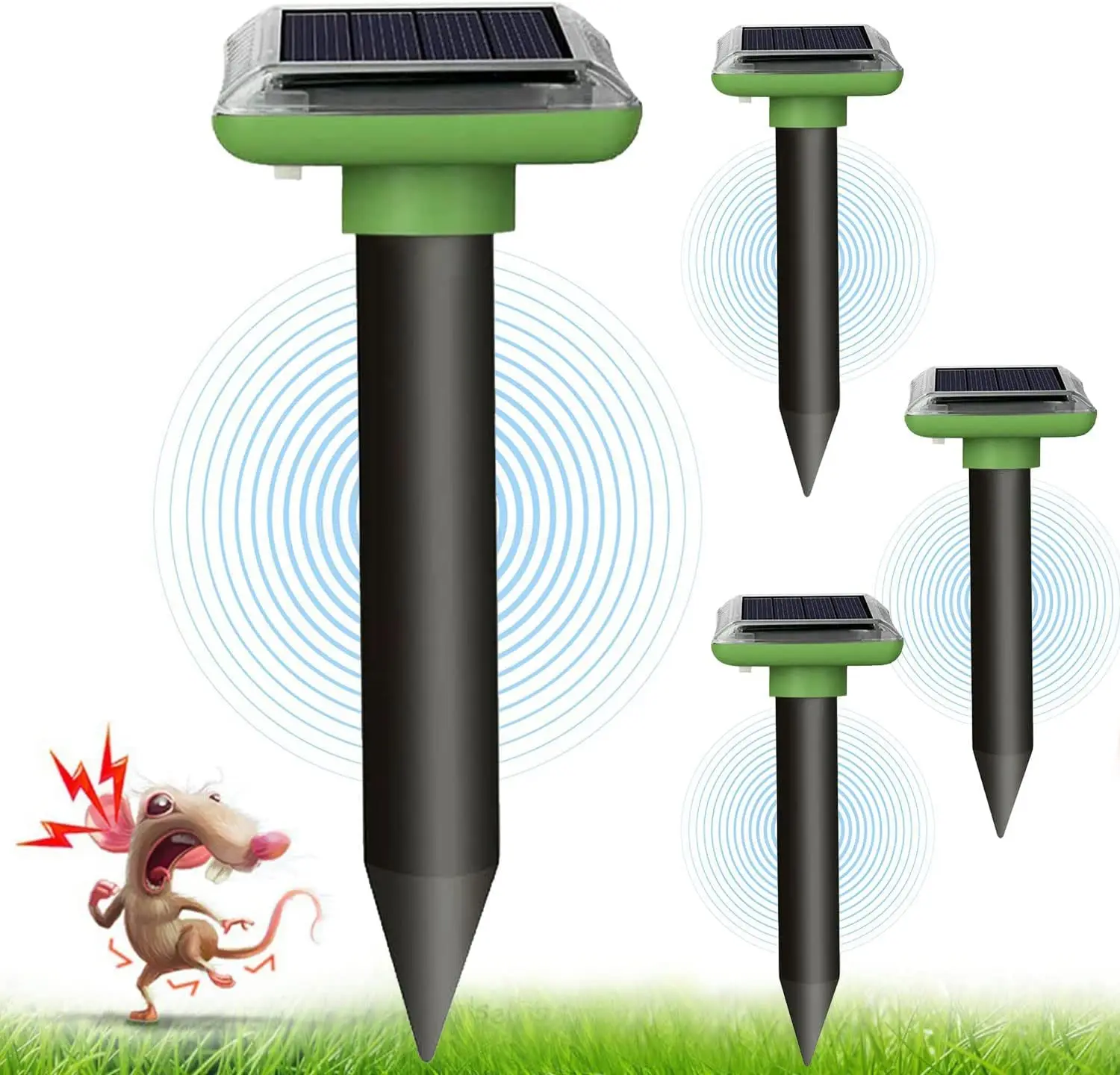
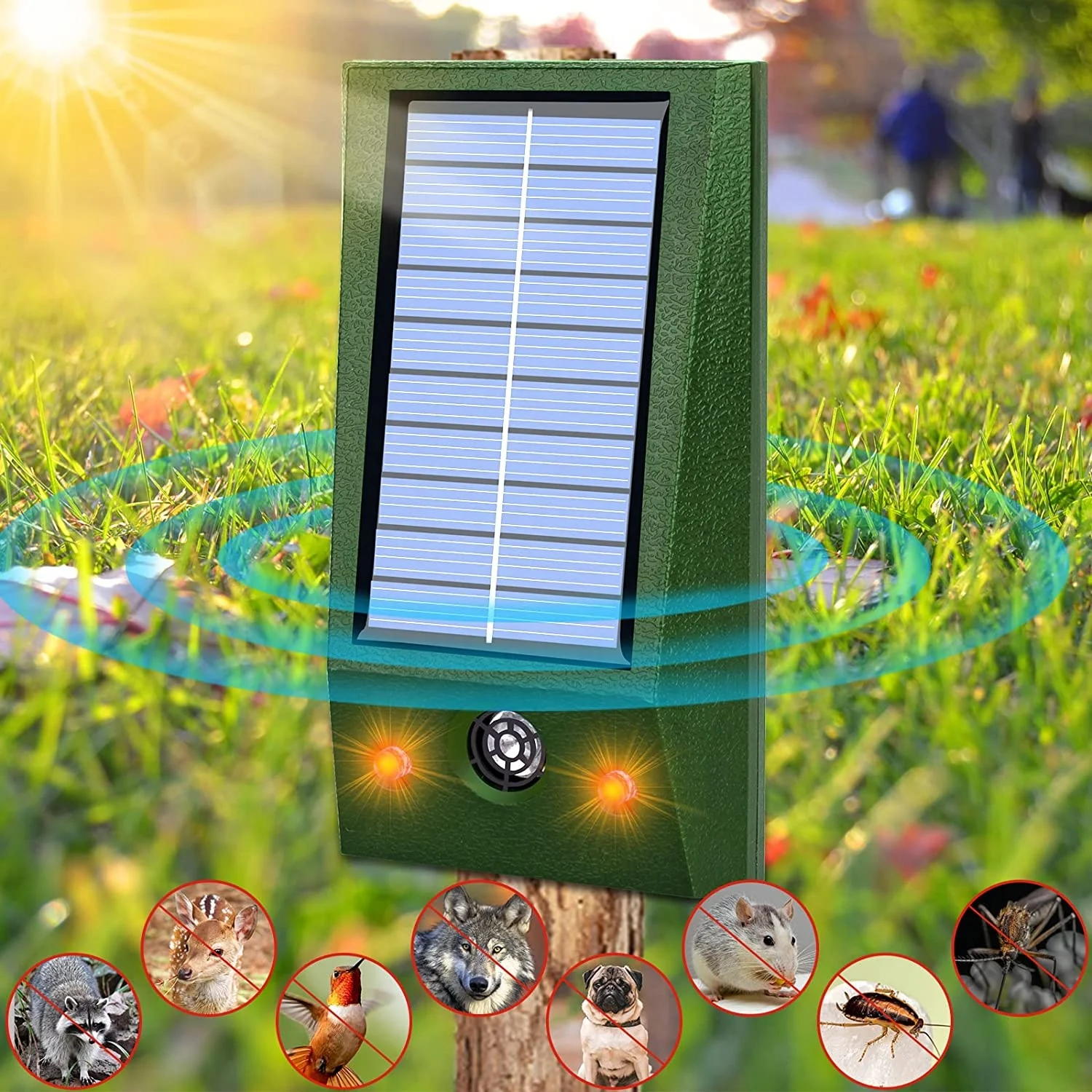
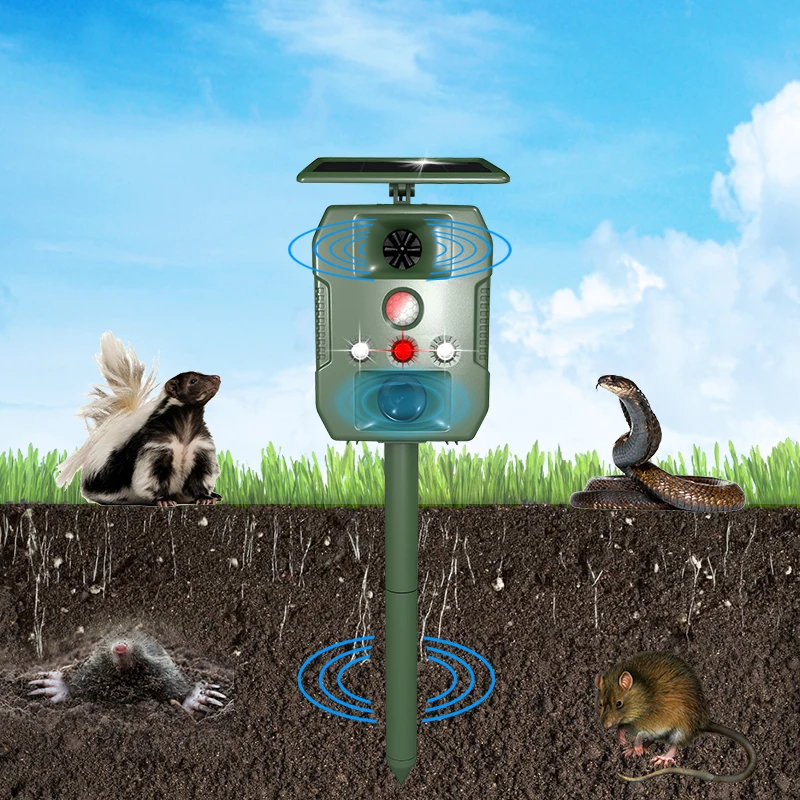
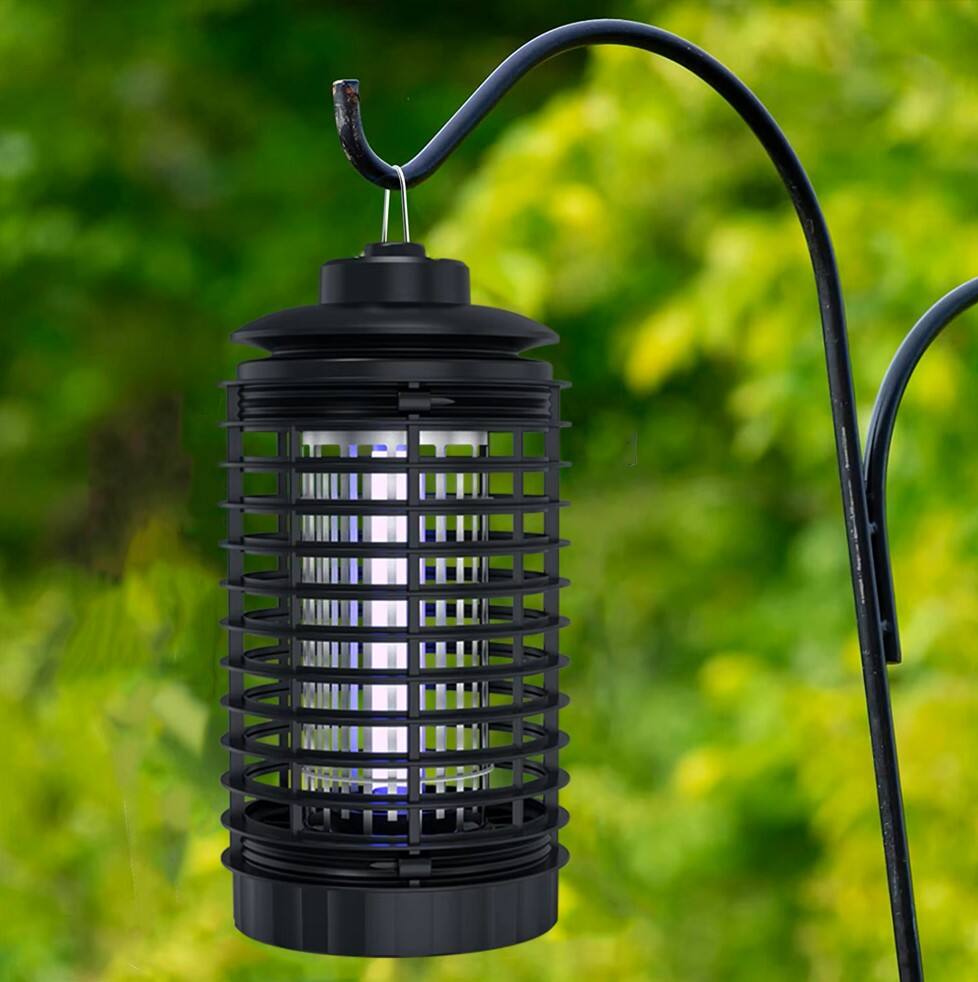
The solar rechargeable bug zapper represents a revolutionary approach to pest control that combines environmental sustainability with cutting-edge technology. This innovative device harnesses solar energy to power an effective insect elimination system, making it an ideal solution for outdoor spaces where traditional electrical connections are impractical or unavailable. The primary function of a solar rechargeable bug zapper centers around attracting and eliminating flying insects using ultraviolet light technology combined with an electrical grid system. During daylight hours, the integrated solar panel captures sunlight and converts it into electrical energy, which is stored in a built-in rechargeable battery system. This stored energy powers the device throughout the night when insect activity typically peaks. The technological features of modern solar rechargeable bug zappers include high-efficiency photovoltaic cells that maximize energy conversion even in low-light conditions. Advanced LED ultraviolet bulbs emit specific wavelengths that prove irresistible to mosquitoes, flies, moths, and other flying pests. The electrical grid system delivers a controlled voltage that instantly eliminates insects upon contact while remaining safe for humans and pets. Many models incorporate intelligent sensors that automatically activate the device at dusk and deactivate it at dawn, optimizing energy consumption and extending battery life. Weather-resistant construction ensures reliable operation in various outdoor conditions, while removable collection trays facilitate easy maintenance and cleaning. Applications for solar rechargeable bug zappers span numerous outdoor environments including residential patios, camping sites, gardens, pool areas, decks, and commercial outdoor dining spaces. These devices prove particularly valuable in remote locations where electrical infrastructure is limited or nonexistent. The versatility of solar rechargeable bug zappers makes them suitable for both permanent installations and portable use, adapting to diverse pest control needs across different settings and seasonal requirements.

New Products

Solar rechargeable bug zappers offer numerous compelling advantages that make them superior choices for outdoor pest control compared to traditional alternatives. The most significant benefit lies in their complete energy independence, eliminating the need for electrical outlets or extension cords that often limit placement options and create safety hazards. This freedom allows users to position the solar rechargeable bug zapper in optimal locations where insect activity is highest, regardless of proximity to power sources. The environmental benefits cannot be overstated, as these devices operate entirely on clean, renewable solar energy, producing zero carbon emissions during operation. This eco-friendly approach aligns with growing consumer awareness about environmental responsibility while delivering effective pest control results. Cost efficiency represents another major advantage, as solar rechargeable bug zappers eliminate ongoing electricity costs associated with conventional electric models. After the initial purchase, operational expenses are virtually nonexistent, making them highly economical long-term investments. The automatic operation feature provides unparalleled convenience, as the solar rechargeable bug zapper functions independently without daily user intervention. Once installed, the device automatically charges during daylight hours and activates pest control functions at nightfall, ensuring continuous protection without requiring constant attention or manual switching. Maintenance requirements are minimal compared to other pest control methods, with most models requiring only periodic cleaning of the collection tray and occasional inspection of the solar panel surface. The absence of chemical pesticides makes solar rechargeable bug zappers safe for families, pets, and beneficial insects like bees and butterflies when used responsibly. Portability adds tremendous value for camping enthusiasts, outdoor event organizers, and seasonal property owners who need flexible pest control solutions. Many solar rechargeable bug zappers feature lightweight, compact designs that facilitate easy transportation between different locations. Durability and weather resistance ensure reliable performance across diverse climate conditions, with quality models withstanding rain, wind, and temperature fluctuations without compromising effectiveness. The silent operation of solar rechargeable bug zappers creates comfortable outdoor environments without the noise pollution generated by some alternative pest control methods, allowing users to enjoy peaceful evenings while maintaining effective insect protection.

Tips And Tricks

The Best Bug Zappers for Your Home and Garden

17

Sep

The Best Bug Zappers for Your Home and Garden

Effective Solutions for a Bug-Free Home and Garden

Bug zappers have become essential tools for maintaining a comfortable and pest-free environment in homes and gardens. These devices use ultraviolet light to attract flying insects and eliminate them quickly, ensuring that your outdoor spaces remain enjoyable throughout the year. The increasing popularity of bug zappers reflects their efficiency, safety, and convenience, allowing families to spend more time outdoors without worrying about bites or buzzing insects.

Bug zappers are not only useful for backyards but also ideal for patios, decks, gardens, and even indoor spaces where flying insects can become a nuisance. Their innovative design ensures that insects are effectively attracted and neutralized without harmful chemicals, making them a safe choice for households with children and pets. The combination of durability, performance, and ease of use makes bug zappers a highly recommended addition to any home or garden setup.

Understanding the Technology Behind Bug Zappers

How Bug Zappers Work

Bug zappers operate using ultraviolet light to lure insects toward the device. Once the insects approach, they come into contact with an electrified grid that eliminates them instantly. This method is chemical-free, reducing the risk of harmful residues in your home or garden. The effectiveness of bug zappers relies on their design, wattage, and the placement of the device, which can significantly influence how many insects are captured.

Key Features to Look For

When selecting bug zappers, consider factors such as coverage area, durability, energy efficiency, and safety features. Many modern bug zappers offer weatherproof designs suitable for outdoor use, while others are compact and ideal for indoor spaces. Additional features, such as detachable trays for easy cleaning and adjustable light intensity, enhance the convenience of using these devices.

Benefits of Using Bug Zappers in Outdoor Spaces

Protection Against Bites and Irritation

One of the primary advantages of bug zappers is the prevention of insect bites, which can cause irritation, allergic reactions, and even transmit certain diseases. By strategically placing bug zappers in your backyard or garden, you can create a safe environment for children, pets, and adults to enjoy outdoor activities without constant interruptions from insects.

Maintaining Clean Outdoor Areas

Bug zappers also contribute to a cleaner outdoor environment by reducing the number of flying insects in your garden or patio. Fewer insects mean less mess from bugs landing on food, furniture, or other surfaces. This makes hosting outdoor gatherings and family activities much more pleasant and hygienic, ensuring everyone can relax without concerns about pests.

Choosing the Right Bug Zapper for Your Home

Evaluating Coverage and Capacity

Bug zappers vary in size, light intensity, and effective coverage areas. It is important to choose a device that matches the size of your outdoor space. For larger gardens, multiple units or higher-wattage models may be necessary to maximize insect elimination. Smaller patios or balconies may only require a compact model with moderate coverage.

Considering Durability and Weather Resistance

Outdoor bug zappers must withstand various weather conditions, including rain, wind, and temperature fluctuations. Choosing a durable, weather-resistant device ensures long-term performance and reduces the need for frequent replacements. Materials such as high-quality plastics and corrosion-resistant metals are ideal for outdoor bug zappers.

Installation Tips for Maximum Efficiency

Optimal Placement

The effectiveness of bug zappers depends largely on their placement. Positioning the device away from high-traffic areas but close to zones where insects gather increases efficiency. For outdoor spaces, hanging bug zappers at a height of 5–7 feet is generally recommended to attract the maximum number of flying insects.

Maintenance Practices

Regular maintenance is essential for ensuring bug zappers perform at their best. Emptying the collection tray, cleaning the electrified grid, and inspecting the light bulbs for proper operation are key steps. Proper maintenance not only prolongs the device’s lifespan but also ensures continuous protection against flying insects in your home and garden.

Safety and Eco-Friendly Advantages

Chemical-Free Insect Control

Bug zappers provide an environmentally friendly alternative to chemical insecticides, which can be harmful to both humans and pets. The use of ultraviolet light to eliminate insects eliminates the need for toxic sprays or repellents, making bug zappers a safer choice for everyday use.

Safe for Families and Pets

Most bug zappers are designed with protective casings that prevent accidental contact with the electrified grid. This ensures that children and pets can enjoy outdoor activities without risk, combining effective insect control with peace of mind for homeowners.

Advanced Features in Modern Bug Zappers

Adjustable Lighting Options

Many modern bug zappers offer adjustable lighting options to increase attraction rates for specific types of insects. By tailoring the light spectrum, users can target mosquitoes, flies, and other common pests more efficiently. Adjustable lighting also allows for energy-saving modes, reducing electricity consumption while maintaining effective insect control.

Integration with Outdoor Decor

Contemporary bug zappers often feature aesthetically pleasing designs that blend seamlessly with outdoor furniture and garden decor. This ensures that your insect control solution does not compromise the visual appeal of your home or garden while providing high performance.

Enhancing Outdoor Enjoyment with Bug Zappers

Ideal for Outdoor Gatherings

Bug zappers are particularly useful during outdoor events, such as family barbecues, garden parties, or evening gatherings on patios and decks. By minimizing the presence of flying insects, these devices create a comfortable environment where guests can relax, dine, and socialize without the annoyance of buzzing pests.

Complementing Other Pest Control Methods

While bug zappers are highly effective, they can also be combined with other eco-friendly pest control methods, such as citronella candles or natural repellents. This multi-layered approach ensures comprehensive protection and enhances the overall comfort of your outdoor spaces.

FAQ

What areas are best suited for bug zappers

Can bug zappers be used indoors

Yes, certain models of bug zappers are designed for indoor use. Compact indoor versions are effective in kitchens, living rooms, or other spaces where flying insects are present.

How often should bug zappers be cleaned

Regular cleaning is recommended, typically once a week for heavily used devices. Emptying collection trays and wiping down the grid ensures optimal performance and hygiene.

Are bug zappers safe for children and pets

Yes, most modern bug zappers include protective casing and safety features to prevent accidental contact with the electrified grid, making them safe for use around children and pets.

Do bug zappers work on all types of flying insects

Bug zappers are most effective against flying insects attracted to ultraviolet light, such as mosquitoes, flies, and gnats. While they reduce the presence of other insects, some species may be less responsive to UV attraction.
View More
Solar Animal Repellents: The Ideal Solution for Organic Farms

13

Jun

Solar Animal Repellents: The Ideal Solution for Organic Farms

Understanding Solar Animal Repellents for Organic Farms

The Growing Need for Eco-Friendly Pest Control

Sustainable farming practices have become essential due to environmental concerns and changing consumer preferences. The organic agriculture sector, as reported by the Organic Trade Association, has witnessed significant growth over the past decade, driven by a demand for cleaner products. To maintain such practices, minimizing chemical usage is crucial. Traditional synthetic pesticides can harm beneficial insects, soil health, and local wildlife. This situation underscores the interest in eco-friendly alternatives like solar animal repellents, which provide a non-toxic solution for pest control, aiding organic farmers in aligning with eco-friendly goals.

Core Principles of Solar-Powered Animal Repellents

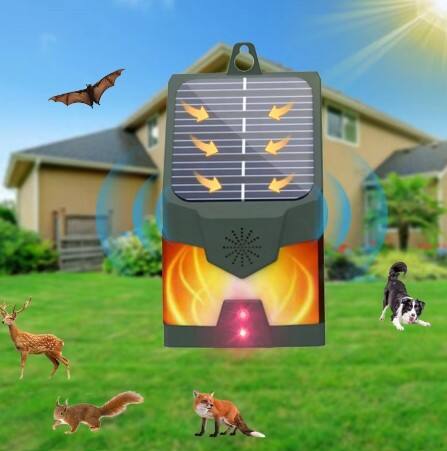
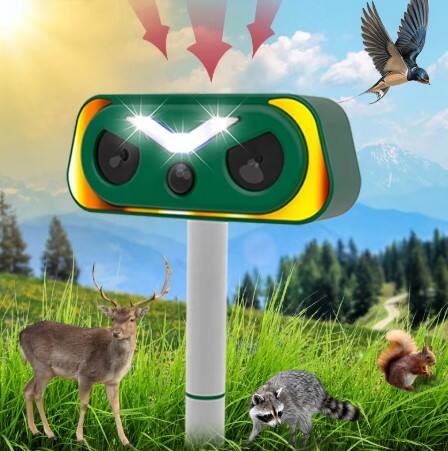
Solar-powered animal repellents provide an innovative solution leveraging renewable energy sources. These devices operate independently of external electricity, ensuring long-term cost efficiency and consistently addressing pest issues without interruption. Their mechanism involves using the natural behaviors of animals, alongside ultrasonic technology, to effectively deter pests from infringing on farm areas. This technology does not cause harm, making it particularly appealing to organic farmers focused on ethical and sustainable practices.

Why Traditional Methods Fall Short for Organic Farming

Traditional pest control methods often fail to align with the principles of organic farming. Chemical pesticides, while effective initially, do not adhere to organic certifications and can lead to severe consequences, including pests developing resistance. According to various studies, continuous use increases application rates, which in turn harms non-target species and depletes soil health. Organic farms face the challenge of balancing pest control with ecological safety, making solar repellents more suitable than traditional pesticides for long-term sustainability and efficiency in pest management.

How Solar-Powered Animal Repellents Work

Harnessing solar energy for continuous operation

Solar panels are a crucial component of solar-powered animal repellents, providing a consistent and renewable energy source in remote areas lacking access to traditional power systems. This continuous operation ensures that the repellents are effective day and night, making them highly suitable for agricultural settings where pests may strike at any time. Besides their efficiency and reliability, the use of solar energy in these devices offers significant economic advantages by reducing the operational costs associated with electricity. Moreover, opting for solar-powered systems aligns with sustainable farming practices, contributing positively to environmental conservation by minimizing carbon footprints.

Motion sensor technology: Detecting intruders intelligently

Motion sensor technology enhances solar animal repellents by intelligently detecting the presence of animals and triggering deterrent mechanisms only when necessary. These sensors prevent unnecessary emissions, conserving energy and extending the lifespan of the devices. By focusing solely on detected intrusions, the systems offer targeted deterrence which minimizes disruptions to ecosystems and protects non-target wildlife from interference. This approach not only supports organic farming principles but is also economically beneficial as it reduces the need for constant human supervision and intervention.

Ultrasonic frequencies: Nature-friendly deterrent system

Utilizing ultrasonic frequencies, solar animal repellents offer a nature-friendly deterrent system that effectively causes discomfort to invading animals without causing harm. These frequencies are inaudible to humans, ensuring that their usage doesn't disturb residents or workers in close proximity. According to research, ultrasonic technology aligns with humane solutions, reinforcing the principles of organic farming by deterring pests without inflicting physical harm. As farms aim to preserve a balance in the local ecosystem, solar-powered repellents serve as eco-friendly and efficient alternatives that maintain harmony between agriculture and wildlife.

Critical Features for Effective Solar Repellents

Adjustable Frequency Ranges for Different Pests

One critical feature in effective solar repellents is their adjustable frequency settings. This capability is essential because it allows the device to be tailored to address a variety of pests, ranging from rodents to deer and birds. Different species respond uniquely to specific frequencies; thus, a one-size-fits-all approach is often ineffective. By adjusting frequencies, users can enhance the efficiency of the repellents, targeting the particular pests that are prevalent in their area. This adaptability ensures a higher success rate in deterring unwanted animals and minimizes the need for additional pest control measures.

Self-Charging Capabilities and Battery Backup

Solar repellents' self-charging capabilities represent a significant advancement in pest control technology. These devices use solar panels to harness energy from sunlight, leading to a reliable and consistent operation even in regions with unpredictable weather. This is crucial for maintaining functionality at all hours, as solar panels alone may not suffice during cloudy days or nighttime. Therefore, the integration of a battery backup system ensures that the repellent remains active, providing uninterrupted protection against pest intrusions. This not only enhances their performance but also contributes to their longevity and dependability in diverse environmental conditions.

Multi-Sensory Deterrent Combinations (Light/Sound/Vibration)

The use of multi-sensory deterrent combinations, including light, sound, and vibration, is another effective strategy for repelling animals. This method creates a comprehensive approach to pest deterrence by simultaneously targeting multiple senses of invading animals. The combined effects of these stimuli are more likely to repel pests compared to single-sensory triggers. In fact, numerous studies have shown that integrating various sensory cues can significantly improve the success rate of these systems. By producing overwhelming and unsettling experiences, these multi-sensory deterrents provide an efficient solution to preventing animal intrusion in farming environments.

Real-World Success Stories in Organic Agriculture

Case Study: Reducing Crop Loss in Citrus Orchards

One notable case study comes from a citrus orchard that implemented solar animal repellents, yielding impressive results. This farm reported a measurable reduction in pest-related crop loss over time, which was directly attributed to the strategic placement of these repellents throughout the orchard. The solar-powered devices effectively deterred pests such as birds and rodents, which are known to cause significant damage to citrus crops. As a result, the farm not only experienced increased yields but also saw a reduction in pest management costs, demonstrating the economic advantages of using these advanced repellents.

Protecting Grain Stores from Rodent Invasions

An inspiring example of using solar-powered animal repellents comes from a grain farmer who successfully protected his stores from rodent invasions. By forming a protective boundary using these eco-friendly devices, the farmer witnessed a significant decrease in rodent activity. Statistics from this initiative revealed improved functionality of grain storage, along with decreased instances of pest-related damage. This proactive approach not only preserved grain quality but also reduced financial losses associated with rodent infestations, showcasing the practical benefits of solar repellents in safeguarding valuable produce.

Safeguarding Vegetable Patches from Deer and Rabbits

Another compelling story is that of an organic vegetable farmer who faced frequent incursions from deer and rabbits, threatening their crop production. By installing solar repellers, the farmer successfully deterred these animals and protected the vegetable patches. A quantitative analysis of the farm's output before and after the system's installation revealed notable improvements in crop survival rates. The investment in solar repellents proved to be highly effective, serving as a robust solution for managing wildlife without resorting to harmful chemical repellents. These real-world success stories highlight the potential of solar animal repellents in significantly enhancing organic agricultural practices.

2(200da69f7a).jpg

Installation and Optimization Strategies

Ideal placement for maximum coverage

To maximize the effectiveness of solar repellents on your farm, strategic placement is crucial. You need to consider factors such as terrain and pest movement patterns when deciding where to install your solar repellents. For instance, placing these devices near entry points or areas where wildlife typically congregate can significantly enhance coverage.

  • Consider the terrain: Whether your farm is flat or hilly, understanding how pests move across the landscape helps in positioning the units effectively.
  • Entry points: Identify areas where animals typically enter the farm and install units closely.

By arranging multiple units to form a comprehensive perimeter, you can create a formidable barrier against uninvited visitors.

Combining units for large-scale farmland protection

Large-scale farms face diverse pest threats that require a more robust protection strategy. Combining multiple solar animal repellent units is an effective solution for safeguarding extensive farmland. Implementing an interconnected system increases their protection capabilities.

  • Strategic grouping: Create clusters of units at crucial points to ensure no area is left vulnerable to pests.
  • Case examples: Farms using a network of devices have reported notable reductions in crop damage.

This approach provides reinforced coverage, proving particularly beneficial in areas prone to multiple pest invasions.

Seasonal maintenance and performance checks

Routine checks and regular maintenance are vital to ensure your solar repellents remain effective throughout the year, especially with changing seasons. Neglecting these tasks can lead to decreased performance and increased pest activity.

  • Check functionality: Regularly verify that the solar panels and sensors are clean and in good working order.
  • Recommendations: Expert tips from agricultural extension services emphasize seasonal maintenance before major weather shifts to ensure uninterrupted performance.

Following these guidelines will ensure that your solar animal repellents continue to protect your farm reliably, safeguarding your crops from pests year-round.

FAQ

What are solar animal repellents? Solar animal repellents are devices that use solar energy to power mechanisms that deter animals from farm areas using ultrasonic sound or other methods.

Why are solar-powered repellents preferred for organic farming? They offer a non-toxic, sustainable solution to pest control that aligns with the principles of organic farming by minimizing environmental impact.

How do solar panels help in pest control? They provide a renewable energy source for devices that deter pests both day and night, making them cost-effective and environmentally friendly.

Can solar repellents deter different types of pests? Yes, many solar repellents offer adjustable frequency settings to target a variety of pests, including rodents, birds, and larger wildlife like deer.

What maintenance is required for solar animal repellents? Regular checks to ensure solar panels and sensors are functioning properly, alongside cleaning and occasional system updates, are vital for optimal performance.

View More
What Should You Look for in an Effective Bug Zapper for Outdoor Use?

15

Aug

What Should You Look for in an Effective Bug Zapper for Outdoor Use?

What Should You Look for in an Effective Bug Zapper for Outdoor Use?

Spending time outdoors — whether it’s in the backyard, on the patio, or camping — is one of life’s great pleasures. Unfortunately, warm evenings often bring uninvited guests in the form of mosquitoes, flies, moths, and other flying insects. These pests can be more than just annoying; some carry diseases, and others can damage gardens or food supplies.

For decades, the Bug Zapper has been one of the most popular tools for controlling flying insects in outdoor spaces. Using light to attract bugs and an electric grid to eliminate them, this device provides a chemical-free way to reduce pest populations. However, not all bug zappers are created equal, and choosing the right one can significantly impact performance and safety.

This article explores the essential features to look for in an effective Bug Zapper for outdoor use, helping you make an informed decision and get the most out of your investment.

Why Use a Bug Zapper Outdoors?

Before diving into features, it’s worth understanding why a Bug Zapper is such a practical outdoor tool:

  • Chemical-Free Pest Control: No need for sprays or toxic chemicals that may harm people, pets, or the environment.

  • Continuous Protection: Many models operate continuously to keep pests under control throughout the evening.

  • Ease of Use: Once installed, bug zappers require minimal maintenance.

  • Multi-Pest Control: Works against a variety of flying insects, not just mosquitoes.

By eliminating pests before they become a nuisance, bug zappers make outdoor gatherings more comfortable and enjoyable.

Key Features to Consider in an Outdoor Bug Zapper

1. Coverage Area

The coverage area determines how much space the Bug Zapper can effectively protect. Outdoor zappers often range from 500 to over 2,000 square feet.

Why it matters:

  • A zapper with too small a range won’t cover your yard effectively, allowing pests to gather in unprotected areas.

  • Oversized zappers for a small patio may consume more power than necessary.

When choosing, match the coverage area to your outdoor space size.

What Should You Look for in an Effective Bug Zapper for Outdoor Use?

2. Light Source Type and Wavelength

Bug Zappers typically use ultraviolet (UV) light to attract insects. The wavelength and type of light can influence how effective the unit is:

  • UV-A Light (around 365 nm) is most effective for attracting many flying insects.

  • LED-based UV lights are energy-efficient and long-lasting compared to traditional fluorescent UV bulbs.

Why it matters: The right wavelength ensures you’re attracting the pests you want to control, while avoiding wasted energy.

3. Power and Voltage of the Electric Grid

The grid voltage determines how quickly and effectively insects are eliminated. Most outdoor Bug Zappers operate between 1,500 and 4,000 volts.

Why it matters:

  • Too low, and some insects may survive the initial shock.

  • Too high, and there’s unnecessary energy consumption and potentially more audible “zapping” sounds.

A balance of power and efficiency ensures optimal results without excess noise or power use.

4. Weather Resistance

Since an outdoor Bug Zapper will be exposed to the elements, it should be weather-resistant:

  • Waterproof or water-resistant casing to handle rain and humidity.

  • UV-resistant materials to prevent damage from sun exposure.

Why it matters: A non-weatherproof unit will wear out quickly, leading to costly replacements.

5. Safety Features

Bug Zappers use electricity to kill insects, so safety is critical:

  • Protective outer casing to prevent accidental contact with the electric grid.

  • Child and pet-safe designs that ensure no one can touch the electrified parts.

Why it matters: Safety features prevent accidents, especially in homes with children or pets.

6. Power Source Options

Outdoor bug zappers can be powered in different ways:

  • Plug-in models: Reliable for continuous use but require an outdoor power outlet.

  • Solar-powered units: Eco-friendly and portable but may have reduced power in cloudy conditions.

  • Battery-operated units: Portable and flexible but require periodic battery replacement or recharging.

Why it matters: The right power source matches your outdoor space’s layout and intended use.

7. Portability and Mounting Options

Some bug zappers are designed to be hung from hooks, while others are freestanding or wall-mounted.

Why it matters: The ability to place the zapper where it’s most effective — such as near seating areas or garden edges — improves performance. Portable models are ideal for camping or moving between different outdoor areas.

8. Noise Level

While many people don’t mind the occasional “zap,” some prefer quieter operation. LED zappers often make less noise than those with higher-voltage grids.

Why it matters: A quieter zapper is better for relaxing outdoor gatherings without distraction.

9. Maintenance and Cleaning

Over time, dead insects accumulate in the zapper. Look for models with:

  • Removable collection trays for easy cleaning.

  • Self-cleaning grids to reduce buildup.

Why it matters: Easy maintenance ensures the zapper continues to work efficiently and extends its lifespan.

10. Multi-Function Features

Some modern Bug Zapper models include additional functions:

  • Integrated LED lighting for area illumination.

  • Mosquito lures or attractants for enhanced targeting.

  • Timer settings for automatic on/off cycles.

Why it matters: Multi-function devices can save space and improve pest control efficiency.

Placement Tips for Maximum Effectiveness

Even the best Bug Zapper won’t perform well if placed incorrectly. Keep these tips in mind:

  • Place the zapper away from seating areas to draw insects away from people.

  • Position it between insect breeding areas (like compost heaps or standing water) and your gathering space.

  • Ensure it’s in a dark or shaded spot at night so the UV light stands out.

Correct placement can greatly improve capture rates while minimizing interference with outdoor activities.

Environmental Considerations

While Bug Zappers are effective, they can attract and kill non-pest insects such as moths or beetles. To reduce environmental impact:

  • Choose models with selective wavelengths to better target pest insects.

  • Avoid placing zappers near flowering plants that attract pollinators.

By using a zapper responsibly, you can balance pest control with biodiversity preservation.

Advantages of Outdoor Bug Zappers

  • No chemicals or pesticides — safer for people, pets, and the environment.

  • Continuous operation keeps pests under control during outdoor activities.

  • Low maintenance compared to traps or sprays.

  • Effective against multiple insect species in one device.

Potential Limitations

  • May attract beneficial insects unintentionally.

  • Effectiveness can be reduced in brightly lit areas where the UV light is less visible.

  • Requires regular cleaning to maintain efficiency.

These drawbacks can be minimized through strategic placement, responsible use, and combining the zapper with other pest management methods.

Combining a Bug Zapper with Other Pest Control Methods

For the best results, use your Bug Zapper as part of an integrated pest management approach:

  • Remove standing water to reduce mosquito breeding grounds.

  • Keep food covered during outdoor events.

  • Use citronella candles or fans to add another layer of deterrence.

This multi-pronged approach helps keep pest populations low without over-relying on any single method.

Future Trends in Bug Zapper Technology

As technology advances, outdoor bug zappers are evolving:

  • Smart controls with mobile app integration for monitoring and adjusting settings remotely.

  • Energy-efficient designs that combine solar and LED technology.

  • Selective targeting systems that focus on specific insect species.

  • Improved safety features for enhanced child and pet protection.

These innovations promise to make bug zappers more efficient, environmentally friendly, and user-friendly.

Conclusion

Choosing the right Bug Zapper for outdoor use means looking beyond just appearance and price. The most effective models combine the right coverage area, light wavelength, grid power, safety features, and durability for your specific environment. Weather resistance, ease of cleaning, and flexible mounting options also play key roles in ensuring long-term satisfaction.

By investing in a well-designed, appropriately sized Bug Zapper and using it responsibly, you can enjoy outdoor spaces with fewer interruptions from flying pests — all without relying on harmful chemicals. As technology continues to improve, bug zappers will remain a valuable and increasingly eco-friendly tool for outdoor living.

FAQ

Do bug zappers kill all mosquitoes?

Not all. While they can kill mosquitoes, they are more effective on insects attracted to light, such as moths and flies.

Are bug zappers safe to use around pets?

Yes, if they have protective casings to prevent contact with the electrified grid.

Can I leave my outdoor bug zapper on all night?

Yes, but for energy savings and reduced impact on non-pest insects, you may want to use a timer.

Do solar-powered bug zappers work as well as electric ones?

They can be effective for small areas but may have lower power output compared to plug-in models.

How often should I clean my bug zapper?

Check and clean the collection tray or grid at least once a week during peak insect season.

View More
What Features Make Animal Repeller Protecting Gardens?

15

Aug

What Features Make Animal Repeller Protecting Gardens?

What Features Make Animal Repeller Protecting Gardens?

Gardens are a source of beauty, food, and personal satisfaction, but they are also magnets for uninvited guests. From deer and rabbits to raccoons, birds, and stray cats, wildlife can quickly turn a thriving garden into a damaged mess. Traditional deterrent methods — like fencing, scarecrows, and chemical sprays — have varying levels of success. However, the introduction of modern Animal Repeller technology has changed the way gardeners protect their plants.

An Animal Repeller is designed to deter animals without harming them, using features such as motion detection, sound, light, or scent to keep unwanted visitors away. For gardeners, understanding the essential features of an Animal Repeller can make the difference between a flourishing landscape and constant battles with wildlife.

This article explores the core features that make an Animal Repeller effective for protecting gardens, the benefits of each, and how to choose the right device for your needs.

Why Use an Animal Repeller for Garden Protection?

An Animal Repeller offers a humane, non-toxic, and often maintenance-friendly solution to keeping pests away. Unlike chemical deterrents, which can wash away after rain, or physical barriers that can be costly and obstructive, these devices offer continuous, automated protection.

They are especially valuable for gardeners who:

  • Want to protect fruits, vegetables, and flowers without pesticides.

  • Live near wooded areas or open fields with abundant wildlife.

  • Need a flexible deterrent that can be moved or adjusted easily.

  • Prefer an eco-friendly solution that doesn’t harm animals.

Key Features That Make an Animal Repeller Effective

1. Motion Detection Sensors

The heart of many modern Animal Repeller devices is a motion detection system. Using infrared (PIR) sensors, these devices detect the heat and movement of animals entering a protected zone.

Benefits for gardens:

  • Immediate Activation: The repeller only activates when an animal enters the detection range, conserving power and reducing unnecessary disturbances.

  • Customizable Sensitivity: Adjustable settings allow gardeners to fine-tune the sensor to detect larger animals like deer while ignoring smaller, harmless creatures such as squirrels.

  • Energy Efficiency: Motion-triggered operation reduces constant energy consumption, making the device more cost-effective.

2. Adjustable Frequency and Sound Emission

Many Animal Repeller devices use ultrasonic sound waves — high-frequency noises beyond the range of human hearing — to deter animals. Some also use audible alarms for maximum impact.

Benefits for gardens:

  • Target-Specific Deterrence: Different animals respond to different frequencies. Adjustable settings let gardeners target specific pests without affecting pets or beneficial wildlife.

  • Non-Intrusive to Humans: Ultrasonic waves are typically silent to humans, allowing the garden to remain a peaceful place.

  • Multiple Modes: Combining ultrasonic and audible sound can enhance effectiveness, especially against persistent animals.

What Features Make Animal Repeller Protecting Gardens?

3. Flashing Lights or Strobe Effects

Some animals are startled by sudden flashes of light. Advanced Animal Repeller models include LED strobe lights that activate with motion detection.

Benefits for gardens:

  • Nighttime Protection: Flashing lights work well in low-light conditions, deterring nocturnal animals like raccoons, skunks, and opossums.

  • Multi-Sensory Impact: When combined with sound, light enhances the startle effect, increasing the likelihood that animals will avoid the area.

4. Water Spray Mechanism

Water-based Animal Repeller devices use a burst of water to surprise animals.

Benefits for gardens:

  • Safe and Humane: Water startles without harming.

  • Physical Barrier Effect: Some animals, especially cats and dogs, quickly associate the area with an unpleasant experience.

  • Low Maintenance: Connects to a standard garden hose and operates automatically.

5. Solar Power Capability

Solar-powered Animal Repeller devices are increasingly popular due to their convenience and sustainability.

Benefits for gardens:

  • Energy Independence: No need to replace batteries or connect to mains electricity.

  • Environmentally Friendly: Uses renewable energy, reducing the device’s carbon footprint.

  • Low Operating Costs: Once installed, solar devices have minimal ongoing expenses.

6. Weather Resistance

An Animal Repeller designed for garden use must withstand outdoor conditions year-round.

Benefits for gardens:

  • Durability: Water-resistant casings protect internal components from rain, snow, and UV exposure.

  • Reliability: Operates in all weather conditions without performance drops.

7. Adjustable Range and Coverage Area

Every garden is different in size and layout. A good Animal Repeller should allow adjustment of its detection and deterrence range.

Benefits for gardens:

  • Custom Fit: Adapt coverage to specific areas such as vegetable patches, flower beds, or orchards.

  • Flexible Placement: Adjusting range helps avoid false triggers from roads, sidewalks, or neighboring yards.

8. Portability and Easy Installation

Gardeners benefit from devices that can be moved as needed.

Benefits for gardens:

  • Flexible Defense: Relocate the device to protect different areas seasonally.

  • Quick Setup: No complex wiring or construction required.

9. Multi-Deterrent Combination

Some of the most effective Animal Repeller devices combine several deterrent methods — for example, ultrasonic sound, flashing lights, and motion-triggered water spray.

Benefits for gardens:

  • Increased Effectiveness: Different animals are deterred by different stimuli.

  • Reduced Habituation: Animals are less likely to get used to a multi-faceted deterrent.

How These Features Work Together

The best Animal Repeller devices combine multiple features to create a layered defense system. For example, a motion sensor can trigger both a sound alarm and a flashing light, startling the animal and encouraging it to retreat. When combined with solar power and weather resistance, this creates a reliable, year-round protective system with minimal intervention.

Choosing the Right Animal Repeller for Your Garden

When selecting an Animal Repeller, consider:

  • Type of Animals: Different pests respond to different deterrents.

  • Garden Size: Larger areas may require multiple devices or extended range models.

  • Power Source: Choose between battery, solar, or wired models based on convenience.

  • Budget: More features often mean a higher price, but also greater effectiveness.

  • Local Climate: Ensure the device is suited for the weather conditions in your area.

Maintenance Tips for Long-Term Effectiveness

To keep an Animal Repeller functioning optimally:

  • Regularly clean sensors and lights.

  • Check power supply (battery or solar panel).

  • Inspect for weather-related damage.

  • Adjust sensitivity and frequency settings seasonally based on animal activity.

The Role of Animal Repellers in Sustainable Gardening

Animal Repeller devices contribute to sustainable gardening practices by reducing reliance on harmful chemicals, traps, or lethal methods. They help maintain a balance between protecting crops and respecting wildlife, which is essential for ecological health.

By using humane deterrents, gardeners can protect their harvest while coexisting peacefully with the local animal population.

Future Trends in Animal Repeller Technology

Looking ahead, new innovations are expected to make Animal Repeller devices even more effective:

  • AI-Based Detection: Identifying specific animal species to adjust deterrent type automatically.

  • Mobile App Control: Allowing gardeners to adjust settings remotely.

  • Energy-Optimized Systems: Combining solar with backup battery storage for continuous operation.

  • Eco-Friendly Materials: Devices built from recyclable and weather-resistant materials.

Conclusion

An effective Animal Repeller can transform garden protection from a constant struggle into a simple, automated process. The most important features — motion detection, adjustable frequency, multi-sensory deterrents, water spray mechanisms, solar power, weather resistance, adjustable coverage, portability, and combined deterrent methods — work together to keep unwanted wildlife away without harm.

By selecting the right combination of these features, gardeners can enjoy thriving plants and productive harvests without constant worry about animal damage. As technology advances, Animal Repeller devices will continue to become more efficient, customizable, and sustainable, making them a key tool in modern garden management.

FAQ

Do Animal Repellers harm wildlife?

No. Most devices are designed to deter animals without causing injury.

Will an Animal Repeller affect pets?

Some models may be heard by dogs and cats, so choose a frequency setting that is pet-safe.

Can Animal Repellers work in winter?

Yes, weather-resistant models are designed for year-round use, though solar-powered units may need extra charging in low-sunlight conditions.

How soon will I see results?

Many gardeners notice reduced animal activity within days, but persistent pests may require continuous deterrence.

Do I need multiple Animal Repellers for a large garden?

For larger properties, placing multiple devices at strategic points ensures full coverage and maximum effectiveness.

View More

Get a Free Quote

Our representative will contact you soon.
Email
Name
Company Name
What is the minimum order quantity you expect
Message
0/1000

solar rechargeable bug zapper

Advanced Solar Technology with Extended Runtime

Advanced Solar Technology with Extended Runtime

The sophisticated solar technology integrated into modern solar rechargeable bug zappers represents a significant leap forward in outdoor pest control innovation. These devices utilize high-efficiency monocrystalline or polycrystalline solar panels that capture and convert sunlight into electrical energy with remarkable effectiveness, even under partially cloudy conditions. The advanced photovoltaic cells are specifically designed to maximize energy absorption throughout the day, ensuring optimal charging performance regardless of seasonal variations in sunlight intensity or duration. The intelligent charging system incorporates overcharge protection mechanisms that prevent battery damage while extending overall lifespan, making the solar rechargeable bug zapper a reliable long-term investment. Premium models feature lithium-ion battery technology that stores sufficient energy to power the device for multiple nights during extended periods of cloudy weather, eliminating concerns about inconsistent solar charging conditions. The automatic power management system monitors energy levels and adjusts operational parameters to optimize runtime, ensuring the solar rechargeable bug zapper maintains peak performance throughout the night when insect activity reaches its highest levels. This extended runtime capability proves particularly valuable during summer months when long evenings require sustained pest control protection. The weatherproof solar panel construction withstands harsh outdoor conditions including heavy rain, hail, and extreme temperatures without compromising charging efficiency or structural integrity. Advanced models incorporate solar tracking features that automatically orient the panel toward optimal sun exposure angles, maximizing energy collection throughout the day. The integration of energy-efficient LED ultraviolet bulbs further enhances the solar rechargeable bug zapper's performance by minimizing power consumption while maintaining maximum insect attraction capabilities. This combination of advanced solar technology with intelligent energy management creates a self-sufficient pest control system that operates reliably year-round without external power requirements or ongoing operational costs.
Chemical-Free Safe Pest Control for Families

Chemical-Free Safe Pest Control for Families

The chemical-free operation of solar rechargeable bug zappers provides families with a safe, effective alternative to traditional pesticide-based insect control methods that often pose health risks to children, pets, and adults. Unlike chemical sprays, foggers, or toxic baits that can contaminate air quality and surfaces, the solar rechargeable bug zapper eliminates insects through physical means that present no chemical exposure risks to household members or visitors. This safety advantage becomes particularly important in outdoor dining areas, children's play spaces, and pet recreation zones where chemical residues could cause adverse health effects through inhalation, skin contact, or accidental ingestion. The electrical grid system operates at controlled voltage levels that instantly eliminate insects while remaining completely safe for human contact, even in wet conditions when properly installed according to manufacturer specifications. Parents can confidently use solar rechargeable bug zappers around infants, toddlers, and children with allergies or respiratory sensitivities who may react negatively to chemical pest control products. The absence of toxic substances means no waiting periods between treatment and safe outdoor enjoyment, allowing families to maintain normal outdoor activities without interruption or health concerns. Pet owners particularly appreciate the chemical-free nature of solar rechargeable bug zappers, as domestic animals are often more sensitive to pesticide exposure than humans and may suffer serious health consequences from chemical pest control products. The device's contained design prevents pets from accessing internal components while allowing effective insect elimination in areas where animals spend time. Environmental safety extends beyond immediate family protection, as solar rechargeable bug zappers do not contribute to groundwater contamination, soil pollution, or harm to beneficial insects when used appropriately. The selective targeting of flying insects through ultraviolet attraction minimizes impact on beneficial pollinators like bees and butterflies, supporting healthy ecosystem balance while controlling problematic pest species. This chemical-free approach aligns with organic gardening practices and sustainable living principles, making solar rechargeable bug zappers ideal choices for environmentally conscious households seeking effective pest management solutions.
Versatile Installation and Placement Options

Versatile Installation and Placement Options

The remarkable versatility of solar rechargeable bug zapper installation and placement options provides users with unprecedented flexibility in creating customized pest control solutions tailored to specific outdoor environments and usage requirements. Unlike conventional electric bug zappers that require proximity to electrical outlets, solar rechargeable bug zappers can be positioned anywhere with adequate sunlight exposure, opening up countless strategic placement possibilities for maximum insect control effectiveness. This installation freedom allows users to target specific problem areas where insect activity is most concentrated, such as outdoor dining spaces, swimming pool perimeters, garden pathways, or camping sites, without being constrained by electrical infrastructure limitations. Multiple mounting options accommodate diverse installation preferences, including hanging chains for tree branches or pergolas, wall-mounting brackets for fence posts or building surfaces, and ground stakes for garden beds or lawn areas. The portable nature of many solar rechargeable bug zapper models enables seasonal relocation based on changing pest patterns or outdoor usage habits, allowing users to optimize placement as needed throughout the year. This adaptability proves particularly valuable for vacation properties, seasonal cabins, or outdoor event venues where temporary pest control solutions are required. The compact, lightweight design of modern solar rechargeable bug zappers facilitates easy transportation between different locations, making them ideal for camping trips, outdoor gatherings, or mobile food service operations. Weather-resistant construction ensures reliable performance across diverse climate conditions and geographic locations, from humid coastal areas to dry desert environments. The wireless operation eliminates trip hazards associated with electrical cords while reducing visual clutter that can detract from outdoor aesthetic appeal. Advanced models feature adjustable height mechanisms that allow users to position the solar rechargeable bug zapper at optimal elevations for targeting specific insect species or adapting to different outdoor furniture configurations. The modular design of some systems enables users to create comprehensive pest control networks by strategically positioning multiple solar rechargeable bug zappers throughout large outdoor areas, providing extensive coverage without complex electrical installations or ongoing energy costs.

Get a Free Quote

Our representative will contact you soon.
Email
Name
Company Name
What is the minimum order quantity you expect
Message
0/1000