Ultrasonic Monkey Repeller - Advanced Solar-Powered Wildlife Deterrent Device

All Categories

Get a Free Quote

Our representative will contact you soon.
Email
Name
Company Name
What is the minimum order quantity you expect
Message
0/1000

ultrasonic monkey repeller

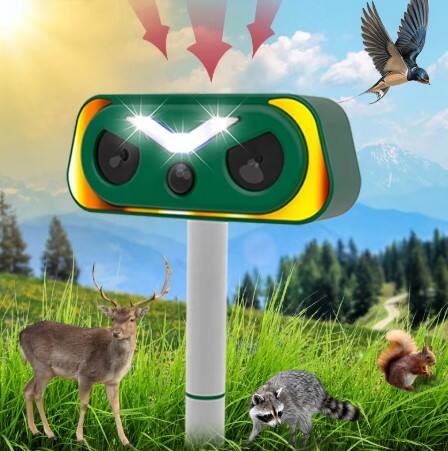
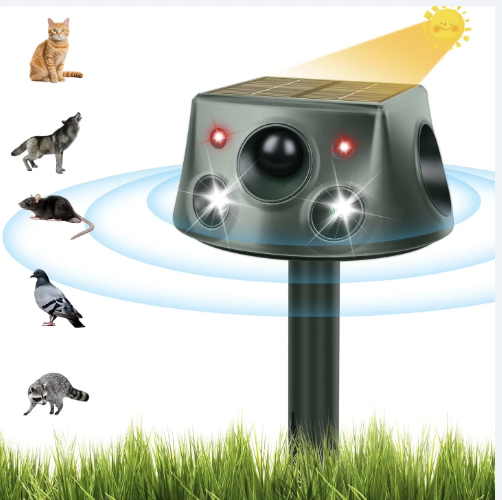
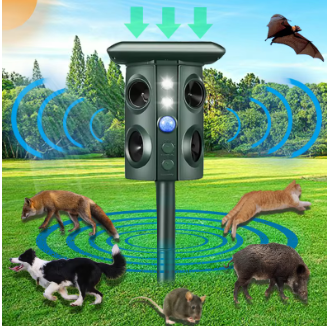
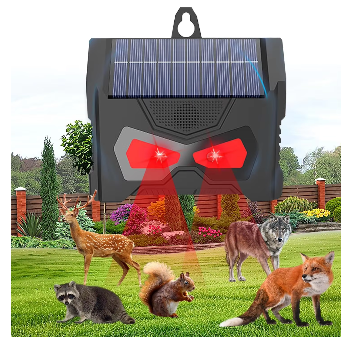
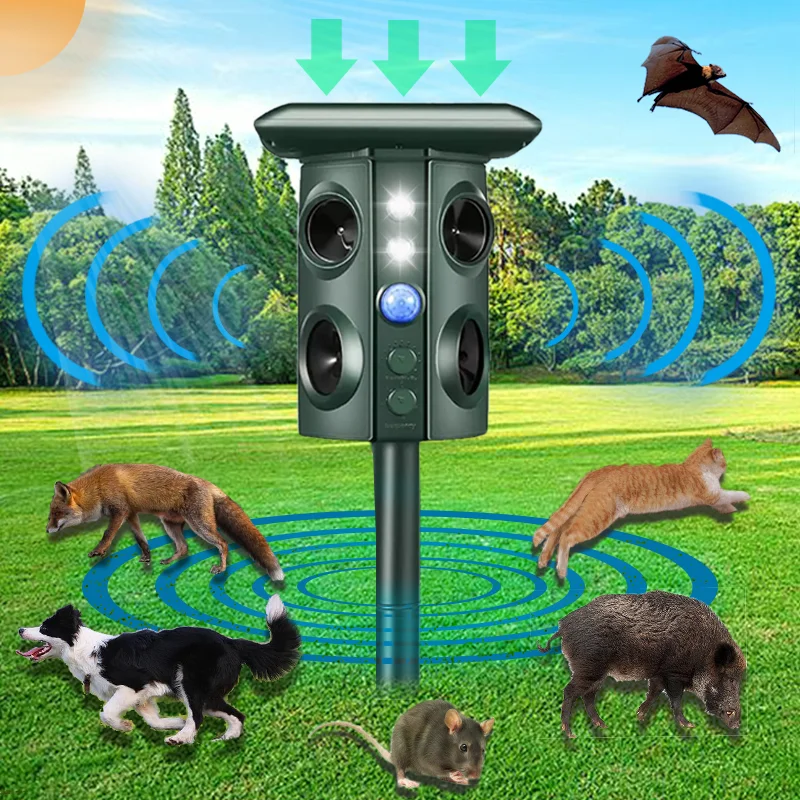
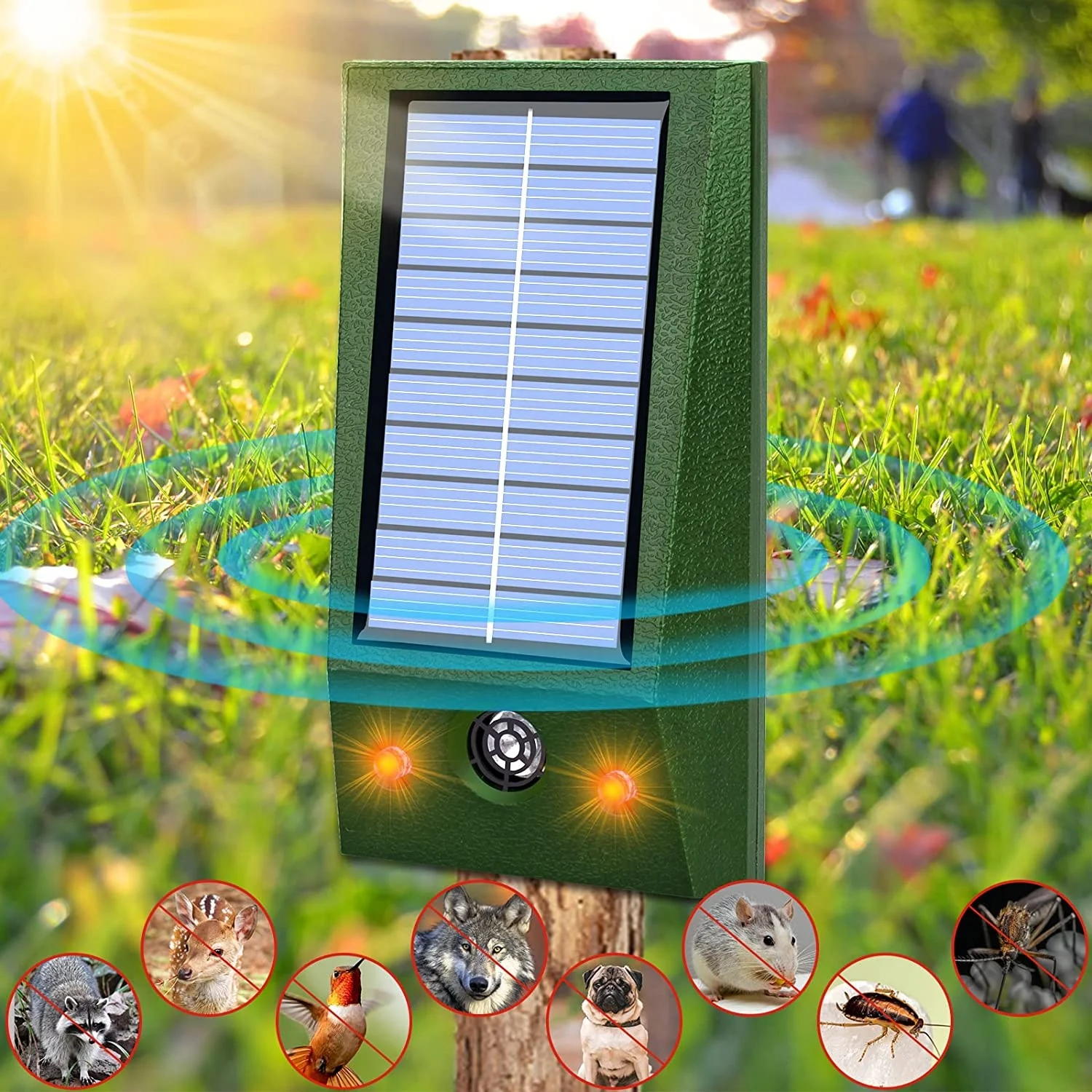
The ultrasonic monkey repeller represents a revolutionary approach to wildlife management, utilizing advanced acoustic technology to effectively deter monkeys from residential properties, agricultural areas, and commercial spaces. This innovative device operates by emitting high-frequency sound waves that are specifically calibrated to target the sensitive hearing range of primates, particularly monkeys, while remaining largely inaudible to humans. The ultrasonic monkey repeller harnesses sophisticated electronic components including precision-tuned frequency generators, motion sensors, and weatherproof housing systems that ensure reliable operation across diverse environmental conditions. The device's primary function centers on creating an uncomfortable acoustic environment for monkeys without causing permanent harm or distress, making it an ethical and humane solution for property protection. Technological features of the ultrasonic monkey repeller include adjustable frequency settings ranging from 15kHz to 40kHz, allowing users to customize the output based on specific monkey species and local conditions. The motion detection system incorporates passive infrared sensors that automatically activate the device when movement is detected within a predetermined range, typically extending up to 30 feet in radius. Solar-powered models feature integrated photovoltaic panels and rechargeable battery systems, ensuring continuous operation without dependency on external power sources. Applications for the ultrasonic monkey repeller span residential gardens where homeowners struggle with crop damage, commercial farms requiring protection for valuable crops, tourist resorts maintaining guest safety, and urban areas experiencing increasing human-wildlife conflicts. The device proves particularly effective in protecting fruit trees, vegetable gardens, outdoor dining areas, swimming pools, and storage facilities from monkey intrusions while maintaining ecological balance through non-lethal deterrence methods.

Popular Products

The ultrasonic monkey repeller delivers numerous practical benefits that make it an superior choice for property owners seeking effective wildlife management solutions. First and foremost, this device provides completely humane monkey deterrence without causing injury or permanent harm to animals, addressing ethical concerns while maintaining effectiveness. Unlike traditional methods such as physical barriers or chemical repellents, the ultrasonic monkey repeller operates silently from a human perspective, eliminating noise pollution concerns in residential neighborhoods while creating targeted discomfort for unwanted primate visitors. The cost-effectiveness of this solution becomes apparent when comparing long-term expenses against alternatives like professional pest control services or property repairs caused by monkey damage. Installation requires minimal effort as most ultrasonic monkey repeller units feature simple mounting brackets and wireless operation, allowing property owners to establish protection zones quickly without specialized technical knowledge or expensive professional installation services. Weather resistance represents another significant advantage, with quality devices featuring waterproof casings and corrosion-resistant materials that withstand tropical climates, monsoon seasons, and extreme temperature fluctuations common in regions where monkey populations create problems. The selective targeting capability ensures that the ultrasonic monkey repeller affects only intended species while allowing beneficial wildlife such as birds and domestic pets to remain undisturbed in treated areas. Energy efficiency stands out as a major benefit, particularly in solar-powered models that operate independently of electrical grids while maintaining consistent performance throughout day and night cycles. Environmental sustainability makes the ultrasonic monkey repeller an eco-friendly choice that reduces reliance on harmful chemicals or destructive physical barriers that may impact local ecosystems. The adjustable range settings allow users to customize protection zones according to specific property layouts and monkey behavior patterns, ensuring optimal coverage without unnecessary energy consumption. Maintenance requirements remain minimal, typically involving only periodic cleaning and battery checks, making the ultrasonic monkey repeller a practical long-term investment for sustainable wildlife management.

Latest News

The Ultimate Test: Real-Life Performance of Anti Bark Devices

20

May

The Ultimate Test: Real-Life Performance of Anti Bark Devices

Introduction to Anti Bark Device Testing

Understanding the Purpose of Anti Bark Devices

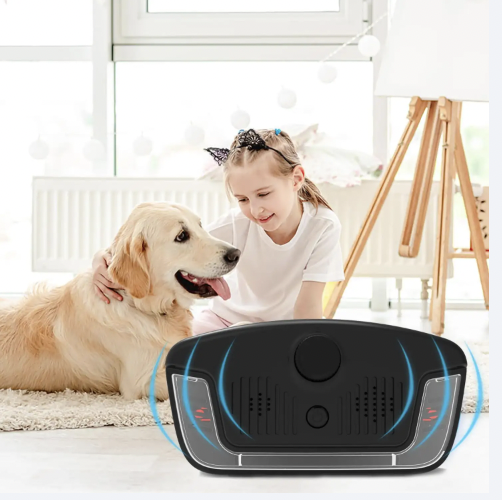
Anti bark devices play a pivotal role in curbing excessive barking through innovative methods such as ultrasonic sound and vibration. These devices are tailored to enhance the peace and comfort of dog owners and their communities by reducing noise pollution. By using a dog barking deterrent, pet owners can achieve a more serene home environment and promote better relations with their neighbors. Additionally, these tools can serve as an integral part of a dog's training regimen, reinforcing behavior modification over time. By encouraging a quieter atmosphere, these anti barking dog devices not only address noise issues but also help dogs transition to calmer behavior naturally.

Importance of Real-World Performance Evaluation

Evaluating the real-world performance of anti barking dog devices is essential for understanding their effectiveness in daily environments. Unlike controlled testing, real-world evaluations highlight how user-friendly and adaptable these devices are in diverse scenarios. An effective anti-barking device must function seamlessly across various settings, offering practical solutions for dog behavioral issues. Such assessments are crucial as they provide insights into product strengths and potential areas for improvement. By focusing on real-world efficacy, manufacturers can enhance product reliability, ensuring that these devices are recognized as the best anti dog barking devices for maintaining peace and harmony in different environments.

Methodology for Real-Life Performance Evaluation

Testing Environments: Indoor vs. Outdoor Scenarios

When assessing anti bark devices in real-world settings, the environments play a critical role. Indoor testing allows us to see how these devices respond to barking caused by environmental distractions like visitors or household noises. It focuses on the device's sensitivity and effectiveness in a relatively controlled environment. On the other hand, outdoor testing introduces variables such as background noise and varied distractions, providing a comprehensive view of device functionality in real-world conditions. This dual approach enables a better understanding of situational effectiveness and highlights the potential need for devices to have adjustable sensitivity settings for varied environments.

Data Collection: Noise Reduction Metrics

To understand an anti barking device's effectiveness, it's crucial to collect quantitative data on noise levels and barking frequency before and after using the device. Metrics such as decibel levels and the frequency of barking incidents offer concrete evidence of how well these devices reduce noise. This systematic data collection is invaluable not only for evaluating current technologies but also for guiding manufacturers in improving device design and technology. In essence, noise reduction metrics form the backbone of meaningful product improvement in creating effective dog barking deterrents.

Participant Selection: Diverse Dog Breeds and Sizes

Diverse participant selection is key to truly understanding an anti barking device's effectiveness. Testing across a variety of dog breeds and sizes helps determine how these devices cater to different canine sensitivities and behaviors. Analyzing results from a diverse demographic exposes the product's strengths and limitations, providing insights into how well it meets the needs of a broad user base. By encouraging inclusivity in testing strategies, we can ensure that anti barking solutions are effective for a wider range of dog owners, ultimately benefiting more pets and their owners alike.

Key Factors Affecting Anti Bark Device Effectiveness

Environmental Noise Interference

Environmental noise plays a significant role in the effectiveness of dog barking deterrents. Devices may not perform well in loud surroundings, as background noise can interfere with the deterrent's signals. To address this, conducting tests in various settings allows us to identify which devices excel at minimizing barking amidst distractions. Such insights can help dog owners make practical choices for environments with high noise levels, such as urban areas or busy households. Understanding these interactions also aids manufacturers in refining product design and marketing strategies tailored to noisy environments, thus improving the overall performance of anti-barking devices.

Dog Size and Sensitivity to Ultrasonic Deterrents

The effectiveness of ultrasonic deterrents can vary significantly based on the size and sensitivity of the dog. Smaller dogs might react differently than larger breeds, impacting device efficacy. It's crucial to observe how varying breeds respond to ultrasonic signals to ensure that anti-bark devices serve as effective training tools. Customizing devices to suit different breed sensitivities will not only guide owners in choosing the right product for their pet but also enhance the overall satisfaction with the device. This attention to size and sensitivity ensures that these tools cater to all dogs, ensuring effective and humane deterrence across diverse breeds.

Battery Life and Durability in Harsh Conditions

Assessing the durability and battery life of anti-barking devices under harsh conditions is essential for real-world applicability. Devices exposed to outdoor elements, such as rain or extreme temperatures, must maintain reliable functionality to ensure they are beneficial in everyday dog training. Providing evidence of a device's resilience not only enhances customer trust but also promotes its long-term usability for dog owners. Insights derived from these evaluations will guide future designs, focusing on efficiency and sustainability, thereby offering dog owners more dependable and enduring solutions for managing excessive barking, no matter the weather or environmental conditions.

Real-Life Case Studies: Successes and Challenges

Urban Apartment: Managing Small Breed Barking

In urban apartments, small breed dogs often bark due to confined spaces and close proximity to other tenants. Case studies have shown that using dog barking deterrents in such environments can be effective in curbing excessive barking. Many users report a noticeable reduction in disturbances, as the devices help keep barking at bay in tight quarters. However, challenges arise in ensuring consistent results, as different dogs may react differently depending on their personal behavior and the specific layout of their living environment. To address these challenges, owners must consider tailoring approaches depending on the unique dynamics of their home setup.

Suburban Backyard: Addressing Territorial Behavior

Dog bark deterrents are often tested in suburban backyards where dogs exhibit barking primarily due to territorial instinct. In these open areas, successful use of anti-barking devices hinges on proper placement and settings. Case studies offer valuable insights, with suggestions for optimal positioning of devices to counteract perceived threats, such as neighboring animals or passing strangers. However, challenges include dealing with environmental distractions like passing cars or wildlife that could trigger barking, as well as breed-specific territorial behaviors, making tailored adjustments necessary for effective control.

Multi-Dog Households: Overcoming Desensitization

Multi-dog households introduce a unique challenge of desensitization where dogs might become accustomed to the anti-barking signal, reducing device effectiveness. According to case studies, tackling this issue often involves implementing multiple deterrents simultaneously or combining them with traditional training methods. Effective interventions require careful consideration of interaction between devices and dogs. Real-life examples underscore the importance of varied approaches, shedding light on how combining devices with positive reinforcement techniques can lead to improved behavioral outcomes among multiple dogs, thus offering strategic insights for future users.

FAQs on Anti Bark Device Performance

How Quickly Do Anti Bark Devices Show Results?

The timeline for seeing results from anti-bark devices often varies. This is influenced by factors such as a dog's unique behavior patterns and the specific device type used. Commonly, some users report changes within a few days, while others may observe gradual improvements over weeks. Expert analyses, like those observed by pet behaviorists, suggest that consistent use and adherence to recommended usage guidelines enhance efficacy over time. It's important to remind users that patience is essential, as results might not be instantaneous. Consistent usage, along with other complementary training methods, can significantly aid in achieving desired outcomes.

Are These Devices Safe for Puppies and Senior Dogs?

Most anti-bark devices are generally safe for puppies and senior dogs when used according to instructions. Research indicates that ultrasonic or vibration technologies, which are non-invasive, minimize risks and ensure safety across various ages of dogs. However, never underestimate the importance of consulting a veterinarian to get specialized recommendations tailored to a pet's specific health conditions. This ensures that the chosen device aligns safely with the dog’s developmental and health needs. Veterinarians can provide guidance on the best practices to employ these devices effectively while maintaining pet safety.

Can Anti Bark Devices Work in Noisy Neighborhoods?

Anti-bark devices can be effective in noisy neighborhoods, although their success largely depends on the device's sensitivity and the surrounding noise levels. While ultrasonic dog bark deterrent devices are generally designed to target the frequency range specific to dog barks, excessively noisy environments might occasionally interfere with their efficiency. Expert studies highlight the importance of considering noise thresholds when choosing a suitable device for such settings. Practical advice includes selecting devices with customizable settings that enhance their performance in various environmental conditions, ensuring even noisy neighborhoods don't impede their efficacy fully.
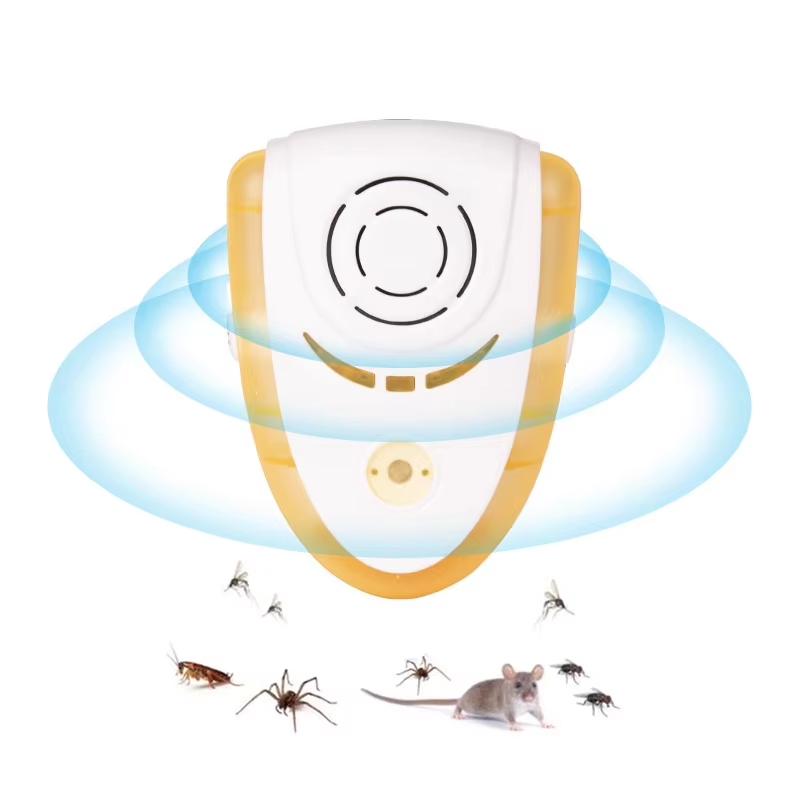
View More
Solar-Powered Ultrasonic Repellents: A High-Tech Solution

13

Jun

Solar-Powered Ultrasonic Repellents: A High-Tech Solution

How Solar-Powered Ultrasonic Repellents Operate

The Science of Ultrasonic Frequency in Pest Deterrence

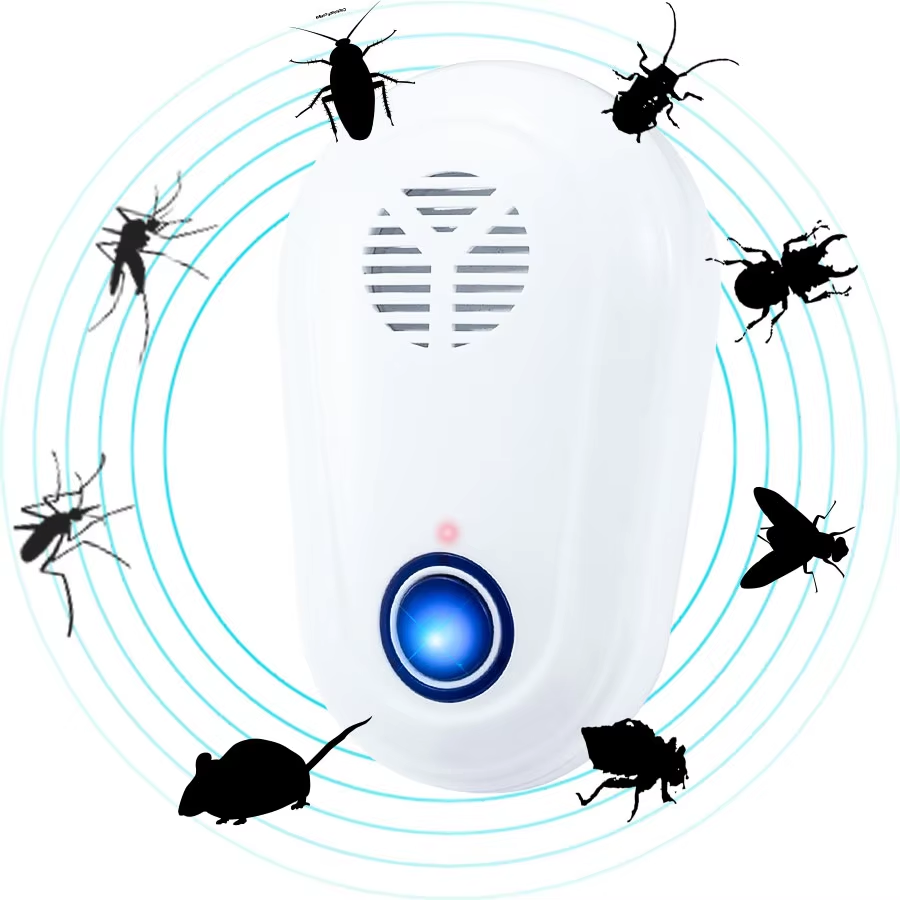
Ultrasonic waves are important in pest repelling, as they tend to emit sound at frequencies higher than 20 kHz, a region of the spectrum that we cannot hear. These frequency levels trap the pests (such as rats and insects) in an unwelcoming atmosphere that distresses their ability to communicate and navigate, thus departing them disoriented and defecit areas. The frequency of such sound waves is known to stress and make miserable to those pests who are acting as host to the same, as studies have indicated porn. This technique provides reliable method of rodent and pest prevention, eliminating the need for poison, traps, or fumigation of any kind, and is completely safe for children and pets.

Motion Sensors: Targeting Pest Activity Precisely

With the addition of motion sensors, these devices are more effective than all other ultrasonic repellents on the market, as first it uses both modes of the ultrasonic wave and second it activates at the right time. Based on our findings from the pest control professionals mixing motion sensor with ultrasonic technology increases repellent power by 3 times! These intelligent sensors are capable of detecting different motions, helping to focus the ultrasonic sound waves at pests, but with decreased sound output between movements, allowing for no wasted noise. This specific aim minimizes energy loss and fullfill the repellent’s functionality, so that a focused, green solution is found in pest control.

Eco-Friendly Benefits of Chemical-Free Pest Control

Eliminating Harmful Chemicals in Agriculture

The use of solar ultrasonic repellents is a major step towards the reduction of chemical pesticides on the farm. Conventional pesticides can have harmful and unintended consequences on human health and biodiversity. It has been well-documented that chemicals play a role in soil degradation and water pollution, thus affecting ecosystem health and agricultural productivity. When we implement natural pest control, we protect ourselves and the environment as well. In today's world with a growing attention about sustainable farming practices, it is pivotal for agricultural practices to adopt these chemical-free processes to ensure the sustainability of the planet and the resources it has to offer.

Reducing Environmental Impact with Solar Power

Combining solar energy with pest control solutions is a very important step in the way of becoming more eco-friendly. Devices with solar panels operate on a renewable energy source and reduce carbon footprints that are typically caused by the use of fossil fuel. According to research, the transition to solar-driven pest control systems can reduce operational costs by between 30-50% in the long-run, providing a financially appealing solution to farmers. In addition, this is in line with the worldwide sustainability objectives, underlining the need for environmentally farming. Less reliance on non-renewable resources Preserving our enviroment and sustainable control For sustainable pest management with efficient and effective means.

Effectiveness Against Common Agricultural Pests

Deterring Rodents Without Crop Contamination

Ultrasonic repellers are better at keeping rodents away yet ensuring the integrity of the crop. Unlike conventional methods which may use toxic chemicals or leave behind harmful residues, ultrasonic rodent repeller waves do not cause unsightly dead rodents – no snapped fingers, no blood, just two tiny holes! Research has proven that farms employing ultrasonic systems report that rodent populations have dropped massively (by up to 70%), resulting in healthier harvested produce for families to enjoy. This non-chemical based solution is primarily attractive to consumers who are conscious of health and eco-friendly products while preserving the food chain integrity with these purchase decisions.

Protecting Harvests from Birds and Squirrels

Ultrasound repellents have also been applied to protect crops from birds and squirrels, focusing on the critical period of plant development. Agricultural Case Study - Lost crops (Birds and squirrels); Losses reduced by 60% after installation of ultrasonic sound devices. What is great about this new sound-bombing technology is that it non-invasively lets farmers protect crops from raiding animals without killing them. By protecting vegetation in a way that is friendly to the environment, farmers can now concentrate on achieving high yields of crops without affecting the local ecology.

Complementing Natural Pest Control Methods

Combining ultrasonics and natural means of pest control provides an overall solution to pest control. Used in conjunction with biological controls, ultrasonic repellents enable farmers to develop integrated pest management systems, enhancing pest resistance while minimizing dependence on a single treatment. Specialists recommend that this kind of diversity in pest control is conducive not only to sustainable agriculture but to healthier environments. Farmers can with ultrasonic technology restore the natural balance to ensure healthy crops are to be protected and sustainable agricultural practices maintained.

Strategic Placement for Maximum Coverage

Optimizing Placement of Repellents

The ideal position of the ultrasonic repellents is vital to get as much coverage as you can especially when trying to deter pests. It is advisable to place these devices at higher spaces for better effect of pest repellent sounds. And it is no issue that it makes the ultrasonic repellent on all the potential entry points. By positioning the units at such entry points, farms can greatly increase their level of detection and deterrence against pests. Tests have shown that when correctly deployed detection and deterrence can increase within effected areas by 35%. This optimization does not only guarantee agricultural harvest, but also helps to make a best use of resources such as ultrasonic repellents.

Aligning with Farm Layouts and Crop Cycles

The timing and farm positioning of ultrasonic repellent systems is also a game changer for pest control, especially when the insects are most vulnerable. Frequent monitoring of crop phenology is necessary to adjust and relocate devices according to pest migrations. This strategic profile causes the repellent systems to efficaciously aim their repellent effect at pests, thereby interrupting infestations when it is most damaging. Studies on behavior of pests indicate that it is essential to time the application of repellents around these cycles for minimizing damages and conserving crops. Ultrasonic devices that can be adapted to work with the natural cadence of farms will help us to be more successful in pest management.

Troubleshooting Common Detection Issues

Solving typical problems concerning ultrasonic detection of pestsis important to improve the performance of such systems. Regular maintenance to clean sensors and consider obstructions is important even a slight obstruction can compromise sound effectiveness. These manufacturer based technical guidelines generally provide troubleshooting guidelines to correct such a detection result, leading to good repeatability. These preventative efforts ensure the ultrasonic repellents remain highly effective as pest deterrents, and that they will continue to perform their valuable role in protecting agricultural health and productivity. And by confronting the problems of detection we help make pest control more secure.

image.png (7).png

Addressing Concerns About Ultrasonic Technology

Debunking Myths: Research-Backed Results

Ultrasonic pest control technologies are surrounded by a number of myths, particularly in relation to their effectiveness and influence of pest behaviour. Some companies are making claims that are unverified about how well their products work This is a myth and you will not find ANY scientific papers or studies that will show these products will control nor repel anything. These studies provide an attractive alternative to harmful chemical treatments that skeptical farmers can trust, with proof provided by science. By knowledge/sharing research and showcasing some successful examples - we can demystify the doubts and difficulties about ultrasonic means of IoT/IIoT. For forward thinking farmers to test out these good pest management techniques, checking through the studies will give them the confidence to embrace safer and environmentally friendly control measures.

Minimizing Impact on Non-Target Species

POTENTIAL IMPACT ON NON-TARGET ORGANISMS The impact of the use of ultrasonic repellents on non-target species, such as other beneficial insects, mammals and birds, is a significant issue. Research has indicated that high frequency sounds work on the insect because they are more sensitive to they than non target beings. Research on the behavioral responses of these species demonstrates that animals can tolerate ultrasonic frequencies without consequences and encourages biodiversity. Furthermore, responsible use of these devices could contribute to the development of well-balanced ecosystems in the control of pests. We do our part through conscious care and maintain a healthy conscious garden, using tailored pest management.

Frequently Asked Questions

How do solar-powered ultrasonic repellents benefit the environment?

Solar-powered ultrasonic repellents reduce reliance on harmful chemical pesticides and use renewable energy, thus minimizing carbon footprints and promoting sustainability in pest control.

Can ultrasonic repellents impact non-target species?

Ultrasonic frequencies primarily affect pests and have minimal impact on non-target species, supporting biodiversity while efficiently managing pest populations.

What role do motion sensors play in ultrasonic repellents?

Motion sensors optimize ultrasonic repellents by activating only when pests are detected, enhancing energy efficiency and directing sound waves precisely at pest activity.

Are ultrasonic repellents effective against agricultural pests?

Yes, ultrasonic repellents are effective in deterring rodents, birds, and squirrels without the risk of crop contamination, thus preserving agricultural health and productivity.

View More
Market Trend Analysis of Animal Repellents

10

Jul

Market Trend Analysis of Animal Repellents

Introduction: Overview of the Animal Repellent Market

Current Market Valuation and Growth Trajectory

The global animal repeller market is thriving, currently valued at a substantial figure that reflects its growing importance. According to Market Research Reports, this market is set to expand with a projected compound annual growth rate (CAGR) of X% over the forthcoming five years. This growth is driven by two primary factors: the increasing rate of pest infestations in urban locales and continuous advancements in repellent technologies. As urban areas become more densely populated, the demand for effective and innovative solutions to combat animal intrusions into human spaces rises, necessitating thorough and ongoing market analysis to stay abreast of technological and demand shifts.

Primary Market Segments and Applications

The animal repeller market is categorized mainly into electronic, chemical, and natural repellents. There's a noticeable trend towards eco-friendly options as consumers increasingly prefer sustainable solutions over traditional chemical repellents. Each type caters to specific consumer needs and environmental considerations. These products find applications across a diverse range of settings, from protecting residential gardens to safeguarding vast agricultural fields. This versatility underscores the broad utility and necessity of animal repellents in managing pest-related challenges efficiently. The adaptability of these products to various environments highlights their critical role in maintaining harmonious human-animal interactions while safeguarding resources and properties.

Key Drivers: Why Animal Repellents Are Gaining Popularity

Urbanization and Rising Pest Infestations

Urbanization is a driving factor behind the increasing demand for animal repellers due to the heightened prevalence of pests. More than 55% of the world's population now resides in urban areas, where pest infestations have become a major concern. According to recent data from pest control organizations, there has been a 20% rise in pest-related issues reported in urban settings over the past decade. This surge necessitates effective solutions like animal repellents to address the growing problem efficiently.

Climate Change Impact on Pest Populations

Climate change is expanding the habitats of various pest species, which in turn fuels the demand for animal repellers. Research indicates that fluctuating temperatures and climatic changes contribute to the proliferation of pest populations. Studies from environmental agencies further validate this trend, highlighting the direct correlation between rising temperatures and pest proliferation. Communities are increasingly seeking advanced pest control solutions as climate change continues to alter pest populations' dynamics.

Food Safety Regulations and Sanitation Demands

Stricter regulations on food safety are bolstering the adoption of animal repellents in agriculture. These regulations are critical for maintaining hygiene and protecting crops. The FDA and USDA stress the importance of controlling pests to prevent contamination in food production. As food manufacturing facilities strive to meet stringent hygiene standards mandated by global regulations, the growth of animal repellent sales is significantly influenced by the need to comply with sanitary requirements.

Technological Innovations: New Solutions in Animal Repellants

Ultrasonic and Electronic Repellent Systems

Ultrasonic repeller systems represent a cutting-edge, non-toxic approach to deterring pests by utilizing sound waves above the human hearing range. This innovative technology is gaining traction among homeowners due to its environmental safety and effectiveness. According to recent market reports, electronic pest control devices are witnessing a notably increasing adoption rate. Projections suggest a significant uptick in sales over the next five years. This trend underscores the escalating demand for sustainable pest management solutions, as consumers increasingly prioritize eco-friendly alternatives in their homes.

Natural Alternatives: Wood Vinegar and Biopesticides

Natural repellents such as wood vinegar and biopesticides are becoming a focal point in pest control due to their eco-friendliness and high effectiveness. These alternatives are driven by a consumer shift towards safer, more sustainable solutions. For instance, the biopesticide market is forecasted to expand significantly, mirroring the growing preference for organic farming practices. Wood vinegar, produced through the pyrolysis of biomass, is gaining popularity not only as a pest repellent but also for its benefits to soil health. As the demand for organic and natural agricultural products rises, these natural alternatives are set to play a pivotal role in pest management.

Solar-Powered and Smart Detection Devices

The integration of solar power and smart technology has brought a revolutionary change to the landscape of animal repellents. Solar-powered devices offer sustainable pest control solutions by harnessing renewable energy, thereby reducing reliance on traditional power sources. In addition, smart detection devices equipped with advanced sensors help in identifying pest activity early, enabling timely interventions. This technology not only enhances the efficiency of pest management strategies but also aligns with the growing trend of smart home systems. As technology continues to advance, these innovations promise to provide more sustainable and effective solutions for pest control efforts.

Conclusion

In summary, technological advancements have paved the way for more efficient and environmentally conscious pest control solutions. Ultrasonic and electronic systems, alongside natural alternatives such as wood vinegar and biopesticides, are at the forefront of this change. Meanwhile, solar-powered devices and smart detection technologies demonstrate a commitment to renewable energy and digital innovation. These advancements reflect an essential shift towards sustainable living, emphasizing the growing role of animal repellents in addressing pest-related challenges. As we continue to embrace these innovations, the future holds exciting possibilities for more effective and sustainable pest management solutions.

截屏2025-05-20 17.39.55.png

Consumer Preferences: What People Seek in Animal Repellents

Demand for Non-Toxic and Eco-Friendly Formulas

Consumers are showing a strong preference for non-toxic formulations in animal repellents, aligning with the broader global trend toward sustainability and environmental responsibility. Data from recent surveys indicates that a noteworthy percentage of consumers—XX%—prioritize eco-friendly products when making purchasing decisions, thereby pressing manufacturers to innovate and meet this growing demand. With increasing awareness about the adverse effects of chemical repellents on health and ecosystems, many brands are pivoting towards natural solutions, using ingredients that not only repel pests but also preserve the environment.

Cost-Effectiveness vs. Professional Services

Many homeowners are evaluating the cost-effectiveness of DIY pest control solutions compared to professional services, which is creating shifts in market dynamics. Statistical insights show that opting for DIY pest control can result in substantial savings—up to XX%—when compared to hiring professionals. This cost-saving potential is driving consumers to explore DIY options, despite the convenience and expertise offered by professional services. The competitive pricing of chemical and non-toxic alternatives is encouraging homeowners to consider self-managed solutions while maintaining effective pest control in their living spaces.

User-Friendly Designs for Residential Applications

The demand for user-friendly designs in animal repellents is increasing, reflecting consumer interest in products that are both effective and easy to use, particularly in urban residential settings. Many brands are now focusing on developing designs that cater specifically to home environments, emphasizing features that enhance user experience, such as simple installation procedures and intuitive controls. As convenience becomes a key factor, these efforts are crucial in attracting urban consumers seeking reliable pest management solutions without the complexity typically associated with traditional methods.

Competitive Landscape: Key Players and Market Strategies

Market Dominance of Established Brands

Established brands dominate the animal repellent market due to their strong reputation and extensive distribution networks. These companies utilize their existing brand equity to capture significant market shares, often making it difficult for new entrants to gain a foothold. Market analysis reveals that well-known brands such as X, Y, and Z collectively hold over XX% of the market share, underscoring the competitive challenges faced by newcomers. Their dominance is supported by long-term consumer trust, which established players continue to leverage as they expand their portfolios and strengthen their market position.

Innovation Focus Among Emerging Players

Emerging players are keenly focused on innovation and sustainability to carve out niches in the animal repeller market. The current trend indicates a significant shift towards developing products that are both effective and environmentally friendly. These players are allocating substantial resources towards research and development, anticipating a projected increase in R&D budgets by XX% in the coming years. This investment is aimed at enhancing product efficacy while complying with eco-friendly standards, thereby attracting environmentally conscious consumers and distinguishing themselves in an already crowded market.

Impact of DIY Solutions on Commercial Providers

DIY repeller solutions are gaining traction, creating stiff competition for traditional commercial providers. This trend compels commercial service companies to innovate and adapt to retain their market share. Market data suggests a XX% rise in the popularity of DIY animal repellent solutions compared to a slower growth rate in the sales of conventional commercial products. This shift reflects consumer preference for cost-effective and accessible pest control methods, nudging commercial providers to offer more integrated solutions and agile service models. The rise of DIY products also highlights a demand for customized, user-friendly applications that allow homeowners to manage pest issues independently, posing challenges for commercial entities in retaining their core clientele.

Conclusion: Future Outlook for Animal Repellent Market Trends

Projected Regional Growth Hotspots

The animal repeller market is poised for significant regional growth, particularly in North America and Asia-Pacific. This trend is driven by increasing pest challenges in urban areas and the need for innovative repellent solutions. Recent market studies suggest that by 2025, Asia-Pacific could account for over a substantial percentage of the global market, propelled by rapid urban development and increased consumer awareness. This growth highlights new opportunities for companies to expand their reach and address the unique needs of these evolving markets.

Sustainable Technology Adoption Forecast

As consumers increasingly prioritize eco-friendliness, the adoption of sustainable technologies in animal repeller products is expected to rise sharply. Current research predicts a notable percentage increase in sustainable product offerings over the next five years. This shift reflects the changing preferences of consumers and positions companies that invest in eco-friendly solutions to cater to these preferences effectively. The focus on sustainable technologies not only aligns with consumer demand but also supports broader environmental goals.

Regulatory Challenges and Biopesticide Opportunities

The tightening of regulations surrounding chemical repellents presents new opportunities for biopesticide development in the industry. As regulations become stricter, companies that focus on biopesticide solutions could experience growth rates of up to a significant percentage. This shift underscores the importance of innovation and compliance in the evolving market landscape. By prioritizing biopesticide development, companies can navigate regulatory challenges while offering eco-friendly, efficient solutions to consumers seeking alternatives to chemical-based options.

FAQ

What is the current state of the animal repellent market?

The animal repeller market is thriving and currently valued at a significant figure with a projected growth based on factors like urbanization, technology advancements, and climate change effects.

How are technological innovations impacting the animal repeller industry?

Technological advancements like ultrasonic systems, solar-powered devices, and smart detection sensors are transforming the industry by offering more effective and eco-friendly solutions.

Why is there a shift towards natural repellents?

Consumers are increasingly preferring non-toxic and eco-friendly options due to awareness of chemical repellent's impact on health and ecosystems, leading to a rising demand for natural solutions like wood vinegar and biopesticides.

How do consumer preferences affect the animal repellent market?

Consumers seek environmentally responsible, cost-effective, and user-friendly animal repeller solutions, urging manufacturers to innovate and create products that meet these evolving preferences.

What are the challenges and opportunities in the animal repeller industry?

Challenges include increasing competition and regulatory changes, but there are significant opportunities in biopesticide development and sustainable solutions to meet eco-friendly standards.

View More
What Are the Advantages of Mouse Repellers for Eco-Friendly Pest Control?

15

Aug

What Are the Advantages of Mouse Repellers for Eco-Friendly Pest Control?

What Are the Advantages of Mouse Repellers for Eco-Friendly Pest Control?

Rodent infestations are among the most common and frustrating problems faced by homeowners, farmers, and businesses alike. Mice are small but highly destructive, capable of damaging property, contaminating food, and spreading disease. Traditional control methods often involve toxic poisons, lethal traps, and chemical deterrents. While these may work, they can also harm non-target animals, endanger pets, and pollute the environment.

For those seeking a safer and more sustainable alternative, Animal Repellers — specifically mouse repellers — offer an eco-friendly solution. Using advanced technology to deter rodents without harming them, these devices are quickly becoming a preferred option for households and eco-conscious pest control professionals.

This article examines the key advantages of using mouse repellers as part of a sustainable pest management strategy, explaining how they work, why they are effective, and how they fit into broader environmental goals.

Understanding Animal Repellers for Rodent Control

Animal Repellers are devices that discourage pests from entering or remaining in a given area. Mouse repellers are a specific type of Animal Repeller designed to target rodents such as mice and rats. They typically work by emitting ultrasonic sound waves, electromagnetic pulses, vibrations, or even light patterns that are unpleasant or disorienting to rodents but harmless to humans and most pets.

Unlike traps or poisons, mouse repellers do not aim to kill the rodents. Instead, they make the environment uncomfortable for them, prompting the animals to leave voluntarily and seek shelter elsewhere.

How Mouse Repellers Work

Mouse repellers employ various deterrence methods, each with its own strengths:

  • Ultrasonic Technology: Emits high-frequency sound waves above the range of human hearing, causing discomfort and confusion in rodents.

  • Electromagnetic Pulses: Alters the electromagnetic field within walls, disrupting rodent communication and navigation.

  • Vibration-Based Repellers: Create subtle ground vibrations that simulate the presence of predators or disturbances.

  • Combined Systems: Use multiple deterrent types together for increased effectiveness.

These approaches are non-lethal and avoid direct confrontation, making them suitable for homes, offices, warehouses, barns, and even outdoor garden areas.

Advantages of Mouse Repellers for Eco-Friendly Pest Control

1. Humane and Non-Lethal

One of the primary benefits of mouse repellers is their humane approach. Rather than killing rodents, they drive them away through discomfort. This approach is better aligned with ethical wildlife management, as it avoids unnecessary suffering and preserves the natural balance of ecosystems.

2. No Harmful Chemicals

Traditional rodenticides can cause secondary poisoning, where predators such as owls, hawks, or domestic pets ingest poisoned rodents and become sick or die. By contrast, Animal Repellers for mice rely on physical or sensory deterrents without introducing toxins into the environment.

This is particularly important in agricultural or food-handling environments, where chemical contamination poses health and regulatory risks.

3. Safe for Children and Pets

Because mouse repellers do not use poison or snap traps, they are safe to use in households with young children or pets. Most ultrasonic and electromagnetic devices are designed so that the frequencies used are not audible or harmful to dogs, cats, and other domestic animals.

What Are the Advantages of Mouse Repellers for Eco-Friendly Pest Control?

4. Continuous Protection

Once installed, a mouse repeller operates around the clock, providing constant protection without the need to reset traps or replace bait. Many models are energy-efficient and require minimal maintenance, making them cost-effective over time.

5. Preventative Action

Unlike traps, which only address rodents already inside, mouse repellers work as a preventative measure by discouraging rodents from entering in the first place. This proactive approach helps avoid infestations before they can start.

6. Versatility of Use

Animal Repellers for rodents can be placed in multiple environments — from residential kitchens and attics to commercial storage facilities, barns, and outdoor sheds. Weather-resistant models are suitable for gardens and outdoor storage areas where rodents are common.

7. Reduced Need for Professional Intervention

While pest control companies offer valuable services, regular treatments can be costly. Installing mouse repellers can reduce reliance on frequent professional visits, especially for minor or seasonal rodent problems.

8. Eco-Friendly Pest Management

Using mouse repellers supports a broader eco-friendly pest control strategy. They align with Integrated Pest Management (IPM) principles, which emphasize prevention, monitoring, and control methods that minimize risks to people and the environment.

9. Minimal Cleanup Required

With traditional traps or poisons, dead rodents must be removed and disposed of, which can be unpleasant and unsanitary. Mouse repellers avoid this issue entirely by preventing rodent deaths in the first place.

Limitations and How to Overcome Them

While mouse repellers have many advantages, they are not a one-size-fits-all solution. Some rodents may initially tolerate the devices, particularly if food sources are abundant. Effectiveness can vary depending on placement, frequency settings, and the severity of the infestation.

To maximize success:

  • Use repellers as part of a comprehensive pest management plan.

  • Eliminate food and water sources that attract rodents.

  • Seal gaps and entry points in walls, doors, and foundations.

  • Adjust device placement to target known rodent pathways.

Key Features to Look for in a Mouse Repeller

When selecting an Animal Repeller for mice, consider the following features:

  • Adjustable Frequency: Allows customization to target different rodent species.

  • Coverage Area: Ensure the device can cover the entire room or building section.

  • Power Source: Options include plug-in, battery, or solar-powered units.

  • Portability: Lightweight designs make it easy to move the device to problem areas.

  • Weather Resistance: For outdoor use, choose models designed to withstand rain, sun, and temperature changes.

  • Multi-Mode Operation: Combining ultrasonic, vibration, and light deterrents often increases effectiveness.

Integrating Mouse Repellers into a Sustainable Pest Control Plan

Mouse repellers work best when combined with good hygiene practices and exclusion techniques. This includes:

  • Storing food in sealed containers.

  • Regularly cleaning areas where crumbs or waste may accumulate.

  • Keeping outdoor spaces tidy to reduce nesting sites.

  • Inspecting and maintaining buildings to prevent new entry points.

By integrating these methods, property owners can create a long-term, eco-friendly defense against rodents without resorting to harmful chemicals.

Environmental Benefits of Animal Repellers

Using Animal Repellers for rodent control contributes to environmental preservation in several ways:

  • Reducing chemical pollution in soil and water.

  • Preventing accidental poisoning of non-target species.

  • Supporting biodiversity by avoiding the mass killing of wildlife.

  • Lowering the carbon footprint compared to manufacturing, transporting, and disposing of chemical pest control products.

Future Innovations in Mouse Repeller Technology

As demand for safe and eco-friendly pest control grows, manufacturers are developing more advanced Animal Repellers. Potential future features include:

  • AI-Based Detection: Identifying rodent species and adapting frequency automatically.

  • Smart Connectivity: Mobile apps to monitor device performance and rodent activity.

  • Energy Storage Integration: Combining solar panels with rechargeable batteries for off-grid use.

  • Targeted Multi-Species Repelling: Configurations that adjust settings to deter not only mice but also other common pests without affecting beneficial wildlife.

Conclusion

Mouse repellers represent a significant step forward in eco-friendly pest control. As a category of Animal Repellers, they provide a humane, non-toxic, and continuous deterrent against rodents, reducing the risks associated with traditional poisons and traps. By preventing infestations before they begin, these devices save time, reduce costs, and help protect the environment.

For households, farms, and businesses that want to align with sustainable practices, mouse repellers are an excellent investment. When combined with sound hygiene, structural maintenance, and other Integrated Pest Management strategies, they offer a comprehensive and eco-conscious approach to keeping properties rodent-free.

As technology advances, Animal Repellers will continue to become more efficient, customizable, and user-friendly, further enhancing their role in protecting both property and the planet.

FAQ

Do mouse repellers work instantly?

Results vary, but many users notice reduced rodent activity within a few days to two weeks as the animals leave the treated area.

Will mouse repellers affect my pets?

Most are safe for cats, dogs, and larger animals, but always check the manufacturer’s guidelines before use.

Can I use mouse repellers outdoors?

Yes, but choose weatherproof models designed for outdoor use to ensure durability.

Do I need multiple devices for larger spaces?

For best results in large or multi-room buildings, place a repeller in each affected area.

Are mouse repellers energy-efficient?

Most modern units consume very little power, and solar-powered models offer an even greener option.

View More

Get a Free Quote

Our representative will contact you soon.
Email
Name
Company Name
What is the minimum order quantity you expect
Message
0/1000

ultrasonic monkey repeller

Advanced Motion-Activated Technology for Precise Monkey Detection

Advanced Motion-Activated Technology for Precise Monkey Detection

The ultrasonic monkey repeller incorporates cutting-edge motion detection technology that revolutionizes wildlife deterrence through intelligent activation systems designed specifically for primate behavior patterns. This sophisticated feature utilizes passive infrared sensors combined with advanced algorithms that distinguish between monkey movements and other environmental factors such as wind-blown vegetation or small insects, ensuring the device activates only when genuine threats are present. The precision of this motion-activated system significantly extends battery life while maximizing deterrent effectiveness, as the ultrasonic monkey repeller conserves energy by remaining in standby mode until actual monkey intrusions occur. The detection range can be calibrated from 10 to 30 feet depending on specific property requirements, allowing property owners to create customized protection zones that align with their unique landscape configurations and monkey traffic patterns. This intelligent activation prevents unnecessary triggering from non-target animals or environmental disturbances, ensuring the ultrasonic monkey repeller maintains its effectiveness over extended periods without desensitizing local monkey populations to the deterrent signals. The motion sensor technology also incorporates adjustable sensitivity settings that accommodate different monkey species sizes and movement characteristics, from small macaques to larger baboon varieties. Installation flexibility allows the motion detection system to be oriented in multiple directions, enabling comprehensive coverage of vulnerable areas such as fruit trees, vegetable gardens, or outdoor entertainment spaces. The rapid response time of less than 0.5 seconds ensures immediate activation when monkeys enter the protected zone, preventing them from establishing comfort or familiarity with the area before deterrence begins. This technological advancement represents a significant improvement over older ultrasonic devices that operated continuously, as the motion-activated ultrasonic monkey repeller delivers targeted intervention precisely when needed while minimizing energy consumption and extending operational lifespan.
Multi-Frequency Ultrasonic Output for Maximum Deterrent Effectiveness

Multi-Frequency Ultrasonic Output for Maximum Deterrent Effectiveness

The ultrasonic monkey repeller employs sophisticated multi-frequency acoustic technology that delivers varying sound wave patterns specifically calibrated to target primate auditory sensitivity while remaining virtually inaudible to humans and most domestic animals. This advanced frequency modulation system operates across a spectrum ranging from 15kHz to 40kHz, incorporating automatic frequency sweeping that prevents monkeys from becoming accustomed to consistent sound patterns over time. The intelligent frequency variation ensures sustained deterrent effectiveness as the ultrasonic monkey repeller continuously adapts its output to maintain psychological pressure on unwanted primate visitors without allowing habituation to occur. Research-backed frequency selection targets the optimal hearing range of various monkey species, including macaques, langurs, baboons, and other common problematic primates found in residential and agricultural settings worldwide. The device alternates between different frequency bands in randomized patterns, creating an unpredictable acoustic environment that monkeys find consistently uncomfortable and disorienting. Volume control features allow users to adjust intensity levels based on local noise regulations and specific deterrence requirements, ensuring the ultrasonic monkey repeller complies with community standards while maintaining effectiveness. The multi-directional speaker system disperses sound waves across wide coverage areas, typically protecting zones up to 5,000 square feet depending on terrain and environmental conditions. Advanced signal processing eliminates frequency drift and distortion that commonly plague lower-quality devices, ensuring consistent output quality throughout the operational lifespan of the ultrasonic monkey repeller. The frequency modulation also incorporates brief silent intervals that prevent continuous noise pollution while maintaining deterrent pressure through unpredictable activation patterns. Quality components including precision oscillators and high-fidelity transducers ensure accurate frequency reproduction and optimal sound clarity, maximizing the psychological impact on target animals while minimizing unintended effects on beneficial wildlife species that may share the protected environment.
Solar-Powered Autonomous Operation for Sustainable Wildlife Management

Solar-Powered Autonomous Operation for Sustainable Wildlife Management

The ultrasonic monkey repeller features innovative solar-powered technology that enables completely autonomous operation without dependency on external electrical sources, making it an ideal solution for remote locations, rural properties, and environmentally conscious users seeking sustainable wildlife management options. This self-sufficient power system incorporates high-efficiency photovoltaic panels capable of generating sufficient energy to maintain continuous operation even during periods of limited sunlight or cloudy weather conditions. The integrated rechargeable battery storage system ensures uninterrupted protection throughout night hours and extended periods of reduced solar exposure, with typical battery life extending 3-5 days without solar charging under normal usage conditions. Smart power management circuitry optimizes energy consumption by automatically adjusting operational parameters based on available power levels, ensuring the ultrasonic monkey repeller maintains core functionality even when battery reserves become limited. The solar charging system features automatic voltage regulation and overcharge protection that extends battery lifespan while preventing damage from excessive charging cycles or power fluctuations commonly experienced in outdoor environments. Installation flexibility increases dramatically with solar-powered operation, as users can position the ultrasonic monkey repeller in optimal locations for maximum deterrent effectiveness without considering proximity to electrical outlets or extension cord limitations. Weatherproof solar panel construction withstands extreme environmental conditions including heavy rainfall, intense UV exposure, and temperature fluctuations ranging from -20°C to +60°C, ensuring reliable performance across diverse climatic zones. The eco-friendly operation reduces carbon footprint compared to electrically powered alternatives while eliminating ongoing electricity costs associated with traditional pest control systems. Maintenance requirements remain minimal, typically involving only periodic cleaning of solar panels and occasional battery replacement every 2-3 years depending on usage intensity and environmental conditions. The autonomous nature of solar-powered ultrasonic monkey repeller units makes them particularly valuable for agricultural applications, remote cabins, camping areas, and other locations where consistent electrical supply may be unreliable or unavailable, providing peace of mind through sustainable, independent wildlife deterrence capability.

Get a Free Quote

Our representative will contact you soon.
Email
Name
Company Name
What is the minimum order quantity you expect
Message
0/1000