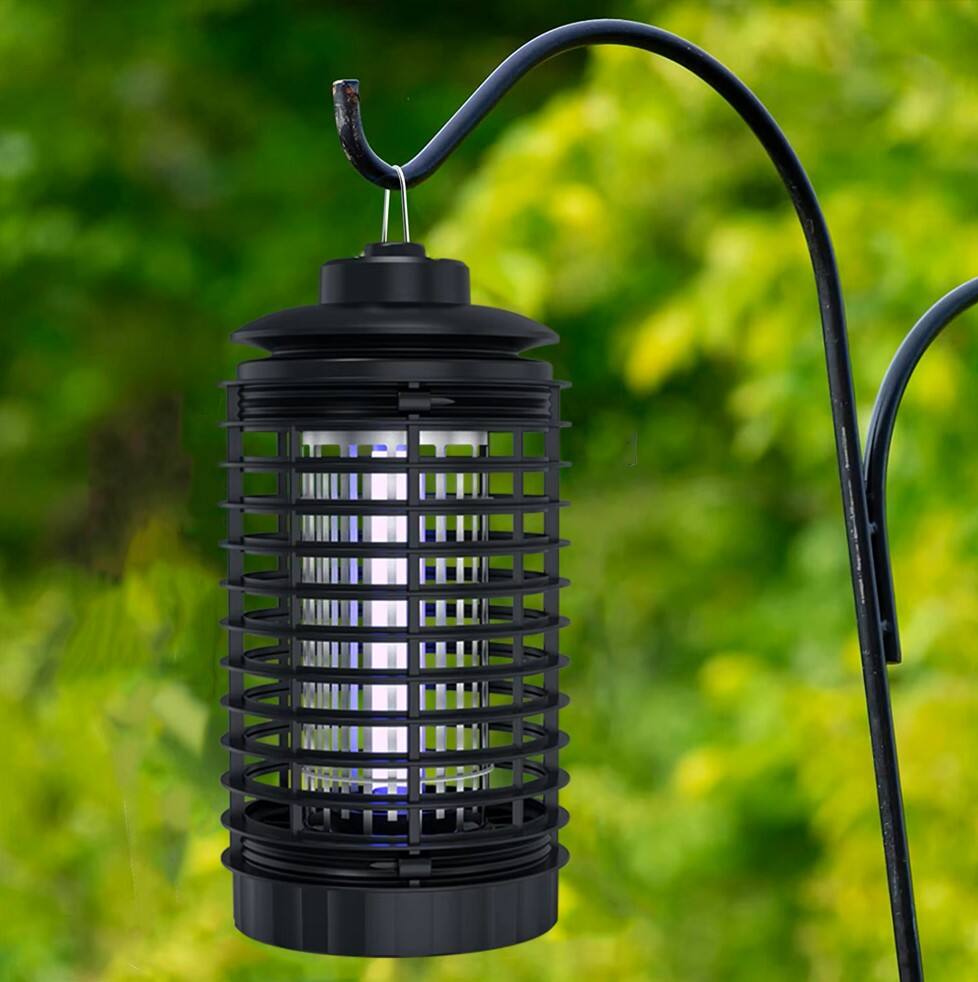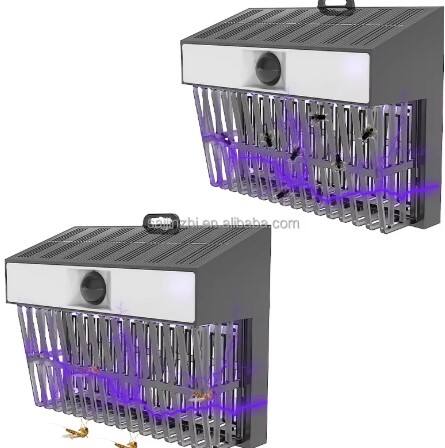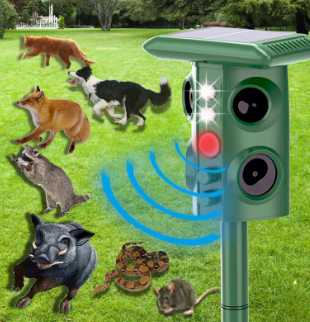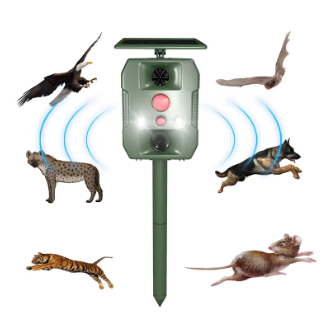
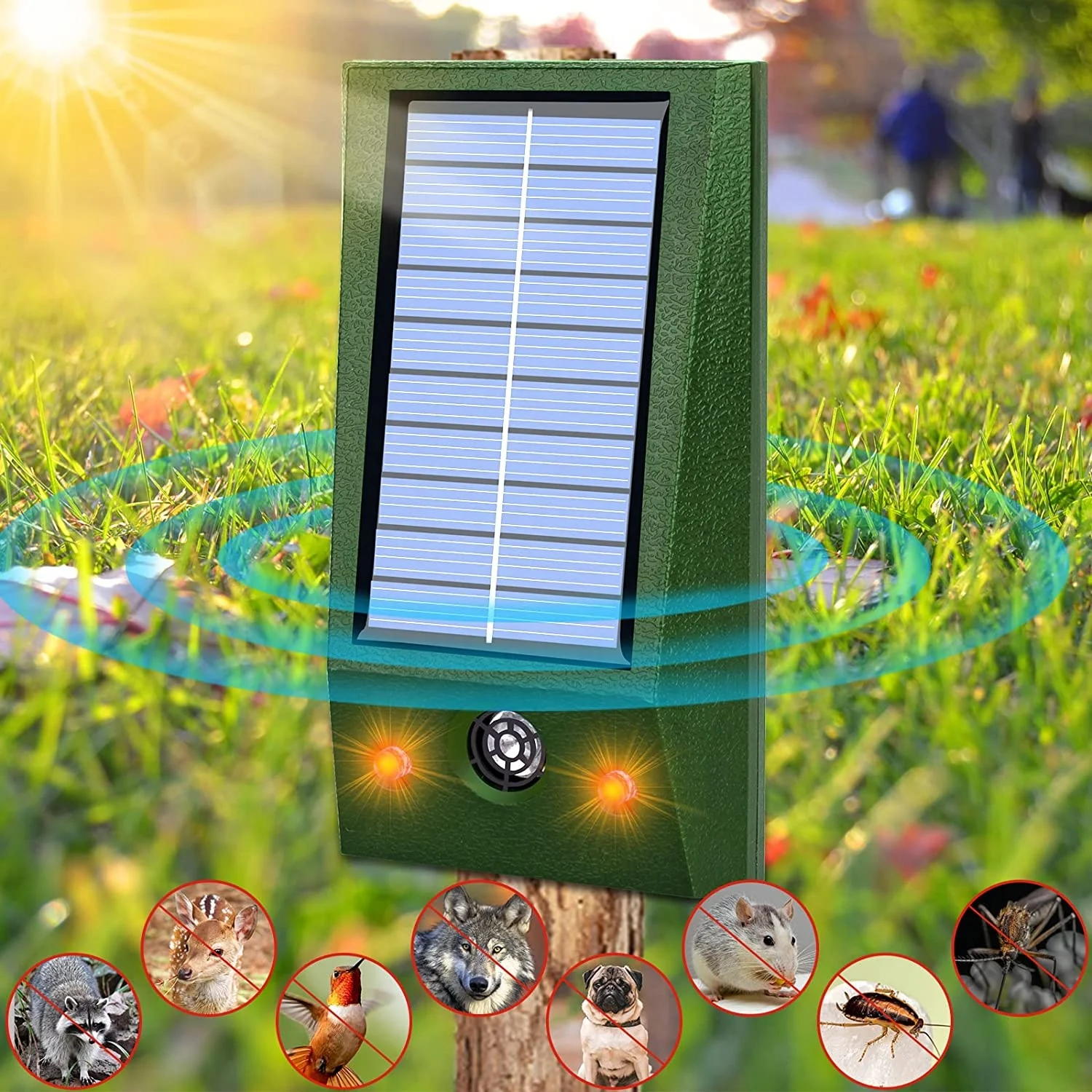
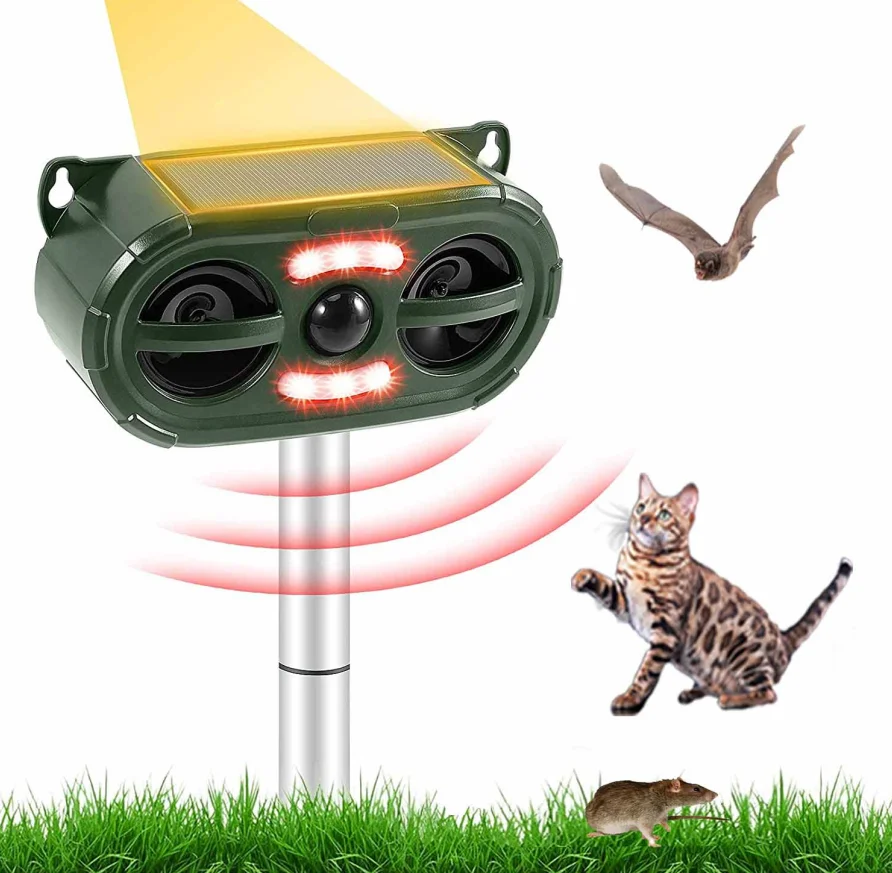
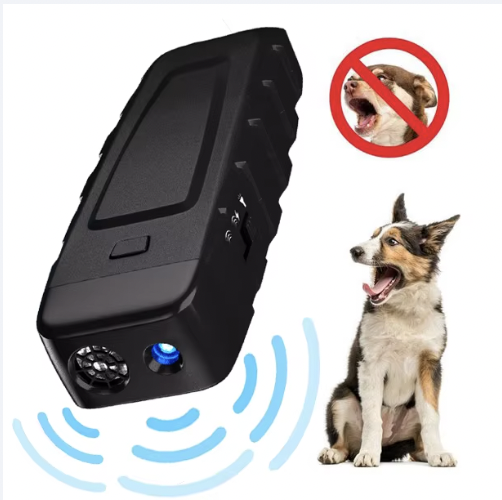
Professional Skunk Repeller - Advanced Motion-Activated Wildlife Deterrent System

All Categories

Get a Free Quote

Our representative will contact you soon.
Email
Name
Company Name
What is the minimum order quantity you expect
Message
0/1000

skunk repeller

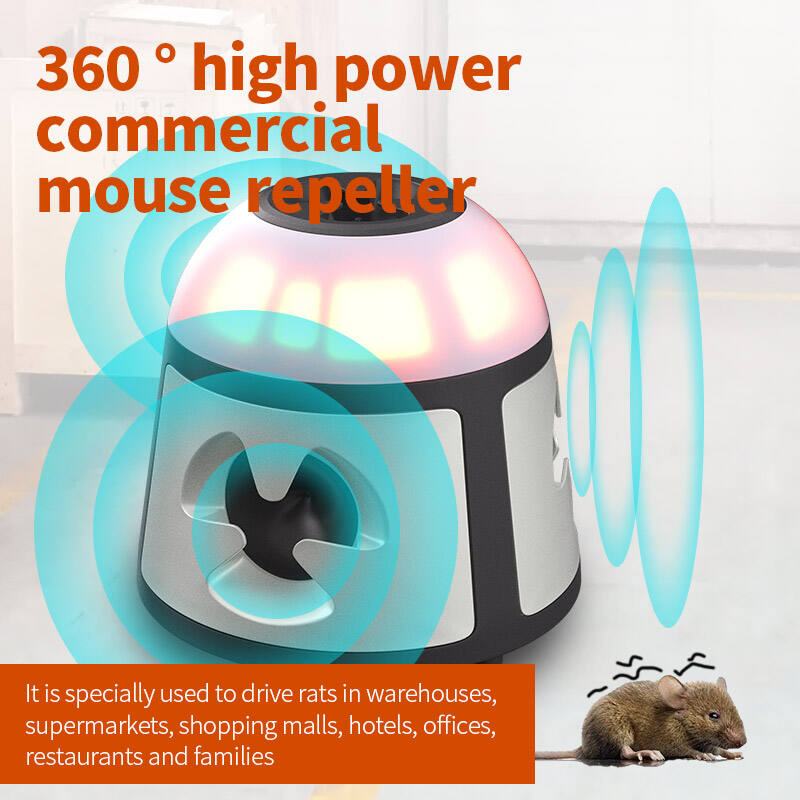
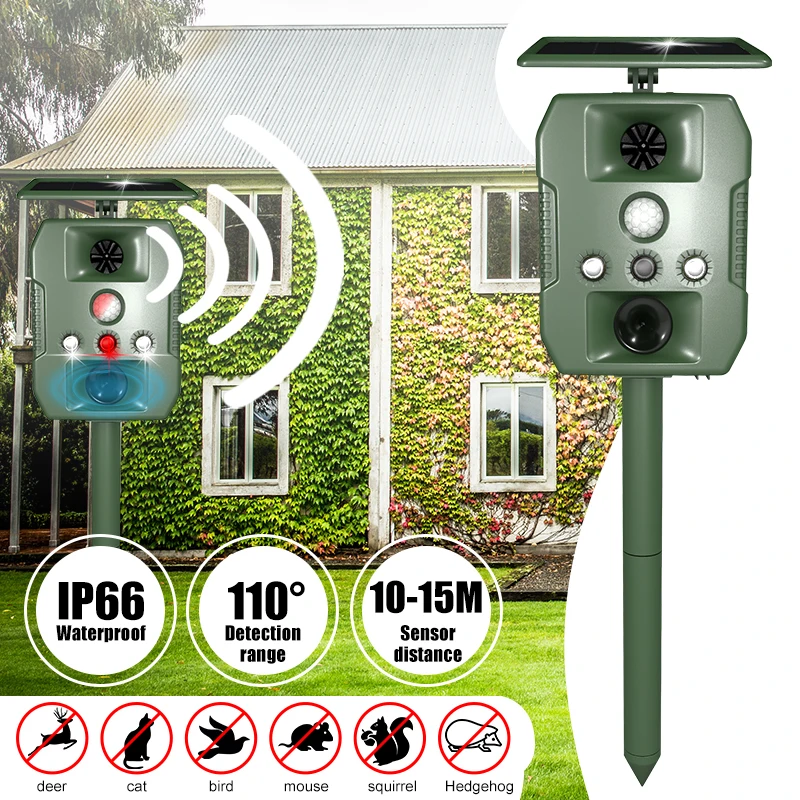
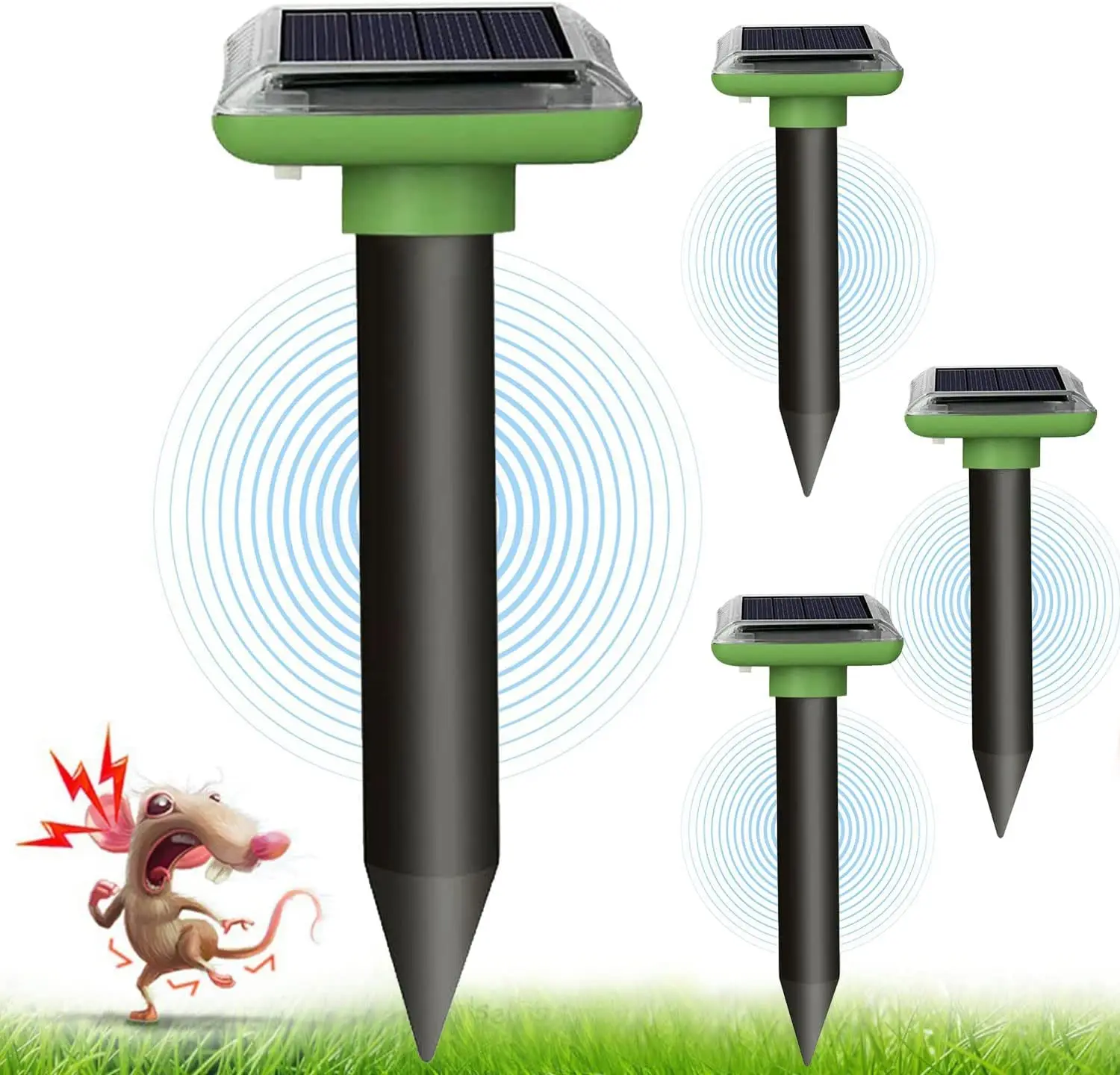
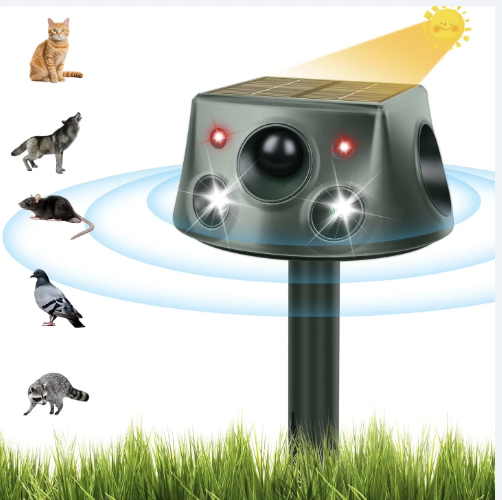
A skunk repeller represents an innovative solution designed to humanely deter skunks from residential and commercial properties. This advanced device operates through multiple deterrent mechanisms, combining cutting-edge technology with environmentally safe practices to create an effective barrier against unwanted skunk intrusion. The skunk repeller utilizes motion-activated sensors that detect approaching skunks and automatically trigger various deterrent responses, ensuring continuous protection without requiring constant human supervision. Modern skunk repeller systems incorporate ultrasonic sound technology that emits high-frequency audio waves specifically calibrated to discourage skunks while remaining largely inaudible to humans and non-target animals. The device features weatherproof construction with durable materials that withstand harsh outdoor conditions, including rain, snow, and extreme temperatures. Solar-powered models offer sustainable operation with backup battery systems ensuring uninterrupted functionality even during cloudy periods. The skunk repeller typically covers substantial areas, with effective ranges extending up to several thousand square feet depending on the model specifications. Installation proves remarkably straightforward, requiring minimal technical expertise and basic mounting hardware. Users can adjust sensitivity settings to accommodate different property layouts and specific skunk behavior patterns in their area. The technology behind each skunk repeller incorporates smart detection algorithms that differentiate between skunks and other wildlife, reducing false activations while maintaining optimal deterrent effectiveness. Many units feature LED strobe lights that activate simultaneously with ultrasonic emissions, creating a multi-sensory deterrent experience. The skunk repeller operates on humane principles, causing no physical harm to animals while effectively encouraging them to seek alternative territories. Advanced models include smartphone connectivity options, allowing remote monitoring and control through dedicated mobile applications. The device proves particularly valuable for protecting gardens, garbage areas, pet food stations, and outdoor recreational spaces where skunk encounters pose potential risks to families and pets.

Popular Products

The skunk repeller delivers numerous practical benefits that make it an essential investment for property owners seeking effective wildlife management solutions. Unlike traditional methods such as chemical sprays or physical barriers, the skunk repeller provides continuous automated protection without requiring daily maintenance or replacement of consumable materials. This automation translates into significant time savings for busy homeowners who cannot constantly monitor their property for skunk activity. The device operates silently from a human perspective, ensuring it does not disturb family activities or neighborhood peace while maintaining its deterrent effectiveness against skunks. Cost-effectiveness represents another major advantage, as the skunk repeller eliminates recurring expenses associated with professional pest control services or frequent purchases of deterrent sprays. The initial investment pays for itself quickly through reduced property damage and eliminated need for expensive cleanup services following skunk encounters. Safety benefits extend beyond simple deterrence, as the skunk repeller reduces the likelihood of dangerous skunk-human confrontations that could result in bites, scratches, or spray incidents. Families with children and pets particularly appreciate this protective barrier that operates around the clock without creating hazardous conditions. The skunk repeller demonstrates remarkable versatility in addressing various skunk-related problems, from protecting vegetable gardens and flower beds to securing garbage storage areas and outdoor dining spaces. Property value preservation becomes achievable as the device prevents skunk-related damage to landscaping, structures, and outdoor amenities that could otherwise require costly repairs. Environmental responsibility characterizes the skunk repeller approach, as it avoids harmful chemicals that might contaminate soil, water sources, or affect beneficial wildlife populations. The device promotes coexistence rather than elimination, encouraging skunks to relocate naturally without causing ecological disruption. Installation flexibility allows users to position units strategically based on their specific property layout and skunk traffic patterns. Weather resistance ensures year-round functionality, providing consistent protection during seasons when skunk activity peaks. The skunk repeller adapts to changing conditions through adjustable settings that accommodate different environmental factors and seasonal behavioral variations. User-friendly operation means anyone can manage the system effectively without requiring specialized knowledge or training. Maintenance requirements remain minimal, typically involving only periodic cleaning and occasional battery replacement for non-solar models.

Tips And Tricks

The Role of Anti Bark Devices in Dog Training and Behavior Modification

20

May

The Role of Anti Bark Devices in Dog Training and Behavior Modification

Understanding Anti-Bark Devices and Their Mechanisms

Types of Anti-Bark Devices: Ultrasonic, Vibration, and Citronella

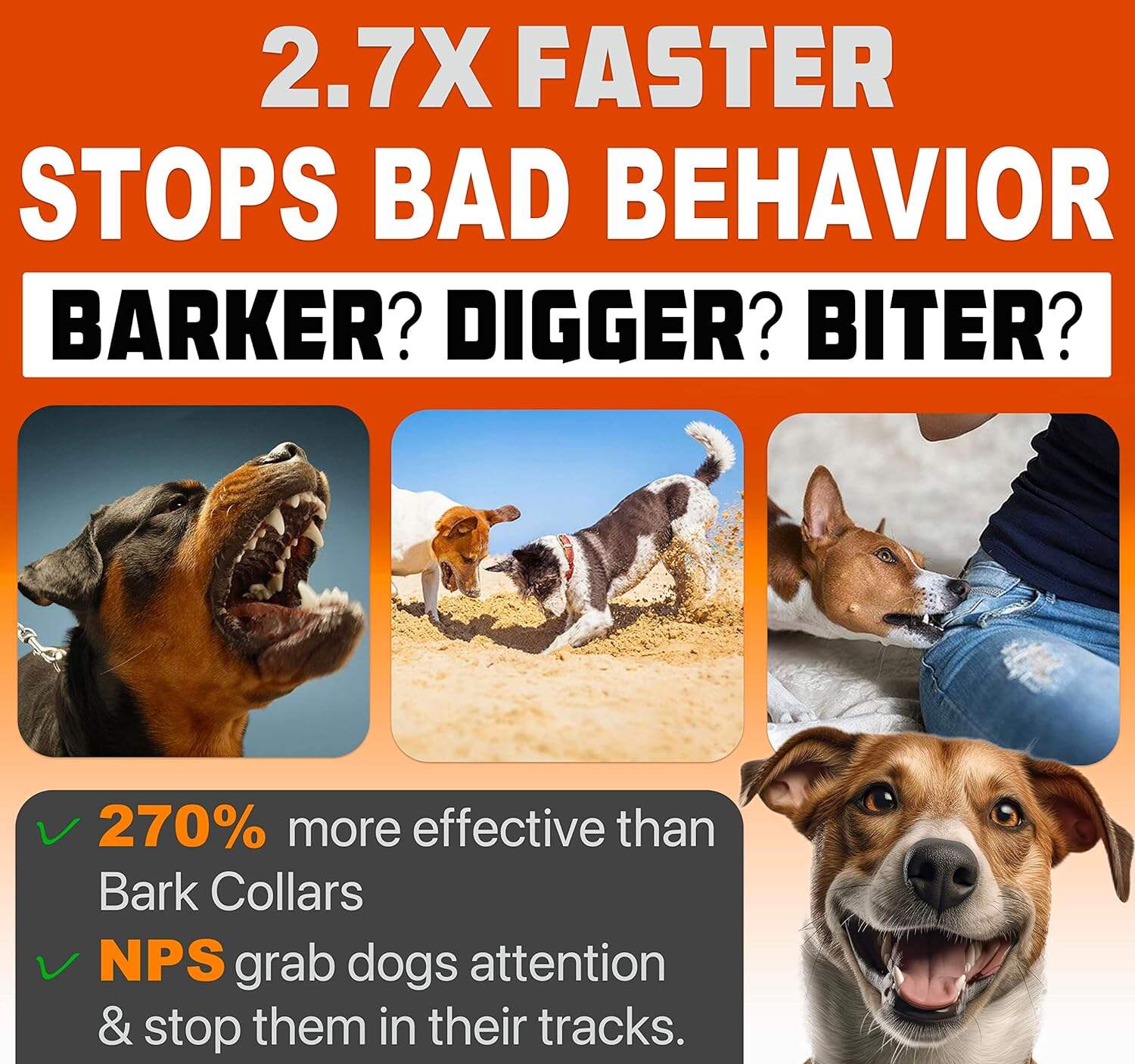
Anti-bark devices are designed to control excessive barking using various mechanisms that don't harm the pet. These devices fall into three primary categories: ultrasonic, vibration, and citronella spray. Ultrasonic devices function by emitting high-frequency sounds inaudible to humans but unsettling to dogs, making them effective stop dog barking devices. For example, the DogSilencer MAX uses ultrasonic technology, producing immediate sound-based deterrents to capture the dog's attention and diminish barking episodes. Vibration devices work differently; they send gentle vibrations as a tactile cue for the dog to stop barking. These collars are popular because they provide a humane option without causing fear. Finally, citronella collars release a burst of citronella fragrance, which is harmless yet immensely distracting for dogs. However, it's important to weigh each option's pros and cons. Statistics reveal varied user satisfaction rates depending on the dog's breed and temperament, emphasizing the importance of selecting the most suitable device based on individual pet needs.

How Ultrasonic Dog Bark Control Works

Ultrasonic dog barking deterrents are unique because they specifically target barking behaviors through sound waves. They activate when barking occurs, creating an immediate auditory deterrent that effectively captures the dog's attention. This makes ultrasonic devices the most powerful ultrasonic dog barking deterrents available on the market. Modern devices often come equipped with features like adjustable sensitivity levels and extended range, ensuring versatility in various environments. Studies have shown that over 70% of users notice a significant reduction in barking within weeks, underscoring the effectiveness of these innovative solutions. With advancements in technology, ultrasonic devices continue to be at the forefront of sound-based dog barking solutions.

The Science Behind Sound-Based Deterrents

The effectiveness of sound-based deterrents, like ultrasonic devices, lies in their interaction with canine physiology. Dogs have a heightened ability to perceive high-frequency sounds, which humans cannot hear. This makes ultrasonic frequencies particularly effective in altering behavior without causing physical harm or stress. Scientific studies indicate that regular exposure to these frequencies can effectively condition dogs to reduce excessive barking within a few weeks, maintaining behavioral modifications over time. Understanding the canine hearing range provides insights into why sound-based deterrents are a preferred choice among pet owners seeking humane and impactful ways to manage barking.

The Role of Anti-Bark Devices in Behavior Modification

Breaking the Barking Cycle with Immediate Feedback

Anti-bark devices play a crucial role in behavior modification by providing immediate feedback to interrupt the barking cycle. When a dog barks, these devices emit a signal—whether ultrasonic, vibrational, or fragrant—that immediately disrupts the barking behavior. This immediate correction is essential from a psychological perspective, as it helps dogs quickly associate the unwanted behavior with the corrective stimulus, leading to faster behavior modification. For instance, there's a case study that highlights how consistent use of ultrasonic signals resulted in a significant reduction in barking frequency over a month. This demonstrates the efficiency of these devices when applied properly and consistently.

Addressing Territorial and Anxiety-Induced Barking

Territorial and anxiety-induced barking are common challenges that anti-bark devices can help address effectively. Territorial barking is often triggered by perceived intrusions and can be countered by devices that detect barking and respond with a distracting signal. For anxiety-induced barking, the issue is often more complex, requiring a combination of device intervention and training to soothe underlying fears. Evidence from various studies indicates that when these devices are used alongside behavioral training, they significantly help in reducing anxiety-related vocalizations. This highlights their potential as valuable tools in a comprehensive behavioral modification strategy for tackling complex barking triggers.

Complementing Positive Reinforcement Strategies

Complementing anti-bark devices with positive reinforcement strategies enhances their effectiveness in canine behavior modification. These devices provide an immediate correction, making them ideal for use alongside rewards-based approaches, where good behavior is reinforced with treats or praise. Training programs that integrate both methods generally result in comprehensive behavioral changes. Experts widely recognize this balanced approach as beneficial, emphasizing that while devices curb unwanted behavior quickly, consistent positive reinforcement fosters a long-term positive association in dogs. This dual strategy ensures that while devices curb unwanted actions on the spot, the desirable behavior is nurtured through rewards.

Anti-Bark Devices vs. Traditional Training Methods

Comparing Deterrents to Positive Reinforcement

When it comes to addressing excessive barking, choosing between deterrents and traditional positive reinforcement methods is crucial. Deterrents, such as ultrasonic dog barking deterrents, provide immediate feedback, which can be particularly effective for dogs with ingrained barking habits. Positive reinforcement, on the other hand, focuses on rewarding desired behaviors, encouraging dogs to repeat these behaviors over time. Expert opinions often suggest that deterrents can be more beneficial when dealing with persistent barking that has not responded well to positive reinforcement alone. For instance, statistics show that combining both methods can lead to a 60% success rate in reducing unwanted barking behaviors compared to using positive reinforcement alone. This highlights the potential effectiveness of integrating both approaches for optimum results.

When to Use Anti-Bark Devices Over Verbal Commands

There are specific scenarios where anti-bark devices, like the most powerful ultrasonic dog barking deterrent, outperform verbal commands. An example is when dealing with dogs known to be less responsive to voice due to high anxiety or excitement levels. Trainers often find that beginners or those with limited training experience benefit more from devices that provide consistent feedback, especially in loud environments where verbal commands might get lost. Anecdotal evidence from seasoned dog trainers indicates that in situations involving multiple distractions, anti-bark devices offer a more reliable solution than verbal instructions. Therefore, understanding your dog's specific needs and the environment is crucial in determining when to opt for these devices over traditional verbal communication.

Combining Technology with Reward-Based Training

Marrying technology with reward-based training can result in accelerated behavior modification in dogs. By integrating tools like ultrasonic dog bark control with positive reinforcement, owners can address barking quickly while reinforcing good behavior with treats or praise. Practical examples show that using technology to deter unwanted barking while simultaneously rewarding quiet behavior speeds up the training process. Studies suggest that such combined methods not only enhance training effectiveness but also foster a positive learning environment. This approach is supported by experts who advocate for a balanced strategy, emphasizing that while technology provides the initial bark interruption, rewards ensure the behavior is positively reinforced, leading to long-lasting change.

Effectiveness and Limitations of Barking Deterrents

Factors Influencing Success: Consistency and Environment

Consistency is key to unlocking the full potential of anti-bark devices. Repeated usage in a predictable manner helps dogs associate the deterrent with their barking habit, potentially curbing it over time. According to studies, consistent use of these devices increases training success rates by nearly 60%, highlighting their effectiveness in disciplined environments. However, environmental distractions can undermine this success. Factors such as fluctuating noise levels and distractions inside the home can confuse dogs, rendering these devices ineffective. To optimize the results of a stop dog barking device, it's crucial to maintain consistency and minimize such environmental disturbances.

Limitations in Addressing Root Causes of Barking

While ultrasonic devices offer a quick fix, they often fail to address the underlying reasons for a dog's barking. These devices merely silence the symptom without tackling issues like anxiety, boredom, or territorial behavior. Understanding a dog's psychological needs is vital for long-term solutions. As Dr. Eileen Anderson has noted, "Comprehensive behavioral analysis is essential for effective training." Without targeting the root cause, relying solely on deterrents could lead to temporary success but ultimately require additional training and interventions for permanent behavior modification.

Breed-Specific Responses to Ultrasonic Stimuli

Breed-specific responses to ultrasonic anti-bark devices can vary significantly. Certain breeds, like Shih Tzus, may be more sensitive to ultrasonic stimuli, while others such as German Shepherds might hardly respond at all. Research indicates that the effectiveness of most powerful ultrasonic dog barking deterrents varies across breeds, underscoring the need for tailored approaches. Experts recommend customizing strategies based on breed traits to enhance training efficacy. Understanding how a particular breed responds to these devices can result in targeted, more successful training sessions, reinforcing the importance of breed-specific planning in behavioral adjustments.

FAQ Section

What are the types of anti-bark devices?

Anti-bark devices include ultrasonic, vibration, and citronella spray collars. Each type uses different mechanisms to deter barking without harming the pet.

How does ultrasonic dog bark control work?

Ultrasonic devices emit high-frequency sounds that are inaudible to humans but disruptive to dogs, effectively deterring barking behavior.

Can anti-bark devices be used with positive reinforcement training?

Yes, anti-bark devices can complement positive reinforcement strategies, providing immediate corrections while rewarding good behavior for long-term improvement.

Are anti-bark devices effective for all dog breeds?

The effectiveness of anti-bark devices can vary by breed. Some breeds may be more sensitive to ultrasonic stimuli than others, necessitating tailored approaches.
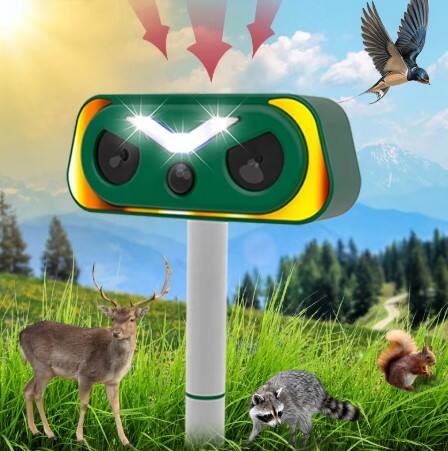
View More
Market Trend Analysis of Animal Repellents

10

Jul

Market Trend Analysis of Animal Repellents

Introduction: Overview of the Animal Repellent Market

Current Market Valuation and Growth Trajectory

The global animal repeller market is thriving, currently valued at a substantial figure that reflects its growing importance. According to Market Research Reports, this market is set to expand with a projected compound annual growth rate (CAGR) of X% over the forthcoming five years. This growth is driven by two primary factors: the increasing rate of pest infestations in urban locales and continuous advancements in repellent technologies. As urban areas become more densely populated, the demand for effective and innovative solutions to combat animal intrusions into human spaces rises, necessitating thorough and ongoing market analysis to stay abreast of technological and demand shifts.

Primary Market Segments and Applications

The animal repeller market is categorized mainly into electronic, chemical, and natural repellents. There's a noticeable trend towards eco-friendly options as consumers increasingly prefer sustainable solutions over traditional chemical repellents. Each type caters to specific consumer needs and environmental considerations. These products find applications across a diverse range of settings, from protecting residential gardens to safeguarding vast agricultural fields. This versatility underscores the broad utility and necessity of animal repellents in managing pest-related challenges efficiently. The adaptability of these products to various environments highlights their critical role in maintaining harmonious human-animal interactions while safeguarding resources and properties.

Key Drivers: Why Animal Repellents Are Gaining Popularity

Urbanization and Rising Pest Infestations

Urbanization is a driving factor behind the increasing demand for animal repellers due to the heightened prevalence of pests. More than 55% of the world's population now resides in urban areas, where pest infestations have become a major concern. According to recent data from pest control organizations, there has been a 20% rise in pest-related issues reported in urban settings over the past decade. This surge necessitates effective solutions like animal repellents to address the growing problem efficiently.

Climate Change Impact on Pest Populations

Climate change is expanding the habitats of various pest species, which in turn fuels the demand for animal repellers. Research indicates that fluctuating temperatures and climatic changes contribute to the proliferation of pest populations. Studies from environmental agencies further validate this trend, highlighting the direct correlation between rising temperatures and pest proliferation. Communities are increasingly seeking advanced pest control solutions as climate change continues to alter pest populations' dynamics.

Food Safety Regulations and Sanitation Demands

Stricter regulations on food safety are bolstering the adoption of animal repellents in agriculture. These regulations are critical for maintaining hygiene and protecting crops. The FDA and USDA stress the importance of controlling pests to prevent contamination in food production. As food manufacturing facilities strive to meet stringent hygiene standards mandated by global regulations, the growth of animal repellent sales is significantly influenced by the need to comply with sanitary requirements.

Technological Innovations: New Solutions in Animal Repellants

Ultrasonic and Electronic Repellent Systems

Ultrasonic repeller systems represent a cutting-edge, non-toxic approach to deterring pests by utilizing sound waves above the human hearing range. This innovative technology is gaining traction among homeowners due to its environmental safety and effectiveness. According to recent market reports, electronic pest control devices are witnessing a notably increasing adoption rate. Projections suggest a significant uptick in sales over the next five years. This trend underscores the escalating demand for sustainable pest management solutions, as consumers increasingly prioritize eco-friendly alternatives in their homes.

Natural Alternatives: Wood Vinegar and Biopesticides

Natural repellents such as wood vinegar and biopesticides are becoming a focal point in pest control due to their eco-friendliness and high effectiveness. These alternatives are driven by a consumer shift towards safer, more sustainable solutions. For instance, the biopesticide market is forecasted to expand significantly, mirroring the growing preference for organic farming practices. Wood vinegar, produced through the pyrolysis of biomass, is gaining popularity not only as a pest repellent but also for its benefits to soil health. As the demand for organic and natural agricultural products rises, these natural alternatives are set to play a pivotal role in pest management.

Solar-Powered and Smart Detection Devices

The integration of solar power and smart technology has brought a revolutionary change to the landscape of animal repellents. Solar-powered devices offer sustainable pest control solutions by harnessing renewable energy, thereby reducing reliance on traditional power sources. In addition, smart detection devices equipped with advanced sensors help in identifying pest activity early, enabling timely interventions. This technology not only enhances the efficiency of pest management strategies but also aligns with the growing trend of smart home systems. As technology continues to advance, these innovations promise to provide more sustainable and effective solutions for pest control efforts.

Conclusion

In summary, technological advancements have paved the way for more efficient and environmentally conscious pest control solutions. Ultrasonic and electronic systems, alongside natural alternatives such as wood vinegar and biopesticides, are at the forefront of this change. Meanwhile, solar-powered devices and smart detection technologies demonstrate a commitment to renewable energy and digital innovation. These advancements reflect an essential shift towards sustainable living, emphasizing the growing role of animal repellents in addressing pest-related challenges. As we continue to embrace these innovations, the future holds exciting possibilities for more effective and sustainable pest management solutions.

截屏2025-05-20 17.39.55.png

Consumer Preferences: What People Seek in Animal Repellents

Demand for Non-Toxic and Eco-Friendly Formulas

Consumers are showing a strong preference for non-toxic formulations in animal repellents, aligning with the broader global trend toward sustainability and environmental responsibility. Data from recent surveys indicates that a noteworthy percentage of consumers—XX%—prioritize eco-friendly products when making purchasing decisions, thereby pressing manufacturers to innovate and meet this growing demand. With increasing awareness about the adverse effects of chemical repellents on health and ecosystems, many brands are pivoting towards natural solutions, using ingredients that not only repel pests but also preserve the environment.

Cost-Effectiveness vs. Professional Services

Many homeowners are evaluating the cost-effectiveness of DIY pest control solutions compared to professional services, which is creating shifts in market dynamics. Statistical insights show that opting for DIY pest control can result in substantial savings—up to XX%—when compared to hiring professionals. This cost-saving potential is driving consumers to explore DIY options, despite the convenience and expertise offered by professional services. The competitive pricing of chemical and non-toxic alternatives is encouraging homeowners to consider self-managed solutions while maintaining effective pest control in their living spaces.

User-Friendly Designs for Residential Applications

The demand for user-friendly designs in animal repellents is increasing, reflecting consumer interest in products that are both effective and easy to use, particularly in urban residential settings. Many brands are now focusing on developing designs that cater specifically to home environments, emphasizing features that enhance user experience, such as simple installation procedures and intuitive controls. As convenience becomes a key factor, these efforts are crucial in attracting urban consumers seeking reliable pest management solutions without the complexity typically associated with traditional methods.

Competitive Landscape: Key Players and Market Strategies

Market Dominance of Established Brands

Established brands dominate the animal repellent market due to their strong reputation and extensive distribution networks. These companies utilize their existing brand equity to capture significant market shares, often making it difficult for new entrants to gain a foothold. Market analysis reveals that well-known brands such as X, Y, and Z collectively hold over XX% of the market share, underscoring the competitive challenges faced by newcomers. Their dominance is supported by long-term consumer trust, which established players continue to leverage as they expand their portfolios and strengthen their market position.

Innovation Focus Among Emerging Players

Emerging players are keenly focused on innovation and sustainability to carve out niches in the animal repeller market. The current trend indicates a significant shift towards developing products that are both effective and environmentally friendly. These players are allocating substantial resources towards research and development, anticipating a projected increase in R&D budgets by XX% in the coming years. This investment is aimed at enhancing product efficacy while complying with eco-friendly standards, thereby attracting environmentally conscious consumers and distinguishing themselves in an already crowded market.

Impact of DIY Solutions on Commercial Providers

DIY repeller solutions are gaining traction, creating stiff competition for traditional commercial providers. This trend compels commercial service companies to innovate and adapt to retain their market share. Market data suggests a XX% rise in the popularity of DIY animal repellent solutions compared to a slower growth rate in the sales of conventional commercial products. This shift reflects consumer preference for cost-effective and accessible pest control methods, nudging commercial providers to offer more integrated solutions and agile service models. The rise of DIY products also highlights a demand for customized, user-friendly applications that allow homeowners to manage pest issues independently, posing challenges for commercial entities in retaining their core clientele.

Conclusion: Future Outlook for Animal Repellent Market Trends

Projected Regional Growth Hotspots

The animal repeller market is poised for significant regional growth, particularly in North America and Asia-Pacific. This trend is driven by increasing pest challenges in urban areas and the need for innovative repellent solutions. Recent market studies suggest that by 2025, Asia-Pacific could account for over a substantial percentage of the global market, propelled by rapid urban development and increased consumer awareness. This growth highlights new opportunities for companies to expand their reach and address the unique needs of these evolving markets.

Sustainable Technology Adoption Forecast

As consumers increasingly prioritize eco-friendliness, the adoption of sustainable technologies in animal repeller products is expected to rise sharply. Current research predicts a notable percentage increase in sustainable product offerings over the next five years. This shift reflects the changing preferences of consumers and positions companies that invest in eco-friendly solutions to cater to these preferences effectively. The focus on sustainable technologies not only aligns with consumer demand but also supports broader environmental goals.

Regulatory Challenges and Biopesticide Opportunities

The tightening of regulations surrounding chemical repellents presents new opportunities for biopesticide development in the industry. As regulations become stricter, companies that focus on biopesticide solutions could experience growth rates of up to a significant percentage. This shift underscores the importance of innovation and compliance in the evolving market landscape. By prioritizing biopesticide development, companies can navigate regulatory challenges while offering eco-friendly, efficient solutions to consumers seeking alternatives to chemical-based options.

FAQ

What is the current state of the animal repellent market?

The animal repeller market is thriving and currently valued at a significant figure with a projected growth based on factors like urbanization, technology advancements, and climate change effects.

How are technological innovations impacting the animal repeller industry?

Technological advancements like ultrasonic systems, solar-powered devices, and smart detection sensors are transforming the industry by offering more effective and eco-friendly solutions.

Why is there a shift towards natural repellents?

Consumers are increasingly preferring non-toxic and eco-friendly options due to awareness of chemical repellent's impact on health and ecosystems, leading to a rising demand for natural solutions like wood vinegar and biopesticides.

How do consumer preferences affect the animal repellent market?

Consumers seek environmentally responsible, cost-effective, and user-friendly animal repeller solutions, urging manufacturers to innovate and create products that meet these evolving preferences.

What are the challenges and opportunities in the animal repeller industry?

Challenges include increasing competition and regulatory changes, but there are significant opportunities in biopesticide development and sustainable solutions to meet eco-friendly standards.

View More
Impact of Pests and Diseases on Humans and Ways to Better Protect Our Homes - Animal Repellent & Bug Zapper

10

Jul

Impact of Pests and Diseases on Humans and Ways to Better Protect Our Homes - Animal Repellent & Bug Zapper

Introduction - How Pests Affect Human Health and Homes

Pests such as rodents and insects are not just annoying; they pose significant health risks and can cause extensive damage to property. These unwanted guests often spread diseases that can affect humans and animals, including severe illnesses such as salmonella and hantavirus through direct contact or contamination of food and surfaces. Their droppings, saliva, and shed skins can also trigger allergic reactions and asthma, making them particularly hazardous in homes with children or the elderly. From termites weakening structural wood to rodents gnawing through electrical wires, the property risks are just as troubling.

Understanding the impact of pests is crucial in both urban and rural settings where these creatures thrive due to the abundance of food and shelter. Urban areas with dense populations provide numerous hiding spots and constant food supply, making pest control a persistent challenge. Likewise, rural settings with farms or gardens offer an uncontrollable breeding ground, leading to potential infestations that threaten both health and agricultural productivity. Therefore, recognizing and addressing these risks is vital for safeguarding health and maintaining property integrity.

For those looking for solutions, products like Animal Repellent & Bug Zapper offer effective means to handle these pest problems. By understanding the magnitude of the threat pests pose, individuals can take proactive steps to mitigate risks, ensuring healthier living environments.

Health Risks - Diseases Spread by Pests

Mosquito-Borne Illnesses: Malaria, Dengue, and Zika

Mosquitoes are notorious vectors for some of the most fatal diseases worldwide. Malaria alone impacts over 200 million individuals annually, as per World Health Organization data. The burden of this disease is particularly heavy in tropical regions where mosquitoes thrive. Furthermore, dengue fever has seen a dramatic surge in cases, with more than 390 million people affected globally each year. This alarming trend underscores the urgent need for innovative prevention and control strategies to combat these mosquito-borne diseases. Zika, another mosquito-transmitted illness, has become a formidable concern, especially due to its association with severe birth defects when contracted during pregnancy. Controlling mosquito populations through novel methods and public health interventions is vital to reducing the prevalence of these illnesses.

Rodent-Transmitted Diseases: Hantavirus and Salmonella

Rodents are vectors for several severe diseases, notably hantavirus, which comes with a mortality rate of around 38%. The hantavirus pulmonary syndrome, quite rare yet deadly, highlights the significant danger posed by unchecked rodent infestations. Moreover, rodents are carriers of salmonella, transmitted through contact with droppings, which leads to thousands of cases of gastrointestinal distress annually. Effective management of rodent populations is critical in mitigating these health risks and safeguarding public health, particularly in urban settings where rodents are more prevalent.

Cockroach Allergens and Asthma Triggers

Cockroach exposure is a significant health issue, especially in urban areas where they are more common. Allergens from cockroaches are a major asthma trigger. Recent studies indicate that about 40% of asthma cases in children are linked to cockroach exposure, a startling statistic demanding action. Eliminating cockroach infestations can markedly reduce asthma symptoms and enhance the quality of life for those affected. Healthy urban living mandates not just control but also the eradication of cockroach presence to protect vulnerable populations, especially children, from such debilitating health triggers.

Overall, the pervasive health threats posed by pests like mosquitoes, rodents, and cockroaches necessitate a concerted effort in pest control management. Enhanced awareness and innovation in pest control strategies are key to mitigating these risks and promoting public health.

Impact on Property - Damage Caused by Pests

Termites and Structural Weakening

Termites are infamous for causing significant damage to properties, especially in the U.S., where they account for over $5 billion in annual repair costs. These tiny pests work silently, weakening structural components without noticeable signs until substantial damage is done. By the time homeowners realize there's a problem, the repair costs can be daunting. To combat this, preventive measures such as frequent inspections and early detection are vital. Regular checks can identify termite activity before it escalates, thereby saving on extensive repair expenses and preserving property integrity.

Rodent-Caused Electrical Hazards

Rodents present a significant threat to property by gnawing through electrical wires, which are a common cause of house fires. Each year, rodents are responsible for millions of dollars in property damage due to electrical failures, with estimates exceeding $20 million. This underscores the importance of safeguarding electrical systems through regular inspections. By routinely checking your property's wiring and implementing protective measures, you can significantly reduce the risk of fire and associated losses, ensuring a safer living environment.

Costly Repairs from Pest Infestations

The financial burden of pest infestations can escalate swiftly, with remediation costs ranging from hundreds to thousands of dollars. This expense often includes not only the immediate removal of pests but also the repair of damages they cause. Investing in preventive pest control measures is generally more cost-effective than managing an infestation after it occurs. Regular pest prevention strategies can minimize the likelihood of infestations, allowing you to maintain the property's condition and avoid unforeseen repair expenses. Prioritizing prevention is an investment in long-term property maintenance and can save homeowners from costly repairs.

4(42760b3117).jpg

Effective Solutions - The Role of Animal Repellents and Bug Zappers

How Ultrasonic Animal Repellents Work

Ultrasonic repellents offer a humane solution to pest problems by emitting high-frequency sounds that deter pests like rodents without harming humans or pets. These devices work by producing sound waves that are above the human hearing range but irritate pests, effectively encouraging them to vacate the area. Studies indicate that ultrasonic repellents can reduce rodent activity by up to 70% in treated zones, making them a popular choice for those seeking non-invasive pest control methods. Their efficacy highlights a modern approach to animal control that prioritizes safety and effectiveness.

Bug Zapper Technology: Targeting Flying Insects

Bug zappers leverage UV light to attract and eliminate flying insects, providing an effective solution for managing mosquito and fly populations in residential areas. These devices work by drawing insects toward the light source, where they make contact with an electrified grid, effectively reducing the number of biting incidents in areas prone to high mosquito activity. By lowering the presence of mosquitoes and flies, bug zappers significantly enhance outdoor safety, allowing families to enjoy their surroundings without the constant nuisance of biting insects. This technology is integral to modern pest management strategies, especially in regions with dense insect populations.

Benefits of Non-Toxic Pest Control Methods

Non-toxic pest control methods are gaining popularity as they present fewer health risks compared to traditional chemical pesticides. Techniques such as traps and natural repellents offer eco-friendly solutions that ensure the safety of humans and pets. Consumers increasingly favor these methods, driving growth in the sector as awareness of environmental and health impacts rise. By choosing non-toxic alternatives, individuals can maintain a healthy living environment while minimizing their ecological footprint, thereby contributing to broader efforts toward sustainable living and pest management.

Future Protection Strategies - What Are the Best Ways to Safeguard Homes?

Integrated Pest Management (IPM) Techniques

IPM techniques stand out as a sustainable method for managing pest populations by integrating biological, cultural, and mechanical practices to minimize hazards. These strategies promote environmental responsibility and efficiently reduce pest invasion by protecting non-target species through innovative interventions. By assessing pest levels, homeowners can make informed decisions to choose targeted treatment options and effectively decrease pest populations. Reliable IPM methods are increasingly adopted due to their proven success in preserving both home safety and environmental health.

Sealing Entry Points and Eliminating Harborage

Blocking pest access through sealing entry points is a crucial step in maintaining a pest-free home environment. By eliminating cracks and crevices, homeowners can significantly prevent pests from invading their spaces. Furthermore, routine removal of debris can help prevent the creation of potential nesting sites. Simple measures like sealing and regular home maintenance can effectively prevent pest infestations from taking hold, drastically reducing the risk to property and enhancing overall health and safety.

Professional Inspections and Preventative Treatments

Regular professional inspections offer preemptive solutions by detecting early signs of infestations, thereby avoiding costly damages and securing home safety. Professional pest control services are designed to identify and address pest issues through preventative treatments, significantly reducing pest recurrence. By ensuring these treatments are applied effectively, homeowners can safeguard their property from long-term threats, providing assurance of enduring protection. Embracing professional inspections and treatments thus proves invaluable in achieving sustained pest management outcomes.

Conclusion - The Importance of Using Animal Repellents and Bug Zappers for Protection

Utilizing animal repellents and bug zappers is crucial for maintaining healthy living environments. These tools offer a defensive barrier against common pests, effectively reducing the likelihood of infestations that can jeopardize our homes and health. By implementing such measures, we foster a safer and more sanitary space, ensuring peace of mind for families.

Preventive measures and timely interventions preserve both health and property value in the long run. Proactive pest management strategies, such as regular maintenance and the use of repellents and zappers, significantly minimize potential damage. This not only protects property investments but also secures a healthier living environment, free from the disease vectors often carried by pests. By taking these steps, we contribute to a safer and more harmonious coexistence with nature, benefiting both human inhabitants and the ecosystems around us.

FAQ

What diseases can pests spread?

Pests can spread a variety of diseases, including salmonella, hantavirus, malaria, dengue, and Zika. These diseases pose significant health risks and highlight the importance of pest control.

How can pests damage properties?

Pests like termites and rodents can cause significant property damage, including structural weakening and electrical hazards. These damages often lead to costly repairs.

What are effective solutions for pest control?

Effective solutions include using ultrasonic Animal Repellents, bug zappers, and non-toxic pest control methods. These approaches focus on preventing infestations and promoting safety.

Why should I consider professional pest inspections?

Professional inspections help identify early signs of infestations and provide preventative treatments, reducing the risk of severe damages and maintaining a pest-free environment.

View More
How Can Animal Repellers Protect Gardens and Lawns Without Harming Wildlife?

15

Aug

How Can Animal Repellers Protect Gardens and Lawns Without Harming Wildlife?

How Can Animal Repellers Protect Gardens and Lawns Without Harming Wildlife?

Gardens and lawns are often seen as peaceful sanctuaries — places to relax, grow plants, and enjoy nature. However, these green spaces are also highly attractive to various animals. Deer, rabbits, raccoons, birds, and even stray cats or dogs can cause significant damage to flowers, vegetables, turf, and ornamental plants.

While these animals play essential roles in the local ecosystem, they can quickly turn a thriving garden or lawn into a damaged and unappealing area. For years, gardeners have relied on fences, traps, and chemical repellents to address these problems, but these methods often harm wildlife, disrupt ecosystems, or require constant maintenance.

A better solution lies in the use of Animal Repellers — devices that deter animals using non-lethal, non-toxic, and environmentally conscious methods. These repellers can protect gardens and lawns while ensuring that local wildlife remains safe and unharmed.

Understanding How Animal Repellers Work

Animal Repellers are devices that create an environment that animals find unpleasant or unsafe, prompting them to move elsewhere. Importantly, they do this without causing injury or long-term harm. Common deterrent methods include:

  • Ultrasonic sound waves that are irritating to certain animals but inaudible to humans.

  • Flashing lights or strobe effects to startle nocturnal animals.

  • Motion-triggered water sprays that surprise and discourage animals from entering.

  • Scent-based repellents that mimic predator smells or other deterrent odors.

The main advantage of these methods is that they change animal behavior through aversion rather than force, ensuring both garden protection and wildlife preservation.

Why Animal Repellers Are Safer Than Traditional Methods

Traditional methods of animal control — such as lethal traps, poisons, or physical barriers — can harm animals directly or indirectly. For example:

  • Poisons can cause secondary poisoning in predators like owls and hawks.

  • Traps can injure non-target species, including pets.

  • Fencing can fragment habitats and block natural movement patterns.

Animal Repellers, on the other hand, create a deterrent environment while allowing animals to continue their natural roles in the ecosystem. This approach aligns with humane pest management principles and supports biodiversity.

image(99b9a8437f).png

Benefits of Using Animal Repellers in Gardens and Lawns

1. Humane Wildlife Deterrence

Animal Repellers do not injure or kill animals. Instead, they make specific areas less attractive or comfortable, prompting wildlife to move to safer feeding grounds without harm.

2. Reduced Chemical Usage

By relying on physical or sensory deterrents, Animal Repellers eliminate the need for chemical pesticides or deterrent sprays that can contaminate soil and water.

3. Continuous, Automated Protection

Many Animal Repellers are motion-activated and operate 24/7. This means they protect gardens and lawns even when the homeowner is away.

4. Customizable Deterrent Settings

Some Animal Repellers allow users to adjust sensitivity, frequency, or coverage area to target specific animals without affecting others.

5. Eco-Friendly Garden Management

By avoiding harmful substances and supporting non-lethal methods, Animal Repellers fit into sustainable gardening practices that preserve biodiversity.

Types of Animal Repellers and Their Applications

Ultrasonic Animal Repellers

Ultrasonic devices emit high-frequency sounds that are uncomfortable to animals but generally inaudible to humans. They are effective for deterring deer, rodents, and some birds.

Best for: Areas where quiet operation is preferred, such as residential gardens or lawns close to living spaces.

Motion-Activated Water Sprayers

These devices detect movement and release a sudden burst of water to startle the approaching animal.

Best for: Vegetable gardens, flower beds, and lawns where deer, rabbits, or cats are common intruders.

Light-Based Repellers

Flashing or strobe lights can deter nocturnal animals such as raccoons, skunks, and possums.

Best for: Nighttime protection in lawns and gardens.

Scent-Based Repellers

These use natural or synthetic odors that animals associate with predators or danger.

Best for: Areas where chemical-free, passive deterrence is needed, such as near edible plants or organic gardens.

Strategic Placement for Maximum Effectiveness

For Animal Repellers to work efficiently, placement is critical:

  • Near Entry Points: Install devices where animals typically enter, such as gaps in hedges or open lawn edges.

  • Close to Vulnerable Plants: Protect high-value crops or flower beds with direct coverage.

  • Multiple Units for Large Areas: Use more than one repeller for bigger gardens or lawns to ensure full coverage.

How Animal Repellers Maintain Ecological Balance

Gardens and lawns are often part of larger ecosystems, and removing animals entirely can have negative consequences. For example, predators help control insect populations, and seed-eating birds contribute to plant diversity.

By using Animal Repellers, homeowners can:

  • Keep destructive animals away from specific areas while allowing them to thrive elsewhere.

  • Reduce the risk of overpopulation or food scarcity for certain species.

  • Maintain predator-prey relationships in surrounding habitats.

Seasonal Considerations for Animal Repellers

Animal behavior changes with the seasons, so adjusting repeller use is important:

  • Spring: Increase coverage to protect young plants from hungry herbivores.

  • Summer: Maintain deterrence during peak growing season.

  • Autumn: Guard ripening fruits and vegetables.

  • Winter: Deter animals seeking food or shelter in gardens.

Integrating Animal Repellers with Other Humane Measures

For best results, Animal Repellers should be part of an integrated approach:

  • Secure food sources by storing compost and pet food in sealed containers.

  • Use natural barriers such as thorny shrubs around garden edges.

  • Rotate deterrents to prevent animals from becoming accustomed to one method.

Long-Term Benefits for Gardens and Lawns

When used consistently, Animal Repellers:

  • Protect plants from being eaten or trampled.

  • Maintain the visual appeal of lawns and flower beds.

  • Reduce repair and replanting costs.

  • Promote healthy plant growth by reducing stress from animal damage.

Choosing the Right Animal Repellers

Factors to consider when selecting a device include:

  • Target Species: Make sure the device is designed for the animals you want to deter.

  • Coverage Area: Match the device’s range to your garden or lawn size.

  • Power Source: Options include solar, battery, or mains power.

  • Weather Resistance: Outdoor devices should be waterproof and UV-resistant.

  • Adjustability: Look for models that allow fine-tuning of deterrent strength.

Future Innovations in Animal Repellers

Emerging technologies promise even more effective and eco-friendly solutions:

  • AI Recognition: Identifying specific animals to adjust deterrence methods automatically.

  • Smart Controls: App-based control for adjusting settings remotely.

  • Hybrid Deterrents: Combining sound, light, and scent for a multi-sensory effect.

  • Energy Storage Systems: Improved solar panels and batteries for continuous operation.

Conclusion

Animal Repellers are an effective and humane solution for protecting gardens and lawns from wildlife damage without harming the animals themselves. By creating an environment that discourages entry through sound, light, water, or scent, these devices allow people to enjoy beautiful outdoor spaces while respecting the natural role of wildlife.

Unlike traditional methods, Animal Repellers avoid lethal force, chemical contamination, and habitat destruction. They align with eco-friendly principles, making them ideal for sustainable gardening. Whether for a small home lawn or a large landscaped garden, these devices provide continuous, automated, and targeted protection.

As technology advances, Animal Repellers will become even more sophisticated, customizable, and environmentally beneficial. For those looking to maintain harmony between human spaces and nature, they represent one of the most practical and ethical options available.

FAQ

Do Animal Repellers work for all types of animals?

No, most are designed for specific animals. Choosing the right model for your target species is key.

Can Animal Repellers be used in all weather conditions?

Yes, as long as they are designed to be weatherproof and rated for outdoor use.

Will Animal Repellers bother pets?

Some models may affect certain pets, so choose devices with adjustable settings to avoid disturbing them.

How soon will I see results?

Many users notice changes within days, but it may take weeks for animals to change their habits fully.

Are Animal Repellers safe for the environment?

Yes, they use non-toxic, non-lethal deterrents, making them one of the most eco-friendly pest control options available.

View More

Get a Free Quote

Our representative will contact you soon.
Email
Name
Company Name
What is the minimum order quantity you expect
Message
0/1000

skunk repeller

Advanced Motion Detection Technology

Advanced Motion Detection Technology

The sophisticated motion detection system within each skunk repeller represents a breakthrough in wildlife management technology, utilizing passive infrared sensors combined with intelligent algorithm processing to achieve unprecedented accuracy in skunk identification and deterrence activation. This cutting-edge detection mechanism operates continuously, monitoring the protected area through a wide-angle lens that captures movement patterns across substantial distances. The sensor technology distinguishes between different types of motion, filtering out non-threatening activities such as wind-blown vegetation or small insects while remaining highly sensitive to the distinctive movement signatures exhibited by approaching skunks. Advanced calibration features allow users to fine-tune detection sensitivity based on their specific environment, accommodating factors such as terrain variations, vegetation density, and typical weather conditions. The system employs multiple detection zones that create layered protection, triggering initial alerts when skunks enter the outer perimeter and escalating deterrent intensity as they approach closer to protected areas. Temperature compensation technology ensures consistent performance across seasonal variations, maintaining accurate detection capabilities whether operating in summer heat or winter cold. The motion detection component integrates seamlessly with other skunk repeller functions, coordinating sensor input with ultrasonic emission timing and LED activation sequences to maximize deterrent effectiveness. Smart learning algorithms within the detection system analyze patterns of skunk activity over time, automatically adjusting sensitivity parameters to improve accuracy and reduce false activations. This intelligent adaptation ensures that the skunk repeller becomes more effective with extended use, developing a customized response profile tailored to the specific skunk population and behavior patterns in each installation location. The detection range extends up to 40 feet in optimal conditions, providing early warning capabilities that allow the deterrent system to activate before skunks reach critical areas such as food sources or nesting sites. Battery efficiency optimization within the detection circuitry ensures extended operation periods, with power management systems that reduce energy consumption during inactive periods while maintaining instant readiness for threat detection. Weather-resistant housing protects sensitive detection components from moisture, dust, and temperature extremes, ensuring reliable performance throughout all seasons.
Multi-Sensory Deterrent System

Multi-Sensory Deterrent System

The comprehensive multi-sensory approach employed by modern skunk repeller devices creates an overwhelming deterrent experience that effectively discourages skunk presence without causing physical harm or long-term environmental impact. This sophisticated system combines ultrasonic audio emissions, bright LED strobe lighting, and optional vibration elements to create a sensory environment that skunks find highly uncomfortable and threatening. The ultrasonic component operates at frequencies specifically researched and calibrated to target skunk hearing sensitivity, producing sound waves that cause discomfort and anxiety in approaching animals while remaining largely imperceptible to humans and most domestic pets. Variable frequency modulation prevents habituation by constantly changing the ultrasonic pattern, ensuring that skunks cannot adapt to or ignore the deterrent signal over time. The LED strobe system features high-intensity lights that activate in coordination with ultrasonic emissions, creating sudden bright flashes that startle and disorient approaching skunks during both day and night encounters. Programmable flash patterns offer different intensity levels and timing sequences, allowing users to customize the visual deterrent based on local conditions and skunk behavior observations. The combination of audio and visual stimuli creates a synergistic effect that proves more effective than either element operating independently, as skunks receive multiple simultaneous warning signals that trigger their natural avoidance instincts. Advanced models incorporate ground vibration capabilities that add a tactile element to the deterrent system, creating subtle soil tremors that skunks associate with potential threats or unstable ground conditions. The multi-sensory approach recognizes that different individual skunks may respond more strongly to specific types of stimuli, ensuring comprehensive coverage that affects the broadest possible range of skunk personalities and sensitivities. Timing coordination between different sensory elements follows research-based protocols that maximize impact while minimizing energy consumption and extending battery life. Users can adjust individual components independently, creating customized deterrent profiles that address specific challenges such as particularly persistent skunks or sensitive neighboring properties. The system includes failsafe mechanisms that prevent overstimulation while maintaining effective deterrence, ensuring humane operation that encourages relocation rather than causing distress or harm.
Eco-Friendly and Sustainable Operation

Eco-Friendly and Sustainable Operation

The environmentally conscious design of modern skunk repeller systems prioritizes sustainability and ecological responsibility, utilizing renewable energy sources and non-toxic deterrent methods that protect both target and non-target species while minimizing environmental impact. Solar panel integration represents the cornerstone of this eco-friendly approach, harnessing natural sunlight to power all device functions and eliminating dependence on disposable batteries or connection to electrical grids. High-efficiency photovoltaic cells capture solar energy even during partially cloudy conditions, storing power in advanced rechargeable battery systems that provide continuous operation for extended periods without direct sunlight exposure. The sustainable power system includes intelligent energy management that optimizes consumption patterns, automatically adjusting operational intensity based on available stored energy to ensure consistent protection while maximizing battery longevity. Weather-resistant solar panels withstand harsh environmental conditions including hail, high winds, and temperature extremes, maintaining reliable energy generation throughout all seasons and climate variations. The chemical-free deterrent approach eliminates concerns about toxic substance accumulation in soil or water systems, avoiding the environmental contamination risks associated with traditional pest control chemicals and sprays. This non-toxic methodology protects beneficial insects, birds, and other wildlife that might inadvertently encounter deterrent materials, preserving local ecosystem balance while effectively managing skunk populations. The skunk repeller design incorporates recyclable materials and components that minimize waste generation throughout the product lifecycle, from manufacturing through eventual disposal or recycling. Biodegradable packaging and documentation support the overall sustainability mission, reducing unnecessary waste streams associated with product distribution and installation. Long-term durability engineering extends operational lifespan significantly beyond conventional alternatives, reducing replacement frequency and associated resource consumption. The humane deterrence philosophy aligns with modern wildlife management principles that emphasize coexistence and natural behavior modification rather than elimination or harm. Energy-efficient LED lighting and low-power electronic components minimize overall power requirements, enabling extended autonomous operation that reduces maintenance frequency and human intervention needs. Smart power management systems automatically enter low-consumption modes during inactive periods, conserving energy reserves for peak deterrent activities when skunk encounters are most likely to occur.

Get a Free Quote

Our representative will contact you soon.
Email
Name
Company Name
What is the minimum order quantity you expect
Message
0/1000