Professional Outdoor Ultrasonic Rodent Repeller - Solar Powered Pest Control Solution

All Categories

Get a Free Quote

Our representative will contact you soon.
Email
Name
Company Name
What is the minimum order quantity you expect
Message
0/1000

outdoor ultrasonic rodent repeller

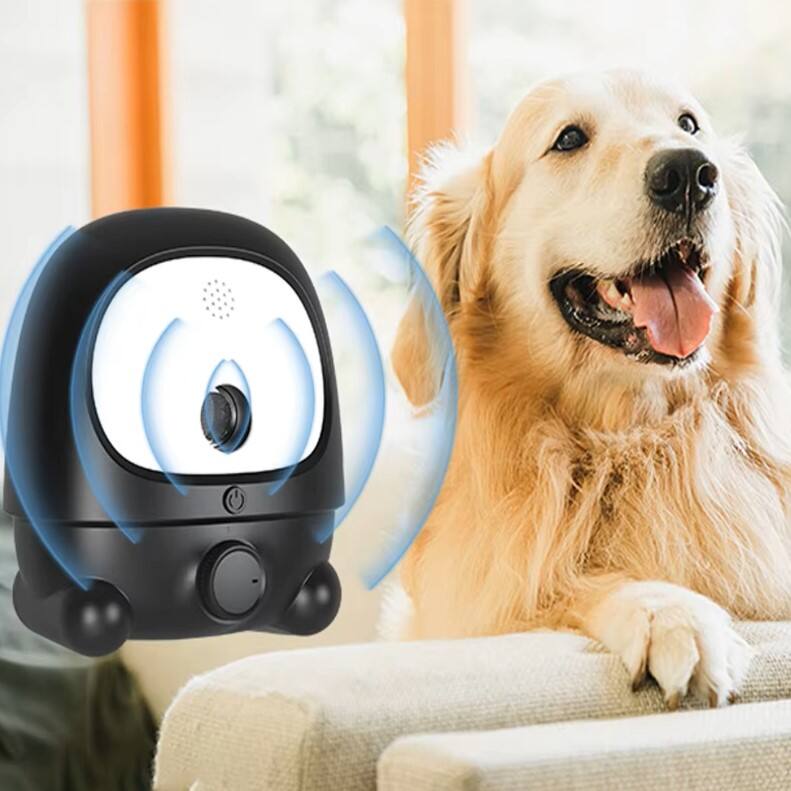
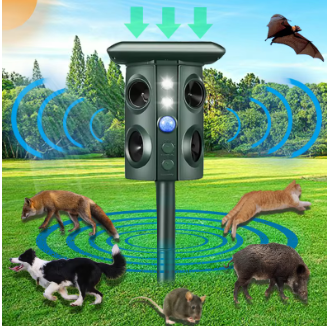
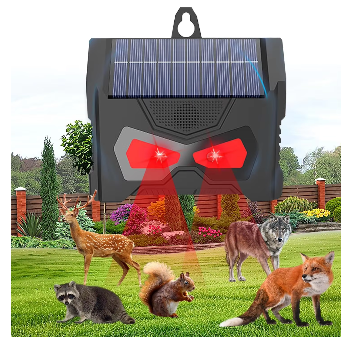
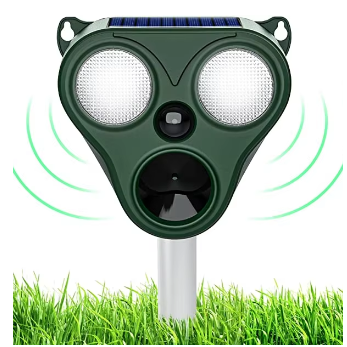
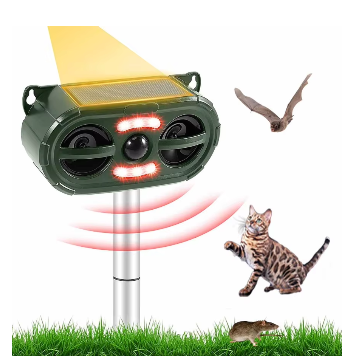
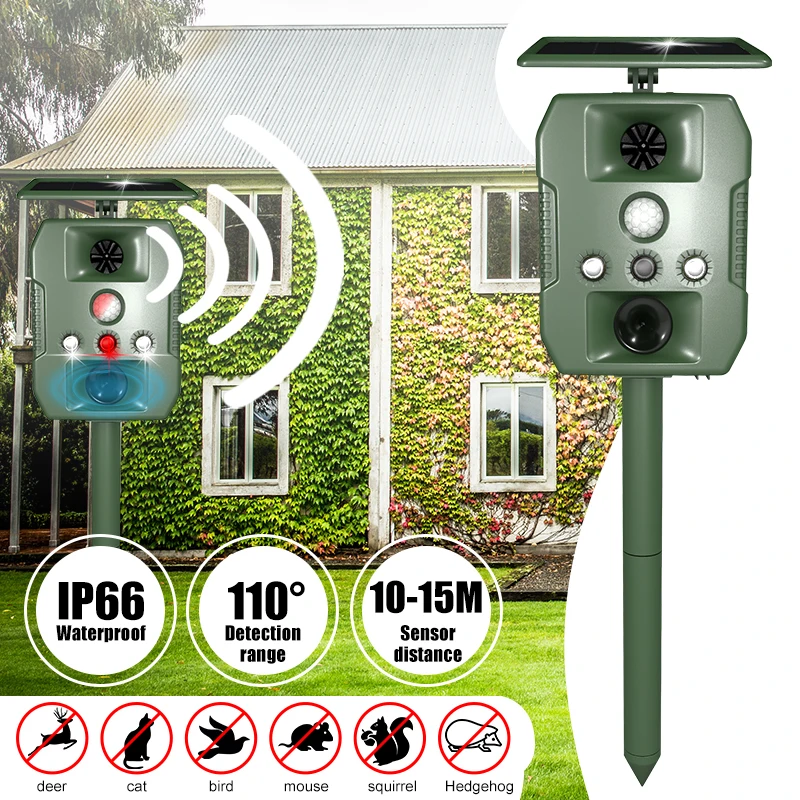
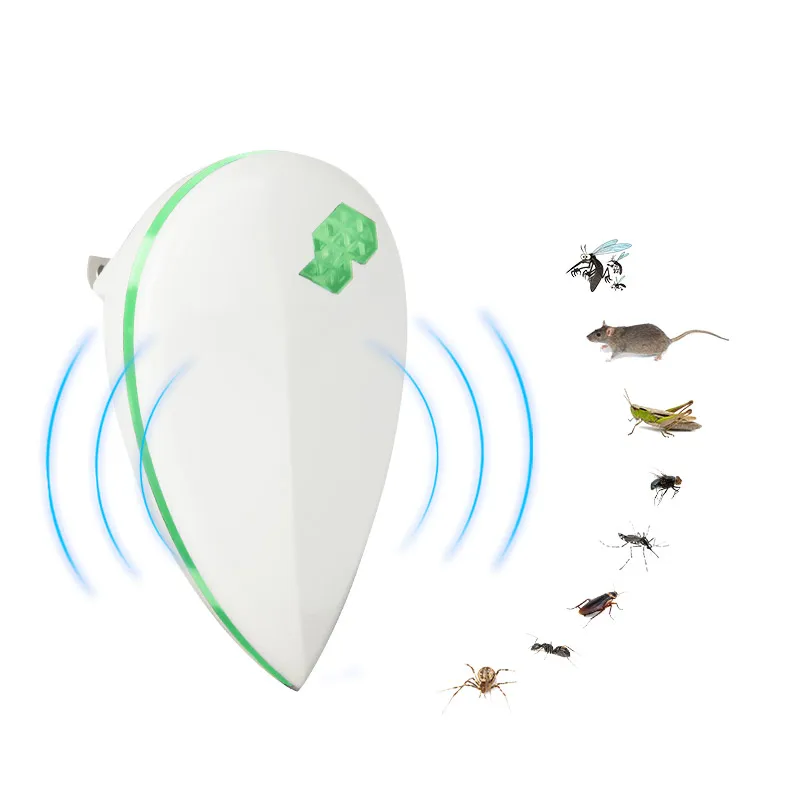
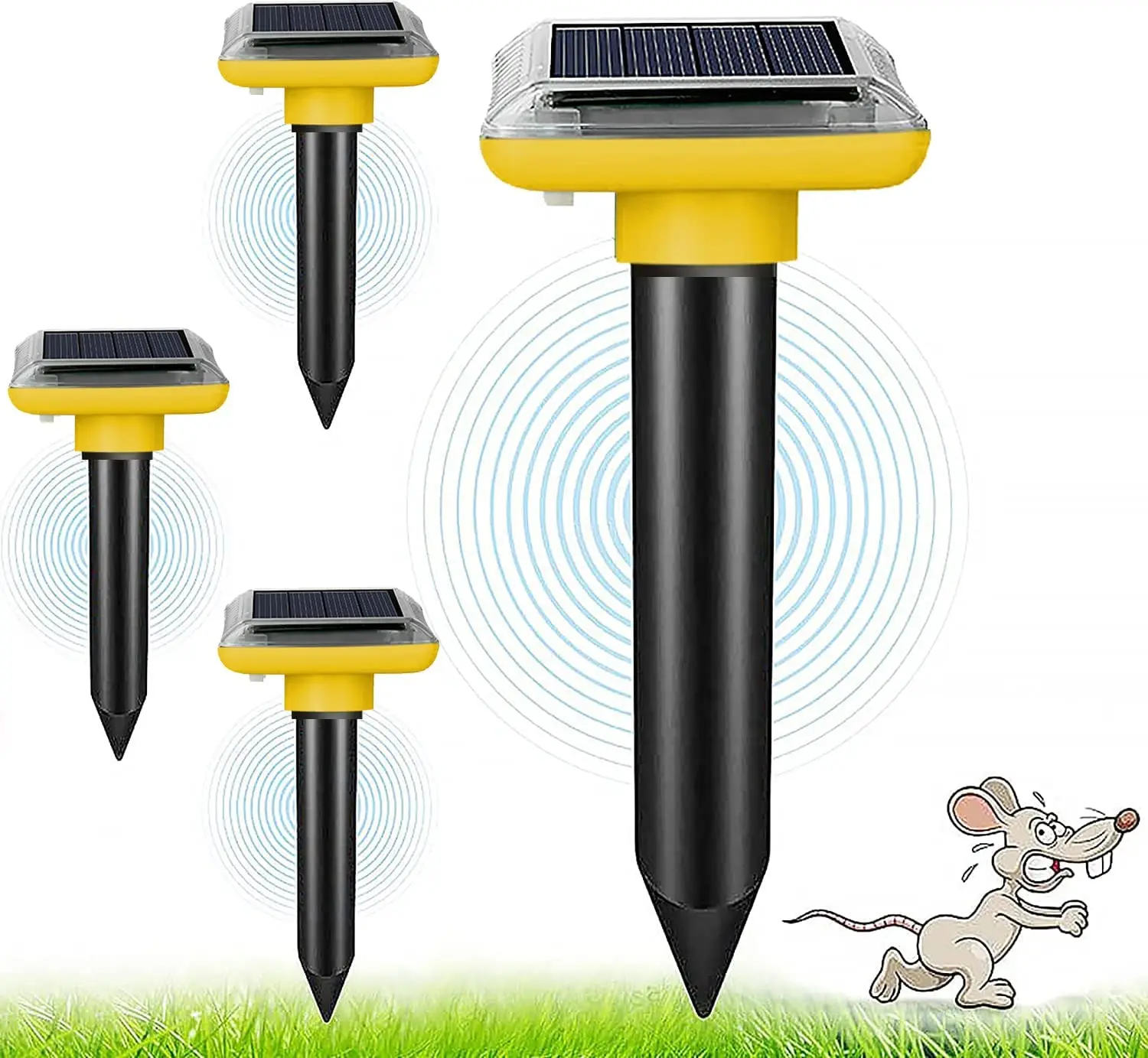
The outdoor ultrasonic rodent repeller represents a revolutionary approach to pest control, utilizing advanced sound wave technology to create an inhospitable environment for rodents without harming them or the surrounding ecosystem. This innovative device operates by emitting high-frequency ultrasonic waves that remain inaudible to humans and most pets, yet prove extremely disturbing to rodents such as rats, mice, squirrels, and other small mammals. The outdoor ultrasonic rodent repeller features weather-resistant construction designed to withstand harsh environmental conditions including rain, snow, wind, and extreme temperatures. Modern units incorporate multiple frequency settings that automatically cycle through different ultrasonic ranges, preventing rodents from becoming accustomed to a single frequency pattern. The device typically covers substantial outdoor areas, with effective ranges extending from 1000 to 6000 square feet depending on the model and environmental factors. Solar-powered variants eliminate the need for electrical connections, making installation simple and cost-effective. The outdoor ultrasonic rodent repeller includes motion sensors that activate the device when movement is detected, conserving battery life while ensuring maximum effectiveness when pests are present. LED indicators provide visual confirmation of operation status and battery levels. Many models feature adjustable sensitivity controls allowing users to customize detection ranges based on specific property requirements. The technology proves particularly effective in gardens, yards, farms, warehouses, parking lots, and commercial properties where traditional pest control methods may be impractical or environmentally concerning. Installation requires minimal technical expertise, typically involving simple mounting on posts, walls, or ground stakes. The outdoor ultrasonic rodent repeller operates continuously or in motion-activated modes, providing 24-hour protection against rodent intrusion while maintaining energy efficiency through smart power management systems.

New Products

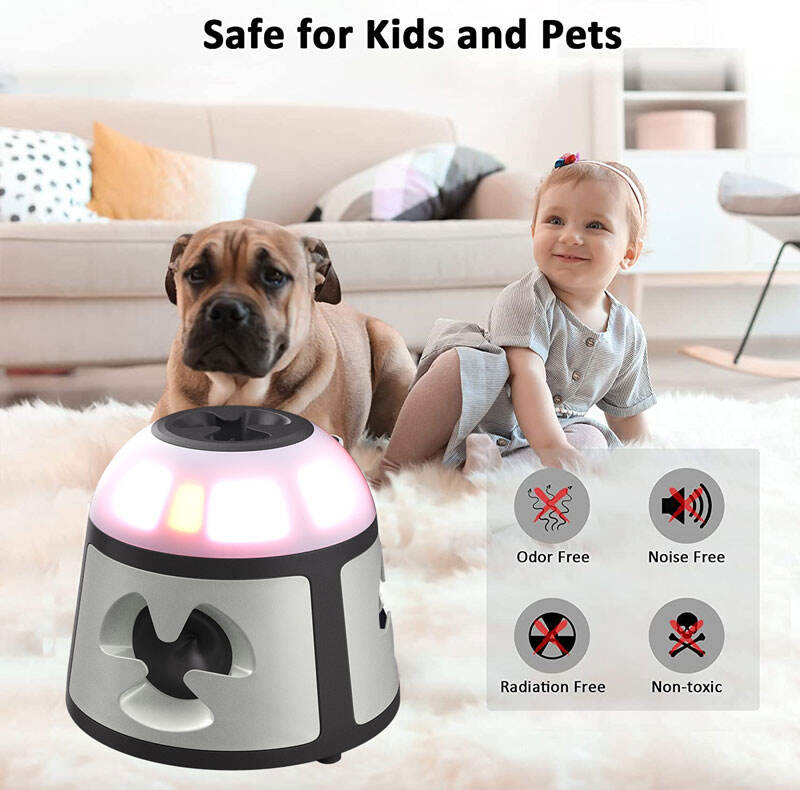
The outdoor ultrasonic rodent repeller delivers exceptional value through its environmentally friendly approach to pest management, eliminating the need for toxic chemicals, dangerous traps, or harmful poisons that can endanger children, pets, and beneficial wildlife. Property owners save significant money over time since the device requires no ongoing purchases of bait, replacement traps, or professional pest control services. The humane nature of ultrasonic technology means rodents are simply encouraged to relocate rather than being killed, satisfying ethical concerns while effectively solving pest problems. Installation proves remarkably straightforward, requiring no special tools, electrical knowledge, or professional assistance, making it accessible to homeowners of all skill levels. The weather-resistant design ensures reliable operation throughout all seasons, from scorching summer heat to freezing winter conditions, providing consistent protection year-round. Solar-powered models offer complete independence from electrical systems, reducing operating costs to zero while supporting sustainable living practices. The outdoor ultrasonic rodent repeller operates silently from a human perspective, creating no noise pollution or disturbance to daily activities, unlike traditional methods that may involve loud snap traps or noisy mechanical devices. Maintenance requirements remain minimal, typically involving only occasional cleaning and battery checks, freeing users from time-consuming upkeep routines. The device covers large areas efficiently, protecting entire properties with a single unit in many cases, offering superior cost-effectiveness compared to multiple traditional control methods. Safety advantages include elimination of accidental poisoning risks, injury hazards from mechanical traps, and exposure to disease-carrying dead rodents. The technology adapts automatically to different pest behaviors through frequency variation, maintaining effectiveness even as local rodent populations attempt to adjust to the deterrent signals, ensuring long-term protection without requiring user intervention or strategy modifications.

Practical Tips

The Ultimate Test: Real-Life Performance of Anti Bark Devices

20

May

The Ultimate Test: Real-Life Performance of Anti Bark Devices

Introduction to Anti Bark Device Testing

Understanding the Purpose of Anti Bark Devices

Anti bark devices play a pivotal role in curbing excessive barking through innovative methods such as ultrasonic sound and vibration. These devices are tailored to enhance the peace and comfort of dog owners and their communities by reducing noise pollution. By using a dog barking deterrent, pet owners can achieve a more serene home environment and promote better relations with their neighbors. Additionally, these tools can serve as an integral part of a dog's training regimen, reinforcing behavior modification over time. By encouraging a quieter atmosphere, these anti barking dog devices not only address noise issues but also help dogs transition to calmer behavior naturally.

Importance of Real-World Performance Evaluation

Evaluating the real-world performance of anti barking dog devices is essential for understanding their effectiveness in daily environments. Unlike controlled testing, real-world evaluations highlight how user-friendly and adaptable these devices are in diverse scenarios. An effective anti-barking device must function seamlessly across various settings, offering practical solutions for dog behavioral issues. Such assessments are crucial as they provide insights into product strengths and potential areas for improvement. By focusing on real-world efficacy, manufacturers can enhance product reliability, ensuring that these devices are recognized as the best anti dog barking devices for maintaining peace and harmony in different environments.

Methodology for Real-Life Performance Evaluation

Testing Environments: Indoor vs. Outdoor Scenarios

When assessing anti bark devices in real-world settings, the environments play a critical role. Indoor testing allows us to see how these devices respond to barking caused by environmental distractions like visitors or household noises. It focuses on the device's sensitivity and effectiveness in a relatively controlled environment. On the other hand, outdoor testing introduces variables such as background noise and varied distractions, providing a comprehensive view of device functionality in real-world conditions. This dual approach enables a better understanding of situational effectiveness and highlights the potential need for devices to have adjustable sensitivity settings for varied environments.

Data Collection: Noise Reduction Metrics

To understand an anti barking device's effectiveness, it's crucial to collect quantitative data on noise levels and barking frequency before and after using the device. Metrics such as decibel levels and the frequency of barking incidents offer concrete evidence of how well these devices reduce noise. This systematic data collection is invaluable not only for evaluating current technologies but also for guiding manufacturers in improving device design and technology. In essence, noise reduction metrics form the backbone of meaningful product improvement in creating effective dog barking deterrents.

Participant Selection: Diverse Dog Breeds and Sizes

Diverse participant selection is key to truly understanding an anti barking device's effectiveness. Testing across a variety of dog breeds and sizes helps determine how these devices cater to different canine sensitivities and behaviors. Analyzing results from a diverse demographic exposes the product's strengths and limitations, providing insights into how well it meets the needs of a broad user base. By encouraging inclusivity in testing strategies, we can ensure that anti barking solutions are effective for a wider range of dog owners, ultimately benefiting more pets and their owners alike.

Key Factors Affecting Anti Bark Device Effectiveness

Environmental Noise Interference

Environmental noise plays a significant role in the effectiveness of dog barking deterrents. Devices may not perform well in loud surroundings, as background noise can interfere with the deterrent's signals. To address this, conducting tests in various settings allows us to identify which devices excel at minimizing barking amidst distractions. Such insights can help dog owners make practical choices for environments with high noise levels, such as urban areas or busy households. Understanding these interactions also aids manufacturers in refining product design and marketing strategies tailored to noisy environments, thus improving the overall performance of anti-barking devices.

Dog Size and Sensitivity to Ultrasonic Deterrents

The effectiveness of ultrasonic deterrents can vary significantly based on the size and sensitivity of the dog. Smaller dogs might react differently than larger breeds, impacting device efficacy. It's crucial to observe how varying breeds respond to ultrasonic signals to ensure that anti-bark devices serve as effective training tools. Customizing devices to suit different breed sensitivities will not only guide owners in choosing the right product for their pet but also enhance the overall satisfaction with the device. This attention to size and sensitivity ensures that these tools cater to all dogs, ensuring effective and humane deterrence across diverse breeds.

Battery Life and Durability in Harsh Conditions

Assessing the durability and battery life of anti-barking devices under harsh conditions is essential for real-world applicability. Devices exposed to outdoor elements, such as rain or extreme temperatures, must maintain reliable functionality to ensure they are beneficial in everyday dog training. Providing evidence of a device's resilience not only enhances customer trust but also promotes its long-term usability for dog owners. Insights derived from these evaluations will guide future designs, focusing on efficiency and sustainability, thereby offering dog owners more dependable and enduring solutions for managing excessive barking, no matter the weather or environmental conditions.

Real-Life Case Studies: Successes and Challenges

Urban Apartment: Managing Small Breed Barking

In urban apartments, small breed dogs often bark due to confined spaces and close proximity to other tenants. Case studies have shown that using dog barking deterrents in such environments can be effective in curbing excessive barking. Many users report a noticeable reduction in disturbances, as the devices help keep barking at bay in tight quarters. However, challenges arise in ensuring consistent results, as different dogs may react differently depending on their personal behavior and the specific layout of their living environment. To address these challenges, owners must consider tailoring approaches depending on the unique dynamics of their home setup.

Suburban Backyard: Addressing Territorial Behavior

Dog bark deterrents are often tested in suburban backyards where dogs exhibit barking primarily due to territorial instinct. In these open areas, successful use of anti-barking devices hinges on proper placement and settings. Case studies offer valuable insights, with suggestions for optimal positioning of devices to counteract perceived threats, such as neighboring animals or passing strangers. However, challenges include dealing with environmental distractions like passing cars or wildlife that could trigger barking, as well as breed-specific territorial behaviors, making tailored adjustments necessary for effective control.

Multi-Dog Households: Overcoming Desensitization

Multi-dog households introduce a unique challenge of desensitization where dogs might become accustomed to the anti-barking signal, reducing device effectiveness. According to case studies, tackling this issue often involves implementing multiple deterrents simultaneously or combining them with traditional training methods. Effective interventions require careful consideration of interaction between devices and dogs. Real-life examples underscore the importance of varied approaches, shedding light on how combining devices with positive reinforcement techniques can lead to improved behavioral outcomes among multiple dogs, thus offering strategic insights for future users.

FAQs on Anti Bark Device Performance

How Quickly Do Anti Bark Devices Show Results?

The timeline for seeing results from anti-bark devices often varies. This is influenced by factors such as a dog's unique behavior patterns and the specific device type used. Commonly, some users report changes within a few days, while others may observe gradual improvements over weeks. Expert analyses, like those observed by pet behaviorists, suggest that consistent use and adherence to recommended usage guidelines enhance efficacy over time. It's important to remind users that patience is essential, as results might not be instantaneous. Consistent usage, along with other complementary training methods, can significantly aid in achieving desired outcomes.

Are These Devices Safe for Puppies and Senior Dogs?

Most anti-bark devices are generally safe for puppies and senior dogs when used according to instructions. Research indicates that ultrasonic or vibration technologies, which are non-invasive, minimize risks and ensure safety across various ages of dogs. However, never underestimate the importance of consulting a veterinarian to get specialized recommendations tailored to a pet's specific health conditions. This ensures that the chosen device aligns safely with the dog’s developmental and health needs. Veterinarians can provide guidance on the best practices to employ these devices effectively while maintaining pet safety.

Can Anti Bark Devices Work in Noisy Neighborhoods?

Anti-bark devices can be effective in noisy neighborhoods, although their success largely depends on the device's sensitivity and the surrounding noise levels. While ultrasonic dog bark deterrent devices are generally designed to target the frequency range specific to dog barks, excessively noisy environments might occasionally interfere with their efficiency. Expert studies highlight the importance of considering noise thresholds when choosing a suitable device for such settings. Practical advice includes selecting devices with customizable settings that enhance their performance in various environmental conditions, ensuring even noisy neighborhoods don't impede their efficacy fully.

View More
The Importance of Positive Reinforcement with Anti Bark Devices

13

Jun

The Importance of Positive Reinforcement with Anti Bark Devices

Understanding Positive Reinforcement in Anti-Bark Training

The Science Behind Positive Reinforcement

Positive reinforcement is a core concept in behavioral training, where the use of rewards are employed to shape the behavior of an animal. It is a well-known fact that dogs respond to positive reinforcement training vs correction based methods; studies prove dogs do better with positive intervention. When dogs are given a reward, such as a treat or word of praise, their brains release dopamine, a neurotransmitter associated with pleasure and motivation, which promotes learning and retention, according to research published in the top veterinary journals. This neurochemical surge cements the action in the dog’s mind and builds trust and confidence between dog and handler. Also, the approach is based on the work on B.F. Skinner's operant conditioning, which suggests that a behaviour may be more likely to occur if it is rewarded instead of being punished, thereby reducing anxiety and aggression.

How Anti-Bark Devices Complement Behavioral Training

Ultrasonic tune-up is also found to be effective in increasing the efficiency of anti-bark collars. Such technology can be effective since it offers immediate feedback, so dogs can make the appropriate direct associations between barking and the repercussions. When the feedback is combined with reward, dogs learn to associate quiet with desirable consequences, and this makes training even more effective. Studies on pet behavior show that anti-bark devices combined with positive reinforcement training can reduce the likelihood of excessive barking as they achieve the disconnection between the owner and the hearing of the bark. Balances training technique developed between science and natureIt's a very effective, yet completely all natural method of dog training; also, a method of the dog training based on a strong relationship and clear communicationYou can regain confidence in your ability to handle your dog and enjoy him again.

Why Punishment-Based Methods Fail with Barking

The Downside of Shock Collars and Citronella Sprays

Punishment methods (shock/vibration) can worsen a dog’s behavior. That’s the problem with all these tools; they are more likely to ratchet a dog’s anxiety and/or aggression upwards than down, and defeat the purpose of behavior modification in the first place. Research shows long-term behavioural issues for dogs that have been shocked, with experts now issuing warnings against their use. Dogs who have experienced such punishment are often fearful and may lose trust in their owners. Rather than reduce barking, these approaches may have the opposite effect and ultimately degrade the dog's mental health.

Long-Term Risks of Aversive Training Techniques

Inhibitive training methods can develop a cycle of fear and anxiety which leads to barking as an escape mechanism. What experts say: Positive reinforcement is more effective overall than these tactics, experts say. Meta-analyses have shown that dogs trained with positive reinforcement methods are better behaved across a variety of situations. The findings highlight the importance of using positive training techniques to influence more consistent behavioural gains, for a healthier relationship between dogs and their pet parents. Conversely, aversive techniques can lead to persistent stress and behavior problems.

Adopting a positive reinforcement strategy while integrating anti-bark devices can complement training, ensuring both behavioral correction and emotional well-being.

Integrating Anti-Bark Devices with Positive Reinforcement

Timing Rewards After Ultrasonic Corrections

The timing of rewards following ultrasonic corrections is crucial to the process of reinforcing good behavior in the dogs. Research shows that the ideal interval between Ceasing barking and delivering a treat is approximately 1-2 seconds, and enabling the dog to learn in this manner will allow the trainer to achieve the maximum effect of the dog understanding that when the dog stops barking, it will be rewarded. This is a great way for the dog to understand exactly what is being rewarded not something else.

Balancing Device Use with Verbal Praise

Adding a dose of verbal praise to your experience with anti barking devices is a great way to reinforce positive behavior! Trainers who know say that verballing up their praise with a device can make a big difference to a dog’s motivation. This 2-sided method not only paves the way for good behaviour but is more FUN! By letting dogs know they are doing it right-when dogs are doing what we want; they are more likely to try harder- rather than feeling discouraged, motivates more consistent balance and support in dog training.

Building Trust Through Consistent Reinforcement

Consistency of giving the rewards is so important to building trust between the pet and pet parent in a safe and effective training environment. Setting a reinforcement schedule for a Dog to a specific routine helps them to anticipate the expected acts and rewards. The trust that is built this way in the long term strengthens the bond between the dog and the person, therefore making the dog more likely to respond to the commands and comply to training with ease. And with that reliability, comes a training method that is not only EFFICIENT but extremely BONDING for both the dog and the trainer.

Common Mistakes to Avoid When Using Anti-Bark Tools

Overusing the Device: Signs of Confusion or Fear

Using these products too much can confuse your dog, and their response may not be sufficient for stopping the behaviour. You’ll see signs of confusion or fear in your pets; they may do something like cower too much or be overly submissive. Owners need to think and watch critically for signs of what their pets are thinking or feeling. Furthermore, blissful ignorance and lowered barking do not equal emotional health and smoothened out behavior when E-collars are mistaken for a training tool. For successful use this needs balancing with other training methods so the dog learns what we expect if them rather than just to stop barking.

Ignoring Underlying Causes of Excessive Barking

Effective training requires identifying the triggers that spark true barking, such as separation anxiety. If these root causes aren’t managed, anti-bark devices may not work, and the undesired behavior continues. Behavioral evaluations performed by professionals can reveal hidden triggers, including fear, or environmental stressors that must be addressed in addition to using gadgets. This 360 degree method will allow owners to customize their techniques to their pets, leading to lasting results. Then, by looking at the underlying causes of barking rather than the symptoms, owners create a more appropriate training approach and a well balanced dog.

截屏2025-05-20 17.40.22.png

Case Studies: Success Stories with Combined Approaches

Reducing Separation Anxiety-Driven Barking

Positive Training And Anti-Bark Device And Unruly Barking Dogs The pairing of an anti-bark device and positive training can make short work of the barking reign of terror. Some of the case studies showed an impressive progress: the frequency of barking could decrease when dogs mastered a new emotional regulation (accessed in a reward system). For example, with dogs that have been trained with treats or praise after being calm, they sometimes will experience less anxiety and be quieter when we go out. Such mixed or integrated approach can produce behavior change, they point out, focusing on these types of accounts as exemplars in promoting integrated approaches that are both more humane and effective.

Training Calm Greetings in High-Energy Breeds

High energy dogs bring a whole different set of challenges when it comes to over excitement barking. However, the success stories are there that major results can be seen from the few seconds of training combined with other methods. Positive reinforcement in the form of treats, or for some dogs, a toy is an important tool during sessions to help redirect your dogs energy to develop calmer greetings. Most owners note a significant reduction in excitable barking, with trainers saying these types of approaches help a dog be calmer and remain steady hmmstered better than anything else. Information gathered from different Instructors also says that the structured approach has indeed been assisting in creating stable behavior in active breeds and even enhances the relationship between pets and their surroundings.

FAQs About Positive Reinforcement and Anti-Bark Devices

Can Devices Replace Traditional Training?

Tools should never be seen as a replacement for historical methods, but as a support to training. Experts say fundamental training, like positive reinforcement, is still necessary for anti-bark gadgets to be most effective. The traditional methods give a guideline for the behavior excepted and a stronger bond between the owner and the pet. "If we merge that into modern devices, we might be able to paint a more holistic picture of training a dog, where you can give immediate feedback to the animal and hopefully reinforce those behaviour patterns in the long term.

How to Handle Relapses in Barking Behavior

Backslides in barking may happen, and you will have to work to maintain the control. Owners should be reintroducing the use of positive reinforcement, and going back to the basic training that originally set such a good example of behavior. It may also be wise to seek advice from a health care professional if relapses continue. An analysis of real life studies of successful relapse prevention can give us a clue about successful means of reinforcement of such a behavior’s decay in the behavior of our animals.

View More
What Are the Advantages of Mouse Repellers for Eco-Friendly Pest Control?

15

Aug

What Are the Advantages of Mouse Repellers for Eco-Friendly Pest Control?

What Are the Advantages of Mouse Repellers for Eco-Friendly Pest Control?

Rodent infestations are among the most common and frustrating problems faced by homeowners, farmers, and businesses alike. Mice are small but highly destructive, capable of damaging property, contaminating food, and spreading disease. Traditional control methods often involve toxic poisons, lethal traps, and chemical deterrents. While these may work, they can also harm non-target animals, endanger pets, and pollute the environment.

For those seeking a safer and more sustainable alternative, Animal Repellers — specifically mouse repellers — offer an eco-friendly solution. Using advanced technology to deter rodents without harming them, these devices are quickly becoming a preferred option for households and eco-conscious pest control professionals.

This article examines the key advantages of using mouse repellers as part of a sustainable pest management strategy, explaining how they work, why they are effective, and how they fit into broader environmental goals.

Understanding Animal Repellers for Rodent Control

Animal Repellers are devices that discourage pests from entering or remaining in a given area. Mouse repellers are a specific type of Animal Repeller designed to target rodents such as mice and rats. They typically work by emitting ultrasonic sound waves, electromagnetic pulses, vibrations, or even light patterns that are unpleasant or disorienting to rodents but harmless to humans and most pets.

Unlike traps or poisons, mouse repellers do not aim to kill the rodents. Instead, they make the environment uncomfortable for them, prompting the animals to leave voluntarily and seek shelter elsewhere.

How Mouse Repellers Work

Mouse repellers employ various deterrence methods, each with its own strengths:

  • Ultrasonic Technology: Emits high-frequency sound waves above the range of human hearing, causing discomfort and confusion in rodents.

  • Electromagnetic Pulses: Alters the electromagnetic field within walls, disrupting rodent communication and navigation.

  • Vibration-Based Repellers: Create subtle ground vibrations that simulate the presence of predators or disturbances.

  • Combined Systems: Use multiple deterrent types together for increased effectiveness.

These approaches are non-lethal and avoid direct confrontation, making them suitable for homes, offices, warehouses, barns, and even outdoor garden areas.

Advantages of Mouse Repellers for Eco-Friendly Pest Control

1. Humane and Non-Lethal

One of the primary benefits of mouse repellers is their humane approach. Rather than killing rodents, they drive them away through discomfort. This approach is better aligned with ethical wildlife management, as it avoids unnecessary suffering and preserves the natural balance of ecosystems.

2. No Harmful Chemicals

Traditional rodenticides can cause secondary poisoning, where predators such as owls, hawks, or domestic pets ingest poisoned rodents and become sick or die. By contrast, Animal Repellers for mice rely on physical or sensory deterrents without introducing toxins into the environment.

This is particularly important in agricultural or food-handling environments, where chemical contamination poses health and regulatory risks.

3. Safe for Children and Pets

Because mouse repellers do not use poison or snap traps, they are safe to use in households with young children or pets. Most ultrasonic and electromagnetic devices are designed so that the frequencies used are not audible or harmful to dogs, cats, and other domestic animals.

What Are the Advantages of Mouse Repellers for Eco-Friendly Pest Control?

4. Continuous Protection

Once installed, a mouse repeller operates around the clock, providing constant protection without the need to reset traps or replace bait. Many models are energy-efficient and require minimal maintenance, making them cost-effective over time.

5. Preventative Action

Unlike traps, which only address rodents already inside, mouse repellers work as a preventative measure by discouraging rodents from entering in the first place. This proactive approach helps avoid infestations before they can start.

6. Versatility of Use

Animal Repellers for rodents can be placed in multiple environments — from residential kitchens and attics to commercial storage facilities, barns, and outdoor sheds. Weather-resistant models are suitable for gardens and outdoor storage areas where rodents are common.

7. Reduced Need for Professional Intervention

While pest control companies offer valuable services, regular treatments can be costly. Installing mouse repellers can reduce reliance on frequent professional visits, especially for minor or seasonal rodent problems.

8. Eco-Friendly Pest Management

Using mouse repellers supports a broader eco-friendly pest control strategy. They align with Integrated Pest Management (IPM) principles, which emphasize prevention, monitoring, and control methods that minimize risks to people and the environment.

9. Minimal Cleanup Required

With traditional traps or poisons, dead rodents must be removed and disposed of, which can be unpleasant and unsanitary. Mouse repellers avoid this issue entirely by preventing rodent deaths in the first place.

Limitations and How to Overcome Them

While mouse repellers have many advantages, they are not a one-size-fits-all solution. Some rodents may initially tolerate the devices, particularly if food sources are abundant. Effectiveness can vary depending on placement, frequency settings, and the severity of the infestation.

To maximize success:

  • Use repellers as part of a comprehensive pest management plan.

  • Eliminate food and water sources that attract rodents.

  • Seal gaps and entry points in walls, doors, and foundations.

  • Adjust device placement to target known rodent pathways.

Key Features to Look for in a Mouse Repeller

When selecting an Animal Repeller for mice, consider the following features:

  • Adjustable Frequency: Allows customization to target different rodent species.

  • Coverage Area: Ensure the device can cover the entire room or building section.

  • Power Source: Options include plug-in, battery, or solar-powered units.

  • Portability: Lightweight designs make it easy to move the device to problem areas.

  • Weather Resistance: For outdoor use, choose models designed to withstand rain, sun, and temperature changes.

  • Multi-Mode Operation: Combining ultrasonic, vibration, and light deterrents often increases effectiveness.

Integrating Mouse Repellers into a Sustainable Pest Control Plan

Mouse repellers work best when combined with good hygiene practices and exclusion techniques. This includes:

  • Storing food in sealed containers.

  • Regularly cleaning areas where crumbs or waste may accumulate.

  • Keeping outdoor spaces tidy to reduce nesting sites.

  • Inspecting and maintaining buildings to prevent new entry points.

By integrating these methods, property owners can create a long-term, eco-friendly defense against rodents without resorting to harmful chemicals.

Environmental Benefits of Animal Repellers

Using Animal Repellers for rodent control contributes to environmental preservation in several ways:

  • Reducing chemical pollution in soil and water.

  • Preventing accidental poisoning of non-target species.

  • Supporting biodiversity by avoiding the mass killing of wildlife.

  • Lowering the carbon footprint compared to manufacturing, transporting, and disposing of chemical pest control products.

Future Innovations in Mouse Repeller Technology

As demand for safe and eco-friendly pest control grows, manufacturers are developing more advanced Animal Repellers. Potential future features include:

  • AI-Based Detection: Identifying rodent species and adapting frequency automatically.

  • Smart Connectivity: Mobile apps to monitor device performance and rodent activity.

  • Energy Storage Integration: Combining solar panels with rechargeable batteries for off-grid use.

  • Targeted Multi-Species Repelling: Configurations that adjust settings to deter not only mice but also other common pests without affecting beneficial wildlife.

Conclusion

Mouse repellers represent a significant step forward in eco-friendly pest control. As a category of Animal Repellers, they provide a humane, non-toxic, and continuous deterrent against rodents, reducing the risks associated with traditional poisons and traps. By preventing infestations before they begin, these devices save time, reduce costs, and help protect the environment.

For households, farms, and businesses that want to align with sustainable practices, mouse repellers are an excellent investment. When combined with sound hygiene, structural maintenance, and other Integrated Pest Management strategies, they offer a comprehensive and eco-conscious approach to keeping properties rodent-free.

As technology advances, Animal Repellers will continue to become more efficient, customizable, and user-friendly, further enhancing their role in protecting both property and the planet.

FAQ

Do mouse repellers work instantly?

Results vary, but many users notice reduced rodent activity within a few days to two weeks as the animals leave the treated area.

Will mouse repellers affect my pets?

Most are safe for cats, dogs, and larger animals, but always check the manufacturer’s guidelines before use.

Can I use mouse repellers outdoors?

Yes, but choose weatherproof models designed for outdoor use to ensure durability.

Do I need multiple devices for larger spaces?

For best results in large or multi-room buildings, place a repeller in each affected area.

Are mouse repellers energy-efficient?

Most modern units consume very little power, and solar-powered models offer an even greener option.

View More
What Features Make Animal Repeller Protecting Gardens?

15

Aug

What Features Make Animal Repeller Protecting Gardens?

What Features Make Animal Repeller Protecting Gardens?

Gardens are a source of beauty, food, and personal satisfaction, but they are also magnets for uninvited guests. From deer and rabbits to raccoons, birds, and stray cats, wildlife can quickly turn a thriving garden into a damaged mess. Traditional deterrent methods — like fencing, scarecrows, and chemical sprays — have varying levels of success. However, the introduction of modern Animal Repeller technology has changed the way gardeners protect their plants.

An Animal Repeller is designed to deter animals without harming them, using features such as motion detection, sound, light, or scent to keep unwanted visitors away. For gardeners, understanding the essential features of an Animal Repeller can make the difference between a flourishing landscape and constant battles with wildlife.

This article explores the core features that make an Animal Repeller effective for protecting gardens, the benefits of each, and how to choose the right device for your needs.

Why Use an Animal Repeller for Garden Protection?

An Animal Repeller offers a humane, non-toxic, and often maintenance-friendly solution to keeping pests away. Unlike chemical deterrents, which can wash away after rain, or physical barriers that can be costly and obstructive, these devices offer continuous, automated protection.

They are especially valuable for gardeners who:

  • Want to protect fruits, vegetables, and flowers without pesticides.

  • Live near wooded areas or open fields with abundant wildlife.

  • Need a flexible deterrent that can be moved or adjusted easily.

  • Prefer an eco-friendly solution that doesn’t harm animals.

Key Features That Make an Animal Repeller Effective

1. Motion Detection Sensors

The heart of many modern Animal Repeller devices is a motion detection system. Using infrared (PIR) sensors, these devices detect the heat and movement of animals entering a protected zone.

Benefits for gardens:

  • Immediate Activation: The repeller only activates when an animal enters the detection range, conserving power and reducing unnecessary disturbances.

  • Customizable Sensitivity: Adjustable settings allow gardeners to fine-tune the sensor to detect larger animals like deer while ignoring smaller, harmless creatures such as squirrels.

  • Energy Efficiency: Motion-triggered operation reduces constant energy consumption, making the device more cost-effective.

2. Adjustable Frequency and Sound Emission

Many Animal Repeller devices use ultrasonic sound waves — high-frequency noises beyond the range of human hearing — to deter animals. Some also use audible alarms for maximum impact.

Benefits for gardens:

  • Target-Specific Deterrence: Different animals respond to different frequencies. Adjustable settings let gardeners target specific pests without affecting pets or beneficial wildlife.

  • Non-Intrusive to Humans: Ultrasonic waves are typically silent to humans, allowing the garden to remain a peaceful place.

  • Multiple Modes: Combining ultrasonic and audible sound can enhance effectiveness, especially against persistent animals.

What Features Make Animal Repeller Protecting Gardens?

3. Flashing Lights or Strobe Effects

Some animals are startled by sudden flashes of light. Advanced Animal Repeller models include LED strobe lights that activate with motion detection.

Benefits for gardens:

  • Nighttime Protection: Flashing lights work well in low-light conditions, deterring nocturnal animals like raccoons, skunks, and opossums.

  • Multi-Sensory Impact: When combined with sound, light enhances the startle effect, increasing the likelihood that animals will avoid the area.

4. Water Spray Mechanism

Water-based Animal Repeller devices use a burst of water to surprise animals.

Benefits for gardens:

  • Safe and Humane: Water startles without harming.

  • Physical Barrier Effect: Some animals, especially cats and dogs, quickly associate the area with an unpleasant experience.

  • Low Maintenance: Connects to a standard garden hose and operates automatically.

5. Solar Power Capability

Solar-powered Animal Repeller devices are increasingly popular due to their convenience and sustainability.

Benefits for gardens:

  • Energy Independence: No need to replace batteries or connect to mains electricity.

  • Environmentally Friendly: Uses renewable energy, reducing the device’s carbon footprint.

  • Low Operating Costs: Once installed, solar devices have minimal ongoing expenses.

6. Weather Resistance

An Animal Repeller designed for garden use must withstand outdoor conditions year-round.

Benefits for gardens:

  • Durability: Water-resistant casings protect internal components from rain, snow, and UV exposure.

  • Reliability: Operates in all weather conditions without performance drops.

7. Adjustable Range and Coverage Area

Every garden is different in size and layout. A good Animal Repeller should allow adjustment of its detection and deterrence range.

Benefits for gardens:

  • Custom Fit: Adapt coverage to specific areas such as vegetable patches, flower beds, or orchards.

  • Flexible Placement: Adjusting range helps avoid false triggers from roads, sidewalks, or neighboring yards.

8. Portability and Easy Installation

Gardeners benefit from devices that can be moved as needed.

Benefits for gardens:

  • Flexible Defense: Relocate the device to protect different areas seasonally.

  • Quick Setup: No complex wiring or construction required.

9. Multi-Deterrent Combination

Some of the most effective Animal Repeller devices combine several deterrent methods — for example, ultrasonic sound, flashing lights, and motion-triggered water spray.

Benefits for gardens:

  • Increased Effectiveness: Different animals are deterred by different stimuli.

  • Reduced Habituation: Animals are less likely to get used to a multi-faceted deterrent.

How These Features Work Together

The best Animal Repeller devices combine multiple features to create a layered defense system. For example, a motion sensor can trigger both a sound alarm and a flashing light, startling the animal and encouraging it to retreat. When combined with solar power and weather resistance, this creates a reliable, year-round protective system with minimal intervention.

Choosing the Right Animal Repeller for Your Garden

When selecting an Animal Repeller, consider:

  • Type of Animals: Different pests respond to different deterrents.

  • Garden Size: Larger areas may require multiple devices or extended range models.

  • Power Source: Choose between battery, solar, or wired models based on convenience.

  • Budget: More features often mean a higher price, but also greater effectiveness.

  • Local Climate: Ensure the device is suited for the weather conditions in your area.

Maintenance Tips for Long-Term Effectiveness

To keep an Animal Repeller functioning optimally:

  • Regularly clean sensors and lights.

  • Check power supply (battery or solar panel).

  • Inspect for weather-related damage.

  • Adjust sensitivity and frequency settings seasonally based on animal activity.

The Role of Animal Repellers in Sustainable Gardening

Animal Repeller devices contribute to sustainable gardening practices by reducing reliance on harmful chemicals, traps, or lethal methods. They help maintain a balance between protecting crops and respecting wildlife, which is essential for ecological health.

By using humane deterrents, gardeners can protect their harvest while coexisting peacefully with the local animal population.

Future Trends in Animal Repeller Technology

Looking ahead, new innovations are expected to make Animal Repeller devices even more effective:

  • AI-Based Detection: Identifying specific animal species to adjust deterrent type automatically.

  • Mobile App Control: Allowing gardeners to adjust settings remotely.

  • Energy-Optimized Systems: Combining solar with backup battery storage for continuous operation.

  • Eco-Friendly Materials: Devices built from recyclable and weather-resistant materials.

Conclusion

An effective Animal Repeller can transform garden protection from a constant struggle into a simple, automated process. The most important features — motion detection, adjustable frequency, multi-sensory deterrents, water spray mechanisms, solar power, weather resistance, adjustable coverage, portability, and combined deterrent methods — work together to keep unwanted wildlife away without harm.

By selecting the right combination of these features, gardeners can enjoy thriving plants and productive harvests without constant worry about animal damage. As technology advances, Animal Repeller devices will continue to become more efficient, customizable, and sustainable, making them a key tool in modern garden management.

FAQ

Do Animal Repellers harm wildlife?

No. Most devices are designed to deter animals without causing injury.

Will an Animal Repeller affect pets?

Some models may be heard by dogs and cats, so choose a frequency setting that is pet-safe.

Can Animal Repellers work in winter?

Yes, weather-resistant models are designed for year-round use, though solar-powered units may need extra charging in low-sunlight conditions.

How soon will I see results?

Many gardeners notice reduced animal activity within days, but persistent pests may require continuous deterrence.

Do I need multiple Animal Repellers for a large garden?

For larger properties, placing multiple devices at strategic points ensures full coverage and maximum effectiveness.

View More

Get a Free Quote

Our representative will contact you soon.
Email
Name
Company Name
What is the minimum order quantity you expect
Message
0/1000

outdoor ultrasonic rodent repeller

Advanced Frequency Cycling Technology Prevents Pest Adaptation

Advanced Frequency Cycling Technology Prevents Pest Adaptation

The outdoor ultrasonic rodent repeller incorporates sophisticated frequency cycling technology that represents a breakthrough in pest deterrent effectiveness. Traditional single-frequency devices often lose their impact over time as rodents become habituated to consistent sound patterns. However, modern outdoor ultrasonic rodent repeller units automatically rotate through multiple frequency ranges, typically spanning from 15kHz to 50kHz, creating an unpredictable sonic environment that prevents adaptation. This intelligent system operates on random or programmed cycles, ensuring that just as rodents begin adjusting to one frequency pattern, the device shifts to a completely different range, maintaining maximum deterrent impact. The technology monitors local pest activity levels and adjusts cycling speeds accordingly, intensifying frequency changes during periods of high rodent activity while conserving energy during quieter periods. Advanced models feature learning algorithms that analyze the effectiveness of different frequency combinations in specific environments, optimizing the cycling pattern for maximum local impact. This adaptive approach means the outdoor ultrasonic rodent repeller becomes more effective over time rather than less effective, as it fine-tunes its operation to local conditions and pest behaviors. The frequency cycling also addresses the challenge of covering different rodent species, as various pests respond most strongly to different ultrasonic ranges. Rats typically react most strongly to frequencies between 20-40kHz, while mice are more sensitive to ranges above 30kHz, and the cycling technology ensures all species receive adequate deterrent exposure. Professional-grade units include manual override capabilities allowing users to focus on specific frequency ranges if particular pest species are identified as primary concerns. The sophisticated electronics that enable this frequency cycling are housed in rugged, weatherproof enclosures designed to protect sensitive components from moisture, temperature extremes, and physical impacts while maintaining precise frequency control and timing accuracy essential for optimal performance.
Solar-Powered Independence with Smart Energy Management

Solar-Powered Independence with Smart Energy Management

The solar-powered outdoor ultrasonic rodent repeller delivers complete energy independence through advanced photovoltaic technology combined with intelligent power management systems that maximize operational efficiency while minimizing environmental impact. High-efficiency solar panels capture ambient light throughout the day, converting it into electrical energy stored in rechargeable battery systems designed for extended operation during cloudy periods or nighttime hours. The smart energy management system continuously monitors power consumption and solar input, automatically adjusting operational parameters to ensure consistent device function regardless of weather conditions. During periods of abundant sunlight, the outdoor ultrasonic rodent repeller operates at full capacity while simultaneously charging backup batteries to maximum levels. When solar input decreases due to cloudy weather or seasonal changes, the intelligent system reduces power consumption by optimizing ultrasonic pulse patterns, extending battery life without compromising deterrent effectiveness. Motion-activated modes further enhance energy efficiency by focusing ultrasonic output only when pest activity is detected, dramatically extending operational periods during low-solar conditions. The solar charging system includes overcharge protection preventing battery damage while under-voltage protection ensures the device automatically enters low-power mode before complete battery depletion occurs. LED indicators provide real-time feedback on solar charging status, battery levels, and operational modes, allowing users to monitor system performance and anticipate any necessary interventions. Installation flexibility increases dramatically with solar power capability, as the outdoor ultrasonic rodent repeller requires no electrical connections, permits placement in optimal locations for both pest control and solar exposure, and eliminates ongoing electricity costs. The environmental benefits extend beyond energy independence to include reduced carbon footprint through renewable energy use and elimination of disposable battery waste. Advanced models feature removable battery packs allowing indoor charging during extended cloudy periods, while maintaining weather-resistant integrity through precision-engineered sealing systems that protect electrical components from moisture intrusion while permitting necessary ventilation for optimal battery performance and component longevity.
All-Weather Durability with Professional-Grade Construction

All-Weather Durability with Professional-Grade Construction

The outdoor ultrasonic rodent repeller features professional-grade construction engineered to withstand extreme weather conditions while maintaining consistent performance throughout multiple seasons of continuous outdoor exposure. Rugged housing materials typically include UV-resistant polycarbonate or ABS plastic designed to prevent degradation from prolonged sun exposure, while specialized weatherproofing gaskets and seals protect internal electronics from moisture infiltration during heavy rain, snow, or high humidity conditions. The robust design undergoes rigorous testing to meet IP65 or higher waterproof ratings, ensuring complete protection against dust ingress and water jets from any direction. Temperature tolerance spans extreme ranges typically from -20°F to 140°F, accommodating harsh winter conditions and intense summer heat without performance degradation or component failure. Shock-resistant construction protects the outdoor ultrasonic rodent repeller from impacts caused by falling branches, hail, or accidental contact during yard maintenance activities. Corrosion-resistant hardware including stainless steel screws, aluminum mounting brackets, and galvanized components prevent rust and deterioration even in coastal environments with salt air exposure. The speaker components utilize marine-grade materials and waterproof membranes maintaining acoustic clarity and frequency accuracy despite moisture exposure. Internal component protection includes conformal coating on circuit boards providing additional moisture resistance while thermal management systems prevent overheating during extreme temperature conditions. Mounting systems accommodate various installation scenarios including ground stakes for garden placement, wall brackets for building attachment, and pole mounts for fence or post installation, all engineered for secure attachment that resists wind loading and vibration. The durable construction extends product lifespan significantly beyond indoor-only alternatives, providing years of reliable service with minimal maintenance requirements. Quality assurance testing includes accelerated weathering protocols simulating years of outdoor exposure in compressed timeframes, ensuring the outdoor ultrasonic rodent repeller maintains structural integrity and operational effectiveness throughout extended service periods. Warranty coverage typically extends multiple years, reflecting manufacturer confidence in construction quality and long-term reliability under challenging outdoor conditions that would quickly compromise lesser-built alternatives designed primarily for indoor or protected outdoor use only.

Get a Free Quote

Our representative will contact you soon.
Email
Name
Company Name
What is the minimum order quantity you expect
Message
0/1000