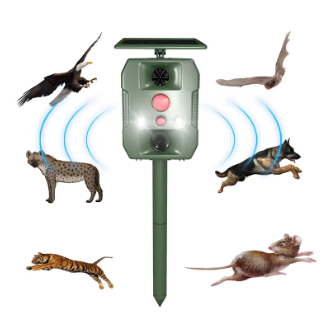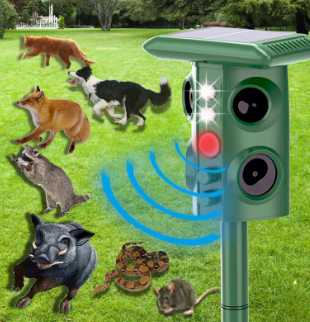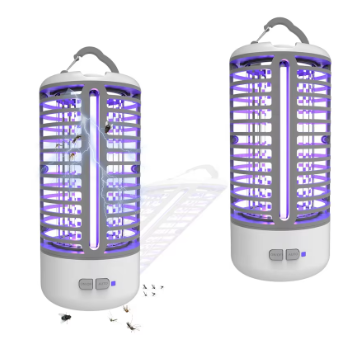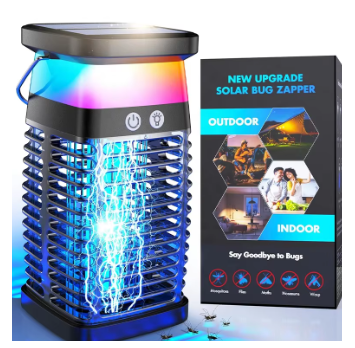
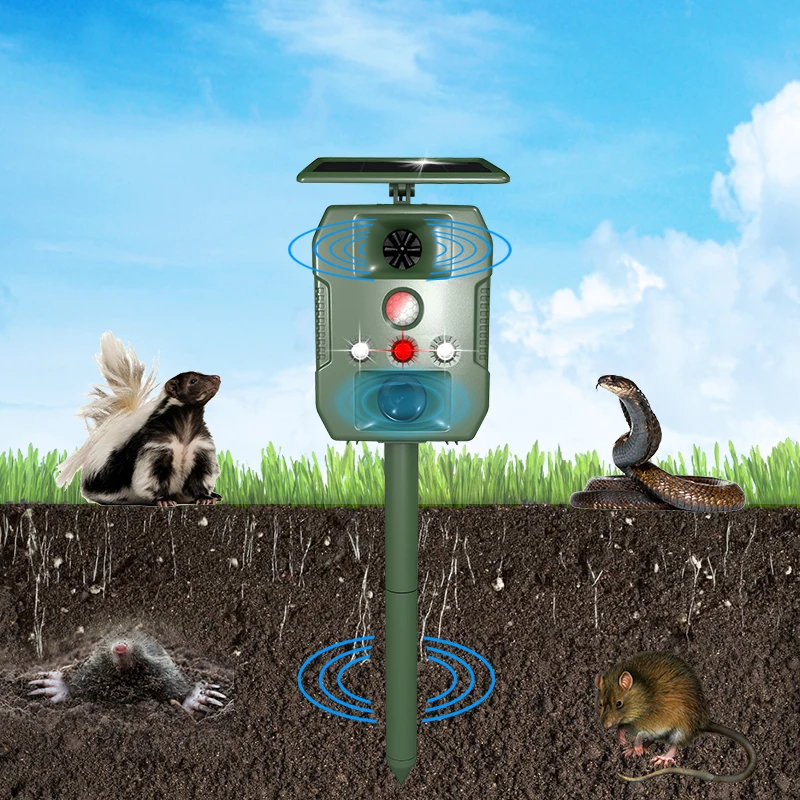
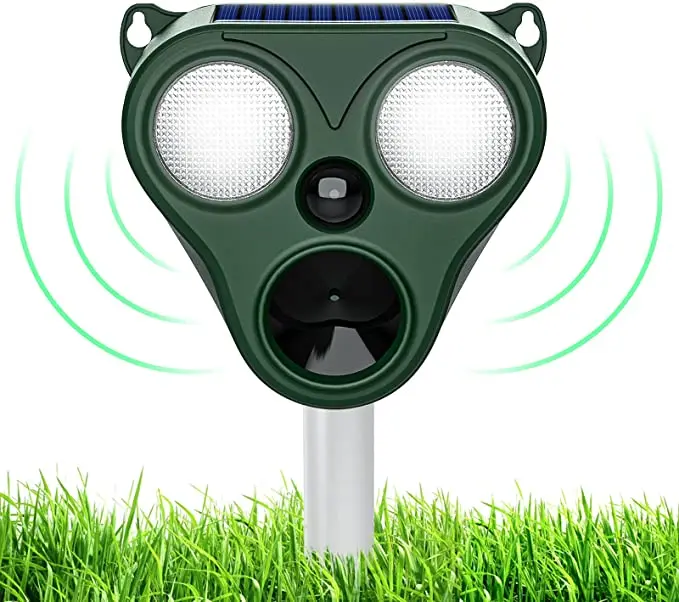
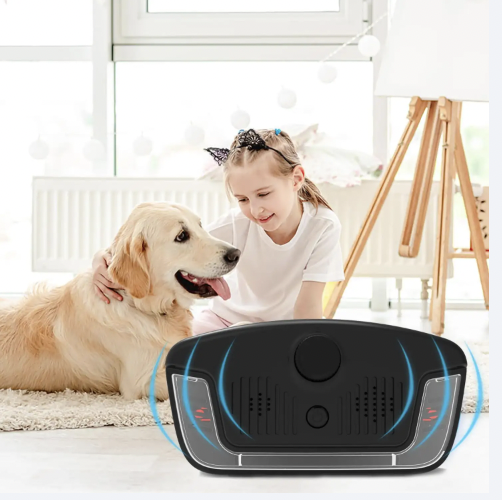
Solar Bug Zapper Lamp - Eco-Friendly Outdoor Pest Control with Solar Power Technology

All Categories

Get a Free Quote

Our representative will contact you soon.
Email
Name
Company Name
What is the minimum order quantity you expect
Message
0/1000

solar bug zapper lamp

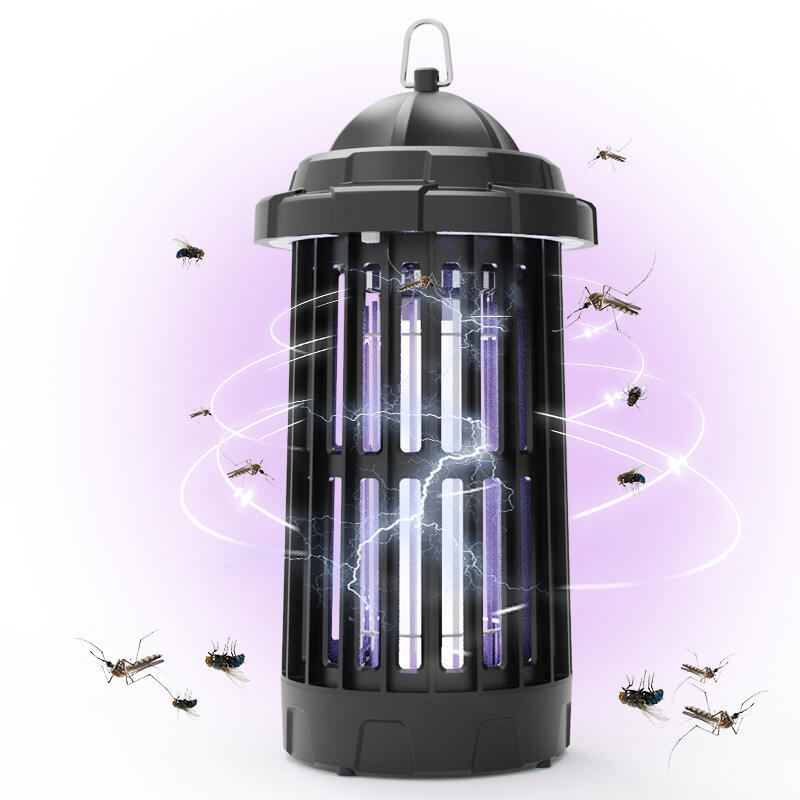
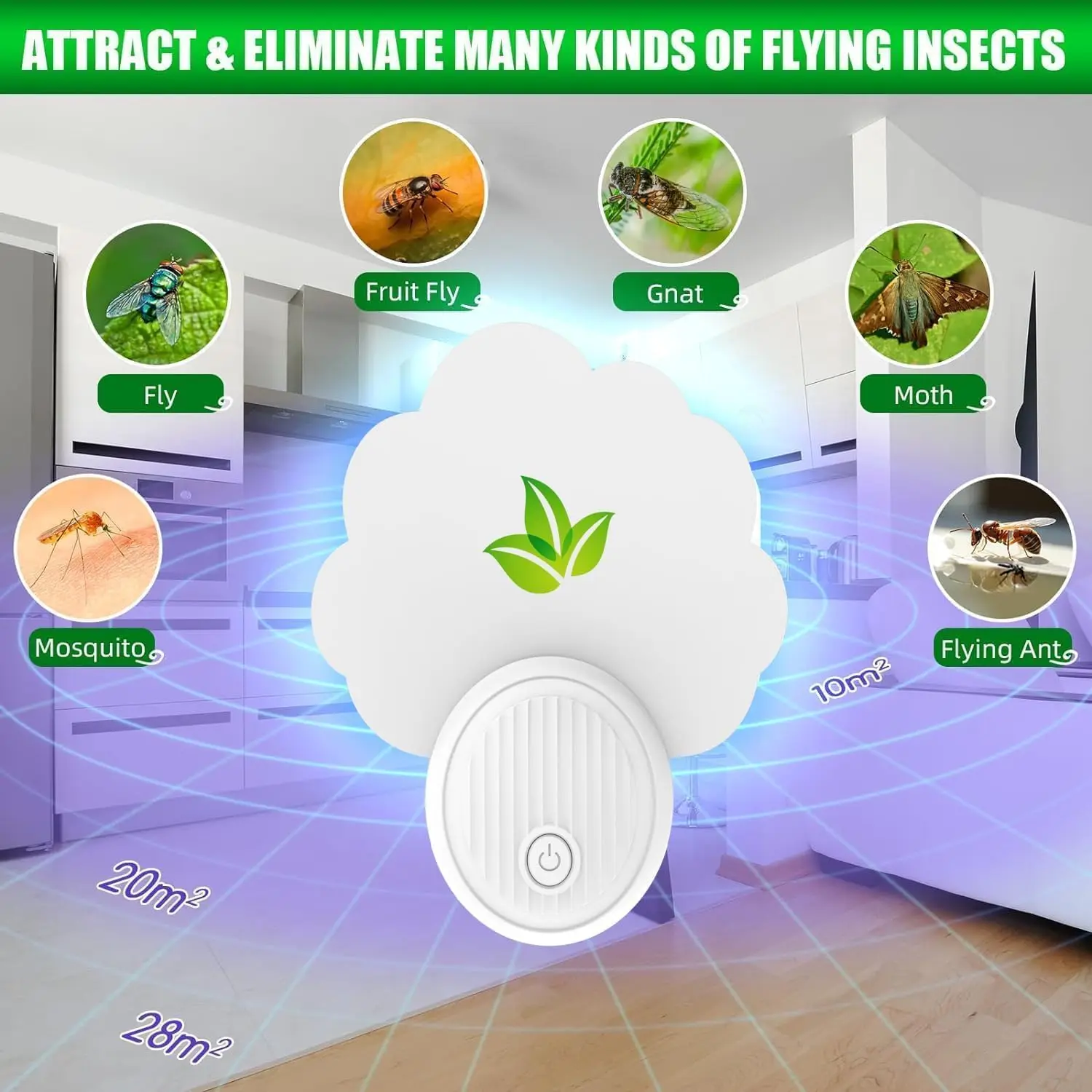
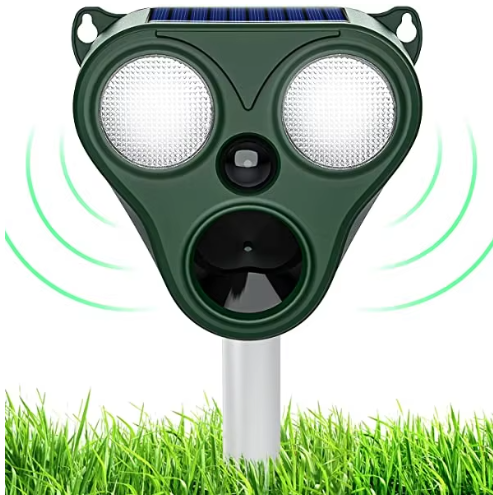
The solar bug zapper lamp represents a revolutionary approach to outdoor pest control, combining sustainable energy technology with effective insect elimination capabilities. This innovative device harnesses solar power during daylight hours to charge its internal battery system, enabling autonomous operation throughout the night when mosquitoes, flies, and other flying insects are most active. The solar bug zapper lamp features a dual-purpose design that serves both as an attractive outdoor lighting solution and a powerful pest control system. At its core, the device utilizes high-efficiency LED lights that emit specific wavelengths designed to attract various flying insects, while simultaneously providing ambient illumination for patios, gardens, and outdoor spaces. The integrated photovoltaic panel automatically converts sunlight into electrical energy, storing power in rechargeable batteries for consistent nighttime performance. Advanced UV light technology creates an irresistible beacon for mosquitoes, gnats, moths, and other bothersome insects, drawing them toward the device where they encounter a high-voltage electrical grid. This elimination method proves both swift and humane, instantly neutralizing pests without the need for chemical pesticides or ongoing maintenance requirements. The solar bug zapper lamp incorporates weather-resistant construction materials, ensuring reliable operation across diverse climate conditions including rain, wind, and extreme temperatures. Modern versions feature intelligent sensors that automatically activate the pest control function at dusk and deactivate it at dawn, optimizing energy consumption while maximizing effectiveness. The compact, portable design allows easy installation in multiple locations, from residential gardens to commercial outdoor dining areas, providing versatile pest management solutions for various applications and environments.

New Product Releases

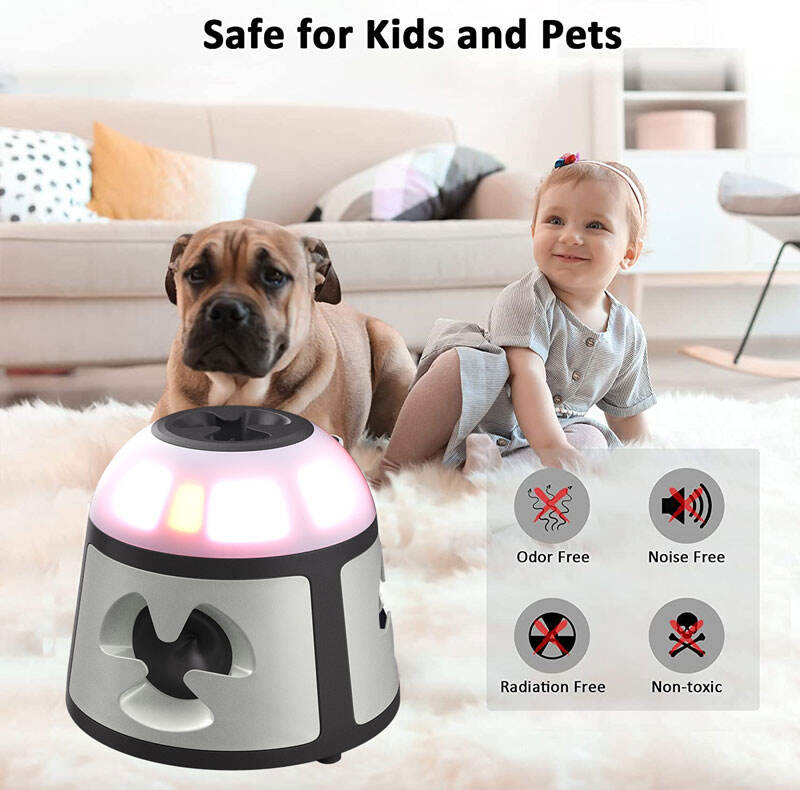
Solar bug zapper lamps deliver exceptional cost-effectiveness by eliminating ongoing electricity expenses through renewable energy utilization. Property owners save significant money on utility bills while maintaining continuous pest control protection throughout mosquito season and beyond. The eco-friendly operation reduces carbon footprint impact compared to traditional electrical pest control methods, supporting environmental sustainability goals without compromising effectiveness. Installation requires zero electrical wiring or professional assistance, making these devices accessible to homeowners of all technical skill levels. Simply position the solar bug zapper lamp in desired locations with adequate sunlight exposure, and the system begins working immediately. This plug-and-play functionality eliminates installation costs and complex setup procedures associated with hardwired alternatives. Chemical-free pest elimination protects family health and environmental safety by avoiding toxic pesticide sprays or repellent applications. Children and pets can enjoy outdoor spaces without exposure to harmful substances, while beneficial insects like bees and butterflies remain largely unaffected by the targeted wavelengths. The solar bug zapper lamp operates silently, creating peaceful outdoor environments without disruptive noise pollution from fans or electrical components. Maintenance requirements stay minimal, typically involving only periodic cleaning of the protective grid and occasional battery replacement after several years of operation. Weather-resistant construction ensures reliable performance across diverse climate conditions, providing consistent pest control regardless of seasonal variations or unexpected weather events. Portable designs enable flexible placement options, allowing users to relocate devices based on changing pest patterns or outdoor activity areas. Multiple units can create comprehensive protection zones around larger properties, establishing effective barriers against flying insect populations. The dual lighting and pest control functionality maximizes utility value, replacing separate outdoor lighting systems while simultaneously addressing insect problems. Advanced models include programmable timers and intensity controls, enabling customized operation schedules that align with specific usage patterns and energy conservation preferences.

Practical Tips

The Ultimate Test: Real-Life Performance of Anti Bark Devices

20

May

The Ultimate Test: Real-Life Performance of Anti Bark Devices

Introduction to Anti Bark Device Testing

Understanding the Purpose of Anti Bark Devices

Anti bark devices play a pivotal role in curbing excessive barking through innovative methods such as ultrasonic sound and vibration. These devices are tailored to enhance the peace and comfort of dog owners and their communities by reducing noise pollution. By using a dog barking deterrent, pet owners can achieve a more serene home environment and promote better relations with their neighbors. Additionally, these tools can serve as an integral part of a dog's training regimen, reinforcing behavior modification over time. By encouraging a quieter atmosphere, these anti barking dog devices not only address noise issues but also help dogs transition to calmer behavior naturally.

Importance of Real-World Performance Evaluation

Evaluating the real-world performance of anti barking dog devices is essential for understanding their effectiveness in daily environments. Unlike controlled testing, real-world evaluations highlight how user-friendly and adaptable these devices are in diverse scenarios. An effective anti-barking device must function seamlessly across various settings, offering practical solutions for dog behavioral issues. Such assessments are crucial as they provide insights into product strengths and potential areas for improvement. By focusing on real-world efficacy, manufacturers can enhance product reliability, ensuring that these devices are recognized as the best anti dog barking devices for maintaining peace and harmony in different environments.

Methodology for Real-Life Performance Evaluation

Testing Environments: Indoor vs. Outdoor Scenarios

When assessing anti bark devices in real-world settings, the environments play a critical role. Indoor testing allows us to see how these devices respond to barking caused by environmental distractions like visitors or household noises. It focuses on the device's sensitivity and effectiveness in a relatively controlled environment. On the other hand, outdoor testing introduces variables such as background noise and varied distractions, providing a comprehensive view of device functionality in real-world conditions. This dual approach enables a better understanding of situational effectiveness and highlights the potential need for devices to have adjustable sensitivity settings for varied environments.

Data Collection: Noise Reduction Metrics

To understand an anti barking device's effectiveness, it's crucial to collect quantitative data on noise levels and barking frequency before and after using the device. Metrics such as decibel levels and the frequency of barking incidents offer concrete evidence of how well these devices reduce noise. This systematic data collection is invaluable not only for evaluating current technologies but also for guiding manufacturers in improving device design and technology. In essence, noise reduction metrics form the backbone of meaningful product improvement in creating effective dog barking deterrents.

Participant Selection: Diverse Dog Breeds and Sizes

Diverse participant selection is key to truly understanding an anti barking device's effectiveness. Testing across a variety of dog breeds and sizes helps determine how these devices cater to different canine sensitivities and behaviors. Analyzing results from a diverse demographic exposes the product's strengths and limitations, providing insights into how well it meets the needs of a broad user base. By encouraging inclusivity in testing strategies, we can ensure that anti barking solutions are effective for a wider range of dog owners, ultimately benefiting more pets and their owners alike.

Key Factors Affecting Anti Bark Device Effectiveness

Environmental Noise Interference

Environmental noise plays a significant role in the effectiveness of dog barking deterrents. Devices may not perform well in loud surroundings, as background noise can interfere with the deterrent's signals. To address this, conducting tests in various settings allows us to identify which devices excel at minimizing barking amidst distractions. Such insights can help dog owners make practical choices for environments with high noise levels, such as urban areas or busy households. Understanding these interactions also aids manufacturers in refining product design and marketing strategies tailored to noisy environments, thus improving the overall performance of anti-barking devices.

Dog Size and Sensitivity to Ultrasonic Deterrents

The effectiveness of ultrasonic deterrents can vary significantly based on the size and sensitivity of the dog. Smaller dogs might react differently than larger breeds, impacting device efficacy. It's crucial to observe how varying breeds respond to ultrasonic signals to ensure that anti-bark devices serve as effective training tools. Customizing devices to suit different breed sensitivities will not only guide owners in choosing the right product for their pet but also enhance the overall satisfaction with the device. This attention to size and sensitivity ensures that these tools cater to all dogs, ensuring effective and humane deterrence across diverse breeds.

Battery Life and Durability in Harsh Conditions

Assessing the durability and battery life of anti-barking devices under harsh conditions is essential for real-world applicability. Devices exposed to outdoor elements, such as rain or extreme temperatures, must maintain reliable functionality to ensure they are beneficial in everyday dog training. Providing evidence of a device's resilience not only enhances customer trust but also promotes its long-term usability for dog owners. Insights derived from these evaluations will guide future designs, focusing on efficiency and sustainability, thereby offering dog owners more dependable and enduring solutions for managing excessive barking, no matter the weather or environmental conditions.

Real-Life Case Studies: Successes and Challenges

Urban Apartment: Managing Small Breed Barking

In urban apartments, small breed dogs often bark due to confined spaces and close proximity to other tenants. Case studies have shown that using dog barking deterrents in such environments can be effective in curbing excessive barking. Many users report a noticeable reduction in disturbances, as the devices help keep barking at bay in tight quarters. However, challenges arise in ensuring consistent results, as different dogs may react differently depending on their personal behavior and the specific layout of their living environment. To address these challenges, owners must consider tailoring approaches depending on the unique dynamics of their home setup.

Suburban Backyard: Addressing Territorial Behavior

Dog bark deterrents are often tested in suburban backyards where dogs exhibit barking primarily due to territorial instinct. In these open areas, successful use of anti-barking devices hinges on proper placement and settings. Case studies offer valuable insights, with suggestions for optimal positioning of devices to counteract perceived threats, such as neighboring animals or passing strangers. However, challenges include dealing with environmental distractions like passing cars or wildlife that could trigger barking, as well as breed-specific territorial behaviors, making tailored adjustments necessary for effective control.

Multi-Dog Households: Overcoming Desensitization

Multi-dog households introduce a unique challenge of desensitization where dogs might become accustomed to the anti-barking signal, reducing device effectiveness. According to case studies, tackling this issue often involves implementing multiple deterrents simultaneously or combining them with traditional training methods. Effective interventions require careful consideration of interaction between devices and dogs. Real-life examples underscore the importance of varied approaches, shedding light on how combining devices with positive reinforcement techniques can lead to improved behavioral outcomes among multiple dogs, thus offering strategic insights for future users.

FAQs on Anti Bark Device Performance

How Quickly Do Anti Bark Devices Show Results?

The timeline for seeing results from anti-bark devices often varies. This is influenced by factors such as a dog's unique behavior patterns and the specific device type used. Commonly, some users report changes within a few days, while others may observe gradual improvements over weeks. Expert analyses, like those observed by pet behaviorists, suggest that consistent use and adherence to recommended usage guidelines enhance efficacy over time. It's important to remind users that patience is essential, as results might not be instantaneous. Consistent usage, along with other complementary training methods, can significantly aid in achieving desired outcomes.

Are These Devices Safe for Puppies and Senior Dogs?

Most anti-bark devices are generally safe for puppies and senior dogs when used according to instructions. Research indicates that ultrasonic or vibration technologies, which are non-invasive, minimize risks and ensure safety across various ages of dogs. However, never underestimate the importance of consulting a veterinarian to get specialized recommendations tailored to a pet's specific health conditions. This ensures that the chosen device aligns safely with the dog’s developmental and health needs. Veterinarians can provide guidance on the best practices to employ these devices effectively while maintaining pet safety.

Can Anti Bark Devices Work in Noisy Neighborhoods?

Anti-bark devices can be effective in noisy neighborhoods, although their success largely depends on the device's sensitivity and the surrounding noise levels. While ultrasonic dog bark deterrent devices are generally designed to target the frequency range specific to dog barks, excessively noisy environments might occasionally interfere with their efficiency. Expert studies highlight the importance of considering noise thresholds when choosing a suitable device for such settings. Practical advice includes selecting devices with customizable settings that enhance their performance in various environmental conditions, ensuring even noisy neighborhoods don't impede their efficacy fully.
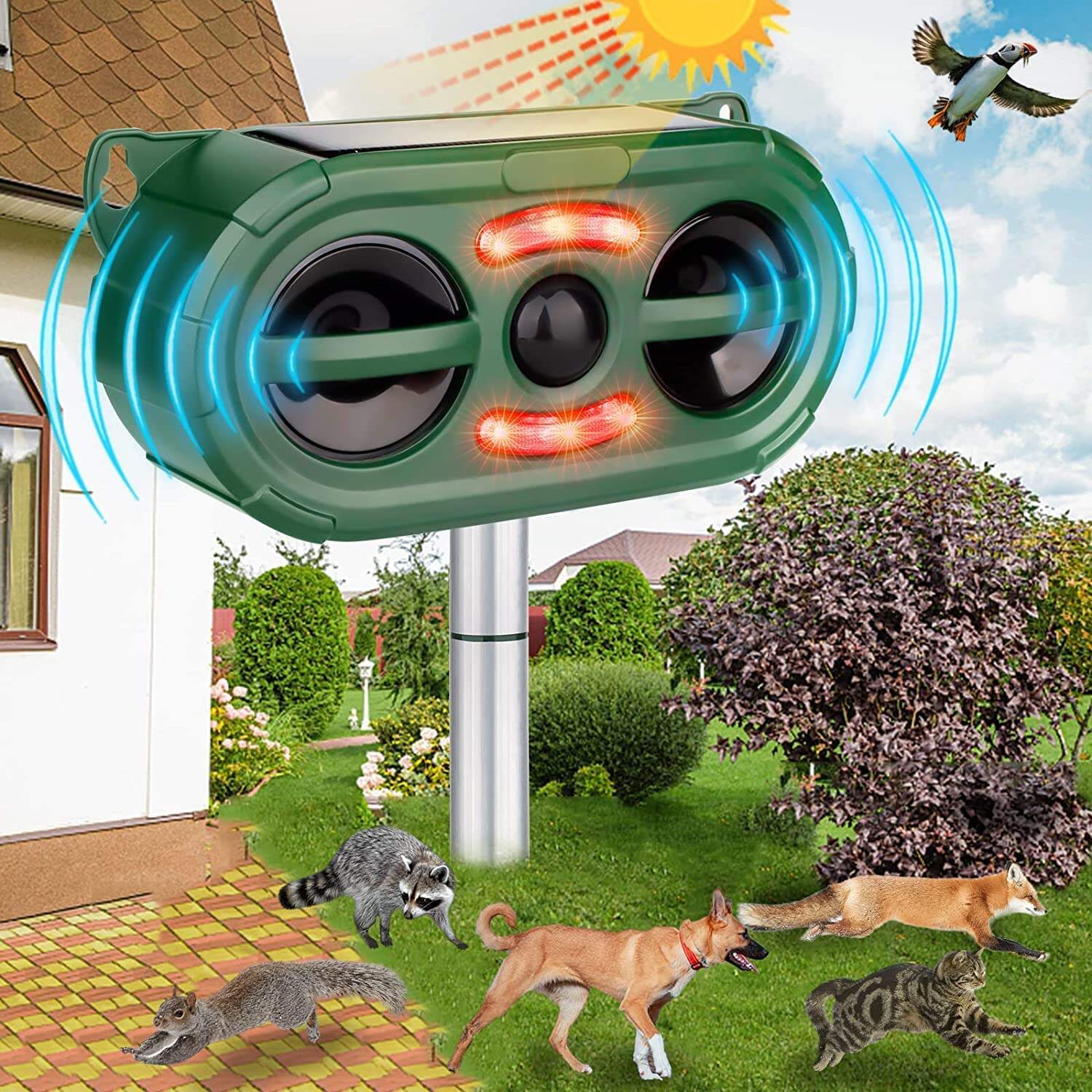
View More
Policy Mandates Will Propel Eco-Friendly Products to Market Dominance - Animal Repeller

10

Jul

Policy Mandates Will Propel Eco-Friendly Products to Market Dominance - Animal Repeller

Policy Mandates Driving Eco-Friendly Market Transformation

Global Regulatory Frameworks Accelerating Change

Global agreements like the Paris Agreement play a significant role in driving the transition towards eco-friendly products by setting ambitious targets for reducing carbon emissions and encouraging sustainable practices across industries. The European Union's Green Deal serves as an exemplary regional regulation that promotes sustainable practices by setting clear objectives for achieving climate neutrality. Compliance with these frameworks is vital for companies seeking to gain competitive advantages in the eco-friendly market. By aligning their operations with these policy mandates, businesses not only contribute to the global sustainability goals but also benefit from associated market opportunities. A study indicates that companies adhering to sustainability frameworks tend to show increased profitability and market share due to heightened consumer demand for eco-friendly products such as animal repellers.

Tax Incentives and Sustainability Certifications

Various tax incentive programs have been introduced globally to encourage businesses to adopt eco-friendly practices. These programs often provide financial relief, making it economically attractive for businesses to transition towards sustainable methods. Additionally, sustainability certifications such as LEED and ENERGY STAR continue to play a critical role in enhancing a company’s credibility and building consumer trust. These certifications serve as assurance to consumers that the products they purchase meet high standards of environmental sustainability. The rise in companies seeking these certifications is evident, with recent statistics showing a significant increase due to favorable tax legislation. More businesses are motivated to pursue sustainability certifications thanks to financial benefits that reduce operational costs while bolstering their ethical standing.

Case Study: Animal Repeller Industry Compliance

The animal repeller industry provides an interesting case study of compliance with sustainability mandates. Companies within this industry have demonstrated significant progress in market expansion and improved brand reputation after aligning their products with eco-friendly regulations. An example is a well-regarded animal repeller manufacturer that optimized its production processes to meet sustainability standards, resulting in increased sales and customer loyalty. Market data shows a notable rise in sales figures post-compliance, reflecting the growing consumer preference for environmentally responsible products. This transformation underscores the potential benefits of adhering to sustainability principles, especially in niche markets where eco-friendly compliance can serve as a major differentiator in attracting a conscious consumer base.

Consumer Demand Fueling Eco-Conscious Purchases

Shift Toward Ethical Consumption Patterns

The increasing shift towards ethical consumption among consumers reveals a distinct preference for brands committed to sustainability. Recent surveys indicate a significant rise in this trend, driven by factors such as age and income. For instance, more than 60% of respondents in a McKinsey survey expressed willingness to pay more for sustainably-packaged products, reflecting this ethical consumption pattern. Brands like Pepcom India are capitalizing on these trends by introducing product lines that resonate with environmentally-conscious consumers, significantly enhancing their market presence.

Willingness-to-Pay Premium for Sustainable Goods

Studies reveal that a vast majority of consumers are willing to pay a premium for sustainable goods. This tendency is particularly evident in industries like fashion, where sustainable practices have become a cornerstone of pricing strategies. For example, a McKinsey study found that consumers across generations are inclined to pay more for eco-friendly options. This shift not only influences pricing strategies but also encourages businesses to prioritize sustainability in their product offerings, ultimately impacting the eco-friendly market.

Impact of Eco-Labels on Buying Decisions

Eco-labels have emerged as influential factors in shaping consumer buying decisions. Research underscores their importance, demonstrating that products with eco-labels experience significant sales increases. Case studies, such as those within the animal repeller industry, highlight how these labels drive consumer choices. Experts forecast a growing role for eco-labels in the marketplace, as they continue to offer credibility and assurance to eco-conscious buyers, entrenching sustainability as a pivotal consideration in purchasing decisions.

Technological Advancements in Animal Repellents

Solar-Powered Repeller Systems

Solar-powered animal repeller systems have become increasingly popular due to their efficiency and cost savings. These systems harness solar energy to operate, making them a sustainable choice for long-term pest control. Companies like PestAway are leveraging this technology and experiencing significant market success by providing environmentally friendly solutions. This eco-friendly approach aligns with a growing consumer interest in renewable energy solutions, as evidenced by statistical trends indicating the rise of solar-powered pest control devices.

Ultrasonic Frequency Innovations

Advancements in ultrasonic technology have revolutionized the pest control industry, particularly in the animal repeller category. These systems utilize high-frequency sound waves to deter animals, ensuring a non-invasive method of pest control. Successful implementations have been seen with products like SonicGuard, which effectively repel pests without harming them. Consumer feedback highlights the effectiveness of these systems, noting a substantial decrease in animal intrusions.

Biodegradable Material Integration

The integration of biodegradable materials into animal repellers marks a significant shift towards eco-friendly product development. These materials enhance the environmental sustainability of repellents by reducing landfill waste. The impact on brand perception among eco-conscious consumers is remarkably positive, with these products being seen as innovative and responsible. Evidence supports the advantages of biodegradable materials, including reduced ecological footprints and improved consumer trust.

Policy Mandates Driving Eco-Friendly Market Transformation

Challenges in Sustainable Pest Control Adoption

Cost Barriers for Green Technologies

The transition to sustainable pest control technologies is often hindered by financial constraints. Businesses face significant challenges due to the higher upfront costs of eco-friendly methods compared to traditional pest control solutions. For instance, investing in green technologies often requires substantial capital, which can pose a problem for small businesses operating on tight budgets. Comparative analyses have shown that while eco-friendly solutions may have higher initial costs, they can lead to long-term savings and provide a better return on investment. However, overcoming these cost barriers involves rethinking financial strategies. Experts suggest exploring financing options, seeking government incentives, and focusing on long-term cost benefits to dismantle these financial hurdles and promote the adoption of sustainable pest control solutions.

Consumer Education Gaps

There remains a significant gap in consumer knowledge regarding the advantages of using eco-friendly pest control products. Many consumers are unaware of how these products benefit the environment and their personal health, leading to a slower market adoption rate. Strategies to improve consumer education include engaging educational campaigns, leveraging social media to spread awareness, and collaborating with thought leaders to endorse sustainable solutions. A correlation exists between consumer education and purchasing behavior; statistics indicate that informed consumers are more likely to choose eco-friendly options. By implementing effective awareness strategies, we can bridge the knowledge gap and encourage more sustainable purchasing decisions.

Durability Concerns in Eco-Repellers

Consumers often express concerns about the durability and effectiveness of eco-friendly animal repellents. Many apprehend that these products may not last long or perform as efficiently as their traditional counterparts. However, case studies within the eco-repeller market have demonstrated durability successes, with some brands producing products that withstand lifecycle challenges. According to experts, enhancing the durability of eco-friendly products involves rigorous testing and innovation in materials engineering. By addressing these concerns through transparent communication and product demonstrations, manufacturers can boost consumer confidence and drive greater market acceptance of eco-repellers.

Future Projections for Green Market Leadership

2030 Market Dominance Forecasts

Projecting towards 2030, the eco-friendly market is anticipated to experience substantial growth driven by evolving consumer preferences and supportive regulatory frameworks. Industry forecasting reports suggest that the green market will see significant expansion in response to heightened demand for sustainable products and practices. A comparative analysis with past growth trends reveals an accelerating trajectory, underscoring the optimistic outlook for this sector. Key influencers contributing to this upward trend include increased government policies championing environmental consciousness and a noticeable shift in consumer attitudes towards sustainable options. These propelling factors highlight the robust nature of the eco-friendly sector as it moves towards market dominance by 2030.

Policy-Driven R&D Investment Trends

Recent trends indicate a marked increase in research and development (R&D) funding directed towards environmentally friendly technologies. Various companies are adapting their R&D strategies in response to government policy shifts, accelerating investments in eco-initiatives. Notable case studies from industry leaders illustrate how policy-driven funding allocations have effectively boosted innovation in green technologies. For instance, the sustainable construction materials sector has seen companies invest heavily in R&D following governmental incentives, which are encouraging breakthroughs in eco-friendly product development. Supporting facts from government reports highlight the significant role of policy changes in shaping these investment trends, enhancing the eco-friendly technology market.

Circular Economy Integration Strategies

The integration of circular economy strategies is becoming increasingly significant in the eco-friendly market, offering sustainable solutions and long-term benefits. Understanding circular economy concepts involves recognizing practices that promote reuse, recycling, and waste minimization. Several organizations have successfully implemented these strategies, demonstrating their efficacy in fostering sustainability. Evidence suggests that circular economy approaches not only enhance resource efficiency but also contribute to the financial sustainability of businesses by reducing costs associated with virgin materials. As the eco-friendly market evolves, incorporating circular economy strategies is proving vital for achieving sustainability goals and market leadership.

FAQ

What role do global regulatory frameworks play in the eco-friendly market?

Global regulatory frameworks, such as the Paris Agreement, set targets for reducing carbon emissions and encouraging sustainable practices, thereby fostering a competitive eco-friendly market.

How do tax incentives and certifications affect businesses?

Tax incentives make it economically attractive for businesses to adopt sustainable practices, while certifications like LEED and ENERGY STAR enhance credibility and consumer trust.

What's the significance of eco-labels in consumer buying decisions?

Eco-labels significantly influence consumer buying decisions by providing credibility and assurance, leading to increased sales for labeled products.

Why are solar-powered repeller systems popular in pest control?

Solar-powered animal repeller systems are popular due to their efficiency, cost savings, and alignment with consumer interests in renewable energy solutions.

What are the challenges in adopting sustainable pest control technologies?

Cost barriers, consumer education gaps, and concerns about durability are significant challenges in the adoption of sustainable pest control technologies.

View More
What Are the Eco-Friendly Benefits of Using Animal Repellers in Farmland?

15

Aug

What Are the Eco-Friendly Benefits of Using Animal Repellers in Farmland?

What Are the Eco-Friendly Benefits of Using Animal Repellers in Farmland?

Farming has always been a delicate balance between cultivating crops and protecting them from pests, including wildlife. While animals play an important role in maintaining a healthy ecosystem, certain species can cause significant damage to crops, stored food, and farm infrastructure. Traditionally, farmers have relied on chemical deterrents, lethal traps, and fencing to reduce damage from animals. However, as the demand for sustainable agriculture grows, there is increasing interest in humane, non-toxic methods that preserve biodiversity while protecting farmland productivity.

One of the most promising solutions is the use of Animal Repellers. These devices deter wildlife from entering specific areas by using sensory-based deterrents such as sound, light, water sprays, or scent. Unlike traditional control methods that harm or kill animals, Animal Repellers encourage them to move away naturally, reducing conflict between farming and wildlife conservation.

This article explores the eco-friendly benefits of using Animal Repellers in farmland and how they support sustainable agriculture.

Understanding Animal Repellers for Farmland

Animal Repellers are devices designed to prevent animals from entering a protected area without causing them harm. They work by making the environment uncomfortable or unfamiliar to the animal, prompting it to leave voluntarily. Different models may use ultrasonic sound waves, flashing lights, motion-triggered water sprays, vibrations, or scent-based repellents.

On farmland, Animal Repellers can be used to keep deer, wild boar, birds, rabbits, and other pests away from crops. They can also protect stored produce, livestock feed areas, and farm buildings from animal intrusion.

Key Eco-Friendly Benefits of Animal Repellers

1. Humane Wildlife Management

One of the most significant eco-friendly benefits of Animal Repellers is their humane approach. Instead of injuring or killing animals, these devices simply encourage them to avoid specific areas. This approach respects wildlife and maintains their role in the ecosystem while reducing crop damage.

For example, deer may feed on fruit trees, but killing them disrupts the local food chain and can lead to overpopulation of other species. Animal Repellers create a safe deterrence method that avoids this ecological imbalance.

What Are the Eco-Friendly Benefits of Using Animal Repellers in Farmland?

2. Reduced Chemical Use in Agriculture

Chemical deterrents and pesticides not only harm target animals but also have side effects on soil, water, and non-target species. Over time, these chemicals can degrade soil health, pollute waterways, and reduce biodiversity.

Animal Repellers eliminate the need for chemical repellents in many cases. By using physical or sensory deterrents, farmers can protect crops without adding toxic substances to the environment. This aligns with organic farming principles and reduces the ecological footprint of agriculture.

3. Protection of Pollinators and Beneficial Species

One of the unintended consequences of chemical-based pest control is that it can harm beneficial insects and animals such as bees, butterflies, and birds. These species are essential for pollination, pest control, and soil health.

Animal Repellers target specific problem animals without harming other species. For example, an ultrasonic device set to deter deer will not impact bees or earthworms. This selective approach supports biodiversity and preserves the natural allies of farming.

4. Minimizing Habitat Destruction

When wild animals repeatedly damage farmland, some farmers resort to removing them permanently or altering the landscape to make it less appealing. These measures often involve clearing vegetation or installing large physical barriers, which can destroy habitats for multiple species.

Animal Repellers allow farmers to maintain open farmland while deterring problem animals. This means less need for invasive habitat changes, which helps preserve the surrounding natural environment.

5. Lower Carbon Footprint Compared to Traditional Methods

Chemical production, trap manufacturing, and frequent repair or replacement of physical barriers all contribute to the farm’s carbon footprint. Many Animal Repellers are powered by solar energy, have long service lives, and require minimal maintenance.

By switching to solar-powered or energy-efficient Animal Repellers, farmers can cut down on fuel consumption for patrols, reduce manufacturing emissions from disposable deterrents, and operate in a more climate-friendly way.

6. Non-Disruptive to Soil and Water Systems

Chemical repellents often leach into the soil or run off into nearby streams and rivers, altering pH levels and contaminating water sources. This can harm aquatic life and reduce the quality of water available for irrigation.

Animal Repellers work without introducing foreign substances to the environment. This preserves soil fertility, maintains water quality, and supports the long-term sustainability of the farmland.

7. Long-Term Cost Savings with Eco Benefits

While there is an initial investment in buying Animal Repellers, their durability and low operating costs often lead to long-term savings. Farmers save money by reducing crop losses, lowering chemical expenses, and avoiding fines or penalties associated with environmental violations.

From an eco perspective, the extended lifespan of these devices means fewer resources are consumed in manufacturing and disposal, further reducing environmental impact.

8. Versatility Across Different Farmland Needs

Animal Repellers can be adapted to target specific species without affecting others. For example:

  • Motion-activated sprinklers for deer and rabbits in vegetable gardens.

  • Ultrasonic devices for rodents around grain storage.

  • Bird repellers using light or sound to protect orchards.

This flexibility allows farmers to tailor solutions to their environmental needs without using broad-spectrum harmful controls.

9. Encouraging Coexistence Between Farming and Wildlife

The idea of “living alongside nature” is central to sustainable agriculture. Animal Repellers make it possible to protect crops while allowing wildlife to exist nearby. Instead of viewing animals as enemies, farmers can redirect them to less harmful feeding areas, fostering a balance between production and conservation.

10. Support for Certification in Sustainable Farming

Many eco-certification programs require farmers to minimize chemical use, protect biodiversity, and practice humane wildlife management. Using Animal Repellers helps meet these criteria, improving the farm’s eligibility for organic or sustainable certifications, which can also increase market value.

Choosing the Right Animal Repellers for Farmland

Not all Animal Repellers are suitable for all farming scenarios. Farmers should consider:

  • Target Species: Different animals respond to different deterrents.

  • Coverage Area: Large fields may require multiple devices for full protection.

  • Power Source: Solar-powered units are ideal for remote locations without easy access to electricity.

  • Durability: Weather-resistant models are necessary for year-round outdoor use.

  • Adjustability: Devices with adjustable sensitivity and deterrent settings offer greater flexibility.

Integrating Animal Repellers into Sustainable Farm Management

Animal Repellers are most effective when used alongside other eco-friendly practices:

  • Crop rotation to naturally deter pests.

  • Companion planting to repel certain animals through scent.

  • Maintaining natural predator populations such as owls or hawks.

  • Building hedgerows to provide wildlife corridors away from crops.

This integrated approach ensures that the farm remains productive while minimizing environmental harm.

Future Innovations in Eco-Friendly Animal Repellers

As demand for sustainable solutions grows, manufacturers are developing advanced features for Animal Repellers:

  • AI detection systems that identify specific animal species and adjust deterrent methods automatically.

  • Smart farm integration for real-time monitoring and control from mobile devices.

  • Hybrid deterrents combining sound, light, and scent for multi-species protection.

  • Energy storage systems to ensure continuous operation during low sunlight periods.

These advancements promise even greater precision, efficiency, and environmental compatibility.

Conclusion

Animal Repellers offer a powerful, eco-friendly alternative to traditional pest control methods in farmland. By using humane deterrence, reducing chemical dependency, preserving pollinators, protecting habitats, and lowering carbon emissions, these devices align perfectly with the principles of sustainable agriculture.

Their ability to target specific animals without harming non-target species makes them a smart choice for farmers who want to protect crops while respecting biodiversity. As technology improves, Animal Repellers will become even more efficient, adaptable, and environmentally beneficial, helping agriculture and wildlife coexist in harmony.

For farmers aiming to balance productivity with environmental stewardship, Animal Repellers are not just a tool — they are a long-term investment in a greener future for farming.

FAQ

Do Animal Repellers harm wildlife?

No, they deter animals through discomfort without causing physical harm.

Can Animal Repellers replace all chemical pest controls?

They can significantly reduce chemical use but work best when combined with other sustainable practices.

Are solar-powered Animal Repellers effective in cloudy weather?

Yes, most store energy in rechargeable batteries for continuous operation during low-sunlight days.

Will Animal Repellers affect livestock?

Most can be adjusted to target wild species without disturbing farm animals.

How long do Animal Repellers last?

High-quality models can last for years with proper maintenance, especially weather-resistant designs built for farmland conditions.

View More
What Should You Look for in an Effective Bug Zapper for Outdoor Use?

15

Aug

What Should You Look for in an Effective Bug Zapper for Outdoor Use?

What Should You Look for in an Effective Bug Zapper for Outdoor Use?

Spending time outdoors — whether it’s in the backyard, on the patio, or camping — is one of life’s great pleasures. Unfortunately, warm evenings often bring uninvited guests in the form of mosquitoes, flies, moths, and other flying insects. These pests can be more than just annoying; some carry diseases, and others can damage gardens or food supplies.

For decades, the Bug Zapper has been one of the most popular tools for controlling flying insects in outdoor spaces. Using light to attract bugs and an electric grid to eliminate them, this device provides a chemical-free way to reduce pest populations. However, not all bug zappers are created equal, and choosing the right one can significantly impact performance and safety.

This article explores the essential features to look for in an effective Bug Zapper for outdoor use, helping you make an informed decision and get the most out of your investment.

Why Use a Bug Zapper Outdoors?

Before diving into features, it’s worth understanding why a Bug Zapper is such a practical outdoor tool:

  • Chemical-Free Pest Control: No need for sprays or toxic chemicals that may harm people, pets, or the environment.

  • Continuous Protection: Many models operate continuously to keep pests under control throughout the evening.

  • Ease of Use: Once installed, bug zappers require minimal maintenance.

  • Multi-Pest Control: Works against a variety of flying insects, not just mosquitoes.

By eliminating pests before they become a nuisance, bug zappers make outdoor gatherings more comfortable and enjoyable.

Key Features to Consider in an Outdoor Bug Zapper

1. Coverage Area

The coverage area determines how much space the Bug Zapper can effectively protect. Outdoor zappers often range from 500 to over 2,000 square feet.

Why it matters:

  • A zapper with too small a range won’t cover your yard effectively, allowing pests to gather in unprotected areas.

  • Oversized zappers for a small patio may consume more power than necessary.

When choosing, match the coverage area to your outdoor space size.

What Should You Look for in an Effective Bug Zapper for Outdoor Use?

2. Light Source Type and Wavelength

Bug Zappers typically use ultraviolet (UV) light to attract insects. The wavelength and type of light can influence how effective the unit is:

  • UV-A Light (around 365 nm) is most effective for attracting many flying insects.

  • LED-based UV lights are energy-efficient and long-lasting compared to traditional fluorescent UV bulbs.

Why it matters: The right wavelength ensures you’re attracting the pests you want to control, while avoiding wasted energy.

3. Power and Voltage of the Electric Grid

The grid voltage determines how quickly and effectively insects are eliminated. Most outdoor Bug Zappers operate between 1,500 and 4,000 volts.

Why it matters:

  • Too low, and some insects may survive the initial shock.

  • Too high, and there’s unnecessary energy consumption and potentially more audible “zapping” sounds.

A balance of power and efficiency ensures optimal results without excess noise or power use.

4. Weather Resistance

Since an outdoor Bug Zapper will be exposed to the elements, it should be weather-resistant:

  • Waterproof or water-resistant casing to handle rain and humidity.

  • UV-resistant materials to prevent damage from sun exposure.

Why it matters: A non-weatherproof unit will wear out quickly, leading to costly replacements.

5. Safety Features

Bug Zappers use electricity to kill insects, so safety is critical:

  • Protective outer casing to prevent accidental contact with the electric grid.

  • Child and pet-safe designs that ensure no one can touch the electrified parts.

Why it matters: Safety features prevent accidents, especially in homes with children or pets.

6. Power Source Options

Outdoor bug zappers can be powered in different ways:

  • Plug-in models: Reliable for continuous use but require an outdoor power outlet.

  • Solar-powered units: Eco-friendly and portable but may have reduced power in cloudy conditions.

  • Battery-operated units: Portable and flexible but require periodic battery replacement or recharging.

Why it matters: The right power source matches your outdoor space’s layout and intended use.

7. Portability and Mounting Options

Some bug zappers are designed to be hung from hooks, while others are freestanding or wall-mounted.

Why it matters: The ability to place the zapper where it’s most effective — such as near seating areas or garden edges — improves performance. Portable models are ideal for camping or moving between different outdoor areas.

8. Noise Level

While many people don’t mind the occasional “zap,” some prefer quieter operation. LED zappers often make less noise than those with higher-voltage grids.

Why it matters: A quieter zapper is better for relaxing outdoor gatherings without distraction.

9. Maintenance and Cleaning

Over time, dead insects accumulate in the zapper. Look for models with:

  • Removable collection trays for easy cleaning.

  • Self-cleaning grids to reduce buildup.

Why it matters: Easy maintenance ensures the zapper continues to work efficiently and extends its lifespan.

10. Multi-Function Features

Some modern Bug Zapper models include additional functions:

  • Integrated LED lighting for area illumination.

  • Mosquito lures or attractants for enhanced targeting.

  • Timer settings for automatic on/off cycles.

Why it matters: Multi-function devices can save space and improve pest control efficiency.

Placement Tips for Maximum Effectiveness

Even the best Bug Zapper won’t perform well if placed incorrectly. Keep these tips in mind:

  • Place the zapper away from seating areas to draw insects away from people.

  • Position it between insect breeding areas (like compost heaps or standing water) and your gathering space.

  • Ensure it’s in a dark or shaded spot at night so the UV light stands out.

Correct placement can greatly improve capture rates while minimizing interference with outdoor activities.

Environmental Considerations

While Bug Zappers are effective, they can attract and kill non-pest insects such as moths or beetles. To reduce environmental impact:

  • Choose models with selective wavelengths to better target pest insects.

  • Avoid placing zappers near flowering plants that attract pollinators.

By using a zapper responsibly, you can balance pest control with biodiversity preservation.

Advantages of Outdoor Bug Zappers

  • No chemicals or pesticides — safer for people, pets, and the environment.

  • Continuous operation keeps pests under control during outdoor activities.

  • Low maintenance compared to traps or sprays.

  • Effective against multiple insect species in one device.

Potential Limitations

  • May attract beneficial insects unintentionally.

  • Effectiveness can be reduced in brightly lit areas where the UV light is less visible.

  • Requires regular cleaning to maintain efficiency.

These drawbacks can be minimized through strategic placement, responsible use, and combining the zapper with other pest management methods.

Combining a Bug Zapper with Other Pest Control Methods

For the best results, use your Bug Zapper as part of an integrated pest management approach:

  • Remove standing water to reduce mosquito breeding grounds.

  • Keep food covered during outdoor events.

  • Use citronella candles or fans to add another layer of deterrence.

This multi-pronged approach helps keep pest populations low without over-relying on any single method.

Future Trends in Bug Zapper Technology

As technology advances, outdoor bug zappers are evolving:

  • Smart controls with mobile app integration for monitoring and adjusting settings remotely.

  • Energy-efficient designs that combine solar and LED technology.

  • Selective targeting systems that focus on specific insect species.

  • Improved safety features for enhanced child and pet protection.

These innovations promise to make bug zappers more efficient, environmentally friendly, and user-friendly.

Conclusion

Choosing the right Bug Zapper for outdoor use means looking beyond just appearance and price. The most effective models combine the right coverage area, light wavelength, grid power, safety features, and durability for your specific environment. Weather resistance, ease of cleaning, and flexible mounting options also play key roles in ensuring long-term satisfaction.

By investing in a well-designed, appropriately sized Bug Zapper and using it responsibly, you can enjoy outdoor spaces with fewer interruptions from flying pests — all without relying on harmful chemicals. As technology continues to improve, bug zappers will remain a valuable and increasingly eco-friendly tool for outdoor living.

FAQ

Do bug zappers kill all mosquitoes?

Not all. While they can kill mosquitoes, they are more effective on insects attracted to light, such as moths and flies.

Are bug zappers safe to use around pets?

Yes, if they have protective casings to prevent contact with the electrified grid.

Can I leave my outdoor bug zapper on all night?

Yes, but for energy savings and reduced impact on non-pest insects, you may want to use a timer.

Do solar-powered bug zappers work as well as electric ones?

They can be effective for small areas but may have lower power output compared to plug-in models.

How often should I clean my bug zapper?

Check and clean the collection tray or grid at least once a week during peak insect season.

View More

Get a Free Quote

Our representative will contact you soon.
Email
Name
Company Name
What is the minimum order quantity you expect
Message
0/1000

solar bug zapper lamp

Advanced Solar Technology with All-Weather Durability

Advanced Solar Technology with All-Weather Durability

The solar bug zapper lamp incorporates cutting-edge photovoltaic technology that ensures reliable operation even under challenging environmental conditions. High-efficiency monocrystalline solar panels capture maximum sunlight conversion rates, generating sufficient power to maintain consistent nighttime pest control performance for up to 12 hours on a single charge. The integrated battery management system prevents overcharging and extends component lifespan, while intelligent power regulation optimizes energy distribution between lighting and pest elimination functions. Weather-resistant housing constructed from premium materials withstands extreme temperatures ranging from -20°F to 140°F, ensuring dependable operation across all seasons and climate zones. The IP65 waterproof rating protects internal electronics from rain, snow, and humidity exposure, while UV-resistant exterior coatings prevent degradation from prolonged sun exposure. Corrosion-resistant metal components maintain structural integrity in coastal environments with salt air exposure. The solar panel features tempered glass protection that resists impact damage from hail or falling debris, while maintaining optimal light transmission efficiency. Advanced circuit protection includes surge suppression and reverse polarity safeguards that prevent damage from electrical storms or improper installation. The rechargeable battery system utilizes long-life lithium-ion technology that maintains capacity through thousands of charge cycles, reducing replacement frequency and long-term ownership costs. Automatic daylight sensors eliminate manual operation requirements by detecting ambient light levels and switching between charging and operation modes seamlessly. This sophisticated technology integration ensures the solar bug zapper lamp delivers consistent pest control effectiveness while minimizing maintenance demands and maximizing user convenience across diverse installation environments.
Targeted Pest Attraction with Safe Elimination Technology

Targeted Pest Attraction with Safe Elimination Technology

The solar bug zapper lamp employs scientifically optimized LED wavelengths that specifically target flying insect vision spectrums while remaining safe for humans and beneficial wildlife. Research-backed light frequencies between 350-400 nanometers create irresistible attraction for mosquitoes, flies, gnats, moths, and other problematic insects without disrupting beneficial pollinators like bees during their typical activity periods. The precision-engineered electrical grid delivers instantaneous elimination upon contact, ensuring swift and humane pest neutralization without suffering or escape opportunities. High-voltage output reaches optimal levels for immediate effectiveness while incorporating safety features that prevent accidental human or pet contact injuries. The protective outer cage design allows insect access while blocking larger objects and preventing accidental touching of electrified components. Smart grid spacing optimization balances effectiveness against safety, creating openings large enough for target pests while preventing small fingers or paws from reaching dangerous areas. The elimination process produces no chemical residues, toxic fumes, or harmful byproducts, maintaining clean air quality in treated areas. Unlike pesticide applications that may harm beneficial insects indiscriminately, the solar bug zapper lamp provides selective targeting that preserves ecological balance while controlling problematic species. The device operates continuously without developing pest resistance issues common with chemical treatments, ensuring consistent long-term effectiveness. Multiple attraction points create comprehensive coverage zones that capture insects approaching from various directions and flight patterns. The immediate elimination prevents reproduction cycles and population growth, providing cumulative pest reduction benefits over extended operation periods. This targeted approach eliminates the need for repeated pesticide applications while avoiding concerns about chemical drift, residue accumulation, or environmental contamination that affects water sources, soil quality, and non-target species populations.
Versatile Installation and Energy Independence Benefits

Versatile Installation and Energy Independence Benefits

The solar bug zapper lamp delivers unmatched installation flexibility through its completely wireless, energy-independent design that eliminates electrical infrastructure requirements and associated costs. Property owners can install these devices in remote locations without access to electrical outlets, extending pest control protection to gazebos, garden sheds, camping areas, and distant outdoor entertaining spaces. The lightweight, portable construction enables seasonal relocation based on changing pest patterns or outdoor usage preferences, maximizing effectiveness while adapting to evolving needs. Ground stakes, wall mounting brackets, and hanging hardware options accommodate diverse installation preferences and architectural requirements without permanent modifications to existing structures. The energy independence provided by solar charging eliminates concerns about power outages, electrical failures, or utility disruptions that could compromise pest control during critical periods. This reliability proves especially valuable in rural areas with unstable electrical service or during emergency situations when continuous pest protection remains essential for health and comfort. Zero operating costs after initial purchase create significant long-term savings compared to electrical devices that consume continuous power throughout operating seasons. The absence of wiring requirements eliminates fire hazards and electrical safety concerns while simplifying installation for users without electrical expertise. Multiple units can create comprehensive protection networks around large properties without complex electrical planning or increased utility expenses. The solar charging system operates independently of home electrical systems, reducing overall household energy consumption and supporting sustainable living practices. Advanced models include USB charging ports that provide emergency device charging capabilities during power outages, adding utility value beyond pest control functions. The modular design philosophy allows easy expansion of pest control coverage by adding additional units without infrastructure modifications or professional installation services, enabling scalable solutions that grow with property development or changing outdoor usage patterns.

Get a Free Quote

Our representative will contact you soon.
Email
Name
Company Name
What is the minimum order quantity you expect
Message
0/1000